Category: technology

  • Cybersecurity Trends in 2026: How Businesses Can Stay Protected

    Cybersecurity Trends in 2026: How Businesses Can Stay Protected

    Cybersecurity has become one of the most important priorities for organizations in 2026. As businesses continue to embrace cloud computing, artificial intelligence (AI), remote work, and digital transformation, the number of cyber threats has grown significantly. Modern organizations are more connected than ever before, making them attractive targets for cybercriminals seeking financial gain, sensitive information, or operational disruption.

    While technology continues to evolve at a rapid pace, cybersecurity strategies must evolve alongside it. Businesses of all sizes—from startups to multinational corporations—need proactive security measures that protect their systems, employees, and customers.

    Understanding the latest cybersecurity trends helps organizations prepare for emerging threats while building a resilient digital environment. Rather than reacting to attacks after they occur, businesses that invest in prevention, awareness, and modern security technologies are better positioned to safeguard their operations.

    The Growing Importance of Cybersecurity

    Digital technologies have transformed the way organizations operate. Cloud services, mobile devices, Internet of Things (IoT) equipment, and AI-powered applications have improved productivity and efficiency. However, every connected device also creates a potential entry point for cyber attackers.

    Cybersecurity is no longer just an IT responsibility. Executive leadership, legal teams, human resources, and employees all play an important role in maintaining organizational security. Successful cybersecurity requires collaboration across every department.

    Organizations are increasingly recognizing that protecting digital assets is essential for maintaining customer trust, regulatory compliance, and business continuity.

    Artificial Intelligence Is Changing Cybersecurity

    Artificial intelligence has become both a powerful security tool and a growing challenge.

    Security professionals use AI to identify unusual network activity, detect malware, automate threat analysis, and respond to incidents faster than traditional methods. Machine learning models can analyze millions of events within seconds, helping security teams identify potential attacks before they become major problems.

    At the same time, cybercriminals are also using AI to develop more sophisticated phishing campaigns, automate attacks, and identify system vulnerabilities more efficiently.

    This evolving landscape means organizations must continuously update their defenses while combining AI-powered security tools with experienced human analysts.

    Zero Trust Security Becomes the Standard

    One of the biggest cybersecurity trends in 2026 is the widespread adoption of Zero Trust Architecture.

    Traditional security models assumed that users inside an organization’s network could generally be trusted. Modern cybersecurity takes a different approach.

    Zero Trust follows the principle of “never trust, always verify.”

    Every user, device, and application must continuously authenticate before receiving access to organizational resources.

    Key components include:

    • Multi-factor authentication
    • Identity verification
    • Device security validation
    • Least-privilege access
    • Continuous monitoring
    • Network segmentation

    By limiting unnecessary access, businesses reduce the potential impact of compromised accounts.

    Cloud Security Remains a Top Priority

    Cloud computing continues to expand across nearly every industry. Organizations increasingly store sensitive information, customer records, and business applications within cloud environments.

    Although cloud providers offer robust infrastructure security, organizations remain responsible for protecting their own data and configurations.

    Effective cloud security includes:

    • Strong access controls
    • Data encryption
    • Regular security audits
    • Backup strategies
    • Configuration management
    • Continuous monitoring

    Businesses that properly secure cloud environments can benefit from flexibility while minimizing security risks.

    Ransomware Continues to Evolve

    Ransomware remains one of the most damaging cyber threats facing organizations worldwide.

    Attackers increasingly target businesses, healthcare providers, educational institutions, and government agencies. Instead of simply encrypting files, many modern ransomware groups also steal sensitive information before demanding payment.

    Organizations reduce ransomware risk by:

    • Maintaining secure backups
    • Updating software regularly
    • Training employees
    • Restricting administrative privileges
    • Monitoring suspicious activity
    • Testing incident response plans

    Preparation often determines how quickly a business can recover from an attack.

    Employee Awareness Is Essential

    Technology alone cannot eliminate cybersecurity risks.

    Human error continues to contribute to many successful cyber incidents. Phishing emails, weak passwords, and accidental data sharing remain common attack methods.

    Organizations increasingly invest in cybersecurity awareness training to help employees recognize suspicious activity.

    Effective programs teach employees how to:

    • Identify phishing attempts
    • Create strong passwords
    • Protect confidential information
    • Report unusual activity
    • Use secure communication methods
    • Follow company security policies

    A well-informed workforce becomes an important layer of organizational defense.

    Protecting Remote and Hybrid Workforces

    Remote and hybrid work models remain common in 2026.

    Employees frequently access business systems from home networks, mobile devices, and public internet connections. This flexibility improves productivity but also introduces additional security challenges.

    Organizations protect remote workers through:

    • Virtual private networks (VPNs)
    • Secure authentication
    • Endpoint protection
    • Device management
    • Encrypted communications
    • Security monitoring

    Maintaining consistent security policies regardless of employee location helps reduce organizational risk.

    Regulatory Compliance and Data Privacy

    Governments around the world continue strengthening data privacy and cybersecurity regulations.

    Businesses must understand applicable legal requirements while protecting customer information responsibly.

    Compliance often involves:

    • Data protection policies
    • Security assessments
    • Risk management
    • Privacy controls
    • Incident reporting
    • Employee training

    Meeting regulatory expectations not only reduces legal risk but also demonstrates accountability to customers and business partners.

    Supply Chain Security Gains Attention

    Modern organizations rely on numerous third-party software providers, cloud platforms, and service vendors.

    Cybercriminals increasingly exploit vulnerabilities within supply chains to reach multiple organizations through a single compromised provider.

    Businesses now perform more thorough vendor assessments before granting system access.

    Strong supply chain security includes:

    • Vendor risk assessments
    • Security questionnaires
    • Contractual security requirements
    • Continuous monitoring
    • Software verification
    • Regular audits

    Managing third-party risk has become a central component of cybersecurity planning.

    Building Cyber Resilience

    Cybersecurity is no longer focused solely on preventing attacks. Organizations must also prepare to recover quickly if incidents occur.

    Cyber resilience combines prevention, detection, response, and recovery into a comprehensive strategy.

    Key elements include:

    • Incident response planning
    • Disaster recovery
    • Business continuity planning
    • Backup testing
    • Security monitoring
    • Regular risk assessments

    Businesses that prepare in advance often experience less disruption during cyber incidents.

    Looking Ahead

    The cybersecurity landscape will continue evolving as emerging technologies introduce new opportunities and challenges.

    Artificial intelligence, quantum computing, automation, and increasingly connected digital ecosystems will reshape how organizations protect information.

    Future success will depend on continuous learning, investment in modern security technologies, and collaboration between business leaders, technology professionals, and employees.

    Organizations that view cybersecurity as an ongoing business strategy rather than a one-time project will be better equipped to adapt to future threats.

    Conclusion

    Cybersecurity in 2026 is about far more than protecting computers—it is about protecting people, information, operations, and trust. As cyber threats become increasingly sophisticated, businesses must adopt proactive security strategies that combine advanced technology, employee awareness, and strong governance.


  • AI Governance in 2026: Why Responsible Artificial Intelligence Matters More Than Ever

    AI Governance in 2026: Why Responsible Artificial Intelligence Matters More Than Ever

    Artificial intelligence has evolved from an emerging technology into a fundamental part of everyday life. In 2026, AI is helping organizations automate operations, improve customer experiences, accelerate scientific research, and support decision-making across industries. From healthcare and education to finance and manufacturing, AI systems are becoming increasingly capable and influential.

    As AI continues to expand, questions about responsibility, transparency, fairness, and security have become just as important as innovation itself. Governments, businesses, researchers, and technology leaders are recognizing that successful AI adoption depends not only on creating powerful systems but also on ensuring they are developed and used responsibly.

    This growing focus has made AI governance one of the most significant technology topics of 2026. Effective governance helps organizations maximize the benefits of artificial intelligence while minimizing potential risks. Rather than slowing innovation, responsible governance creates the trust needed for AI to reach its full potential.

    What Is AI Governance?

    AI governance refers to the policies, standards, processes, and oversight mechanisms that guide how artificial intelligence is designed, developed, deployed, and monitored. Its purpose is to ensure that AI systems operate safely, ethically, transparently, and in compliance with legal requirements.

    A strong governance framework addresses several important areas:

    • Data quality and security
    • Model transparency
    • Fairness and bias reduction
    • Privacy protection
    • Human oversight
    • Regulatory compliance
    • Risk management
    • Continuous monitoring

    Instead of treating AI as just another software application, governance recognizes that AI systems often make recommendations or decisions that directly affect people, businesses, and society.

    Why AI Governance Matters in 2026

    Artificial intelligence has become more powerful than ever before. Large language models, autonomous AI agents, predictive analytics, and generative AI tools are now used by millions of organizations worldwide.

    With this rapid adoption comes increased responsibility.

    Businesses rely on AI to analyze customer behavior, detect fraud, optimize supply chains, assist medical professionals, and improve educational experiences. If these systems produce inaccurate or biased results, the consequences can be significant.

    Responsible governance helps organizations:

    • Build public trust
    • Reduce operational risks
    • Protect sensitive information
    • Improve AI accuracy
    • Meet legal obligations
    • Support ethical innovation

    Companies that invest in governance are often better prepared to scale AI initiatives while maintaining confidence among customers, employees, and stakeholders.

    Transparency Builds Trust

    One of the biggest challenges in modern AI is transparency.

    Many advanced AI models are extremely complex, making it difficult to understand how they arrive at specific conclusions. This lack of visibility can create uncertainty, especially in industries where decisions have serious consequences.

    Responsible organizations are working to improve explainability by documenting:

    • Training data sources
    • Model limitations
    • Decision-making processes
    • Performance metrics
    • Risk assessments

    Greater transparency allows users to better understand AI-generated recommendations and helps organizations identify potential problems before they affect real-world operations.

    Managing Bias in AI Systems

    Bias remains one of the most discussed issues in artificial intelligence.

    AI models learn from historical data. If that data contains inaccuracies or unfair patterns, AI systems may unintentionally reproduce them.

    Responsible governance encourages organizations to:

    • Use diverse datasets
    • Regularly test models
    • Monitor outputs continuously
    • Include human reviewers
    • Improve model fairness over time

    Reducing bias improves both the reliability of AI systems and the confidence users place in them.

    Data Privacy and Security

    AI depends heavily on data. The quality of that data often determines the quality of AI outcomes.

    Organizations must ensure that personal information is collected, stored, and processed responsibly. Strong cybersecurity practices are equally important because AI systems often handle valuable business information.

    Good governance includes:

    • Secure data storage
    • Access controls
    • Encryption
    • Privacy compliance
    • Regular security audits
    • Incident response planning

    Protecting data is not only a legal responsibility but also an essential part of maintaining customer trust.

    Human Oversight Remains Essential

    Despite impressive advances, AI should complement human expertise rather than replace it entirely.

    Human oversight is particularly important in areas such as:

    • Healthcare
    • Education
    • Finance
    • Public administration
    • Legal services

    Professionals provide judgment, ethical reasoning, and contextual understanding that AI cannot fully replicate.

    Organizations increasingly adopt a “human-in-the-loop” approach, where AI assists decision-making while trained experts review important outcomes before final actions are taken.

    AI Governance Across Industries

    Every industry faces unique governance challenges.

    Healthcare organizations focus on patient safety, data privacy, and diagnostic accuracy.

    Financial institutions emphasize fraud detection, regulatory compliance, and risk management.

    Educational institutions use governance to ensure fairness in AI-assisted learning while protecting student information.

    Manufacturing companies monitor AI-powered automation for safety, efficiency, and operational reliability.

    Although priorities differ, the underlying goal remains the same: ensuring AI creates positive outcomes while reducing unnecessary risks.

    International Collaboration

    Artificial intelligence is a global technology. Companies often operate across multiple countries, making international cooperation increasingly important.

    Governments, universities, technology companies, and research organizations continue working together to develop shared principles for responsible AI development.

    International collaboration encourages:

    • Common ethical standards
    • Research partnerships
    • Knowledge sharing
    • Cross-border innovation
    • Better regulatory alignment

    These efforts help create a more consistent environment for organizations deploying AI worldwide.

    The Business Value of Responsible AI

    Many business leaders now view governance as a competitive advantage rather than a compliance requirement.

    Organizations with mature governance frameworks often experience:

    • Higher customer confidence
    • Better operational efficiency
    • Improved decision quality
    • Lower regulatory risk
    • Greater investor trust
    • More sustainable innovation

    Responsible AI supports long-term business success by reducing uncertainty and strengthening organizational resilience.

    Challenges Ahead

    Although significant progress has been made, several challenges remain.

    AI technology continues evolving faster than many organizations can adapt. New generative models, autonomous systems, and advanced reasoning capabilities introduce fresh governance questions.

    Organizations must continue investing in:

    • Employee education
    • AI literacy
    • Risk assessment
    • Continuous monitoring
    • Ethical leadership
    • Cross-functional collaboration

    Governance is not a one-time project but an ongoing process that evolves alongside technological innovation.

    Looking Toward the Future

    The future of artificial intelligence will depend not only on technical breakthroughs but also on responsible leadership.

    As AI becomes more integrated into everyday life, organizations that prioritize transparency, accountability, fairness, and security will be better positioned for sustainable growth.

    Innovation and responsibility are no longer competing priorities—they work together to build trustworthy AI ecosystems that benefit businesses, governments, and society.

    Conclusion

    In 2026, AI governance has become an essential foundation for responsible artificial intelligence. As organizations increasingly depend on AI to support critical decisions, governance frameworks help ensure these technologies remain ethical, transparent, secure, and reliable.

  • Green AI 2026: Making Artificial Intelligence More Sustainable

    Green AI 2026: Making Artificial Intelligence More Sustainable

    Introduction

    Artificial intelligence is growing rapidly, but so is its energy consumption. In 2026, Green AI has emerged as a major technology trend focused on making AI systems more efficient, environmentally friendly, and sustainable.

    As AI becomes a larger part of daily life, reducing its environmental impact has become a global priority.

    What is Green AI

    Green AI refers to the development and use of artificial intelligence systems that require less energy and fewer computing resources.

    The goal is to:

    • Reduce carbon emissions
    • Improve energy efficiency
    • Lower operational costs
    • Promote sustainable innovation

    Why Green AI is Trending

    Several factors are driving interest:

    • Growing demand for AI services
    • Rising energy costs
    • Environmental concerns
    • Corporate sustainability goals

    Organizations are seeking ways to balance innovation with environmental responsibility.

    The Energy Challenge of AI

    Modern AI systems often require:

    • Large data centers
    • Powerful processors
    • Massive training datasets
    • Continuous computing resources

    These requirements can consume significant amounts of electricity.

    How Green AI Works

    Efficient Algorithms

    Developers create AI models that achieve strong performance with fewer resources.

    Optimized Data Processing

    Systems reduce unnecessary computations and data usage.

    Renewable Energy Integration

    Many data centers are transitioning to renewable energy sources.

    Smarter Infrastructure

    Advanced hardware improves processing efficiency.

    Benefits of Green AI

    • Lower energy consumption
    • Reduced environmental impact
    • Cost savings
    • Improved scalability
    • Sustainable technology growth

    Industries Adopting Green AI

    Technology Companies

    Organizations are redesigning AI systems for efficiency.

    Healthcare

    Hospitals use AI solutions that minimize computing requirements.

    Manufacturing

    Factories optimize operations while reducing energy usage.

    Smart Cities

    Urban systems use AI to improve sustainability and resource management.

    Challenges and Limitations

    • Balancing efficiency and performance
    • High infrastructure investment
    • Limited access to advanced hardware
    • Measuring environmental impact accurately

    Significant work remains before Green AI becomes universal.

    Future of Green AI

    Experts predict future developments may include:

    • Energy-efficient AI chips
    • Sustainable data centers
    • Carbon-aware AI systems
    • Industry-wide efficiency standards

    Green AI is expected to become a key part of responsible technology development.

    Impact on Businesses

    Companies that adopt sustainable AI practices may benefit from:

    • Lower operating costs
    • Stronger brand reputation
    • Regulatory compliance
    • Long-term competitive advantages

    Conclusion

    Green AI in 2026 is helping ensure that artificial intelligence can continue to grow without placing excessive strain on environmental resources. Sustainability is becoming as important as innovation in the future of AI.

    Final Tip

    The most successful AI systems of the future may not be the most powerful—they may be the ones that deliver the best results while using the least amount of energy.

  • Quantum Computing 2026: The Technology That Could Change Everything

    Quantum Computing 2026: The Technology That Could Change Everything

    Introduction

    In 2026, quantum computing is moving from research laboratories toward real-world applications. While traditional computers continue to power the digital world, quantum computers promise to solve certain problems that are impossible for today’s machines to handle efficiently.

    Many experts consider quantum computing one of the most revolutionary technologies of the century.

    What is Quantum Computing

    Quantum computing is a new type of computing that uses quantum mechanics to process information.

    Unlike traditional computers that use bits (0 or 1), quantum computers use quantum bits, known as qubits.

    This allows them to process multiple possibilities simultaneously.

    Why Quantum Computing is Trending

    Several factors are driving interest:

    • Massive investments from technology companies
    • Growing research breakthroughs
    • Demand for advanced problem-solving
    • Need for faster scientific simulations

    The technology is advancing faster than many expected.

    How Quantum Computing Differs from Traditional Computing

    Traditional Computers

    • Process data sequentially
    • Excellent for everyday tasks
    • Power most modern software

    Quantum Computers

    • Handle complex calculations faster
    • Explore multiple solutions simultaneously
    • Excel in specialized applications

    Both technologies are expected to coexist rather than replace each other completely.

    Potential Applications

    Drug Discovery

    Scientists can simulate complex molecular interactions more accurately.

    Financial Modeling

    Financial institutions can analyze risks and market scenarios more efficiently.

    Artificial Intelligence

    Quantum systems may accelerate certain AI training processes.

    Logistics Optimization

    Companies can improve supply chains and transportation networks.

    Cybersecurity

    Quantum technology may create new security methods while challenging existing encryption systems.

    Benefits of Quantum Computing

    • Faster problem-solving
    • Scientific breakthroughs
    • Advanced simulations
    • Improved optimization
    • Potential economic growth

    Challenges and Limitations

    • Extremely high development costs
    • Technical complexity
    • Hardware stability issues
    • Limited commercial availability
    • Shortage of specialized talent

    Significant engineering challenges still remain.

    Impact on Businesses

    Organizations are already exploring how quantum computing could affect:

    • Healthcare
    • Banking
    • Manufacturing
    • Energy
    • Telecommunications

    Early adopters may gain competitive advantages in the future.

    Future of Quantum Computing

    Experts predict future developments may include:

    • More stable quantum processors
    • Commercial quantum cloud services
    • Industry-specific quantum applications
    • Hybrid quantum-classical systems

    The next decade could bring major breakthroughs.

    Conclusion

    Quantum computing in 2026 represents one of the most ambitious technological frontiers. Although still developing, its potential to transform industries and solve previously impossible problems makes it one of the most important trends to watch.

    Final Tip

    You do not need to become a quantum physicist, but understanding the basics of quantum computing today may help you prepare for one of the biggest technological shifts of the future.

  • AI-Powered Personal Finance 2026: How Smart Money Management is Changing Wealth Building

    AI-Powered Personal Finance 2026: How Smart Money Management is Changing Wealth Building

    Introduction

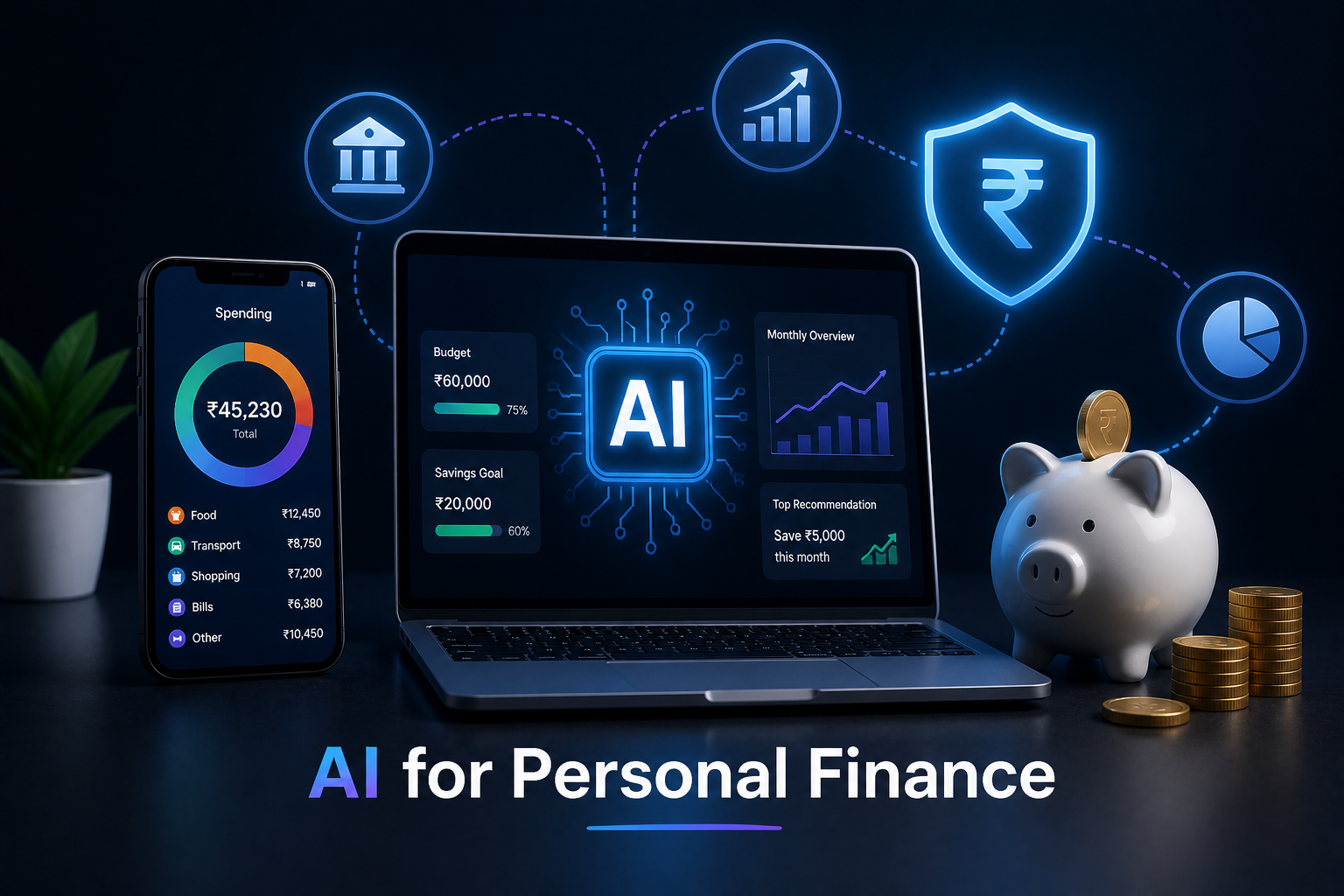
    In 2026, AI-powered personal finance is becoming one of the fastest-growing fintech trends. Artificial intelligence is helping people manage budgets, track spending, optimize investments, and make smarter financial decisions without needing professional financial advisors.

    What is AI-Powered Personal Finance

    AI-powered personal finance uses artificial intelligence to analyze financial data and provide personalized recommendations.

    These systems can:

    • Track expenses
    • Create budgets
    • Monitor investments
    • Predict spending habits
    • Suggest savings strategies

    The goal is to help individuals make better financial decisions.

    Why This Trend is Growing

    Several factors are accelerating adoption:

    • Rising living costs
    • Increased digital banking usage
    • Growth of fintech platforms
    • Better AI technology

    People want simple and efficient ways to manage their money.

    How AI Helps with Budgeting

    Modern AI tools can:

    Analyze Spending Patterns

    AI automatically categorizes expenses and identifies spending habits.

    Detect Unnecessary Costs

    Systems highlight subscriptions and purchases that may be wasting money.

    Create Personalized Budgets

    Recommendations are based on income, expenses, and financial goals.

    AI and Investing

    Investment platforms now use AI for:

    • Portfolio analysis
    • Risk assessment
    • Market monitoring
    • Automated investing

    This makes investing more accessible to beginners.

    Benefits of AI-Powered Finance

    • Better financial awareness
    • Faster decision-making
    • Automated money management
    • Improved savings habits
    • Personalized recommendations

    Challenges and Risks

    • Data privacy concerns
    • Dependence on algorithms
    • Potential inaccuracies
    • Cybersecurity threats

    Users should always verify important financial decisions.

    Impact on Traditional Financial Services

    Banks and financial institutions are increasingly integrating AI into:

    • Customer support
    • Loan evaluations
    • Fraud detection
    • Financial planning services

    The financial industry is becoming more automated.

    Future of AI Finance

    Experts predict future systems may include:

    • Fully automated financial assistants
    • AI-driven retirement planning
    • Real-time wealth management
    • Predictive financial forecasting

    Personal finance could become largely automated.

    Conclusion

    AI-powered personal finance in 2026 is helping individuals take greater control of their money through automation and intelligent insights. As technology advances, financial management is becoming simpler, faster, and more personalized.

    Final Tip

    Understanding basic financial principles remains important, but learning how to use AI financial tools effectively could become a major advantage in building long-term wealth.

  • AI Companions 2026: The Rise of Virtual Relationships & Digital Emotion

    AI Companions 2026: The Rise of Virtual Relationships & Digital Emotion

    Introduction

    In 2026, AI companions are becoming one of the most talked-about technology trends. These are intelligent virtual personalities designed to communicate, support, and interact with people emotionally. As AI becomes more advanced, digital relationships are becoming more realistic and common.

    What are AI Companions

    AI companions are virtual assistants or digital personalities powered by artificial intelligence.

    They can:

    • Hold conversations
    • Remember preferences
    • Provide emotional support
    • Simulate human interaction
    • Learn from user behavior

    Why AI Companions are Trending

    • Increased loneliness in digital society
    • Growth of advanced conversational AI
    • Demand for personalized interaction
    • AI systems becoming more human-like

    How People Use AI Companions

    Emotional Support

    Many users talk to AI companions for comfort and motivation.

    Productivity Assistance

    Some AI companions help with planning and reminders.

    Entertainment

    AI personalities are used for gaming and interactive storytelling.

    Learning and Practice

    Users practice languages and communication skills with AI.

    Benefits of AI Companions

    • 24/7 availability
    • Personalized conversations
    • Easy accessibility
    • Emotional interaction for isolated users

    Challenges and Concerns

    • Emotional dependence on AI
    • Privacy risks
    • Reduced human interaction
    • Ethical questions about digital relationships

    Impact on Society

    AI companions are changing how people interact with technology. Some experts believe they may become a normal part of daily life in the future.

    Future of AI Companions

    Future AI companions may include:

    • Realistic virtual avatars
    • Voice-based emotional interaction
    • AI integrated into wearable devices
    • Personalized digital personalities

    Conclusion

    AI companions in 2026 are reshaping the relationship between humans and technology. While they offer convenience and emotional interaction, they also raise important social and ethical concerns.

    Final Tip

    AI companions can be useful tools, but balancing digital interaction with real human relationships remains important.

  • Synthetic Media 2026: The Rise of AI-Generated Content Across the Internet

    Synthetic Media 2026: The Rise of AI-Generated Content Across the Internet

    Introduction

    In 2026, synthetic media has become one of the fastest-growing digital trends. From AI-generated videos and voices to virtual humans and automated news content, artificial intelligence is now creating media that looks and sounds real. This technology is changing entertainment, marketing, social media, and online communication.

    What is Synthetic Media

    Synthetic media refers to digital content created or modified using artificial intelligence.

    This includes:

    • AI-generated videos
    • Synthetic voices
    • Virtual avatars
    • AI-generated images
    • Automated articles and music

    Why Synthetic Media is Trending

    • AI tools are becoming more powerful
    • Content demand is increasing rapidly
    • Businesses want faster content production
    • Social media rewards constant publishing

    AI-Generated Video and Voice

    AI systems can now create realistic videos and human-like voices in minutes.

    Popular uses include:

    • Marketing videos
    • Educational content
    • Audiobooks
    • Virtual customer support

    Virtual Humans and AI Personalities

    Brands and companies are creating AI-powered virtual personalities for:

    • Customer interaction
    • Social media promotion
    • Digital entertainment

    These virtual humans can interact almost like real people.

    Benefits of Synthetic Media

    • Faster content creation
    • Reduced production costs
    • Easy scalability
    • Personalized content experiences

    Risks and Challenges

    • Spread of misinformation
    • Deepfake misuse
    • Loss of trust in digital media
    • Copyright and ownership issues

    Impact on Media Industry

    Synthetic media is transforming:

    • Film production
    • Advertising
    • Journalism
    • Content creation industries

    Traditional production methods are rapidly changing.

    Future of Synthetic Media

    Experts believe synthetic media will become more realistic and integrated into daily online experiences.

    Future possibilities include:

    • Fully AI-generated movies
    • Real-time AI news presenters
    • Personalized AI entertainment

    Conclusion

    Synthetic media in 2026 is reshaping the digital world by allowing AI to create realistic content at scale. While it offers huge opportunities, it also raises serious ethical and security concerns.

    Final Tip

    As AI-generated media grows, critical thinking and content verification will become more important than ever online.

  • AI Wearables 2026: Smart Glasses, Health Tracking & The Future of Daily Life

    AI Wearables 2026: Smart Glasses, Health Tracking & The Future of Daily Life

    Introduction

    In 2026, AI wearables are becoming one of the hottest technology trends. Smart devices are no longer limited to phones and laptops. People are now using AI-powered wearables like smart glasses, fitness bands, and health monitoring devices in everyday life.

    What are AI Wearables

    AI wearables are smart devices worn on the body that use artificial intelligence to collect data and provide real-time assistance.

    Examples include:

    • Smart glasses
    • AI fitness bands
    • Smartwatches
    • Health monitoring devices

    Why AI Wearables are Trending

    • Growing focus on health tracking
    • Advances in AI technology
    • Demand for hands-free digital experiences
    • Integration with smartphones and apps

    Smart Glasses Revolution

    Smart glasses are becoming more advanced in 2026.

    They can:

    • Display notifications
    • Translate languages in real time
    • Provide navigation assistance
    • Record videos and photos

    Many experts believe smart glasses may eventually replace smartphones for some tasks.

    AI in Health Monitoring

    Wearables now help users track:

    • Heart rate
    • Sleep quality
    • Stress levels
    • Physical activity

    AI analyzes this data and provides personalized recommendations.

    Benefits of AI Wearables

    • Better health awareness
    • Increased convenience
    • Real-time assistance
    • Improved productivity

    Challenges and Concerns

    • Privacy risks
    • Data security concerns
    • High device costs
    • Dependence on technology

    Impact on Daily Life

    AI wearables are changing how people:

    • Communicate
    • Exercise
    • Work
    • Access information

    Technology is becoming more integrated into everyday routines.

    Future of AI Wearables

    Experts believe future wearables may include:

    • Brain-controlled devices
    • AI-powered contact lenses
    • Advanced health prediction systems

    Conclusion

    AI wearables in 2026 are transforming daily life by combining health, communication, and artificial intelligence into portable devices. This trend is expected to grow rapidly in the coming years.

    Final Tip

    AI wearables are not just gadgets anymore—they are becoming part of the future digital lifestyle.

  • Space Technology 2026: Private Space Companies & The New Space Race

    Space Technology 2026: Private Space Companies & The New Space Race

    Introduction

    In 2026, space technology is becoming one of the most exciting global trends. Governments are no longer the only players in space exploration. Private companies are now competing to build rockets, satellites, and future space systems, creating a new modern space race.

    Why Space Technology is Growing

    • Rapid technological advancement
    • Increased private investment
    • Demand for satellite internet
    • Interest in future space missions

    Space is becoming a major business industry.

    Rise of Private Space Companies

    Private companies are transforming the industry by:

    • Developing reusable rockets
    • Launching satellites faster
    • Reducing mission costs
    • Creating commercial space services

    Competition is accelerating innovation.

    Satellite Internet Expansion

    One of the biggest trends is satellite-based internet.

    Benefits include:

    • Internet access in remote areas
    • Faster global connectivity
    • Improved communication systems

    This could reshape global internet access.

    Space Technology and AI

    Artificial intelligence is helping space systems by:

    • Managing satellite operations
    • Improving navigation
    • Processing space data faster

    AI is becoming essential in modern space missions.

    Future Space Missions

    Experts believe future projects may include:

    • Moon bases
    • Human missions to Mars
    • Space tourism
    • Asteroid mining

    Benefits of Space Technology

    • Better communication systems
    • Scientific discoveries
    • Economic opportunities
    • Advanced global monitoring systems

    Challenges and Risks

    • Extremely high costs
    • Space debris problems
    • International competition
    • Security concerns

    Impact on the Global Economy

    The space industry is creating:

    • New jobs
    • Investment opportunities
    • Technological innovation

    It is becoming an important economic sector.

    Conclusion

    Space technology in 2026 is entering a new era driven by private companies and advanced innovation. The modern space race is not just about exploration—it is also about business, technology, and global influence.

    Final Tip

    The space industry may become one of the biggest future markets, making it an important trend to watch closely.

  • Virtual Influencers 2026: AI Personalities Taking Over Social Media

    Virtual Influencers 2026: AI Personalities Taking Over Social Media

    Introduction

    In 2026, one of the fastest-growing social media trends is the rise of virtual influencers. These are AI-generated digital personalities that create content, interact with audiences, and even promote brands like real influencers. Many companies are now investing heavily in virtual creators.

    What are Virtual Influencers

    Virtual influencers are computer-generated characters powered by AI and digital design.

    They can:

    • Post on social media
    • Create videos and photos
    • Interact with followers
    • Promote products and services

    Some virtual influencers look almost identical to real humans.

    Why Virtual Influencers Are Trending

    • Brands want full control over content
    • AI content creation is becoming cheaper
    • Virtual personalities never face real-world scandals
    • Social media users enjoy futuristic content

    How Brands Use Virtual Influencers

    Marketing Campaigns

    Brands use them for advertising products online.

    Fashion Industry

    Virtual models showcase clothing and accessories.

    Entertainment

    AI personalities appear in music videos and digital events.

    Benefits of Virtual Influencers

    • Available 24/7
    • Fully customizable
    • No scheduling problems
    • Lower long-term management cost

    Challenges and Concerns

    • Lack of human authenticity
    • Ethical concerns about AI identity
    • Fear of replacing human creators
    • Trust and transparency issues

    Impact on Social Media Industry

    Virtual influencers are changing:

    • Influencer marketing
    • Brand collaborations
    • Content production systems

    Some human creators now compete directly with AI personalities.

    Future of Virtual Influencers

    Experts believe virtual influencers will become more advanced with realistic voices, emotions, and AI-generated conversations.

    Future possibilities include:

    • Fully AI-managed channels
    • Virtual celebrities
    • AI brand ambassadors

    Conclusion

    Virtual influencers in 2026 show how AI is reshaping the creator economy and social media industry. While they offer new business opportunities, they also raise questions about authenticity and the future of human creators.

    Final Tip

    As AI-generated personalities grow online, authenticity and originality may become even more valuable for real creators.