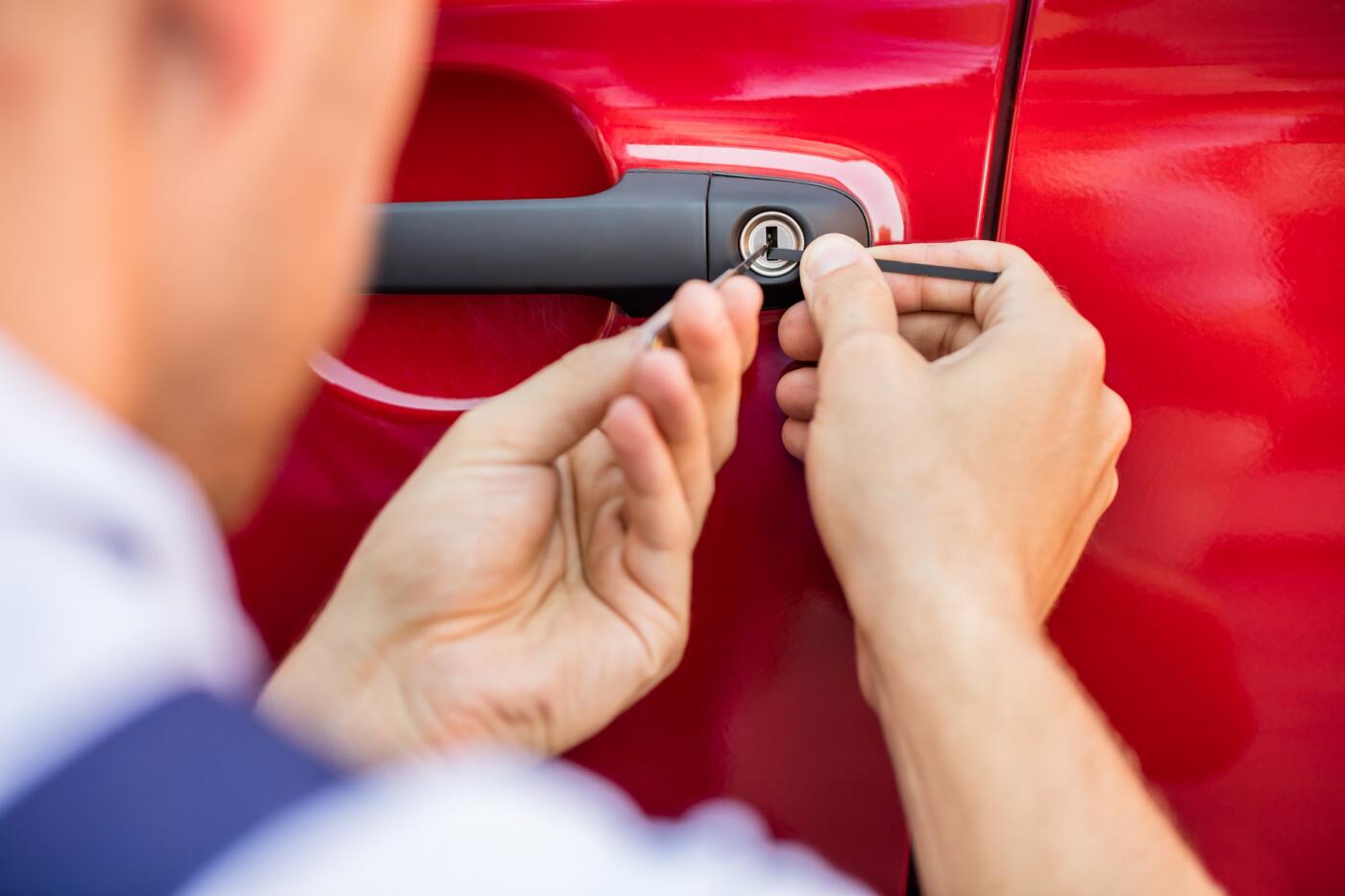
Getting locked out of a vehicle can be frustrating, especially when it happens far from home, late at night, or during bad weather. Keys may be left on the seat, locked inside the trunk, lost during an outing, or trapped inside a vehicle with a weak electronic locking system.
The most important first step is to stay calm and assess the situation. Drivers should confirm that every door and the trunk are actually locked before contacting help. Some vehicles may have one door that did not lock properly, while others may allow access through a manufacturer app or a spare key.
A car lockout kit may be useful in limited situations, but it should only be used on a vehicle the person owns or has clear permission to access. Modern doors contain wiring, airbags, weather seals, glass, and locking components that can be damaged by improper techniques.
In many cases, calling roadside assistance, a locksmith, or the vehicle manufacturer is safer than attempting to open the door manually. Professional assistance may cost more than a do-it-yourself attempt, but it can prevent damage that leads to a much larger repair bill.
A Car Unlock Kit Can Help in Certain Lockout Situations
Before attempting anything, drivers should determine whether the situation is an emergency. If a child, vulnerable adult, or pet is locked inside a hot or dangerously cold vehicle, emergency services should be contacted immediately. A vehicle’s interior temperature can change quickly, so waiting for a routine locksmith may not be safe.
When no one is in immediate danger, the driver should check for simpler solutions. Many newer vehicles have mobile apps that can unlock the doors remotely. The app may need to have been connected to the vehicle previously, but it is worth checking before arranging additional help.
Some manufacturers also offer customer-assistance services that can unlock connected vehicles. The driver may need to verify ownership, identity, or account information before the service is provided.
A spare key is another straightforward option. Drivers can contact a family member, roommate, or trusted friend who has access to the spare. Although retrieving it may take time, it is often safer and less expensive than trying to force entry.
Drivers should also check whether their auto insurance, credit card, new-car warranty, or roadside membership includes lockout assistance. Some plans cover part or all of the cost of sending a locksmith.
When professional help is contacted, the driver should be prepared to provide the vehicle’s location, year, make, model, color, and license plate number. Proof of ownership or authorization may also be requested before the vehicle is unlocked.
Unlock kits are generally intended to help trained or informed users reach an interior door control without damaging the vehicle. However, the exact procedure depends on the door design and locking system.
Drivers should avoid forcing tools through narrow gaps, applying excessive pressure to the window frame, or pulling aggressively on weather stripping. This can bend the door, break trim, damage seals, scratch paint, or interfere with side-curtain airbags.
Modern vehicles may also contain wiring and electronic components inside the door. Incorrect tool placement could damage a window motor, lock actuator, wiring harness, or sensor.
Some vehicles automatically relock themselves, which can create another problem if the key remains inside. Before attempting to retrieve the key, drivers should make sure the door will stay open and that the key can be removed safely.
Trunk lockouts can be especially difficult. Many vehicles disable the interior trunk release when the alarm or anti-theft system is active. Folding rear seats may provide access in some models, but only if the cabin has already been opened legally and safely.
A locksmith may be the best choice when the key is lost rather than simply locked inside. Depending on the vehicle, a replacement may need to be cut, programmed, or paired with the immobilizer system.
Drivers should not break a window unless emergency personnel determine that immediate entry is necessary. Broken glass can cause injuries and often costs much more to replace than professional lockout service.
After regaining access, it is helpful to determine why the lockout happened. If the key fob stopped working, its battery may need replacement. If the door lock behaves inconsistently, the actuator, wiring, or mechanical linkage may need inspection.
Roadside Preparation Can Make Emergencies Less Stressful
Preparing for a lockout before it happens can make the situation easier to handle. One of the best precautions is keeping a spare key in a secure and accessible location.
A spare should not be hidden in an obvious magnetic box underneath the vehicle, since that could create a theft risk. Leaving it with a trusted person or storing it in another secure location is generally safer.
Drivers should also save important phone numbers before an emergency. Roadside assistance, insurance support, a trusted locksmith, and the vehicle manufacturer can all be useful contacts.
A fully charged phone is important during any roadside problem. A portable charger can help when a lockout occurs after the phone battery is already low.
Lockouts sometimes happen alongside other vehicle problems. For example, a weak battery may prevent electronic locks from operating normally. Knowing how to jump start a car and carrying an appropriate portable starter can be helpful when the issue involves lost electrical power rather than a key trapped inside.
Drivers should always follow the vehicle owner’s manual before connecting a jump starter. Some vehicles use remote terminals, and incorrect connections can damage electrical systems.
If the battery is completely discharged, a mechanical key may still be available inside the key fob. Many push-button-start vehicles include a hidden key blade that can open a designated door lock.
The location of the mechanical lock may not be obvious. It can be hidden behind a small cover on the door handle. The owner’s manual explains whether the vehicle includes this feature and how it should be used.
A basic roadside kit can also include a flashlight, reflective vest, warning triangles, gloves, first-aid supplies, and emergency contact information. These items can make it safer to wait for assistance near traffic or in poor weather.
Drivers should move to a well-lit, public location when possible. If they feel unsafe while waiting, they can contact local law enforcement or enter a nearby business rather than remaining alone beside the vehicle.
It is also wise to confirm the vehicle location carefully. Parking garages, large shopping centers, and unfamiliar streets can make it difficult for a locksmith or roadside provider to find the correct car. Sharing a nearby business name, level number, row, or landmark can reduce delays.
Before purchasing supplies, searching for auto parts stores near me can help drivers locate replacement key-fob batteries, portable jump starters, flashlights, and other roadside items. Vehicle information should be confirmed before purchasing electronic or battery-related products.
Key-fob batteries are generally inexpensive and easy to store, but the correct size varies by remote. Replacing the battery before it completely fails can prevent confusion when the doors stop responding.
Drivers should also avoid leaving keys loose inside the trunk while loading groceries, luggage, or work equipment. Keeping the key in a pocket or bag until the trunk is closed can prevent an accidental lockout.
Automatic locking settings may be adjustable on some vehicles. Reviewing these settings can help drivers understand when the doors lock and whether the vehicle provides a warning when the key is left inside.
In conclusion, a vehicle lockout is easier to handle when drivers remain calm and consider the safest options first. Checking every door, using a connected app, retrieving a spare key, or contacting roadside assistance may solve the problem without risking vehicle damage.
Unlock tools should only be used on a vehicle the person owns or is authorized to access, and only when the method is suitable for that vehicle. Improper attempts can damage glass, seals, wiring, airbags, or locking components.
Keeping a spare key, charged phone, roadside contacts, and basic emergency supplies available can make future lockouts less stressful. A small amount of preparation can save time, reduce repair costs, and help drivers regain access safely.
Leave a Reply