Author: admin

  • Best Time Management Techniques for University Students

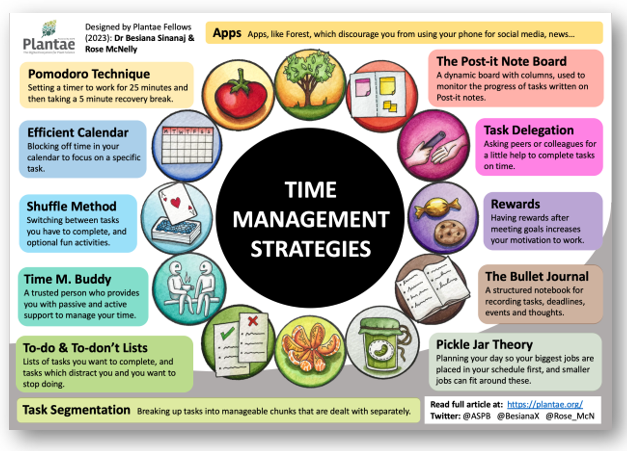
    Time in college feels both infinite and never enough. Assignments, classes, part-time jobs, and social events constantly compete for attention. Effective time management can be the difference between feeling overwhelmed and feeling in control.

    Prioritize Tasks

    Start by identifying what truly matters. Use the Eisenhower Matrix — categorize tasks as urgent, important, both, or neither. Focus on high-priority tasks first and don’t waste time on distractions.

    Plan Daily and Weekly

    Use a planner or digital calendar to schedule tasks. Break the day into study blocks, breaks, and personal time. Planning weekly helps anticipate heavy days and prevents last-minute cramming.

    Time Blocking

    Dedicate specific blocks of time for specific activities. For example, 9–11 am for lectures, 1–2 pm for review, 7–8 pm for assignments. Protect these blocks like appointments — no multitasking allowed.

    Avoid Multitasking

    Switching between tasks wastes focus and energy. Do one task fully before moving to the next. You’ll complete more in less time.

    Use the Pomodoro Technique

    Work for 25 minutes, take a 5-minute break, and repeat. After four cycles, take a longer break. This keeps your mind fresh and prevents burnout.

    Learn to Say No

    Not every invitation or opportunity deserves your time. Protect your priorities without guilt. Time is finite, and you control how to spend it.

    Final Thought

    Time management isn’t about packing every hour. It’s about prioritizing what matters, focusing on one thing at a time, and protecting your energy. With consistent practice, even busy students can get more done with less stress.
  • How to Build Consistent Study Habits in College

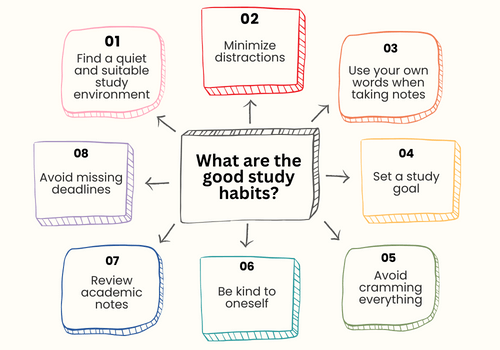
    College life is full of distractions — late-night parties, social media, group hangouts, and endless Netflix recommendations. It’s easy to plan a study session in your head and then… not follow through. The key to academic success isn’t cramming for hours occasionally; it’s building consistent study habits that stick over time.

    Start Small and Specific

    Consistency starts with small, achievable goals. Instead of saying, “I’ll study 4 hours a day,” begin with 30–60 minutes focused study sessions. Set a specific time and place — your brain starts associating that spot with work.

    Make a Study Schedule

    Create a weekly plan, but keep it realistic. Allocate specific subjects or tasks to specific days. For example, Monday evenings for math, Wednesday mornings for reading. Over time, it becomes automatic, like brushing your teeth.

    Break Tasks Into Chunks

    Studying can feel overwhelming if you try to tackle everything at once. Break chapters or assignments into smaller sections and focus on one at a time. This makes progress visible and satisfying, which reinforces the habit.

    Use Active Learning Techniques

    Passive reading isn’t enough. Try summarizing material in your own words, teaching a friend, or using flashcards. Active engagement increases retention and makes study time more effective.

    Reward Yourself

    After finishing a session, reward yourself. It could be a snack, a walk, or five minutes on social media. Small rewards create positive associations with studying.

    Track Your Progress

    Keep a journal or planner to check off completed study sessions. Seeing a streak develop builds motivation and reinforces the habit.

    Final Thought

    Building consistent study habits isn’t about willpower alone; it’s about creating routines, breaking tasks into manageable chunks, and gradually reinforcing behavior. Start small, stay patient, and watch consistency become part of your college life.