Author: admin

  • Combining Reading and Practice for Deeper Knowledge

    In the world of learning, there’s a tendency to think that reading alone is enough. You know, sit down with a thick textbook, highlight a few lines, maybe scribble a note or two, and magically, knowledge sticks. But the truth? It rarely does. Knowledge gained solely from reading often floats around in our minds, disconnected from practical reality. It’s like learning to swim by reading a book about swimming—fun idea, but it won’t stop you from sinking when you hit the water. That’s where practice comes in. But even practice alone, without the guidance of solid knowledge, can become repetitive or misguided. The real magic? Combining reading and practice in a way that reinforces both.

    The Power of Reading

    Reading is the foundation. It gives context, frameworks, and the mental map of what you’re about to explore. Take learning a programming language, for example. Reading the theory, syntax rules, and understanding algorithms forms a base. You start to see the patterns, the “why” behind each step, and this mental structure is crucial. Without it, practice can feel aimless.

    But here’s the thing: just reading won’t make you proficient. It’s passive. You can highlight pages, write notes, even discuss the content with friends, but if your brain never actively applies what you’ve absorbed, retention drops off fast. This is why reading alone often leads to what’s called the “illusion of knowledge”—you think you understand because you recognize the words, but when tested, you can’t recall or apply them.

    The Role of Practice

    Practice, on the other hand, is active. It forces your brain to retrieve, apply, and adapt knowledge. It’s where mistakes become your teachers. Consider playing a musical instrument. You can read hundreds of pages about scales, chords, and finger techniques, but until your fingers hit the keys or strings, that knowledge is just potential energy. Practice transforms it into real, usable skill.

    But here’s the twist: practice without reading can be inefficient. You may be doing exercises incorrectly without realizing it. Or you might plateau because you don’t understand the underlying principles that make the techniques work. Practice without reading can sometimes be like running in circles—it builds endurance but not necessarily skill.

    Why Combining Both Works

    So, why is combining reading and practice so effective? Well, it’s about creating a feedback loop. Reading introduces concepts, methods, and strategies. Practice tests those ideas in the real world. And here’s the kicker: after practicing, revisiting the reading material makes it more meaningful. Suddenly, abstract concepts click because you’ve seen them in action.

    Let’s take an example from mathematics. You read about solving quadratic equations. You understand the formula, the steps, and maybe even the derivation. Then you try to solve a set of problems. At first, it might be messy. You make mistakes. But each mistake tells you something your reading never could—it shows the gaps in understanding. Then you go back, reread, and the theory starts making more sense. Over time, this cycle of reading, practicing, reflecting, and re-reading solidifies knowledge far deeper than either could alone.

    Techniques to Combine Reading and Practice

    1. Chunk Learning: Break your reading into manageable sections. Don’t try to read an entire chapter and then practice. Read a section, then immediately apply it. This keeps your brain engaged and reinforces learning while the material is fresh.
    2. Active Note-Taking: Don’t just highlight. Write questions, summarize in your own words, sketch diagrams. These notes become your guide when practicing, making the connection between theory and application stronger.
    3. Reflective Practice: After practicing, spend a few minutes reflecting. Ask yourself: what worked, what didn’t, why? This reflection helps identify areas where reading more deeply could help.
    4. Spaced Repetition: Reading once isn’t enough. Combine practice with spaced repetition. Revisit material periodically, and practice again. This method is scientifically proven to strengthen long-term memory.
    5. Interleaved Practice: Mix topics during practice sessions instead of focusing on one at a time. This may feel harder, but it improves problem-solving and adaptability. Reading ahead on each topic ensures you’re not practicing blindly.

    Real-World Applications

    This approach isn’t just theoretical. Professionals in almost every field use it, consciously or not. Chefs read recipes, techniques, and flavor science, then experiment in the kitchen. Athletes study strategies, biomechanics, or past game footage and then train their bodies accordingly. Even in academics, the most successful students don’t just memorize textbooks—they solve problems, write essays, and test themselves repeatedly.

    A personal example: learning a new language. You can read grammar books, vocabulary lists, and even literature, but unless you speak, write, or listen actively, retention is shallow. Pairing reading with conversational practice, journaling, or listening exercises creates a holistic understanding. Mistakes made while practicing highlight gaps in reading knowledge, creating a loop of continuous improvement.

    Psychological Insights

    The combination of reading and practice also aligns with how our brain learns. Cognitive science tells us that active recall and deliberate practice strengthen neural connections more than passive reading alone. When you practice, you’re forcing your brain to retrieve and apply information—this strengthens memory and understanding. Reading primes your brain with the necessary scaffolding, making practice more effective and less frustrating.

    Moreover, seeing progress through practice increases motivation. Reading can feel abstract, sometimes tedious. Practicing gives immediate feedback, small wins, and tangible progress, which fuels further reading and learning.

    Conclusion

    Learning isn’t about choosing between reading or practice—it’s about blending the two seamlessly. Reading provides structure, theory, and context; practice transforms that theory into skill and insight. Together, they create a cycle where knowledge deepens with each iteration.

    If there’s a takeaway here, it’s this: don’t just read. Don’t just practice. Combine them. Read a bit, try a bit, reflect, and then repeat. Knowledge doesn’t just stick in your brain when you consume it; it sticks when you wrestle with it, apply it, fail at it, and try again. That’s how learning becomes real, and that’s how mastery begins.


  • How to Apply What You Learn in Real-Life Situations

    Learning is easy. Applying what you learn? That’s the real challenge. Many of us spend hours reading, watching, or listening to content, but when it comes to using that knowledge, we hesitate, procrastinate, or even forget it. The truth is, knowledge without application is almost useless. To truly grow, you need to bridge the gap between theory and practice. But how exactly do we do that? Let’s dive in.

    1. Understand Before You Apply

    Before you can use knowledge, you must understand it deeply. It’s not enough to just memorize facts or steps. For example, you can learn how to solve a math problem by copying steps from a book, but unless you understand why each step works, you’re unlikely to solve slightly different problems in real life.

    Understanding means questioning, testing, and sometimes even failing. Ask yourself: “Why does this work? What happens if I change this?” Doing this forces your brain to make connections rather than just store information. The more connections you make, the easier it becomes to recall and apply your learning in real-life situations.

    2. Start Small

    Many people think that applying what they learn means jumping straight into big projects or making drastic changes. That’s a mistake. Small, consistent steps are more effective.

    For instance, if you’re learning a new language, start by using new words in your daily conversation instead of trying to write an entire essay right away. If you’re learning time management, experiment with one technique at a time, like using a timer for focused work sessions, rather than overhauling your entire routine.

    Small steps reduce overwhelm, help you build confidence, and allow you to see progress quickly—which motivates you to continue.

    3. Create Real-Life Scenarios

    One of the most powerful ways to apply knowledge is to simulate real-life situations. Pretend you’re in a scenario where your new skill is needed.

    For example, if you’re learning negotiation skills, practice with a friend pretending to sell you something. If you’re learning coding, create a small project that solves a real problem you have. These scenarios don’t need to be perfect; they just need to mimic reality enough to give you practice.

    By doing this, you’re not just reading or listening—you’re actually doing, which strengthens your ability to transfer knowledge into real-world situations.

    4. Reflect and Adjust

    Application isn’t a one-time thing. Every attempt gives you feedback, and that feedback is gold. After you try something, take a moment to reflect: What worked? What didn’t? How can you improve next time?

    Reflection allows you to learn from mistakes and reinforces what you did right. It turns every failure into a stepping stone rather than a roadblock. Over time, these small reflections accumulate, making your application smarter and more effective.

    5. Teach What You Learn

    One of the most underrated ways to apply knowledge is to teach it to someone else. When you explain something, you’re forced to organize your thoughts and clarify concepts, which deepens your understanding.

    Imagine you’ve learned a new marketing technique. Instead of keeping it to yourself, explain it to a friend, write a blog post, or create a short video tutorial. Teaching forces you to translate theory into practical, digestible steps—and that’s exactly what real-life application is all about.

    6. Connect Learning to Your Goals

    Application becomes far easier when your learning is aligned with your personal or professional goals. If you learn something without context, it’s easy to forget or ignore it.

    Ask yourself: “How does this help me in my life?” For example, learning financial management is abstract unless you’re trying to save for a big goal, like buying a house. Learning public speaking is more meaningful if you’re preparing for meetings, interviews, or presentations.

    By connecting learning to your goals, you create natural opportunities to apply it—your motivation is built-in.

    7. Build Habits Around Application

    Knowledge is fleeting unless it becomes part of your habits. Consistency is key. You can learn the best productivity strategies, but if you never integrate them into your daily routine, nothing changes.

    Start by identifying tiny actions that you can repeat daily. If you’re learning about mindfulness, spend five minutes meditating each morning. If you’re learning about networking, reach out to one new person a week. Over time, these small actions compound and turn into lasting change.

    8. Embrace Trial and Error

    One reason many people fail to apply knowledge is fear of failure. They think they have to be perfect from the start. But real-life application is messy. You will make mistakes—and that’s okay. Mistakes are actually a critical part of learning.

    For example, if you’re learning to cook, you might burn a dish or use the wrong spice. Each mistake teaches you something new, helping you adjust your approach next time. Embracing trial and error removes the fear and makes application a natural part of learning.

    9. Use Tools and Resources

    Sometimes applying knowledge requires external support. Don’t hesitate to use tools, apps, or guides that can help you implement what you’ve learned.

    For instance, if you’re learning a new language, use language apps or join a speaking group. If you’re learning design, use design software and online tutorials to practice. The key is to make application easier and more accessible—don’t rely on memory alone.

    10. Make It Social

    Humans are social creatures, and learning often sticks better when it’s shared. Find communities, clubs, or groups where your skill or knowledge is valued. Sharing your progress, asking for advice, and seeing others’ applications can inspire and guide your own efforts.

    Social accountability also helps. If you’ve promised to share your project or results with a group, you’re more likely to follow through. This adds another layer of practical application that’s difficult to achieve alone.

    Conclusion

    Learning without action is like filling a bucket with holes. No matter how much you pour in, it leaks away. The secret to truly benefiting from your learning lies in consistent, practical application. Understand deeply, start small, create scenarios, reflect, teach, connect to goals, build habits, embrace mistakes, use resources, and engage socially.

  • How to Turn Fear into Fuel for Personal Success

    How to Turn Fear into Fuel for Personal Success

    We all feel it.
    That tightness in your chest before a big decision.
    The racing thoughts that whisper — what if I fail?
    Fear. It’s ancient, wired deep in our DNA. Meant to protect us. But in today’s world, it often does the opposite — it stops us.

    But here’s the thing: fear doesn’t have to be the enemy. In fact, it can be one of the strongest motivators you’ll ever have — if you learn how to use it right. Turning fear into fuel isn’t about pretending it’s not there. It’s about redefining your relationship with it.

    Let’s break that down.

    1. Understand What Fear Really Is

    Fear isn’t weakness.
    It’s data. It’s your brain saying, “Hey, something here matters.”

    Most people think fear means stop. But fear often just means pay attention. It’s an emotional signal that you’re standing at the edge of something meaningful — growth, change, risk.

    Neuroscientists call it the “amygdala response” — that little almond-shaped part of your brain that goes into overdrive when it senses threat. But the modern “threat” isn’t a tiger. It’s public speaking. Starting a business. Quitting your job.

    The trick is learning to listen without obeying.
    Notice the fear, but don’t let it drive.

    2. Shift the Narrative: Fear = Energy

    Every emotion we feel is just energy. Fear included.
    When you reframe fear as energy rather than danger, it becomes something you can channel.

    Think about athletes before a big game. They’re nervous. Heart pounding. Sweaty palms. But they don’t say, “I’m scared.” They say, “I’m pumped.”
    Same physical symptoms. Different labels.

    You can do the same in your own life.
    That nervous buzz before a presentation? That’s not fear — that’s adrenaline giving you focus.
    That uncertainty before a big leap? That’s your body gearing up for something new.

    Try this small mental shift:
    Instead of saying “I’m scared,” say “I’m ready.”
    It sounds simple, but it rewires the emotional meaning behind your experience.

    3. Get Curious Instead of Paralyzed

    When fear hits, we often freeze. Overthink. Overanalyze.
    But curiosity is fear’s antidote.

    Ask yourself questions like:

    • What’s the worst that could really happen?
    • What’s the best that could happen?
    • What might I learn from this even if I fail?

    When you get curious, your brain switches from reactive mode to creative mode.
    Suddenly, the unknown becomes less like a monster and more like a mystery to explore.

    That shift alone can turn fear into a compass — pointing you toward the things that matter most.

    4. Make Micro-Moves Toward What Scares You

    Courage isn’t the absence of fear. It’s fear walked one small step at a time.

    You don’t have to leap off cliffs to grow.
    You just have to keep moving — even if it’s inch by inch.

    If fear tells you “don’t,” take that as your cue to do, but in a small, safe way.
    Afraid to start a podcast? Record one short, messy episode just for yourself.
    Scared of rejection? Send one email. Apply for one job. Talk to one person.

    Every tiny action tells your brain: see, that didn’t kill me.
    And over time, fear loses its power.
    Because you’ve proven you can act in spite of it.

    5. Turn Fear Into Focus

    Fear sharpens attention. Use it.

    When you’re scared of failing, your senses heighten. You notice details. You prepare more carefully. You plan better.
    That’s not panic — that’s performance fuel.

    The key is not letting that heightened awareness slip into self-doubt. Instead, channel it into action:

    • Use fear to double-check your plan, not to destroy it.
    • Use fear to motivate extra effort, not to paralyze it.
    • Use fear to remind you that what you’re doing actually matters.

    Great artists, leaders, athletes — they all use fear as focus. It keeps them humble. Sharp. Alive.

    6. Rewrite the Story You Tell Yourself

    At the heart of it all, fear is about the story.
    “I’m not ready.”
    “I’ll embarrass myself.”
    “I’m not good enough.”

    These are narratives we repeat until they feel like facts.

    But what if you rewrote the script?
    What if the story became:
    “I’m learning.”
    “I’m growing.”
    “I’m scared — and that means I’m doing something brave.”

    Language shapes emotion. The way you describe fear to yourself directly changes how your body reacts to it.
    So, talk to yourself the way you’d talk to a friend who’s scared — with honesty, patience, and a little bit of faith.

    7. Learn From the Fear, Don’t Run From It

    Here’s a truth few people talk about: fear is often right — but not in the way you think.
    It’s not saying, “don’t do this.” It’s saying, “prepare for this.”

    Every fear holds a lesson. Maybe you’re afraid of public speaking because deep down you value being heard. Maybe you fear failure because you care about the outcome.
    If you dig beneath the fear, you’ll find the value it’s protecting.

    And once you understand that, you can work with it instead of against it.

    8. Remember: Fear Is Proof You’re Growing

    If you’re comfortable all the time, you’re not growing.
    Fear is the side-effect of stepping out of your comfort zone.

    Think about it: when was the last time you were proud of something that didn’t scare you first?
    Exactly.

    The butterflies, the trembling hands, the doubts — they’re signs you’re evolving.
    So the next time you feel fear creeping in, smile at it. Say, thanks for the reminder — I’m on the right track.

    Final Thoughts

    Fear doesn’t disappear. It transforms.
    It’s not the darkness you fight — it’s the spark that lights the way.

    Turning fear into fuel for personal success isn’t about pretending to be fearless. It’s about becoming familiar with fear — learning its rhythm, hearing its voice, and using its energy to build something bigger than your comfort zone.

    So, take the leap. Even if your voice shakes. Even if your hands tremble.
    Because the truth is simple — fear is just excitement without breath.And once you learn to breathe through it, you’ll realize it was never holding you back.
    It was waiting to push you forward.

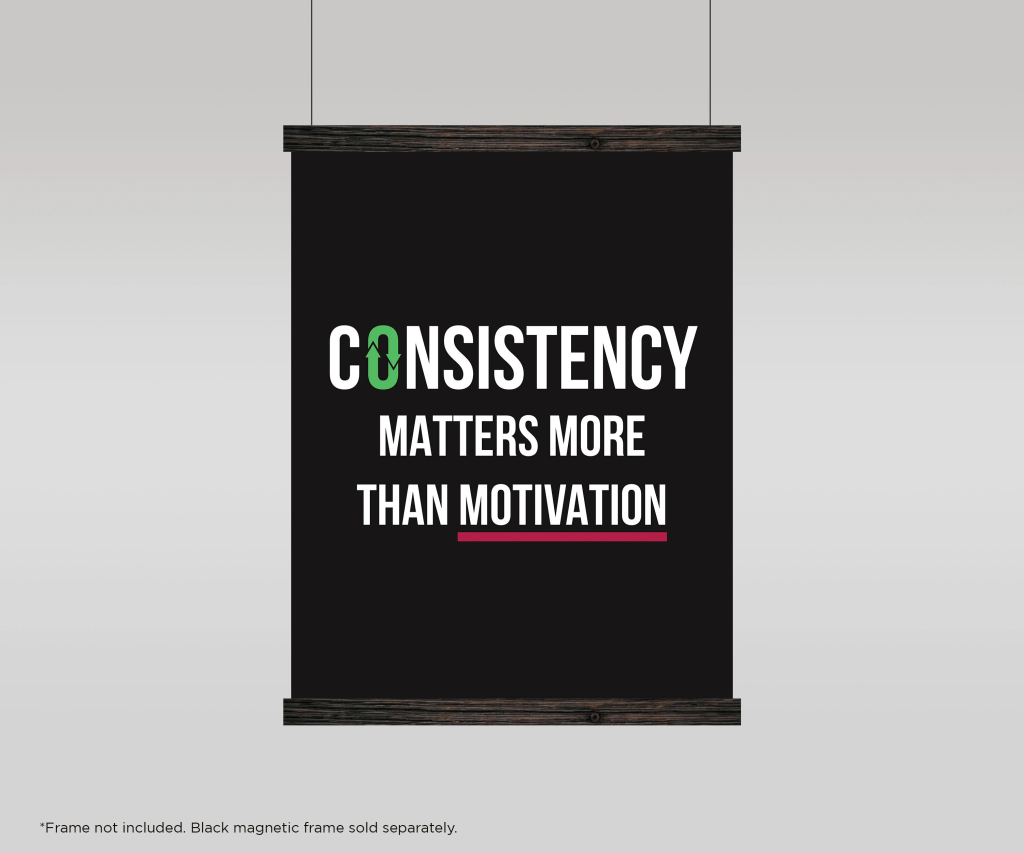
  • Why Consistency Matters More Than Motivation

    You know that feeling when you wake up one morning full of energy, ready to conquer the world? You tell yourself, this is it. You’re finally going to get in shape, start that side hustle, or write that book you’ve been talking about for years.
    And for the first few days, it’s great. You’re on fire.
    Then — a week later — it’s gone. The fire dies out. You’re tired, distracted, or just “not feeling it.”

    That’s motivation. It’s powerful, but temporary. It comes and goes like the weather. And that’s exactly why consistency beats motivation every single time.

    Motivation Is a Spark, Not a Fuel Source

    Motivation feels amazing — it’s what gets us started. It’s the rush that makes us believe change is possible. But here’s the truth: motivation is unpredictable. It fades when life gets busy, when things get hard, or when you stop seeing results right away.

    That’s where consistency steps in.
    Consistency isn’t glamorous. It’s waking up early even when you didn’t sleep well. It’s showing up for your goals when no one’s watching. It’s doing the small, sometimes boring stuff — over and over — until it becomes part of who you are.

    Think of it like brushing your teeth. You don’t do it because you’re wildly motivated to. You do it because it’s part of your routine. You know if you skip it long enough, things get messy.
    Consistency makes progress inevitable. Motivation just makes it exciting in the beginning.

    Why We Rely Too Much on Motivation

    We’ve been conditioned to chase motivation.
    Social media, self-help books, those “rise and grind” videos — they all feed this idea that if you’re not pumped to do something, you’re doing it wrong.
    But the truth?
    The people who actually reach their goals aren’t hyped up 24/7. They’re the ones who keep showing up, even when it’s boring, uncomfortable, or hard.

    Motivation depends on your emotional state. Consistency doesn’t care how you feel.
    You can’t control how motivated you’ll feel tomorrow morning, but you can control whether you stick to your plan.

    The Science Behind Consistency

    Psychologists have studied this for years. Motivation comes from a mix of dopamine (the reward chemical) and emotional energy. But the brain adapts. When you do something new, it releases more dopamine. Over time, the excitement fades, and your brain wants something new again — that’s why it’s so hard to stick with habits.

    Consistency, on the other hand, rewires your brain through habit formation.
    When you repeat an action regularly, your brain starts shifting that behavior from your prefrontal cortex (the thinking part) to your basal ganglia (the habit center).
    That means it takes less mental effort to keep doing it. It becomes automatic.

    So, in short: motivation lights the match, but consistency keeps the fire burning.

    Small Steps Add Up Faster Than You Think

    Here’s the tricky part — people overestimate what they can do in a week and underestimate what they can do in a year.
    Consistency compounds, just like money in a savings account. Tiny, regular actions build massive results over time.

    • You don’t need to write a whole chapter a day. Just write for 15 minutes.
    • You don’t have to run 10 miles. Start with one.
    • You don’t need to meditate for an hour. Try five minutes.

    When you show up daily, even in small doses, you start to trust yourself more. That trust builds momentum — and that’s way more powerful than fleeting motivation.

    Consistency Builds Discipline (and Discipline Creates Freedom)

    Most people think discipline means being strict or miserable. But it’s the opposite.
    Discipline is freedom. It’s the ability to rely on yourself — to know that even when things get messy, you’ll keep going.
    Consistency builds that muscle. Every time you choose to act instead of wait for motivation, you’re strengthening your self-control. Over time, you stop needing motivation altogether.

    Think of athletes, writers, entrepreneurs — none of them feel inspired every single day. They succeed because they’ve built systems and habits that don’t rely on how they feel in the moment.

    How to Stay Consistent When Motivation Dies

    Let’s be honest — staying consistent is hard. There will be days when you slip, when life hits, when you just don’t want to do it. That’s normal. The key is to not let one missed day turn into a lost week.

    Here’s what actually helps:

    1. Start ridiculously small. Build the habit first, scale later.
    2. Track your progress. Even tiny wins keep your brain hooked.
    3. Have a “bare minimum” rule. Do something, even if it’s just 5 minutes.
    4. Make it visible. Keep reminders where you’ll see them — sticky notes, phone wallpapers, whatever works.
    5. Be patient. Growth takes time. Motivation fades fast; habits take root slowly.

    Final Thoughts

    Motivation might get you started, but consistency keeps you going when the excitement fades.
    It’s the quiet, often invisible effort that builds real change — one day, one step, one choice at a time.

    If motivation is the spark, consistency is the engine.
    And if you can learn to keep that engine running — even slowly, even imperfectly — you’ll go farther than anyone waiting for the perfect wave of motivation to hit.So, don’t chase motivation. Build consistency.
    That’s where the real magic happens.

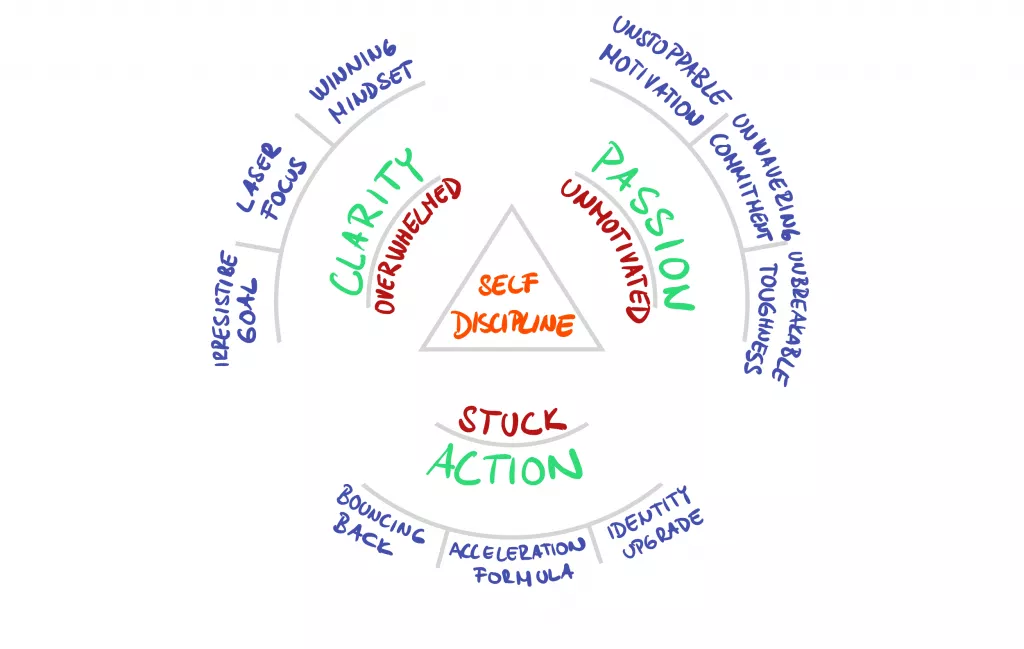
  • How to Build Motivation Through Self-Discipline

    You know, I used to believe motivation was the secret sauce for success. Those energetic bursts when you feel unstoppable — that’s what I thought made people achieve things. But the truth hit me hard one morning when I woke up, stared at my to-do list, and just didn’t feel like doing anything. My motivation was gone, like a friend who suddenly stopped answering texts. And that’s when I realized — if I kept depending on motivation alone, I’d never get anywhere.

    What really keeps you going isn’t motivation. It’s self-discipline.

    It took me years to really understand that. I always thought discipline was something strict or robotic — like waking up at 5 a.m. and drinking green smoothies (which I still can’t stand, by the way). But discipline, I’ve learned, is actually more like a quiet agreement you make with yourself. A promise that says, “I’ll do what needs to be done, even when I don’t feel like it.”

    And funny enough, once you get that part right, motivation starts to show up more often — not the other way around.

    The Misleading Nature of Motivation

    Motivation is great, don’t get me wrong. It’s that spark that makes you start a new workout, launch a side project, or clean your messy room. But the problem is — it fades. Always. It’s like sugar — gives you a rush, then drops you flat.

    When we rely on motivation alone, we live in cycles of extremes. You feel excited for a week, maybe two. Then one bad day hits, and suddenly everything feels pointless. That’s where self-discipline quietly saves you. It’s the steady, boring, reliable engine that keeps the car moving when motivation’s gas tank runs empty.

    For me, the shift began when I stopped asking, “Do I feel like doing this today?” and started asking, “What would the disciplined version of me do right now?”

    Building Self-Discipline (Even When You Don’t Have Any)

    Let me be honest — self-discipline doesn’t come naturally to most of us. I wasn’t born with it. I had to build it, brick by brick, through little daily choices that honestly felt insignificant at first.

    Here’s how I started — and how you can too.

    1. Start Ridiculously Small

    When I first tried to “get disciplined,” I made the classic mistake of overloading myself. I set ten new habits at once: waking up early, working out, journaling, reading… and within a week, I’d quit all of them.

    The truth is, your brain hates change. It fights it like a toddler resisting bedtime. So start tiny.
    Like, “I’ll do five pushups,” or “I’ll write for five minutes.” It sounds stupidly small, but that’s the point. You want to build consistency, not perfection.

    And what happens is, once you start — even small — momentum builds naturally. One small win leads to another.

    2. Set Clear, Boring Routines

    People underestimate how powerful routine is. When your brain knows what comes next, it stops negotiating.

    I used to waste so much time debating with myself — “Should I work now or after lunch?” — until I made a strict schedule. I told myself, “I start writing at 9 a.m., no questions asked.”

    It’s funny — once something becomes part of your identity, like brushing your teeth, it stops feeling like effort. That’s the real magic of discipline: you don’t think about it anymore. You just do it.

    3. Be Kind to Yourself When You Mess Up

    Here’s a big one. You’re going to mess up. You’ll miss workouts. You’ll procrastinate. You’ll scroll social media instead of doing what matters.

    And that’s okay. Seriously.

    The worst thing you can do is beat yourself up. Discipline isn’t about perfection — it’s about returning to the path faster each time you fall off. I used to quit entire habits after one bad day because I thought I’d “failed.” Now I just tell myself, “Alright, that was a rough day. Tomorrow we’re back.”

    That small shift — from guilt to grace — changed everything for me.

    4. Tie Discipline to Something Deeper

    If you’re only disciplined because you “should be,” it won’t last. You need a why that’s emotional.

    For me, it was realizing I didn’t want to live my life half-asleep. I didn’t want to keep breaking promises to myself. I wanted to become the kind of person who could trust his own word.

    That’s what discipline really builds — self-respect. And once you have that, motivation becomes a side effect.

    How Self-Discipline Creates Real Motivation

    Something strange happens when you stay disciplined long enough. At first, it’s hard. Every task feels heavy. But after a few weeks of showing up — even imperfectly — you start noticing small wins.

    You feel proud. You start trusting yourself more.
    And that feeling — that quiet confidence — that’s motivation.

    See, motivation doesn’t come from pep talks or YouTube videos. It comes from evidence. Every time you keep a promise to yourself, your brain says, “Hey, maybe I can actually do this.”

    That’s when motivation becomes internal — not just a fleeting emotion, but a belief system.

    A Real-World Example

    Let me give you something real.

    A few years ago, I decided to get back into shape. I hadn’t worked out in ages, and the thought of going to the gym was terrifying. So I started small: 10 minutes a day at home. That’s it. No fancy equipment.

    At first, I hated it. Every day felt like dragging myself through mud. But I told myself, “Just show up. Don’t think, just move.”

    After two weeks, I noticed something weird — I wanted to do it. That spark of motivation had finally come back, but it only appeared after I’d built the discipline to show up without it.

    That’s when it hit me: discipline builds motivation, not the other way around.

    Final Thoughts

    I think we all want that feeling of being motivated — that fire that makes life feel easy. But life isn’t always easy. Some days, you’ll wake up tired, uninspired, and lost. And that’s okay.

    Because discipline is what carries you through those days. It’s not glamorous. It’s not exciting. But it’s what separates the dreamers from the doers.

    So if you’re trying to build motivation right now, maybe stop chasing the feeling. Instead, focus on showing up — just a little — every single day.

    The more you honor your own word, the more motivation will find its way back to you.

    And when it does, you’ll realize — it was never gone. It was waiting for you to prove you were serious.

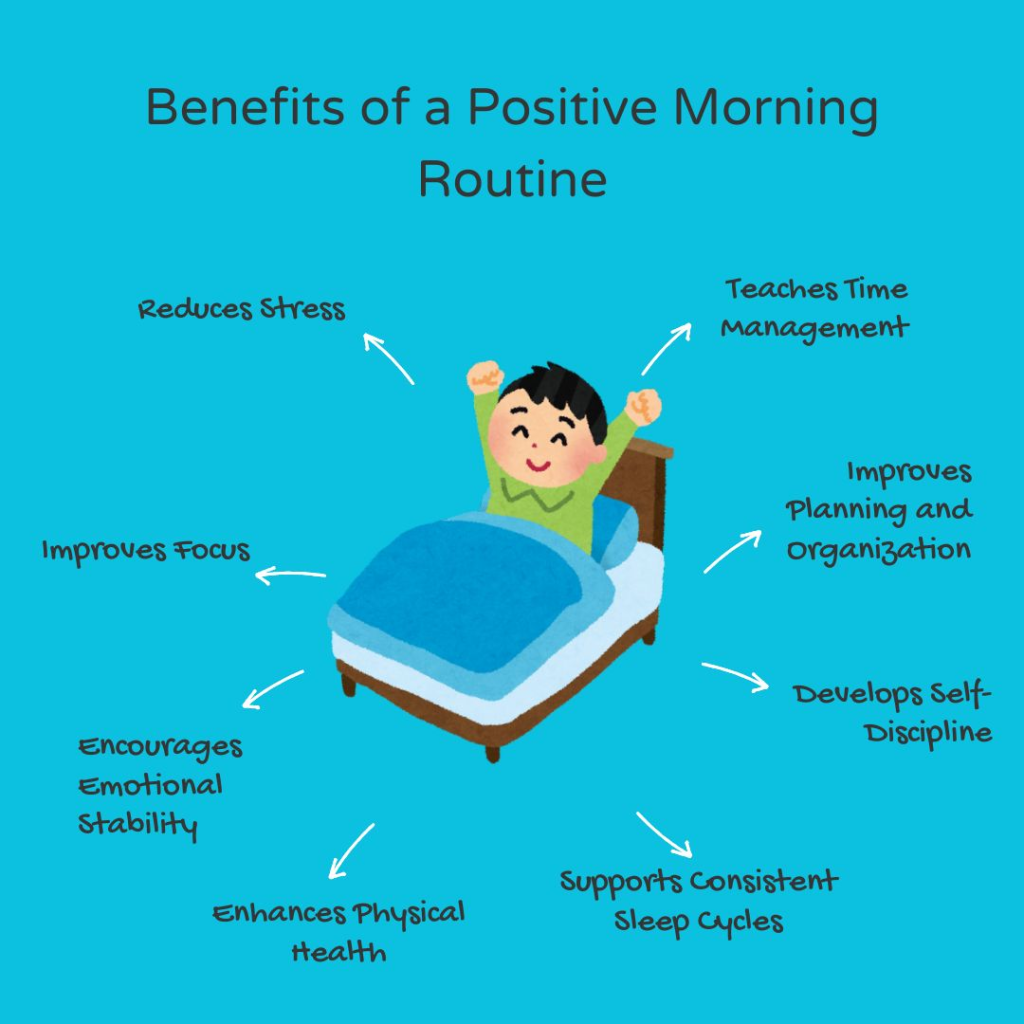
  • Using Morning Routines to Strengthen Motivation

    Let’s be honest. Mornings can feel… heavy.
    That blurry moment when the alarm goes off and your brain argues with itself — “five more minutes” — it’s familiar. But here’s the truth: how you spend those first few minutes after waking up can quietly build (or break) your motivation for the entire day.

    Many people think motivation just appears. Like some spark that lights up out of nowhere. But research — and a lot of real-world experience — says otherwise. Motivation isn’t something you find. It’s something you build, and morning routines are one of the most powerful tools to do it.

    1. Why Morning Routines Actually Matter

    Let’s start with something simple: your brain craves structure.
    When you wake up at the same time, perform the same set of actions — stretching, journaling, sipping your coffee — you’re training your mind to expect progress. It’s like setting up small dominoes that eventually lead to bigger wins.

    According to behavioral psychologist BJ Fogg, tiny habits stacked together can create lasting behavior change. In the morning, this means the smallest actions — making your bed, opening the curtains, even drinking a glass of water — trigger a sense of accomplishment. That little “win” gives your brain dopamine. And dopamine? That’s motivation fuel.

    2. Morning Routines Reduce Decision Fatigue

    You know that mental fog when you can’t decide what to wear, what to eat, or what to do first? That’s called decision fatigue, and it drains motivation fast.

    When your morning has a rhythm, you’re not wasting energy on tiny decisions. You’re preserving willpower for things that actually matter. Think of it this way — if you spend the first hour of your day wrestling with your own thoughts, by noon, your motivation tank is half empty.

    People like Steve Jobs and Barack Obama famously wore similar clothes every day. It wasn’t laziness — it was strategy. They eliminated minor choices to focus their energy on what moved them forward.

    3. Building Momentum Before You Touch Your Phone

    This might sting a bit — but the fastest way to kill your motivation is to check your phone first thing in the morning.

    The moment you dive into notifications, you’re letting other people’s priorities set your tone. Messages, social media, news — they hijack your mental focus before you’ve even had coffee.

    Try something different. Leave your phone facedown for the first 30 minutes. Use that time to connect with yourself instead of the digital noise. A short walk, quiet breathing, writing a few lines of gratitude — it doesn’t need to be fancy. What matters is that you take control of your attention before the world grabs it from you.

    4. Movement Wakes Up More Than Your Muscles

    Exercise in the morning isn’t about burning calories. It’s about creating energy.

    Studies from Harvard and Stanford both show that even ten minutes of light movement — stretching, yoga, or a brisk walk — can boost alertness, improve focus, and elevate mood. Basically, it tells your brain: “We’re awake, and we’re doing something.”

    It doesn’t have to be intense. You don’t need to run five miles before sunrise. Just move. Even rolling your shoulders, standing tall, breathing deeply — these micro-actions reset your nervous system. Motivation flows more easily when your body feels alive.

    5. The Power of Intentional Reflection

    A lot of people underestimate journaling, but it’s secretly one of the most effective motivation tools you can have.

    Spend five minutes writing down three things:

    1. What you’re grateful for
    2. What you want to accomplish today
    3. Why it matters

    This last part — the why — is everything. Motivation fades when we lose connection to purpose. By reminding yourself every morning why you’re doing what you’re doing, you reconnect to that inner drive.

    And if journaling sounds too much like homework, no problem. You can even just think it through while sipping coffee. The goal isn’t perfection; it’s awareness.

    6. Morning Routines as Identity Builders

    Here’s something that most people miss: routines aren’t just about actions — they shape identity.

    Every time you follow through with your morning habits, you’re proving to yourself that you’re the kind of person who shows up. Over time, that identity becomes self-reinforcing. You don’t just do productive things — you become a productive person.

    Motivation that’s built on identity lasts longer than motivation built on hype. It’s quiet, steady, reliable. Like a muscle you’ve trained over time.

    7. When It Doesn’t Go Perfectly — That’s Okay

    Let’s get real. Some mornings just don’t go to plan. You oversleep, spill coffee, skip the workout. And that’s fine. Motivation isn’t about being perfect — it’s about coming back.

    The key is flexibility. If your routine feels like a prison, it’s not working for you. A strong morning routine should support your life, not control it. Adjust it when needed. The point is consistency, not rigidity.

    8. Putting It All Together

    Here’s a simple example of a morning routine that builds motivation:

    • Wake up and drink water (signal to your brain: the day begins).
    • Open curtains or step outside (natural light = instant alertness).
    • Do 5–10 minutes of movement.
    • Write 3 short notes in a journal (gratitude, goals, purpose).
    • Have breakfast or coffee without your phone.
    • Review one key goal for the day.

    That’s it. 20–30 minutes total. But the ripple effect is huge.

    Final Thoughts

    Motivation isn’t something you chase; it’s something you prepare for.
    Your morning routine is like the ignition key to your mindset. When you craft those early hours with intention — even in small ways — you’re setting the tone for how you’ll face challenges, decisions, and distractions throughout the day.

    And remember, it’s not about becoming some ultra-optimized version of yourself overnight. It’s about building tiny rituals that remind you, “I’m capable. I’m in control. I’m moving forward.”

    That’s what real motivation feels like — quiet, steady, and earned one morning at a time.

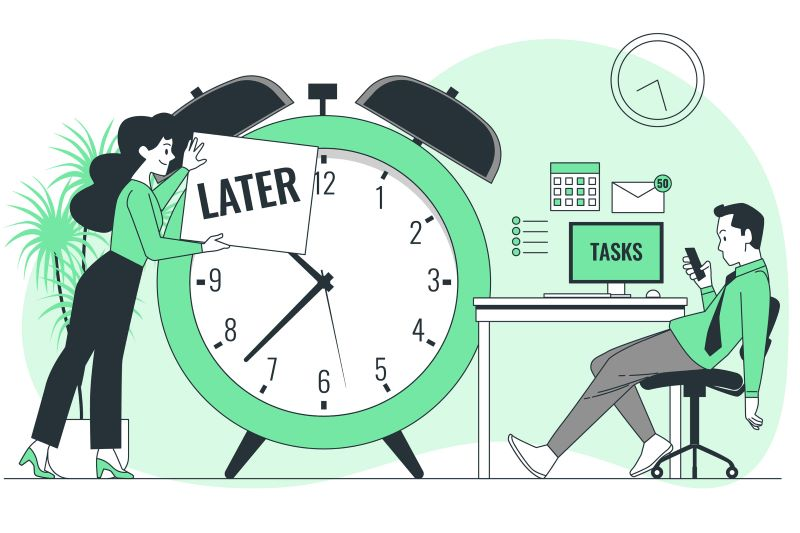
  • How to Overcome Procrastination with Mindset Shifts

    Let’s be honest.
    We’ve all been there. Sitting in front of a screen, knowing exactly what needs to be done… and somehow, doing everything else instead. Checking emails. Watching “just one” YouTube video. Suddenly cleaning the kitchen like our life depends on it.

    It’s not that we’re lazy. That’s the biggest misconception about procrastination. The truth is, procrastination is rarely about time management. It’s about mindset — how we think, how we feel, and how we react to discomfort.

    Let’s dig into the real reason behind procrastination and, more importantly, how a few key mindset shifts can help you finally get unstuck.

    1. Understand What Procrastination Really Is

    Here’s the first shift: stop calling yourself lazy.
    Procrastination is a form of emotional avoidance. It’s your brain’s way of dodging uncomfortable feelings — fear of failure, perfectionism, self-doubt, or even boredom.

    According to Dr. Tim Pychyl, a psychology professor at Carleton University, procrastination isn’t a time problem; it’s an emotion regulation problem.
    When a task feels unpleasant or overwhelming, your brain chooses a short-term mood boost (like scrolling social media) over the long-term reward of finishing the task.

    So next time you catch yourself putting something off, pause. Ask:

    “What am I actually trying to avoid feeling right now?”

    Naming the emotion is the first step toward managing it.

    2. Shift from “I Have to” → “I Choose to”

    This sounds small, but it’s huge.
    When you say “I have to write that report,” your brain immediately associates it with pressure and resistance. It feels forced, like someone’s controlling you.

    But when you say “I choose to write that report,” you reclaim control. It becomes an act of agency, not obligation.

    Psychologists call this the autonomy shift — when you recognize that nearly everything you do is a choice, even the unpleasant stuff. You don’t have to work out, you choose to because it supports your health and confidence.

    This tiny linguistic tweak makes your mind more cooperative. You move from resentment to responsibility.

    3. Embrace the “Progress Over Perfection” Mindset

    Perfectionism is one of procrastination’s sneakiest partners.
    You wait until you “feel ready,” or until the plan is flawless — which, of course, never happens.

    Try flipping your mindset: instead of aiming for perfect, aim for progress.
    One messy paragraph. One slide finished. One call made. That’s it.

    It’s what psychologists call the growth mindset — a term coined by Dr. Carol Dweck from Stanford University. It’s about seeing effort as part of learning, not proof of inadequacy.

    When you celebrate small wins, your brain releases dopamine, reinforcing productive behavior. It’s not magic. It’s biology.

    4. Reframe Fear as a Signal, Not a Stop Sign

    A lot of procrastination hides under fear — fear of not being good enough, of failing, or of judgment. But fear, if you listen carefully, is usually pointing toward something that matters.

    That presentation you keep delaying? Probably important. That business idea you can’t stop thinking about? Probably meaningful.

    So instead of saying, “I’m scared, so I’ll wait,” try “I’m scared, so I’ll begin small.”
    Courage isn’t the absence of fear. It’s action despite it.

    Remember: fear and excitement feel almost identical in the body. Same adrenaline, same heart rate. The only difference is how you label it.

    5. Build a “Micro-Commitment” Habit

    Big goals often feel paralyzing. Writing a book, starting a side business, finishing a degree — your brain sees these as too massive to handle.

    The trick is to shrink the task until it’s too easy to resist.
    Instead of “I’ll write a chapter,” tell yourself, “I’ll write for 10 minutes.”

    Ten minutes. That’s all. No pressure, no grand plan. Once you start, you’ll often keep going because momentum kicks in. Psychologists call this the Zeigarnik effect — once you start a task, your brain wants to finish it.

    The hardest part is not doing the work. It’s starting it.

    6. Learn to Work With Your Energy, Not Against It

    Here’s something most productivity books skip: you can’t force motivation.
    It’s cyclical, like energy levels throughout the day. Some people are morning thinkers, others come alive at night.

    Notice your natural rhythm. When do you feel sharpest? When do you zone out?
    Use that awareness to design your day. Don’t schedule deep work when you’re mentally drained — you’ll only feed the cycle of guilt and avoidance.

    A flexible, self-aware schedule beats a rigid one every time.

    7. Be Kind to Yourself

    This one’s easy to say, hard to practice.
    When you procrastinate, your inner critic often shows up fast — calling you lazy, stupid, or weak. But that shame only deepens avoidance.

    A better approach? Self-compassion.
    Kristin Neff, a leading researcher on self-compassion, found that people who treat themselves kindly after setbacks are more likely to recover motivation and complete their tasks.

    It’s not self-pity. It’s emotional resilience.

    Next time you slip, instead of saying “I’m hopeless,” say, “Okay, I slipped today. Tomorrow’s another try.”
    Because it is. Always is.

    Final Thoughts

    Procrastination isn’t a character flaw. It’s a signal — that something inside you needs attention, not punishment.

    When you shift your mindset from resistance to understanding, from fear to curiosity, things change quietly but powerfully. You stop fighting yourself. You start working with yourself.

    And little by little, task by task, that stuck feeling starts to fade.

    Because you don’t have to be perfect. You just have to begin.

  • The Role of Gratitude in Boosting Daily Motivation

    Ever had one of those mornings where you wake up, stare at the ceiling, and just… don’t feel like doing anything? The alarm’s still ringing in your head, the to-do list already feels too long, and your brain’s whispering, “Maybe tomorrow.” We’ve all been there. Motivation feels like this wild animal that shows up when it wants and disappears when you need it the most. But here’s the thing — gratitude might be one of the most underrated ways to call it back.

    Gratitude Isn’t Just Saying “Thanks”

    A lot of people think gratitude is about saying thank you or making a quick list of “3 things I’m grateful for.” That’s part of it, sure. But true gratitude goes deeper — it’s about recognizing the good while acknowledging that life isn’t perfect. It’s the quiet understanding that even on your worst days, there’s something — or someone — worth appreciating.

    Researchers have been digging into this idea for years. Dr. Robert Emmons, one of the leading experts on gratitude psychology, found that people who regularly practice gratitude are not only happier but also more motivated, productive, and resilient. Basically, it changes how your brain filters reality. When you focus on what’s working instead of what’s missing, your energy shifts. Suddenly, getting out of bed doesn’t feel like climbing Mount Everest.

    How Gratitude Fuels Motivation

    Let’s get real here — motivation isn’t just about pep talks or caffeine. It’s emotional fuel. And gratitude, weirdly enough, helps refill that tank. Here’s how:

    1. It Rewires Your Focus

    When you start your day thinking about what you already have instead of what you lack, your brain starts to look for more reasons to feel good. That’s not toxic positivity — it’s reframing.
    For example, being thankful for having a job — even one that’s stressful — shifts your focus from “I hate this workload” to “I’m lucky I get to learn and earn.” That tiny shift can spark the motivation to actually get the work done.

    2. It Lowers Stress and Burnout

    Gratitude activates the parasympathetic nervous system — basically the part of your body that calms you down. When stress levels drop, your mental clarity improves. And when your mind’s not cluttered with anxiety, motivation flows more naturally. You stop pushing yourself out of fear and start moving from a place of appreciation.

    3. It Strengthens Your Sense of Purpose

    Feeling grateful helps you remember why you’re doing what you’re doing. Whether it’s working hard for your family, chasing a dream, or improving yourself, gratitude connects the dots. It keeps your “why” alive when the “how” gets messy.

    4. It Builds Better Relationships — and That Fuels Drive

    When you express gratitude towards others, something amazing happens. People want to help you more. Teams collaborate better. Friendships deepen. And being surrounded by supportive, positive people? That’s pure motivational gold.

    5. It Creates Momentum

    Motivation isn’t lightning — it’s momentum. Gratitude helps you notice small wins. And when you celebrate even tiny victories (“I finished that email!” “I made it to the gym!”), it triggers dopamine, the brain’s reward chemical. That dopamine hit encourages you to do more, try more, and keep moving forward.

    Simple Ways to Practice Gratitude Daily

    You don’t have to meditate for an hour or write poetic journal entries to feel grateful. Sometimes, it’s the small, consistent moments that matter most. Try these:

    • Morning Gratitude Note: Before checking your phone, just think of one thing — one person, one moment — that makes you feel thankful.
    • The Pause Technique: Whenever you feel stressed, pause and name one good thing about that moment. Even something small like, “I have coffee” or “I’m breathing.”
    • Gratitude Jar: Write short notes of good things that happen and toss them in a jar. On bad days, pull one out and remind yourself that life’s not all gloom.
    • Say It Out Loud: Tell people when you appreciate them. Sounds obvious, but most of us forget to actually say it. Gratitude grows stronger when it’s shared.

    The Ripple Effect

    What’s really beautiful about gratitude is how contagious it is. You start appreciating small things, and soon, people around you catch on. The atmosphere shifts — workplaces feel lighter, families argue less, even your inner critic starts softening. Gratitude doesn’t just motivate you; it lifts entire environments.

    Final Thoughts

    Gratitude isn’t magic, but it’s close. It doesn’t erase problems or make hard work easier — it just changes how you see the work, how you handle the problems, and how you move through the day. Motivation, at its core, isn’t about hype or endless positivity. It’s about meaning. And gratitude quietly hands that meaning back to you.Next time you feel drained or uninspired, don’t chase motivation. Pause. Look around. Find one small thing to be grateful for.
    Because sometimes, that’s all it takes to get your fire back.

  • How to Start Again After Losing Motivation Completely

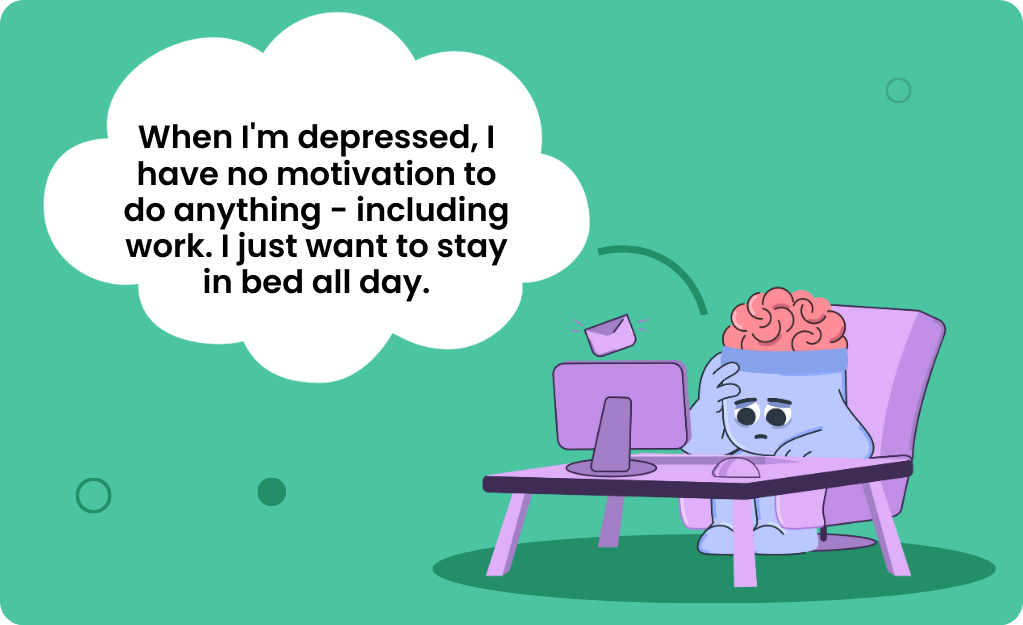
    3 Ways To Boost Motivation To Work When You Feel Depressed – The Depression  Project

    There comes a time — for almost everyone — when you just stop.
    Not because you’re lazy. Not because you don’t care. But because you’ve simply run out of fuel.

    Maybe you were doing great for a while. Grinding. Building. Pushing forward with everything you had. And then one day, it all… stopped making sense. You lost that spark. You started to question why you were even doing any of it.

    It happens to students, entrepreneurs, parents, artists, even the most “driven” people you know.
    Losing motivation doesn’t mean you’ve failed. It means you’re human. But starting again — that’s the hard part.

    So, how do you do it? How do you actually begin again when you feel empty, tired, maybe even a little broken inside?

    Let’s talk about it — honestly.

    1. Accept That You’ve Stopped (and That It’s Okay)

    The first instinct most people have when they lose motivation is guilt.
    You start telling yourself things like:
    “I should be doing more.”
    “I’m wasting my time.”
    “Everyone else is ahead of me.”

    But here’s the truth — that guilt only keeps you stuck. You can’t rebuild your drive from a place of self-blame. You have to start with acceptance.

    You stopped. You lost momentum.
    It happened. So what?

    Take a breath. Step back and admit it: “Yeah, I’ve been off-track. But I can come back.”

    That small acceptance alone shifts your energy. Because now, instead of fighting reality, you’re starting from it.

    2. Reflect, Don’t Regret

    When motivation vanishes, it’s usually trying to tell you something. Sometimes, you’ve been chasing the wrong goal. Sometimes, you’ve just burned out.

    Ask yourself — why did I stop?

    Was it exhaustion?
    Did the goal stop feeling meaningful?
    Did you lose sight of the reason you started?

    Write about it. Talk about it with someone. Don’t analyze to punish yourself, just to understand. Reflection brings clarity, and clarity is what re-ignites direction.

    You might even find that you weren’t lazy — you were simply tired of pretending you cared about something that didn’t fulfill you anymore.

    And that’s a powerful realization.

    3. Shrink Your World (Temporarily)

    When your motivation’s gone, everything feels heavy. Even small things like getting out of bed, replying to messages, or cleaning your desk can feel… massive.

    So don’t aim for “big comeback energy.” Not yet.
    Start small. Tiny even.

    Clean one drawer.
    Write one sentence.
    Go for a five-minute walk.

    The goal isn’t to achieve, it’s to move. Once you move, the energy begins to return.
    Progress — no matter how small — builds momentum.

    Think of it like restarting an old engine. It sputters at first. But with small consistent turns, it warms up again.

    4. Reconnect With Your “Why”

    When motivation dies, it’s usually because the reason behind your actions got lost in the noise.

    You can work hard for months or years, but if you forget why you started — the drive fades.

    Ask yourself:

    • Why did I care about this in the first place?
    • What do I want my life to feel like, not just look like?
    • Who am I doing this for — me, or someone else’s approval?

    Sometimes your “why” changes over time. And that’s okay.
    You’re allowed to evolve. You’re allowed to want something new.

    Reconnecting with your purpose isn’t about forcing motivation — it’s about realignment. Once you align again, energy follows naturally.

    5. Change Your Environment (Even Slightly)

    Your surroundings silently shape your state of mind. If you’ve been stuck in the same room, with the same routine, surrounded by the same reminders of what you “should have done,” your brain associates that space with failure.

    Shift it.

    Rearrange your desk. Go work from a café. Add a new scent to your room. Declutter. Even something as small as opening the window every morning can reset your mental space.

    A fresh environment tells your mind, “We’re starting over now.”

    6. Focus on Systems, Not Motivation

    Here’s a harsh but honest truth — motivation is unreliable. It’s like weather; it changes. You can’t depend on it.

    What you can depend on is a system.
    A routine that works even when you don’t feel like it.

    Instead of waiting to “feel ready,” build small, repeatable habits.
    Things that don’t rely on emotion but on structure.

    Example:

    • Write every morning for 10 minutes, not “until I’m inspired.”
    • Go to the gym for just 20 minutes, not “until I feel pumped.”
    • Study one page, not “until I’m focused.”

    Once the system’s in place, motivation will eventually show up again — because action breeds motivation, not the other way around.

    7. Let Go of the “Old You”

    Maybe you’re trying to get back to who you used to be. That version of you who was full of drive and excitement and endless energy.

    But maybe that person doesn’t exist anymore — and that’s not a bad thing.

    You’ve grown. You’ve been through things. You’ve changed. You can’t rebuild your life by clinging to an old version of yourself.

    Start where you are.
    With who you are.
    Now.

    Because the new you might be quieter, wiser, slower — but more intentional. And that’s something worth embracing.

    8. Surround Yourself With Energy You Want to Absorb

    Humans are mirrors. The people, content, and environments around you shape your energy — whether you notice it or not.

    So pay attention to what (and who) you’re feeding on.

    Follow creators who inspire instead of pressure you. Spend time with people who make you feel capable, not guilty. Listen to things that lift your energy.

    Energy is contagious. Borrow it until you find your own again.

    9. Don’t Wait to Feel Ready

    You might never feel “ready” to start again. Most people don’t.

    The trick is to begin before you feel ready.
    Because waiting for perfect energy is just another form of procrastination.

    Do it awkwardly. Do it tired. Do it messy.
    But just — do it.

    You’ll find that the act of moving, even imperfectly, brings back a sense of control.
    And that control slowly rebuilds your confidence.

    10. Remember: It’s Not a Straight Line

    Progress isn’t linear.
    You’ll restart, stop again, fall, restart again — maybe a hundred times.

    But every time you restart, you’re not starting from zero. You’re starting from experience.
    You’ve learned something about yourself each time.

    The truth is, life is just a series of restarts.
    And every “I’ll try again” is a quiet form of courage.

    Final Thoughts

    Losing motivation isn’t a sign of weakness — it’s a sign that something inside you needs attention.
    Maybe rest. Maybe change. Maybe rediscovery.

    You don’t have to force your comeback. You just have to take one honest, shaky step. Then another.

    Eventually, the spark comes back. Not the same as before — but deeper.
    Because now it’s built from understanding, not just adrenaline.

    And that’s how you truly start again.

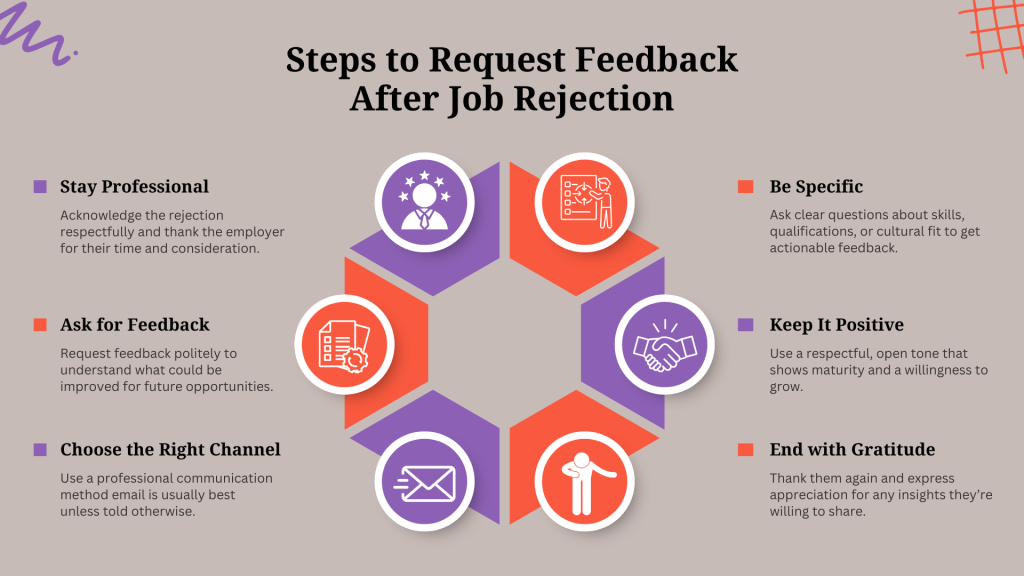
  • Techniques to Maintain Motivation After Rejection

    Rejection. It’s one of those words that can sting just by hearing it. Whether it’s a job you didn’t get, a business pitch that fell flat, or a relationship that didn’t work out — rejection hits at the core of our self-worth. And it’s completely normal to feel discouraged afterward. The real challenge, though, isn’t avoiding rejection. It’s learning how to stay motivated despite it.

    Let’s be honest — nobody handles rejection perfectly. Even the most successful people have moments of doubt. But what separates them from those who give up is how they respond to that moment of disappointment. Below are a few powerful, grounded techniques that can help you maintain motivation after rejection and, perhaps, even grow stronger from it.

    1. Feel the Emotion, Don’t Fight It

    The first instinct after rejection is often to brush it off or pretend it doesn’t matter. But here’s the truth — it does matter. You cared. You tried. And it didn’t go the way you hoped.
    Allow yourself to feel that. Cry if you need to, rant, write down what you’re feeling — whatever helps you release that emotional pressure.

    Suppressing emotions might make you appear strong, but it usually backfires later. Acknowledging your disappointment actually helps you heal faster. Once you’ve processed it, you’ll be ready to think clearly about what’s next.

    2. Separate Self-Worth from the Outcome

    One of the harshest effects of rejection is how easily it can make you question your value. But remember — rejection is feedback, not a verdict. It doesn’t mean you’re not capable or not enough; it simply means that particular situation wasn’t the right fit.

    Think of it this way: a publisher rejecting a book doesn’t mean it’s a bad book. It just means it didn’t match their list or their audience. Same with a job interview or a business deal — sometimes the timing, budget, or expectations just don’t line up.

    Try this exercise: write down three things you’re proud of accomplishing — big or small. Reading that list when you’re feeling low reminds you that one “no” can’t erase your overall worth.

    3. Reflect, Don’t Ruminate

    It’s natural to replay the event in your head — what you said, what you could’ve done differently. But there’s a thin line between reflection and rumination.
    Reflection helps you learn. Rumination keeps you stuck.

    Ask yourself constructive questions:

    • “What can I learn from this experience?”
    • “Was there anything I could improve next time?”
    • “Was the rejection actually redirecting me toward something better?”

    You’ll notice the difference — reflection brings clarity and growth, while rumination just drains your motivation.

    4. Redefine the Meaning of Rejection

    Here’s something that might sound cliché but is deeply true — rejection often acts as redirection. Think of how many successful people faced countless “no’s” before their breakthrough. J.K. Rowling was rejected a dozen times before Harry Potter got published. Steve Jobs was fired from his own company before creating the iPod.

    Try reframing rejection as part of your training ground. Every “no” sharpens your emotional endurance, helps you adapt, and sometimes saves you from something that wasn’t meant for you.

    When you redefine rejection as information — not failure — you take back your power.

    5. Take a Step Forward, Even a Small One

    Momentum kills discouragement. After facing rejection, the worst thing you can do is stop moving entirely. Take a small step forward — apply for another opportunity, reach out to a mentor, or simply revisit your goals and tweak them.

    Motivation doesn’t always come before action. Sometimes it’s the other way around. You take a step first, and then motivation slowly comes back. It’s like reigniting a fire — one spark at a time.

    6. Surround Yourself with the Right People

    When you’re feeling defeated, it’s easy to isolate yourself. But isolation can deepen that sense of rejection. Reach out to people who genuinely support you — friends, mentors, even online communities where others share their rejection stories.

    Hearing that others have been where you are and still found success can be incredibly healing. It reminds you that rejection isn’t personal — it’s universal.

    Also, avoid people who make you feel “less than.” During recovery from rejection, your mental environment matters more than ever.

    7. Reconnect With Your “Why”

    Rejection can shake your confidence, but reconnecting with your purpose brings it back. Why did you start chasing this goal in the first place? What made it meaningful to you?

    When you focus on the deeper reason behind your efforts, one rejection becomes just a small bump on a long road. Purpose fuels resilience. It reminds you that even though the outcome hurt, the journey still holds value.

    Try journaling your “why” — not just in logical terms, but emotionally. Why does it matter to you personally? When you rediscover that connection, your motivation naturally revives.

    8. Practice Self-Compassion, Not Harsh Self-Talk

    It’s tempting to beat yourself up after rejection — “I should’ve done better,” “I’m not cut out for this.” But self-criticism rarely drives progress. It actually makes your brain more fearful of future risk-taking.

    Try speaking to yourself the way you’d talk to a close friend who just faced rejection. You’d probably say something like, “Hey, it’s okay. You tried your best. You’ll get another shot.”
    That’s compassion — and it’s not weakness. It’s emotional strength in disguise.

    9. Keep a “Rejection Journal”

    This one’s unconventional but powerful. Create a small notebook (or digital file) where you document your rejections — who/what rejected you, how it felt, what you learned, and what you did next.

    Over time, this journal becomes a record of resilience. You’ll start seeing patterns — not just of rejection, but of growth. It helps you detach emotionally and view rejection as data instead of personal defeat.

    10. Remember: Success Is Built on Rejection

    Every story of triumph has rejection woven into it. The difference between those who succeed and those who stop isn’t talent — it’s persistence. Every rejection tests how much you truly want it.
    And if you keep going despite it — that’s what builds character.

    You might not see it now, but one day you’ll look back and realize that rejection was the plot twist that led you somewhere far better than what you thought you lost.

    Final Thoughts

    Rejection doesn’t define you — your response to it does.
    Feeling hurt is natural, but staying down is optional. Take it as a sign that you’re trying, that you’re putting yourself out there. That’s bravery.
    And every brave person faces rejection. It’s the price of growth.So next time you hear “no,” take a deep breath and whisper to yourself: “Alright. Next step.”
    Because every “no” is just getting you closer to that one life-changing “yes.”