Category: Professional Growth

  • How to Design a Lifelong Learning Roadmap

    It’s a strange thing, really — we spend years in school and college learning things, only to realize later that the real education starts after graduation. The world keeps changing, jobs evolve, technology runs faster than we do, and suddenly, what we knew yesterday feels outdated. That’s where the idea of lifelong learning steps in.

    But here’s the tricky part: saying you’ll “keep learning forever” is easy. Designing an actual roadmap that guides your growth — that’s where most people get stuck. Lifelong learning isn’t just about collecting certificates or watching random YouTube tutorials. It’s about having a structured yet flexible plan that aligns with who you are, what you want, and the kind of person you hope to become.

    So, how do you actually design a lifelong learning roadmap that works in real life — not just in theory? Let’s break it down step by step.

    1. Start with self-awareness (know your why)

    Before you jump into any course or skill, pause. Ask yourself: Why do I want to learn?

    It sounds simple, but this question sets the tone for everything that follows. Do you want to grow in your career? Change industries? Or maybe you’re chasing personal growth — becoming more creative, confident, or simply curious again.

    Write it down somewhere. When you’re clear on your “why,” you’ll make better choices about what to learn and how to learn it.

    A good exercise is to look back at the last three things you learned — maybe a new software, a language, or even cooking. What made you interested in them? What kind of satisfaction did learning give you? This reflection shows your natural learning style and motivation triggers.

    2. Define your long-term vision

    Now, picture your future self five or ten years from now. Where do you want to be professionally? What kind of person do you want to become?

    A learning roadmap isn’t just about career progression — it’s about personal evolution. You might want to be a design expert, a team leader, or simply someone who understands AI, psychology, or finance. Whatever it is, that vision gives you direction.

    From there, break your vision down into 3–5 major learning goals. For example:

    • Master data analysis to become a more strategic marketer.
    • Improve communication and emotional intelligence for leadership.
    • Learn to code basic automation tools to stay future-proof.

    Each goal becomes a “pillar” of your learning roadmap.

    3. Audit your current skills

    Before planning new learning goals, understand where you stand today. Make a skills inventory — list all your current strengths, tools you know, soft skills, and even experiences that shaped your thinking.

    Then, identify the gaps between what you know and what you need to know to reach your goals.

    For instance, if your goal is to move into product management but you lack data skills or business analytics knowledge, those become your short-term targets.

    Be honest here — no judgment. Everyone starts somewhere.

    4. Create a layered learning plan

    Now comes the fun (and slightly nerdy) part: designing your learning roadmap.

    Think of it like building a pyramid:

    • Foundation layer: Core skills or concepts you must master first.
    • Growth layer: Intermediate or applied learning — hands-on projects, experiments, and real-world practice.
    • Mastery layer: Advanced skills, leadership abilities, or teaching others what you’ve learned.

    For example, if you’re learning digital marketing:

    • Foundation = understanding SEO, content writing, analytics basics
    • Growth = running your own ad campaigns, building small projects
    • Mastery = developing strategy, mentoring others, launching personal brand

    This layered approach prevents overwhelm and builds steady confidence.

    5. Choose your learning formats wisely

    Not everyone learns best from the same medium. Some people love reading; others need to do things.

    Experiment with a mix of formats:

    • Online courses for structured knowledge (Coursera, Udemy, edX, etc.)
    • Podcasts and books for inspiration and depth
    • Communities and mentorships for real-world feedback
    • Projects and side hustles for hands-on experience

    The key is active learning — applying what you learn immediately. Don’t just read; build something small. Write a blog post. Try the skill in your work. Learning sticks when you use it.

    6. Set micro-goals and milestones

    Big goals are great, but they can feel distant. So break them down into smaller, measurable milestones.

    For example, instead of saying “I’ll master Python in 6 months,” say:

    • “I’ll complete one beginner Python course by next month.”
    • “I’ll automate one small task at work using Python within 3 months.”

    Each small win builds momentum. Momentum fuels consistency — and consistency is what turns a learner into a lifelong learner.

    A simple trick: reward yourself for hitting small goals. Coffee break, new notebook, or even a weekend off. Your brain loves rewards.

    7. Build a learning environment

    Discipline doesn’t come from willpower alone — it comes from environment design.

    If you want to learn daily, make your surroundings remind you of that goal.
    Keep your favorite learning platform bookmarked. Join one online group where people share learning progress. Put your current reading list in your workspace.

    Some people even create a “learning ritual” — a set time every day, maybe with coffee or music, just for learning. That repetition trains your brain to associate learning with something positive and familiar.

    8. Reflect and review regularly

    Your learning roadmap shouldn’t be rigid. Life changes. Interests shift. Some goals will fade, and new ones will appear. That’s normal.

    Every few months, pause and review. Ask yourself:

    • What have I learned recently that’s truly valuable?
    • What’s not working or feels irrelevant now?
    • What new direction is pulling my curiosity?

    Adjust your plan accordingly. The roadmap isn’t carved in stone; it’s alive — it grows as you do.

    Journaling can help here too. Writing about what you learned each week keeps your progress visible and reminds you how far you’ve come.

    9. Connect learning with purpose

    The most powerful learners aren’t motivated by fear of falling behind — they’re driven by curiosity and meaning.

    Link every learning goal to a deeper purpose. Maybe you’re learning to code because you want to build a tool that helps small businesses. Maybe you’re studying psychology because you want to understand people better.

    When your learning connects to something that matters personally, motivation becomes natural. You stop forcing yourself to learn — you start wanting to learn.

    10. Teach what you learn

    The best test of understanding is the ability to explain it. Whether through writing, mentoring, or even short LinkedIn posts, share what you learn.

    Teaching forces clarity — it exposes the gaps in your understanding and turns passive knowledge into active mastery. Plus, it builds your reputation as someone who’s curious, generous, and always growing.

    Final Thoughts

    Designing a lifelong learning roadmap isn’t about making the perfect plan — it’s about creating a living guide that evolves with you. Start small, stay curious, and remember that learning doesn’t have an expiration date.

    Some days you’ll make big progress. Other days, you’ll barely move. That’s okay. What matters is staying in the habit of growth — learning, unlearning, relearning.

    How to Design a Lifelong Learning Roadmap

    It’s a strange thing, really — we spend years in school and college learning things, only to realize later that the real education starts after graduation. The world keeps changing, jobs evolve, technology runs faster than we do, and suddenly, what we knew yesterday feels outdated. That’s where the idea of lifelong learning steps in.

    But here’s the tricky part: saying you’ll “keep learning forever” is easy. Designing an actual roadmap that guides your growth — that’s where most people get stuck. Lifelong learning isn’t just about collecting certificates or watching random YouTube tutorials. It’s about having a structured yet flexible plan that aligns with who you are, what you want, and the kind of person you hope to become.

    So, how do you actually design a lifelong learning roadmap that works in real life — not just in theory? Let’s break it down step by step.

    1. Start with self-awareness (know your why)

    Before you jump into any course or skill, pause. Ask yourself: Why do I want to learn?

    It sounds simple, but this question sets the tone for everything that follows. Do you want to grow in your career? Change industries? Or maybe you’re chasing personal growth — becoming more creative, confident, or simply curious again.

    Write it down somewhere. When you’re clear on your “why,” you’ll make better choices about what to learn and how to learn it.

    A good exercise is to look back at the last three things you learned — maybe a new software, a language, or even cooking. What made you interested in them? What kind of satisfaction did learning give you? This reflection shows your natural learning style and motivation triggers.

    2. Define your long-term vision

    Now, picture your future self five or ten years from now. Where do you want to be professionally? What kind of person do you want to become?

    A learning roadmap isn’t just about career progression — it’s about personal evolution. You might want to be a design expert, a team leader, or simply someone who understands AI, psychology, or finance. Whatever it is, that vision gives you direction.

    From there, break your vision down into 3–5 major learning goals. For example:

    • Master data analysis to become a more strategic marketer.
    • Improve communication and emotional intelligence for leadership.
    • Learn to code basic automation tools to stay future-proof.

    Each goal becomes a “pillar” of your learning roadmap.

    3. Audit your current skills

    Before planning new learning goals, understand where you stand today. Make a skills inventory — list all your current strengths, tools you know, soft skills, and even experiences that shaped your thinking.

    Then, identify the gaps between what you know and what you need to know to reach your goals.

    For instance, if your goal is to move into product management but you lack data skills or business analytics knowledge, those become your short-term targets.

    Be honest here — no judgment. Everyone starts somewhere.

    4. Create a layered learning plan

    Now comes the fun (and slightly nerdy) part: designing your learning roadmap.

    Think of it like building a pyramid:

    • Foundation layer: Core skills or concepts you must master first.
    • Growth layer: Intermediate or applied learning — hands-on projects, experiments, and real-world practice.
    • Mastery layer: Advanced skills, leadership abilities, or teaching others what you’ve learned.

    For example, if you’re learning digital marketing:

    • Foundation = understanding SEO, content writing, analytics basics
    • Growth = running your own ad campaigns, building small projects
    • Mastery = developing strategy, mentoring others, launching personal brand

    This layered approach prevents overwhelm and builds steady confidence.

    5. Choose your learning formats wisely

    Not everyone learns best from the same medium. Some people love reading; others need to do things.

    Experiment with a mix of formats:

    • Online courses for structured knowledge (Coursera, Udemy, edX, etc.)
    • Podcasts and books for inspiration and depth
    • Communities and mentorships for real-world feedback
    • Projects and side hustles for hands-on experience

    The key is active learning — applying what you learn immediately. Don’t just read; build something small. Write a blog post. Try the skill in your work. Learning sticks when you use it.

    6. Set micro-goals and milestones

    Big goals are great, but they can feel distant. So break them down into smaller, measurable milestones.

    For example, instead of saying “I’ll master Python in 6 months,” say:

    • “I’ll complete one beginner Python course by next month.”
    • “I’ll automate one small task at work using Python within 3 months.”

    Each small win builds momentum. Momentum fuels consistency — and consistency is what turns a learner into a lifelong learner.

    A simple trick: reward yourself for hitting small goals. Coffee break, new notebook, or even a weekend off. Your brain loves rewards.

    7. Build a learning environment

    Discipline doesn’t come from willpower alone — it comes from environment design.

    If you want to learn daily, make your surroundings remind you of that goal.
    Keep your favorite learning platform bookmarked. Join one online group where people share learning progress. Put your current reading list in your workspace.

    Some people even create a “learning ritual” — a set time every day, maybe with coffee or music, just for learning. That repetition trains your brain to associate learning with something positive and familiar.

    8. Reflect and review regularly

    Your learning roadmap shouldn’t be rigid. Life changes. Interests shift. Some goals will fade, and new ones will appear. That’s normal.

    Every few months, pause and review. Ask yourself:

    • What have I learned recently that’s truly valuable?
    • What’s not working or feels irrelevant now?
    • What new direction is pulling my curiosity?

    Adjust your plan accordingly. The roadmap isn’t carved in stone; it’s alive — it grows as you do.

    Journaling can help here too. Writing about what you learned each week keeps your progress visible and reminds you how far you’ve come.

    9. Connect learning with purpose

    The most powerful learners aren’t motivated by fear of falling behind — they’re driven by curiosity and meaning.

    Link every learning goal to a deeper purpose. Maybe you’re learning to code because you want to build a tool that helps small businesses. Maybe you’re studying psychology because you want to understand people better.

    When your learning connects to something that matters personally, motivation becomes natural. You stop forcing yourself to learn — you start wanting to learn.

    10. Teach what you learn

    The best test of understanding is the ability to explain it. Whether through writing, mentoring, or even short LinkedIn posts, share what you learn.

    Teaching forces clarity — it exposes the gaps in your understanding and turns passive knowledge into active mastery. Plus, it builds your reputation as someone who’s curious, generous, and always growing.

    Final Thoughts

    Designing a lifelong learning roadmap isn’t about making the perfect plan — it’s about creating a living guide that evolves with you. Start small, stay curious, and remember that learning doesn’t have an expiration date.

    Some days you’ll make big progress. Other days, you’ll barely move. That’s okay. What matters is staying in the habit of growth — learning, unlearning, relearning.
  • Using Spaced Repetition for Long-Term Memory Growth

    If you’ve ever spent hours cramming before an exam only to forget everything a week later, you already know how unreliable short-term memorization can be. The truth is, our brains aren’t built to store information all at once — they’re built to strengthen memories over time, through repetition and retrieval. That’s where spaced repetition comes in. It’s one of those ideas that sounds simple at first but, when used consistently, can completely transform how you learn and remember things for life.

    What Is Spaced Repetition, Really?

    At its core, spaced repetition is the practice of reviewing information at gradually increasing intervals. Instead of revisiting something every day until it sticks, you revisit it just before you’re about to forget it. That moment — right before forgetting — is where the magic happens. Psychologists call this the “optimal interval.” When you recall information then, the memory trace becomes stronger, almost like a muscle getting trained through resistance.

    The idea isn’t new. In fact, it’s rooted in over a century of cognitive science. Back in the late 1800s, German psychologist Hermann Ebbinghaus mapped out the “forgetting curve,” showing how quickly we forget new information without review. His work laid the foundation for modern spaced repetition systems — everything from flashcards to AI-powered learning apps like Anki or SuperMemo. But the science behind it goes much deeper than just memory tricks.

    Why Spaced Repetition Works

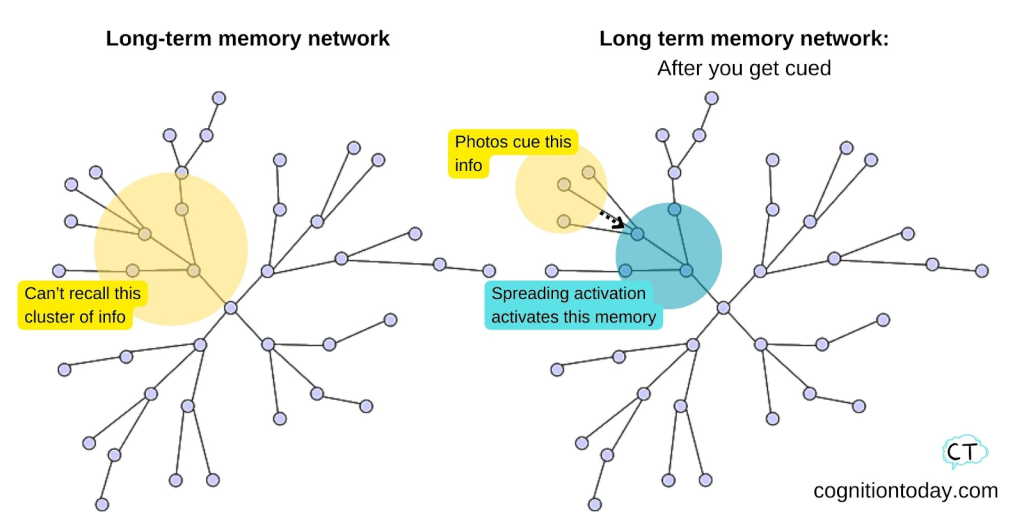
    The human brain isn’t a filing cabinet. Memories aren’t stored in one neat place waiting to be opened; they’re woven into neural networks that strengthen through use. Every time you recall something, you reactivate that network, making it more resistant to decay. Spaced repetition leverages that principle by stretching out those activations over time.

    When you first learn something — say, a new word in a foreign language — your memory of it is fragile. Reviewing it right away helps reinforce it. But if you review it too often, your brain gets lazy. There’s no challenge, no need for deep recall. Spaced repetition introduces the right amount of difficulty — a slight struggle that makes the recall effortful. That effort is what makes the memory stick.

    Think of it like physical exercise: too easy, and you don’t grow; too hard, and you burn out. The sweet spot is somewhere in between. Spaced repetition finds that sweet spot for your brain.

    The Science of the Forgetting Curve

    Let’s get a bit more scientific, but not boring. Ebbinghaus’ forgetting curve showed that within 24 hours of learning something, you can forget up to 70% of it if you don’t review. However, each review resets the curve — and flattens it. After the first review, maybe you only forget 40% in 24 hours. After the second review, maybe 20%. Eventually, your brain decides, “Okay, this info keeps coming back — it must be important,” and it moves it into long-term storage.

    That’s why students who use spaced repetition don’t just remember facts for exams — they retain them for years. Doctors use it for anatomy. Programmers use it to memorize syntax and algorithms. Language learners swear by it for vocabulary retention. The pattern is universal because it’s literally how the brain is wired to learn.

    How to Use Spaced Repetition Effectively

    Now, knowing what spaced repetition is isn’t enough. You have to know how to actually apply it. The good news? It’s not complicated — but it does require consistency.

    1. Start with bite-sized content.
      Break information into small, digestible pieces. If you’re studying history, don’t try to memorize an entire timeline at once. Focus on one event, one concept, one date at a time.
    2. Use active recall.
      Don’t just reread notes. Test yourself. Close the book and ask, “What was the main idea again?” Every recall attempt strengthens the memory, even if you get it wrong.
    3. Follow an interval schedule.
      The most common pattern is something like: 1 day → 3 days → 7 days → 14 days → 30 days. Each review session comes a bit later than the last, based on how well you remember.
    4. Use technology wisely.
      Apps like Anki, Quizlet, and RemNote automate spacing intervals for you. They track your recall performance and adjust the schedule dynamically — which saves a lot of mental effort.
    5. Mix it up.
      Combine topics instead of studying one subject in isolation. This “interleaving” technique helps the brain make connections and strengthens contextual understanding.
    6. Reflect after review.
      Ask yourself why something matters. When learning isn’t just about memorizing, but understanding, retention naturally increases.

    The Emotional Side of Memory

    Here’s something people often overlook — emotion plays a huge role in memory. You tend to remember things that feel meaningful. Spaced repetition doesn’t just help you store dry facts; it gives you repeated opportunities to connect emotionally with what you’re learning. Each review can re-trigger that sense of curiosity or pride in progress.

    This emotional reinforcement is subtle but powerful. If you keep seeing your flashcards and feel that little spark of “Oh, I remember this now!” — that’s motivation. And motivation keeps you going long enough for spaced repetition to work its long-term magic.

    Common Mistakes to Avoid

    Even though spaced repetition is simple, people often mess it up. They cram too much at once, skip review days, or treat it like a magic trick instead of a system. Remember, it’s spaced repetition — the “space” is the important part. You have to give your brain time to forget just enough before refreshing the memory.

    Another common mistake is relying too heavily on apps. Tools are great, but if you just click through digital flashcards mindlessly, it won’t work. You still have to engage — visualize, associate, and think. The human brain learns through meaning, not repetition alone.

    Lastly, don’t expect instant results. Spaced repetition is a slow burn. You won’t feel smarter after a week, but six months in, you’ll realize you remember things effortlessly — things other people forgot long ago.

    Building a Lifelong Learning Habit

    Spaced repetition isn’t only for students. It’s a mindset shift — a way to approach any kind of lifelong learning. Whether you’re mastering a language, studying business strategies, or remembering people’s names at work, it trains your brain to think in terms of growth over time rather than instant results.

    Try this: make learning part of your routine, just like brushing your teeth. Ten minutes of spaced review a day can make a bigger difference than two hours of weekend cramming. Over months, your knowledge compounds — like interest in a bank account.

    The real beauty of spaced repetition is how it respects the brain’s natural rhythms. It doesn’t force learning; it works with your memory system. And that’s why it lasts. Long-term memory isn’t about intensity — it’s about consistency.

    Final Thoughts

    Using spaced repetition isn’t just about memorizing more stuff — it’s about changing the way you relate to knowledge. You start to see learning as something ongoing, living, and growing. Each review becomes a small investment in future understanding.

  • The Importance of Unlearning Outdated Skills for Success

    Most people talk about learning as the key to success. We read books, take online courses, chase new certifications, and feel proud when we can say we’ve “learned something new.” But here’s the thing: in today’s fast-changing world, learning alone isn’t enough. Sometimes, what truly holds us back isn’t what we don’t know — it’s what we refuse to let go of.

    Unlearning is the hidden half of growth. It means challenging what we already think we know, questioning our old habits, and being willing to replace outdated knowledge with new understanding. It’s uncomfortable, sometimes even painful. But it’s also what separates people who stay relevant from those who slowly fade out of the game.

    Why Unlearning Matters More Than Ever

    The world doesn’t change at a steady pace anymore. It moves in leaps. Technology evolves faster than most people can keep up with, industries transform overnight, and job roles that existed ten years ago barely mean the same thing today.

    Think about it — the skills that made someone a great marketer in 2010 (like mastering print ads or TV spots) aren’t enough today. Now, they need to understand social algorithms, influencer marketing, and AI tools. An accountant who refuses to use cloud systems or automation tools can’t compete. Even teachers, doctors, and writers have to adapt to digital systems and new ways of thinking.

    The biggest trap in this environment isn’t ignorance — it’s certainty. It’s believing that what worked yesterday will still work tomorrow. People cling to familiar methods because they feel safe. But the comfort of the known can be dangerous when the world outside has already changed.

    Unlearning, then, becomes a survival skill. It’s the process of emptying your mental hard drive — deleting old, obsolete files to make space for the updates.

    The Psychology of Unlearning

    Unlearning is hard because our brains are wired for efficiency. Once we learn a behavior or pattern, it gets stored in what psychologists call “automatic memory.” It saves us mental effort — like typing your password without thinking or driving the same route every day.

    But this same efficiency becomes a problem when those patterns stop serving us. Imagine an experienced manager who’s used to giving strict orders in a top-down structure. When their company shifts to a collaborative, agile model, that old management style no longer fits. Yet the instinct to “take control” kicks in automatically. Unlearning that behavior takes conscious effort — awareness, humility, and repetition.

    Neuroscientists call this “cognitive flexibility” — the brain’s ability to adapt to new information by letting go of old associations. People who score high on cognitive flexibility tend to perform better in complex, changing environments. They can pivot faster, innovate more easily, and recover from failure with less resistance.

    Examples from the Real World

    History is full of examples of people and companies that succeeded — or failed — because of their ability (or inability) to unlearn.

    Consider Kodak. They actually invented the first digital camera in 1975 but refused to embrace it because they were too attached to their film business model. They couldn’t unlearn their belief that “film is forever.” The result? Bankruptcy.

    On the other hand, look at Netflix. They started as a DVD rental company, but when streaming technology emerged, they unlearned their own identity and pivoted. Then they did it again — moving from streaming to content creation. That’s the power of unlearning: it keeps you alive.

    Even at the individual level, the same rule applies. A software engineer who insists on coding in outdated languages may struggle, while one who constantly updates their knowledge thrives. A leader who still believes in “command and control” will fail in a workplace that values collaboration, empathy, and adaptability.

    How to Practice Unlearning in Real Life

    Unlearning isn’t as simple as forgetting. You can’t just “delete” information like a file on your computer. Instead, it’s about re-evaluating — understanding when a skill, mindset, or assumption has outlived its usefulness, and replacing it with something better.

    Here are a few practical ways to do it:

    1. Challenge your assumptions regularly.
    Ask yourself: “What do I believe to be true about my work or my industry — and when was the last time I tested that belief?” Many professionals operate on outdated rules that no longer apply. For example, believing that long working hours equal productivity, or that experience always trumps creativity.

    2. Expose yourself to new environments.
    One of the best ways to unlearn is to step into situations where your old skills don’t automatically apply. Work with younger people, switch teams, or take on a project in a completely new field. The discomfort forces you to rethink what you know.

    3. Learn from failure.
    Failure is often a signal that an old method no longer works. Instead of avoiding it, treat failure as feedback — a nudge from the universe that it’s time to change your approach.

    4. Stay curious.
    People who keep asking questions naturally unlearn faster. Curiosity opens the door for new ideas to come in and replace outdated ones. The less you assume you already know everything, the more adaptable you become.

    5. Practice “beginner’s mind.”
    This concept from Zen philosophy means approaching every situation as if you were new to it. Even if you’re an expert, act like a student. It helps you stay open to alternative ways of thinking and doing things.

    The Emotional Side of Letting Go

    Unlearning isn’t just intellectual — it’s emotional. There’s often pride, fear, and identity tied to the skills we’ve mastered. Think about someone who’s been praised their whole career for being a great salesperson, suddenly told they need to rely on AI analytics instead of intuition. It feels like losing a part of who they are.

    That’s why unlearning takes emotional maturity. You need to accept that being wrong isn’t a failure — it’s part of growth. It’s okay to outgrow your old self. Success in the modern world belongs to people who can keep evolving, who are humble enough to say, “Maybe I don’t know the best way anymore.”

    The Link Between Unlearning and Innovation

    If learning is about gaining knowledge, unlearning is about freeing the mind so that creativity can flourish. The greatest innovators — from Steve Jobs to Elon Musk — aren’t necessarily the ones who know the most, but the ones who question the most.

    When you let go of “the way things have always been done,” you create space for fresh ideas to emerge. This is why startups often disrupt industries — they don’t carry the baggage of outdated traditions. They’re built on unlearning from day one.

    In your personal career, the same applies. You can’t innovate in your life if you’re stuck repeating yesterday’s habits. Success, now more than ever, depends on your willingness to adapt, rethink, and evolve faster than the world around you.

    Conclusion

    In a world that rewards adaptability, unlearning is the new superpower. The ability to question, release, and relearn is what separates future leaders from those clinging to the past. It’s not just about keeping your resume up to date — it’s about keeping your mind flexible, your ego small, and your curiosity alive.

  • How to Identify Personal Skill Gaps for Improvement

    We all want to get better at what we do — to be sharper, more capable, and more confident in our skills. But sometimes, no matter how hard we try, we feel stuck. The truth is, growth doesn’t come just from effort; it comes from knowing where to focus that effort. And that’s where identifying your personal skill gaps becomes so important.

    Most people assume they already know what they’re good or bad at, but self-perception can be surprisingly inaccurate. We either overestimate ourselves (thinking we’re great when we’re not) or underestimate our strengths (dismissing what we’re naturally good at). That’s why learning to honestly assess your skills — and uncover the areas that need work — is one of the smartest things you can do for personal and professional growth.

    Let’s break down how to actually do that.

    1. Understand What a “Skill Gap” Really Means

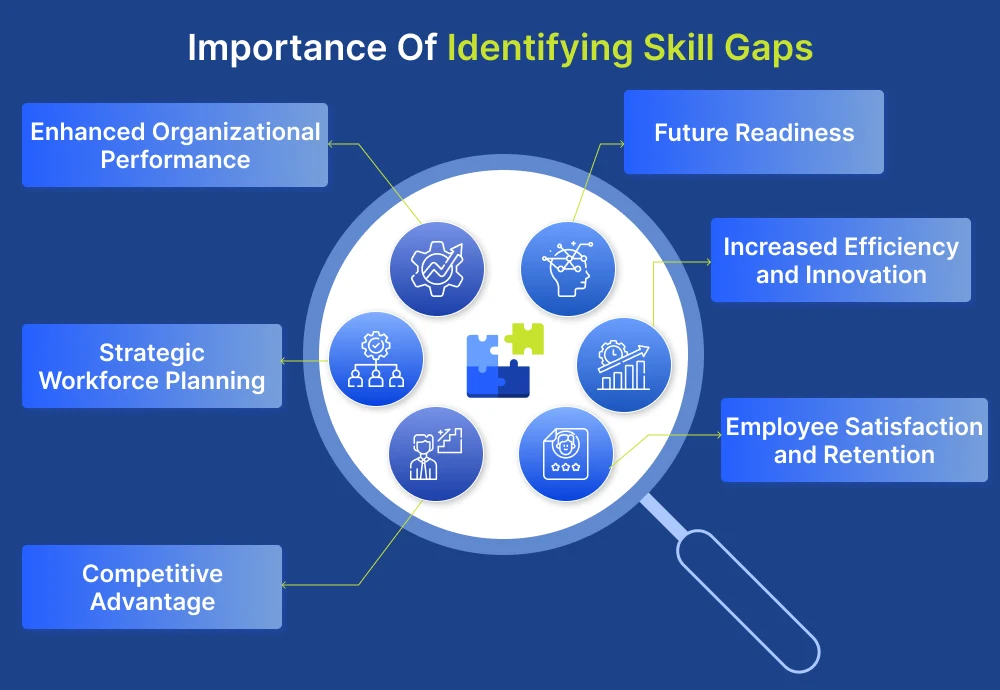
    A skill gap isn’t just something you’re bad at. It’s the difference between what you can do right now and what’s needed to reach your next goal.

    For example, if you’re a content writer who wants to move into digital marketing, your gap might not be writing — it might be data analysis or SEO strategy. If you’re a manager aiming for senior leadership, your gap might be in conflict resolution or strategic planning.

    The key is to think in terms of goals, not flaws. A skill gap isn’t a weakness to be ashamed of — it’s a direction sign pointing you toward growth.

    2. Start With Honest Self-Reflection

    This step sounds simple but it’s where most people stumble — because being honest with yourself takes humility.

    Ask yourself questions like:

    • What tasks do I find difficult or frustrating?
    • Where do I rely on others too often?
    • What kind of feedback do I keep getting from my boss, peers, or clients?
    • What skills do people in roles I admire have that I don’t?

    Write your answers down. Don’t filter them. Sometimes you’ll notice patterns, like “I always get stuck when I have to organize things” or “I avoid giving presentations.” Those patterns reveal hidden gaps.

    It also helps to think about your comfort zone — because skill gaps often hide right outside it. If there’s something you keep avoiding, it’s usually because you feel underprepared for it. That’s your clue.

    3. Compare Yourself Against Role Models or Job Requirements

    One of the clearest ways to identify your gaps is to compare where you are now with where you want to be.

    If your goal is a specific career move, look at job descriptions for that role. Highlight the skills mentioned repeatedly — technical, communication, leadership, whatever. Then honestly rate yourself on each one (from 1 to 5 works well).

    Or, if you don’t have a specific job in mind, look to people who are already doing what you aspire to do. Study their work. Notice how they handle challenges, how they speak, how they solve problems. Ask yourself, “What can they do that I can’t — yet?”

    That “yet” is important. It turns a limitation into a goal.

    4. Ask for Feedback (and Actually Listen)

    This part is tough but crucial. You can’t see all your blind spots, no matter how self-aware you think you are. That’s why external feedback is gold.

    Ask trusted colleagues, mentors, or even friends questions like:

    • “What do you think I do really well?”
    • “Where do you think I could improve?”
    • “What skills do you think I need to grow further?”

    Be ready to hear things that sting. That’s normal. The goal isn’t to defend yourself — it’s to gather insight.

    Also, look at performance reviews, client comments, or even social media interactions if you’re a freelancer. Sometimes people reveal your strengths and weaknesses without meaning to.

    Remember: feedback is a mirror. It doesn’t define your worth; it just shows what others see. Use that reflection to guide your next move.

    5. Use Skill Assessment Tools

    In today’s digital world, you can measure your skills pretty accurately through online tools. Sites like LinkedIn Learning, Coursera, and Indeed Assessments offer free or paid skill evaluations across industries.

    These tests give you a clear, unbiased snapshot of your current ability — whether it’s Excel, project management, coding, communication, or leadership.

    They’re especially useful because they measure you objectively, not emotionally. You might feel like you’re bad at public speaking, but a quick online assessment or a recorded mock presentation might show that you’re actually better than you think — you just lack confidence.

    6. Track Your Daily Work Patterns

    Another underrated method is simply paying attention to your daily workflow.

    Notice where you slow down or struggle. Do you take forever to write reports? Do you avoid analyzing data? Are you great at generating ideas but bad at executing them?

    The moments you hesitate are often where your skill gaps live. Start writing these down each week. Over time, you’ll build a “map” of your strengths and weaknesses that’s more honest than any test.

    7. Identify “Soft Skill” Gaps Too

    Most people focus on hard skills — like technical abilities — and completely overlook soft skills, which are often what really hold them back.

    Soft skills include things like:

    • Communication
    • Emotional intelligence
    • Time management
    • Adaptability
    • Problem-solving
    • Teamwork

    You might be excellent at your job’s technical side, but if you struggle to manage conflict or meet deadlines, that’s a skill gap that will limit your progress.

    The tricky part about soft skills is they’re harder to measure. The best way is to observe outcomes. For instance, if meetings often go sideways when you lead them, or your team hesitates to approach you, that’s feedback in itself.

    8. Prioritize Which Gaps to Close First

    Once you’ve identified your gaps, don’t try to fix them all at once — that’s a recipe for burnout.

    Prioritize based on what will have the biggest impact.

    Ask:

    • Which of these skills would most improve my performance right now?
    • Which one will open the most opportunities in the long run?

    Focus on one or two at a time. That’s how real progress happens — not by doing everything, but by doing the right thing consistently.

    9. Create a Learning Plan

    Now that you know your gaps, turn them into a learning roadmap.

    Find resources — online courses, workshops, mentors, or even YouTube tutorials — that directly address those skills. Schedule time each week to work on them, just like you’d schedule a meeting.

    The key is consistency. Learning isn’t about cramming; it’s about steady improvement.

    And don’t forget to measure your progress. Take notes on what’s getting easier. Ask for new feedback every few months. That’s how you’ll know your gap is closing.

    10. Celebrate the Process

    Finally, remember: growth is messy. You’ll make mistakes. You’ll feel frustrated. That’s normal. The goal isn’t to be perfect — it’s to be aware.

    When you know your gaps, you stop guessing. You can take control of your growth instead of waiting for life or luck to do it for you.

    And one day, when you look back, you’ll realize those gaps weren’t weaknesses at all. They were the pathways that led you to become who you wanted to be.

  • Effective Note-Taking Systems for Self-Learners

    There’s something uniquely satisfying about being a self-learner. You decide what to learn, when to learn it, and how fast to go. But if you’ve ever gone down a rabbit hole of YouTube tutorials or read through a dozen online courses, you know the struggle — keeping track of what you’ve learned. Notes scattered across Google Docs, phone screenshots, messy notebooks… It becomes chaos fast. That’s why having an effective note-taking system isn’t just helpful; it’s absolutely essential if you want your self-learning to actually stick.

    Most people think note-taking is just about writing things down, but that’s barely scratching the surface. True note-taking is a form of thinking. When you take notes the right way, you’re not just recording information — you’re processing it, breaking it apart, and rebuilding it in your own words. That’s where the real learning happens.

    Let’s dive into how you can build a system that works for you — something sustainable, organized, and powerful enough to actually make your brain remember.

    1. Start With Why You’re Learning

    Before you even start taking notes, ask yourself: why am I learning this?
    That might sound obvious, but most of us skip it. We open a video, start writing random facts, and call it a day. But your note-taking system should reflect your purpose.

    If you’re learning coding to build an app, your notes will look completely different from someone learning history just for fun. When you have a clear “why,” it becomes easier to filter what’s important and what’s just noise. Write your learning goal at the top of your first note — even if it’s short, something like:

    “Goal: Learn Python well enough to automate simple daily tasks.”

    That one line changes how your brain organizes everything that comes next.

    2. Pick a Note-Taking Method That Matches Your Brain

    There’s no one “best” note-taking method — just the one that works for you. Here are a few tried-and-tested systems self-learners love:

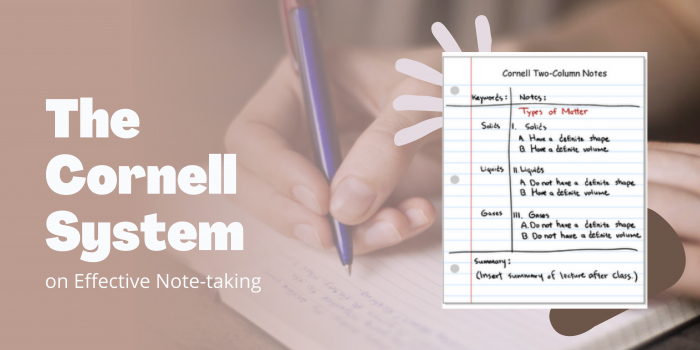
    The Cornell Method:
    Divide your page into three sections — cues on the left, notes in the middle, and a summary at the bottom. While learning, jot notes in the main area. Afterward, fill in key questions or prompts on the left and summarize at the bottom. It forces you to process the information twice, which boosts memory retention.

    The Zettelkasten System:
    This one’s a favorite among researchers and writers. Each note (or “zettel”) contains a single idea. Notes are linked to one another using tags or references, forming a kind of knowledge web. The beauty of this system is that ideas connect naturally over time — one note sparks another, and soon you’ve built your own little Wikipedia in your head.

    The Mind-Mapping Method:
    Perfect for visual thinkers. You start with a main idea in the center and branch out into related topics, examples, or concepts. It’s great for understanding relationships between ideas rather than memorizing facts.

    Try all three. You’ll notice one will just feel right. Stick with that.

    3. Go Digital — But Stay Intentional

    Most self-learners today use digital tools, and that’s perfectly fine — as long as you don’t fall into the “endless app switching” trap. Don’t waste time hopping from Notion to Obsidian to Google Keep to Evernote and back again. Pick one or two tools that suit your workflow and master them.

    Some favorites:

    • Notion: highly customizable, great for structured learning dashboards.
    • Obsidian: ideal for Zettelkasten-style linked thinking.
    • Roam Research: perfect for people who love web-like note connections.
    • Google Docs / OneNote: simple, easy, and widely accessible.

    If you prefer handwritten notes, that’s fine too — just make sure you digitize important ones later (using tools like Google Lens or Evernote Scan) so you can organize and search them easily.

    A little tip — use consistent formatting. Bold main ideas, use bullet points for lists, and highlight definitions. Your future self will thank you.

    4. Don’t Copy — Rephrase

    One of the biggest mistakes self-learners make is copying text word-for-word. It feels productive but isn’t. When you copy, you’re just acting as a human photocopier. When you rephrase, you engage your brain in active learning.

    After reading or watching something, close your eyes for a few seconds and summarize it in your own words. Write that summary down. If you can’t explain it simply, you don’t really understand it yet. That’s the “Feynman Technique,” and it works wonders for comprehension.

    It’s messy at first, sure. Your notes will look like scribbles. But those scribbles are real learning in progress.

    5. Create a Personal Knowledge Base

    Think of your notes not as individual pages, but as a growing network of ideas.
    This is where tools like Obsidian and Notion shine. Instead of keeping separate notes for every topic, start linking related ideas.

    For example:
    If you’re learning about “Machine Learning,” and you take a note on “Neural Networks,” link that to your “Data Science” note. That way, every time you revisit one, you’ll see its connection to the others — and that’s how deep understanding builds.

    Over time, this becomes your second brain — a living library of everything you’ve ever learned, organized in a way that makes sense to you.

    6. Review Regularly — Spaced Repetition

    Notes are useless if you never look at them again.
    The human brain forgets things shockingly fast — within days, even hours. That’s why spaced repetition is so powerful. It means reviewing your notes at increasing intervals: one day later, three days later, a week later, and so on. Each time you review, you strengthen the memory pathway.

    Apps like Anki or RemNote automate this process beautifully, turning key points from your notes into flashcards that resurface right when you’re about to forget them.

    Even if you don’t use an app, make a habit of weekly and monthly reviews. Pick a quiet time, skim through your notes, and highlight what still feels fuzzy.

    7. Make It Personal

    Your notes are for you, not for anyone else. Don’t worry about them looking perfect. Add your thoughts, questions, jokes, even mistakes. That’s what makes them memorable. You can even include examples from your life — something that ties abstract concepts to real experiences.

    For instance, if you’re learning marketing psychology, and you notice how a YouTube thumbnail grabbed your attention, jot that example down. The more personal the connection, the more it sticks.

    8. Turn Notes Into Action

    Knowledge that sits still isn’t knowledge — it’s storage.
    Each time you learn something new, ask yourself: How can I use this?
    Turn your notes into small action steps. If you learned a new coding concept, apply it in a mini-project. If you studied a self-help concept, test it in real life for a week.

    Taking action transforms passive knowledge into active skill. And as you do, update your notes with your reflections — what worked, what didn’t. This feedback loop is where self-learning truly becomes self-mastery.

    9. Keep It Simple and Sustainable

    The most effective system is the one you’ll actually use. Don’t overcomplicate it with color-coding rules, dozens of tags, or perfect layouts. Start small: one folder, one template, one review routine. You can always evolve it later.

    The goal isn’t to make pretty notes — it’s to make useful ones.

    10. Remember: Notes Are Thinking Tools

    In the end, your note-taking system is just a reflection of how you think. It’s not about hoarding information; it’s about shaping ideas and understanding. Whether you use pen and paper or a sleek app, whether your notes look neat or chaotic — if they help you think better, they’re doing their job.

  • Creative Learning Strategies for Modern Adults

    In today’s world, learning isn’t just for students sitting in classrooms. Adults are constantly learning too—new jobs, new tools, new skills, new ways of thinking. But let’s be honest, sitting through boring lectures or endless online videos doesn’t always work. Our attention spans are short, our schedules packed, and our minds already juggling a thousand things.

    That’s where creative learning comes in. It’s about finding new, engaging ways to learn—by doing, experimenting, and connecting ideas in ways that actually make sense in real life. It’s not about memorizing facts. It’s about understanding, creating, and applying knowledge in ways that stick.

    Make It Real and Experiential

    Adults learn best when the material connects to their own lives. It’s hard to care about abstract theories when you can’t see how they matter to you. So, the first rule: make it real.

    Instead of just reading about something, do it. If you’re learning a design tool, create something small for yourself—a poster, a website, a logo. Try, fail, fix, try again. That process of experimenting and reflecting is how real understanding builds.

    Ask yourself after each try: what worked? What didn’t? What could I do differently?
    When you treat learning as a cycle—experience, reflect, adjust—you get deeper results. It also keeps it fun, because it feels alive instead of repetitive.

    Learn in Community

    Learning alone can be tough. Motivation fades, and you don’t have anyone to bounce ideas off. Adults thrive when they learn with others—people to share with, compare notes, and stay accountable.

    Find a small group of peers or even one learning partner. You don’t have to study the same thing; just checking in regularly can make a huge difference. Talk about what you’re learning, what’s working, what’s confusing.

    And don’t underestimate teaching. When you explain something to someone else, you suddenly realize what you really understand—and what you don’t. That’s one of the best creative learning tricks out there.

    Bring in Play and Curiosity

    Learning doesn’t have to feel serious all the time. In fact, the more playful you make it, the more your brain opens up. Play sparks curiosity, and curiosity is what keeps adults engaged.

    Try this: set a timer for ten minutes and write down every idea you have about a topic—no censoring, no judging. Wild, weird, wrong, whatever. Then look back and see which ones make you curious.

    Another idea—imagine you’re someone else solving the same problem. How would a musician, a child, or even your favorite fictional character approach it? These playful mental shifts can open up creative solutions that linear thinking never would.

    And remember, mistakes aren’t failures. They’re clues. Every misstep tells you something valuable if you take a minute to notice what happened.

    Mix Up the Mediums

    Sometimes adults get stuck because they keep learning in one mode—reading, or watching, or listening. Mixing things up keeps your brain alert.

    Try blending formats: read something short, then watch a related video, then do a quick hands-on exercise. Or move around—take a walk while you think through what you’ve learned. Even a change of environment helps.

    Doodle, draw, make mind-maps. Use sticky notes or whiteboards. Physical engagement often helps ideas stick.

    And keep learning sessions short and focused. Fifteen or twenty minutes is often better than an hour-long grind, especially if you’re tired from work or family life.

    Tie It to Purpose

    Adults need meaning. It’s not enough to know what you’re learning—you need to know why. Without a sense of purpose, motivation fades fast.

    Before you dive into a new topic, pause and ask:

    • Why does this matter to me?
    • What do I hope to do with it?
    • How will it make my life easier, richer, or more interesting?

    When learning aligns with your personal goals, you stay naturally motivated. You don’t need external rewards. You do it because it connects with something that matters to you—your career, your creativity, your future.

    And that emotional connection makes retention stronger too. You remember what’s meaningful.

    Reflect and Iterate

    Learning creatively isn’t about getting it perfect the first time. It’s about trying, noticing, tweaking, and trying again. That’s how mastery really works.

    Keep a small notebook or digital journal where you jot down what you’re learning. Don’t worry about writing perfectly—just capture thoughts, moments of insight, or things that didn’t go as planned.

    After each learning session, ask yourself three questions:

    1. What did I notice?
    2. What was difficult or confusing?
    3. What could I try differently next time?

    This kind of reflection helps you internalize lessons instead of just moving on and forgetting. Over time, those notes become a map of your growth—a record of how far you’ve come.

    Work with Constraints

    Here’s something counterintuitive: sometimes creativity flourishes when you limit yourself. When you have too many choices, your brain freezes. But a few boundaries can spark clever solutions.

    Try setting a time limit or a restriction: “I’ll finish this draft in 30 minutes.” Or “I’ll only use free tools.” Suddenly your mind looks for unconventional ways to make it work.

    You can also cross boundaries between fields. If you’re in business, learn something from art. If you’re an artist, study a bit of science or technology. Bringing ideas from one area into another is one of the most powerful creative strategies adults can use.

    It’s about perspective. New inputs = new outputs.

    Use Technology Smartly

    Technology gives adults incredible opportunities to learn—but it can also overwhelm. The trick is to use tools intentionally, not endlessly.

    Choose one or two apps or platforms that fit your learning style. Maybe a digital mind-map tool to visualize concepts, or a voice recorder to capture your reflections.

    You can also join online communities or study groups. The key is interaction—sharing, discussing, creating together—not just passively scrolling or watching.

    But don’t overdo it. Too many tools can scatter your focus. Keep it simple and consistent, and let the tech serve your purpose, not the other way around.

    Final Thoughts

    Learning as an adult doesn’t have to feel heavy or stressful. It can be alive, experimental, full of discovery. You’re not just collecting information—you’re shaping new ways of thinking, working, and creating.

    Try combining a few of these strategies: make your learning experiential, find a peer group, mix up mediums, stay playful, reflect often. You don’t need to do everything at once. Pick one method that resonates and start there.

  • Self-Paced Learning vs Guided Learning — What Works Best?

    In today’s fast-evolving educational landscape, learning isn’t a one-size-fits-all experience anymore. With technology, online courses, and the traditional classroom coexisting, learners have more choices than ever before. Among the most debated approaches are self-paced learning and guided learning. Both have their pros and cons, but which one truly works best? Well, the answer isn’t straightforward. It largely depends on the learner’s personality, goals, and context. Let’s dive deeper.

    Understanding Self-Paced Learning

    Self-paced learning, as the name suggests, allows learners to control the speed, timing, and often even the content of their learning journey. It’s like being your own teacher, or sometimes, your own boss. You decide when to start, how long to spend on a topic, and when you feel ready to move on. Think of it as binge-watching a TV series, but instead of entertainment, you’re binge-learning algebra or digital marketing.

    One of the biggest advantages of self-paced learning is flexibility. People with jobs, family responsibilities, or other commitments can learn without pressure. You can pause, rewind, or skip sections if you already know them. And let’s be honest, it’s really satisfying to set your own pace. No one breathing down your neck. No deadlines looming over your head.

    Another benefit is personalization. Self-paced learners can focus on their weaknesses, skip over the basics, or explore areas they find interesting. For instance, if you’re learning graphic design online, you can spend hours mastering Photoshop but breeze through color theory if you already know it.

    However, self-paced learning isn’t perfect. The biggest downside? Discipline. You need a lot of self-motivation to stick with it. It’s easy to start a course with enthusiasm and then get distracted by notifications, chores, or the latest Netflix series. Studies show that many people who choose self-paced courses never finish them. There’s also the risk of feeling isolated. Without guidance, some learners might struggle to find answers or feel unsure if they’re on the right path.

    Understanding Guided Learning

    On the other side of the spectrum is guided learning. Here, learners follow a structured program, usually with a teacher, mentor, or predefined curriculum. Think traditional classrooms, bootcamps, or instructor-led online courses. Guided learning is like having a GPS for your learning journey. It tells you where to go next, what to focus on, and when to take the next step.

    The biggest strength of guided learning is structure. There’s a clear path, which can help learners stay focused and complete courses faster. For beginners, guided learning reduces confusion. You don’t have to decide what to study first or worry if you’re missing something important.

    Another advantage is accountability. With deadlines, assessments, and sometimes peer pressure, learners are more likely to stay on track. The social element can also enhance learning. Interacting with teachers or fellow learners allows you to ask questions, discuss ideas, and get feedback, which can deepen understanding.

    Yet, guided learning has its drawbacks. The main one is lack of flexibility. Not everyone can follow a rigid schedule. If the pace is too fast, some learners may feel overwhelmed. If it’s too slow, others may get bored. Additionally, guided learning may not cater to individual interests. You might be forced to spend time on topics you already know or are less interested in.

    Comparing the Two: Which Works Best?

    Now, the million-dollar question: which one works best? Honestly, it’s complicated. It depends. Some learners thrive on autonomy, while others perform better with guidance.

    Personality Matters

    Research suggests that personality traits play a crucial role. Independent, self-motivated learners often excel in self-paced environments. They enjoy exploring topics on their own and don’t mind figuring things out through trial and error. On the other hand, learners who need external motivation, structure, or social interaction may benefit more from guided learning.

    Learning Goals

    Your goals also matter. If you’re learning for personal growth, like picking up a hobby, self-paced learning might be ideal. But if you’re preparing for a career change, a certification, or a competitive exam, guided learning could offer better results. The structured approach ensures you cover essential material thoroughly.

    Subject Complexity

    The type of subject also influences what works best. Complex subjects that build upon foundational knowledge, like mathematics, programming, or medicine, often benefit from guided learning. Beginners can easily get lost without step-by-step guidance. Conversely, subjects that encourage exploration, creativity, or practice, like writing, photography, or language learning, can thrive in a self-paced environment.

    Motivation and Discipline

    Self-paced learning demands high levels of self-discipline. Without it, learners may procrastinate or abandon courses halfway. Guided learning compensates for this with structure and deadlines. However, too much reliance on guidance might prevent learners from developing independent learning skills — a critical ability in today’s fast-changing world.

    Hybrid Learning: The Best of Both Worlds?

    Interestingly, many educators now advocate for a hybrid approach, combining the flexibility of self-paced learning with the structure of guided learning. Imagine taking an online course where you follow modules at your own pace but still have access to mentors, live sessions, or peer discussions. You get freedom, personalization, accountability, and support all at once.

    Studies show hybrid learning often produces the best results. Learners can progress quickly through familiar material while still receiving guidance in challenging areas. The hybrid model also encourages self-directed learning habits, which are invaluable for lifelong learning.

    Making the Choice

    So, how do you decide which method suits you? Here are a few tips:

    1. Assess Your Personality: Are you self-motivated, disciplined, and independent? Self-paced might suit you. Do you need structure and support? Guided learning could be better.
    2. Define Your Goals: For career advancement or certification, guided learning is often safer. For exploration and personal growth, self-paced learning can be more enjoyable.
    3. Consider the Subject: Technical or cumulative subjects often require guidance. Creative or exploratory subjects are great for self-paced approaches.
    4. Try Both: Sometimes, experimentation is key. Start with a self-paced course, see how well you manage, then complement it with guided learning if needed.

    Conclusion

    In the end, there is no absolute winner between self-paced learning and guided learning. Each has its advantages and challenges, and their effectiveness largely depends on the learner, the subject, and the context. Self-paced learning offers flexibility, autonomy, and personalization but demands discipline. Guided learning provides structure, accountability, and support but can be rigid and less adaptive to individual needs.

    For most learners, a hybrid approach often hits the sweet spot. It allows freedom while providing guidance, encourages self-motivation, and ensures comprehension. Whatever path you choose, the key is active engagement. Learning isn’t just about finishing a course or collecting certificates — it’s about understanding, applying, and growing.

    At the end of the day, it’s not about which method is better universally. It’s about which method works best for you. And sometimes, the best strategy is to mix, match, and adapt as you go. Because learning, after all, is as unique as the learner.

  • How to Stay Productive During Online Skill Learning

    In today’s fast-paced world, learning new skills online has become almost a necessity. Whether you’re trying to improve your professional abilities, explore a hobby, or just keep your brain active, online learning offers flexibility and endless resources. But let’s be honest — staying productive during online learning is easier said than done. The lure of social media, notifications, and comfy couches can easily steal your focus. So, how do you stay disciplined, motivated, and actually productive while learning online? Let’s dive into some practical strategies that actually work.

    1. Set Clear and Specific Goals

    One of the biggest mistakes people make when learning online is being vague about what they want to achieve. “I want to learn programming” is good, but it’s not enough. Be specific. For example, “I want to complete an introductory Python course in 6 weeks” or “I want to design my first website by the end of the month.”

    Specific goals give your learning structure. They help you measure progress and keep that sense of accomplishment alive. Without goals, you’re just wandering through an endless sea of online videos and articles — and that’s a quick way to get demotivated.

    Tips for Goal Setting:

    • Break big goals into small, achievable tasks.
    • Write your goals down. Seeing them physically makes them more real.
    • Set deadlines. Even self-imposed ones work wonders for productivity.

    2. Create a Dedicated Learning Space

    Your environment can make or break your online learning productivity. Studying from your bed sounds cozy, but it’s also a productivity trap. Your brain associates your bed with sleep, not focus.

    Find a quiet, comfortable spot, preferably a desk with minimal distractions. If that’s not possible, even a corner of a room with good lighting and your study materials organized can work. Over time, your brain will start associating this space with learning, and concentration will come easier.

    Small Tricks:

    • Keep only your learning essentials on your desk. No phones, no snacks, no clutter.
    • Use noise-canceling headphones if you’re in a noisy environment.
    • A small plant or a cup of tea can subtly improve focus without being distracting.

    3. Use Time Blocks and Scheduling

    Online learning can feel endless because there’s no fixed timetable like school or college. To counter this, adopt time-blocking methods.

    Decide in advance when you’ll study and for how long. For example:

    • 9:00 AM – 10:30 AM: Watch coding tutorials
    • 10:30 AM – 10:45 AM: Short break
    • 10:45 AM – 12:00 PM: Practice exercises

    This method keeps your brain in “learning mode” for set periods and prevents burnout. Short breaks are essential. The Pomodoro technique — 25 minutes focused learning, 5 minutes break — is extremely effective for retention and avoiding mental fatigue.

    4. Eliminate Digital Distractions

    This is probably the hardest part. The temptation to check notifications or scroll through social media can derail your learning instantly.

    • Turn off phone notifications or use apps like Forest or Focus@Will to stay off your phone.
    • Close all irrelevant tabs and apps. Don’t open YouTube unless it’s part of your learning.
    • Consider using website blockers during learning hours.

    A small trick: keep your phone out of arm’s reach. Just seeing it nearby can trigger the urge to check it constantly.

    5. Active Learning Beats Passive Learning

    Watching a 2-hour lecture without taking notes is tempting, but it’s rarely effective. Active learning — doing something with the information — is what sticks.

    • Take handwritten notes instead of typing; your brain remembers better.
    • Pause videos and try exercises immediately.
    • Teach what you learned to an imaginary audience or even a friend. Explaining concepts reinforces understanding.

    6. Mix Learning Methods

    Your brain craves variety. Doing the same type of learning activity for hours can be draining. Mix it up:

    • Videos + articles + podcasts
    • Practical exercises + quizzes + projects
    • Group discussions or online forums

    This variety keeps your mind engaged and helps concepts sink in. Also, some skills are best learned hands-on, so don’t just stick to videos. Build, practice, and experiment.

    7. Track Your Progress

    Humans are wired for rewards. Seeing your progress can give a psychological boost and motivate you to continue.

    • Maintain a learning journal or checklist. Tick off completed tasks.
    • Use apps like Notion or Trello to organize learning paths and mark milestones.
    • Celebrate small wins, like completing a module or solving a tricky problem.

    Even small achievements accumulate over time and prevent the feeling of stagnation.

    8. Stay Physically and Mentally Healthy

    Online learning is mostly sedentary, and that can affect focus and productivity. Your brain needs fuel and rest:

    • Take short physical breaks: stretch, walk, or do a few push-ups.
    • Eat brain-healthy snacks like nuts, fruits, or dark chocolate. Avoid too much sugar or caffeine.
    • Sleep is non-negotiable. Even the best study plans fail if you’re sleep-deprived.

    Mental health matters too. Stress and anxiety can kill productivity. Meditation, journaling, or a simple 10-minute breathing exercise can do wonders.

    9. Connect With Others

    Even online learning doesn’t have to be lonely. Join forums, Discord groups, or online study communities. Discussing concepts, asking questions, or seeing how others approach problems can improve your understanding and motivation.

    Teaching others or contributing to discussions also reinforces your own knowledge. Plus, the sense of accountability keeps you on track.

    10. Accept Imperfection and Stay Flexible

    Finally, remember that online learning isn’t a linear path. There will be days you’re distracted, tired, or just not “in the mood.” And that’s okay. Productivity isn’t about perfection; it’s about consistency.

    • If you miss a session, don’t punish yourself. Adjust and move forward.
    • Be flexible with your schedule but stay committed to the overall goal.
    • Reflect periodically on what works and what doesn’t, then tweak your approach.

    Final Thoughts

    Staying productive during online skill learning is all about a mix of structure, environment, and mindset. Set clear goals, create a dedicated space, eliminate distractions, and actively engage with material. Take care of your body and mind, track progress, and connect with a learning community. And remember, don’t chase perfection — chase consistency.

  • Combining Reading and Practice for Deeper Knowledge

    In the world of learning, there’s a tendency to think that reading alone is enough. You know, sit down with a thick textbook, highlight a few lines, maybe scribble a note or two, and magically, knowledge sticks. But the truth? It rarely does. Knowledge gained solely from reading often floats around in our minds, disconnected from practical reality. It’s like learning to swim by reading a book about swimming—fun idea, but it won’t stop you from sinking when you hit the water. That’s where practice comes in. But even practice alone, without the guidance of solid knowledge, can become repetitive or misguided. The real magic? Combining reading and practice in a way that reinforces both.

    The Power of Reading

    Reading is the foundation. It gives context, frameworks, and the mental map of what you’re about to explore. Take learning a programming language, for example. Reading the theory, syntax rules, and understanding algorithms forms a base. You start to see the patterns, the “why” behind each step, and this mental structure is crucial. Without it, practice can feel aimless.

    But here’s the thing: just reading won’t make you proficient. It’s passive. You can highlight pages, write notes, even discuss the content with friends, but if your brain never actively applies what you’ve absorbed, retention drops off fast. This is why reading alone often leads to what’s called the “illusion of knowledge”—you think you understand because you recognize the words, but when tested, you can’t recall or apply them.

    The Role of Practice

    Practice, on the other hand, is active. It forces your brain to retrieve, apply, and adapt knowledge. It’s where mistakes become your teachers. Consider playing a musical instrument. You can read hundreds of pages about scales, chords, and finger techniques, but until your fingers hit the keys or strings, that knowledge is just potential energy. Practice transforms it into real, usable skill.

    But here’s the twist: practice without reading can be inefficient. You may be doing exercises incorrectly without realizing it. Or you might plateau because you don’t understand the underlying principles that make the techniques work. Practice without reading can sometimes be like running in circles—it builds endurance but not necessarily skill.

    Why Combining Both Works

    So, why is combining reading and practice so effective? Well, it’s about creating a feedback loop. Reading introduces concepts, methods, and strategies. Practice tests those ideas in the real world. And here’s the kicker: after practicing, revisiting the reading material makes it more meaningful. Suddenly, abstract concepts click because you’ve seen them in action.

    Let’s take an example from mathematics. You read about solving quadratic equations. You understand the formula, the steps, and maybe even the derivation. Then you try to solve a set of problems. At first, it might be messy. You make mistakes. But each mistake tells you something your reading never could—it shows the gaps in understanding. Then you go back, reread, and the theory starts making more sense. Over time, this cycle of reading, practicing, reflecting, and re-reading solidifies knowledge far deeper than either could alone.

    Techniques to Combine Reading and Practice

    1. Chunk Learning: Break your reading into manageable sections. Don’t try to read an entire chapter and then practice. Read a section, then immediately apply it. This keeps your brain engaged and reinforces learning while the material is fresh.
    2. Active Note-Taking: Don’t just highlight. Write questions, summarize in your own words, sketch diagrams. These notes become your guide when practicing, making the connection between theory and application stronger.
    3. Reflective Practice: After practicing, spend a few minutes reflecting. Ask yourself: what worked, what didn’t, why? This reflection helps identify areas where reading more deeply could help.
    4. Spaced Repetition: Reading once isn’t enough. Combine practice with spaced repetition. Revisit material periodically, and practice again. This method is scientifically proven to strengthen long-term memory.
    5. Interleaved Practice: Mix topics during practice sessions instead of focusing on one at a time. This may feel harder, but it improves problem-solving and adaptability. Reading ahead on each topic ensures you’re not practicing blindly.

    Real-World Applications

    This approach isn’t just theoretical. Professionals in almost every field use it, consciously or not. Chefs read recipes, techniques, and flavor science, then experiment in the kitchen. Athletes study strategies, biomechanics, or past game footage and then train their bodies accordingly. Even in academics, the most successful students don’t just memorize textbooks—they solve problems, write essays, and test themselves repeatedly.

    A personal example: learning a new language. You can read grammar books, vocabulary lists, and even literature, but unless you speak, write, or listen actively, retention is shallow. Pairing reading with conversational practice, journaling, or listening exercises creates a holistic understanding. Mistakes made while practicing highlight gaps in reading knowledge, creating a loop of continuous improvement.

    Psychological Insights

    The combination of reading and practice also aligns with how our brain learns. Cognitive science tells us that active recall and deliberate practice strengthen neural connections more than passive reading alone. When you practice, you’re forcing your brain to retrieve and apply information—this strengthens memory and understanding. Reading primes your brain with the necessary scaffolding, making practice more effective and less frustrating.

    Moreover, seeing progress through practice increases motivation. Reading can feel abstract, sometimes tedious. Practicing gives immediate feedback, small wins, and tangible progress, which fuels further reading and learning.

    Conclusion

    Learning isn’t about choosing between reading or practice—it’s about blending the two seamlessly. Reading provides structure, theory, and context; practice transforms that theory into skill and insight. Together, they create a cycle where knowledge deepens with each iteration.

    If there’s a takeaway here, it’s this: don’t just read. Don’t just practice. Combine them. Read a bit, try a bit, reflect, and then repeat. Knowledge doesn’t just stick in your brain when you consume it; it sticks when you wrestle with it, apply it, fail at it, and try again. That’s how learning becomes real, and that’s how mastery begins.

  • How to Apply What You Learn in Real-Life Situations

    Learning is easy. Applying what you learn? That’s the real challenge. Many of us spend hours reading, watching, or listening to content, but when it comes to using that knowledge, we hesitate, procrastinate, or even forget it. The truth is, knowledge without application is almost useless. To truly grow, you need to bridge the gap between theory and practice. But how exactly do we do that? Let’s dive in.

    1. Understand Before You Apply

    Before you can use knowledge, you must understand it deeply. It’s not enough to just memorize facts or steps. For example, you can learn how to solve a math problem by copying steps from a book, but unless you understand why each step works, you’re unlikely to solve slightly different problems in real life.

    Understanding means questioning, testing, and sometimes even failing. Ask yourself: “Why does this work? What happens if I change this?” Doing this forces your brain to make connections rather than just store information. The more connections you make, the easier it becomes to recall and apply your learning in real-life situations.

    2. Start Small

    Many people think that applying what they learn means jumping straight into big projects or making drastic changes. That’s a mistake. Small, consistent steps are more effective.

    For instance, if you’re learning a new language, start by using new words in your daily conversation instead of trying to write an entire essay right away. If you’re learning time management, experiment with one technique at a time, like using a timer for focused work sessions, rather than overhauling your entire routine.

    Small steps reduce overwhelm, help you build confidence, and allow you to see progress quickly—which motivates you to continue.

    3. Create Real-Life Scenarios

    One of the most powerful ways to apply knowledge is to simulate real-life situations. Pretend you’re in a scenario where your new skill is needed.

    For example, if you’re learning negotiation skills, practice with a friend pretending to sell you something. If you’re learning coding, create a small project that solves a real problem you have. These scenarios don’t need to be perfect; they just need to mimic reality enough to give you practice.

    By doing this, you’re not just reading or listening—you’re actually doing, which strengthens your ability to transfer knowledge into real-world situations.

    4. Reflect and Adjust

    Application isn’t a one-time thing. Every attempt gives you feedback, and that feedback is gold. After you try something, take a moment to reflect: What worked? What didn’t? How can you improve next time?

    Reflection allows you to learn from mistakes and reinforces what you did right. It turns every failure into a stepping stone rather than a roadblock. Over time, these small reflections accumulate, making your application smarter and more effective.

    5. Teach What You Learn

    One of the most underrated ways to apply knowledge is to teach it to someone else. When you explain something, you’re forced to organize your thoughts and clarify concepts, which deepens your understanding.

    Imagine you’ve learned a new marketing technique. Instead of keeping it to yourself, explain it to a friend, write a blog post, or create a short video tutorial. Teaching forces you to translate theory into practical, digestible steps—and that’s exactly what real-life application is all about.

    6. Connect Learning to Your Goals

    Application becomes far easier when your learning is aligned with your personal or professional goals. If you learn something without context, it’s easy to forget or ignore it.

    Ask yourself: “How does this help me in my life?” For example, learning financial management is abstract unless you’re trying to save for a big goal, like buying a house. Learning public speaking is more meaningful if you’re preparing for meetings, interviews, or presentations.

    By connecting learning to your goals, you create natural opportunities to apply it—your motivation is built-in.

    7. Build Habits Around Application

    Knowledge is fleeting unless it becomes part of your habits. Consistency is key. You can learn the best productivity strategies, but if you never integrate them into your daily routine, nothing changes.

    Start by identifying tiny actions that you can repeat daily. If you’re learning about mindfulness, spend five minutes meditating each morning. If you’re learning about networking, reach out to one new person a week. Over time, these small actions compound and turn into lasting change.

    8. Embrace Trial and Error

    One reason many people fail to apply knowledge is fear of failure. They think they have to be perfect from the start. But real-life application is messy. You will make mistakes—and that’s okay. Mistakes are actually a critical part of learning.

    For example, if you’re learning to cook, you might burn a dish or use the wrong spice. Each mistake teaches you something new, helping you adjust your approach next time. Embracing trial and error removes the fear and makes application a natural part of learning.

    9. Use Tools and Resources

    Sometimes applying knowledge requires external support. Don’t hesitate to use tools, apps, or guides that can help you implement what you’ve learned.

    For instance, if you’re learning a new language, use language apps or join a speaking group. If you’re learning design, use design software and online tutorials to practice. The key is to make application easier and more accessible—don’t rely on memory alone.

    10. Make It Social

    Humans are social creatures, and learning often sticks better when it’s shared. Find communities, clubs, or groups where your skill or knowledge is valued. Sharing your progress, asking for advice, and seeing others’ applications can inspire and guide your own efforts.

    Social accountability also helps. If you’ve promised to share your project or results with a group, you’re more likely to follow through. This adds another layer of practical application that’s difficult to achieve alone.

    Conclusion

    Learning without action is like filling a bucket with holes. No matter how much you pour in, it leaks away. The secret to truly benefiting from your learning lies in consistent, practical application. Understand deeply, start small, create scenarios, reflect, teach, connect to goals, build habits, embrace mistakes, use resources, and engage socially.