Category: Professional Growth

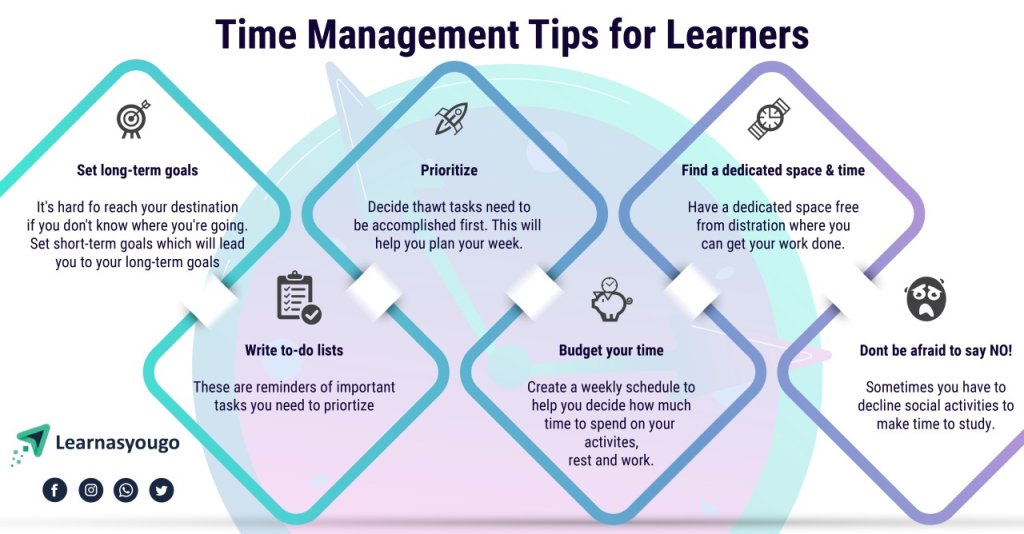
  • How to Manage Time While Learning Multiple Topics

    It’s exciting to want to learn everything. One moment you’re deep into digital marketing, the next you’re watching coding tutorials, and before you know it, you’re curious about psychology or finance. The world has so much knowledge to offer, and learning multiple topics at once feels like unlocking different parts of your brain. But the truth? It’s not easy to manage your time when you’re juggling different areas of study. Without structure, you’ll end up halfway through ten things instead of mastering two.

    Still, it’s completely possible to balance it all — if you approach it with strategy, discipline, and a bit of self-awareness.

    Let’s break it down step-by-step, in a realistic way.

    1. Understand Why You’re Learning Each Topic

    Before you even touch a schedule or a time planner, ask yourself this simple question: Why am I learning this?

    When you study multiple things at once, not every topic needs the same amount of attention or energy. Some things are career-focused (like learning data analysis), others might be curiosity-based (say, photography or a new language). The “why” behind your learning helps you prioritize.

    For example, if your goal is to switch careers into web development, that subject deserves daily focus, while something like learning guitar could be 2–3 times a week. The moment you understand purpose, you stop spreading yourself too thin.

    2. Break Your Week Into Learning Blocks

    The biggest mistake people make is trying to study everything every day. That’s a fast way to burn out and remember… almost nothing.

    Instead, divide your week into focus blocks. For instance:

    • Monday & Tuesday: Core topic (e.g., coding)
    • Wednesday: Complementary topic (like UX design or digital tools)
    • Thursday: Reading or general learning
    • Friday: Creative subject (e.g., writing, drawing, etc.)
    • Weekend: Review or light exploration

    This system works because your brain loves consistency. You’re training it to expect certain subjects on certain days, which makes switching easier and less mentally exhausting.

    Also, always include buffer time. Life happens — meetings, mood swings, low energy days. Don’t pack your schedule to the last minute.

    3. Use the “One-Topic-Per-Session” Rule

    Multitasking feels productive but it kills actual progress. You might think you can watch a programming tutorial while reading marketing blogs, but your brain isn’t built for that.

    Instead, create focused sessions. Spend 45–90 minutes on one single topic, then take a short break before moving to the next one. During that session, remove distractions — phone off, no social media tabs open, no switching.

    You’ll be surprised how much deeper you learn when you stop jumping between topics mid-session.

    4. Create a Tracking System (But Keep It Simple)

    You don’t need a fancy Notion dashboard or a complicated productivity app — though you can use them if you enjoy it. What matters is having a way to track progress.

    A simple Google Sheet, notebook, or even a whiteboard works fine. Just note:

    • What topic you studied
    • How long you studied it
    • What specific concepts you covered
    • What’s next

    This not only helps you stay organized but also gives you a psychological boost when you see your progress growing week by week.

    5. Mix Learning Styles

    One common trap is trying to study everything in the same way — reading, reading, reading. But when you’re handling multiple topics, variety helps you stay mentally fresh.

    Try this:

    • Watch videos for visual-heavy topics (like design or art).
    • Read articles or books for theory-based learning (like economics or history).
    • Practice hands-on for skill-based areas (like coding, writing, or speaking a new language).

    Switching between styles keeps things interesting and prevents mental fatigue. It’s also proven that multi-sensory learning (visual + auditory + kinesthetic) improves long-term memory.

    6. Set Micro-Goals for Each Subject

    Big goals like “learn data analysis” or “master photography” are too vague. They drain motivation because progress feels invisible.

    Instead, break everything down into micro-goals — tiny, trackable tasks that you can finish in a week.

    Example:

    • “Learn basic Excel formulas” instead of “learn Excel.”
    • “Shoot and edit one 2-minute video” instead of “get better at video editing.”

    Each completed micro-goal gives you a small win, and those add up. You’ll actually feel like you’re learning instead of endlessly chasing vague mastery.

    7. Protect Your Focus Time (Non-Negotiable Hours)

    When you’re studying several topics, the biggest enemy isn’t complexity — it’s distraction.

    Social media, random YouTube recommendations, phone notifications — all can break your rhythm. The trick is to create non-negotiable study blocks every day or every few days. During these hours, nothing else gets your attention.

    It could be 7–9 AM before work, or 9–11 PM if you’re a night owl. The time doesn’t matter — the consistency does. Treat these blocks as seriously as a meeting with your boss.

    8. Learn How to Switch Context Smoothly

    Switching between topics can create “mental lag.” You finish studying finance and jump straight into language learning — your brain feels scattered.

    To fix that, give yourself short transition rituals. For example:

    • Take a 10-minute walk
    • Stretch, get water, breathe deeply
    • Quickly review what you learned before switching

    This helps reset your mind and improves focus for the next topic.

    9. Don’t Study for Too Long

    Here’s something most people get wrong: more hours ≠ more learning. Your brain retains information best in shorter, focused bursts.

    The Pomodoro technique (25 minutes focus + 5 minutes break) or even 90-minute deep sessions work far better than marathon study days.

    It’s better to do three 1-hour sessions across the day than one 6-hour block of cramming. When you rest, your brain consolidates memory — so taking breaks is actually part of learning, not avoiding it.

    10. Reflect and Adjust Weekly

    Every week, sit down for 15 minutes and ask yourself:

    • What did I learn this week?
    • Which topics took more time than I expected?
    • Am I spreading myself too thin?

    Adjust accordingly. Sometimes, you’ll realize one subject needs to pause while another deserves more attention — and that’s fine. Flexibility is key.

    Learning multiple things isn’t about rigid discipline. It’s about rhythm — knowing when to push, when to pause, and when to switch gears.

    11. Avoid Guilt and Comparison

    This part matters a lot. You’ll see people online mastering skills faster, or finishing courses you barely started. That’s okay. Everyone’s pace is different. The point of learning multiple topics isn’t competition; it’s curiosity and personal growth.

    Some weeks you’ll be super productive, others… not so much. The key is not to quit because of guilt. Consistency beats intensity every single time.

    12. Stay Curious and Reward Yourself

    When you’re managing multiple learning paths, burnout is always around the corner. Keep curiosity alive by connecting what you learn. Notice how coding teaches logic, which helps in problem-solving for business. Or how psychology improves your writing.

    Reward yourself for finishing milestones — watch a movie, take a day off, or just appreciate your progress. Learning should feel fulfilling, not punishing.

    Final Thoughts

    Managing time while learning multiple topics is less about working harder and more about working smarter. Know your priorities, plan learning blocks, protect your focus, and allow rest. Remember — your brain isn’t a machine. It needs time to absorb, connect, and reflect.


  •  How AI Helps Personalize Homework and Assessments


    Education has always sought ways to tailor learning to individual student needs. Traditional classrooms, however, often struggle to achieve this due to large class sizes, limited teacher resources, and standardized curricula. Artificial Intelligence (AI) is now changing this dynamic, offering tools that can personalize homework, assignments, and assessments for each student. By analyzing data on learning patterns, performance, and engagement, AI helps educators create a more tailored, effective, and motivating learning experience.

    1. Understanding Personalized Learning
    Personalized learning means adapting educational content to match the abilities, learning pace, and interests of individual students. In the past, personalization relied on manual observation by teachers, which can be subjective and limited by time constraints. AI, however, enables continuous, data-driven personalization.

    Through AI-powered platforms, educators can monitor each student’s performance across assignments, quizzes, and participation. The system identifies strengths, weaknesses, and learning gaps, then adjusts homework tasks or assessment questions accordingly. This ensures students are neither bored by tasks that are too easy nor overwhelmed by content that is too difficult.

    2. Adaptive Homework Systems
    AI enables adaptive homework systems that respond to a student’s needs in real time. For example, if a student struggles with fractions in mathematics, an AI platform can generate additional exercises targeting specific areas of difficulty, such as simplifying fractions or solving word problems. Conversely, if a student excels, the system can provide more challenging problems to maintain engagement.

    These systems often use algorithms that learn from each student’s interaction patterns. They can track how long a student spends on a question, whether they request hints, or where errors commonly occur. This data informs future homework tasks, creating a feedback loop that continuously refines personalization.

    3. Tailored Assessments
    AI also transforms assessments. Traditional exams tend to be one-size-fits-all, which can misrepresent a student’s understanding or abilities. AI-driven assessment platforms can create individualized tests that evaluate knowledge while accommodating different learning styles.

    For example, a language learning platform might present multiple-choice questions to one student while offering writing exercises to another, based on previous performance and learning preferences. AI can also adjust the difficulty level of questions dynamically. If a student answers initial questions correctly, subsequent questions become more challenging; if a student struggles, the system focuses on reinforcing foundational concepts.

    4. Immediate Feedback and Guidance
    One of the biggest advantages of AI personalization is immediate feedback. Unlike traditional homework, which may be returned days later, AI-powered systems provide instant responses, highlighting errors and suggesting corrective measures.

    For instance, in a mathematics problem, the system can not only indicate that the answer is incorrect but also show step-by-step guidance on where the student went wrong. In writing assignments, AI tools can flag grammatical errors, unclear phrasing, or logical inconsistencies, helping students improve in real time. This continuous feedback accelerates learning and reduces frustration.

    5. Supporting Diverse Learning Needs
    AI personalization is particularly beneficial for students with diverse learning needs. Students with learning disabilities, language barriers, or different cultural backgrounds can benefit from homework and assessments tailored to their abilities.

    For example, text-to-speech and speech-to-text features can support students with reading or writing difficulties. AI can simplify complex instructions, provide additional examples, or offer multilingual support for non-native speakers. By accommodating individual differences, AI fosters inclusion and ensures every student has the opportunity to succeed.

    6. Motivating and Engaging Students
    Personalized homework and assessments also improve motivation. When students see content that matches their level and interests, they are more likely to engage with the material. AI platforms often include gamification elements, such as badges, points, or leaderboards, which encourage consistent effort and reward progress.

    Additionally, AI can recommend supplementary resources tailored to each student’s interests. A student interested in environmental science, for example, might receive homework problems framed around climate change topics, making learning both relevant and engaging.

    7. Reducing Teacher Workload
    AI personalization not only benefits students but also supports educators. Grading, tracking progress, and designing differentiated homework are time-consuming tasks. AI platforms automate many of these processes, freeing teachers to focus on instruction, mentoring, and creative lesson design.

    Teachers can review analytics provided by AI systems to identify which students need extra help, which topics are challenging for the class, and where curriculum adjustments are needed. This data-driven approach allows for more informed and strategic teaching decisions.

    8. Challenges and Considerations
    While AI personalization offers significant advantages, challenges remain. Data privacy and security are paramount since AI systems rely on extensive student data. Ethical concerns also arise regarding algorithmic bias, which may inadvertently disadvantage some learners.

    Moreover, over-reliance on AI can reduce human interaction, which is essential for emotional support, critical thinking guidance, and mentorship. Successful integration requires balancing AI personalization with human oversight to ensure fairness, empathy, and holistic education.

    9. The Future of AI-Personalized Learning
    The future of AI in homework and assessment looks promising. As machine learning models improve, AI will offer even more precise personalization, predicting learning gaps before they appear and providing proactive support. Integration with immersive technologies like virtual reality could enable interactive assessments, while predictive analytics may help students plan long-term learning pathways tailored to their goals.

    Conclusion
    Artificial intelligence is transforming homework and assessments by providing personalized, adaptive, and engaging learning experiences. By analyzing student performance, AI creates tailored assignments, adjusts difficulty, offers immediate feedback, and supports diverse learning needs. While challenges such as privacy, bias, and reduced human interaction must be managed, the benefits are clear. AI helps educators deliver instruction that is more effective, efficient, and responsive, ultimately enhancing student learning outcomes and success. Personalization through AI is not just a tool—it is a pathway to more equitable and meaningful education in the digital age.

  • Steps to Overcome Procrastination in Self-Growth

    Procrastination. The word itself carries a bit of guilt, doesn’t it?
    We’ve all been there — staring at our to-do list, knowing exactly what needs to be done, yet finding a hundred other things that suddenly seem more important. Maybe it’s checking your phone, cleaning your desk, or watching just one more YouTube video. And before you know it, the day slips by.

    But here’s the truth: procrastination isn’t just about laziness. It’s a habit — a defense mechanism, even — that our brain uses to avoid discomfort. When we try to grow, to change, or to take on something challenging, fear and self-doubt often show up uninvited. The mind says, “Maybe later.” But “later” rarely comes.

    If you’re serious about self-growth, learning how to break this cycle is absolutely essential. Let’s take a deep, honest look at the real steps that actually work to overcome procrastination.

    1. Understand Why You Procrastinate

    Before fixing procrastination, you’ve got to understand it.
    Most people assume procrastination is poor time management, but it’s really about emotional management. You delay tasks not because you don’t know what to do — but because doing it feels uncomfortable. Maybe you’re afraid of failing, or the task feels overwhelming.

    Ask yourself:

    • What emotion do I feel right before I procrastinate?
    • Am I scared this won’t turn out good enough?
    • Do I feel confused or unsure where to start?

    The key here is awareness. Once you know why you procrastinate, you can start addressing the emotion behind it instead of just fighting the behavior.

    2. Break Down Your Goals into Micro-Steps

    Big goals can feel heavy. Overwhelming, even.
    If you tell yourself you need to “start a business” or “lose 20 pounds,” it sounds massive. Your brain, wired to avoid stress, instantly looks for escape routes. But when you shrink that goal into small, specific steps, it suddenly feels doable.

    For example:

    • Instead of “start a business,” make your first step: research one business idea today.
    • Instead of “get fit,” say: go for a 10-minute walk after lunch.

    Small wins matter. They build momentum — and momentum is the enemy of procrastination. When you make progress, even tiny progress, your brain gets a dopamine hit. That sense of achievement keeps you moving forward.

    3. Master the Two-Minute Rule

    This one is ridiculously simple — but it works.
    If something takes less than two minutes, do it immediately.
    Send that email. Reply to that text. Open the document. Once you start, you’ll often find yourself continuing beyond those two minutes.

    The hardest part of any task is starting. Once you begin, resistance melts away. Psychologists call this the “activation energy” — the mental energy required to go from nothing to something. Lower it, and you’ll naturally get more done.

    4. Use the Power of Environment Design

    Willpower alone isn’t enough.
    You can’t expect yourself to stay focused if your environment constantly tempts you to procrastinate. It’s like trying to diet while sitting in a bakery.

    So, instead of fighting distractions, remove them.

    • Put your phone in another room while you work.
    • Use website blockers to limit social media time.
    • Keep your workspace clean and minimal.

    But environment design isn’t just about removing distractions — it’s also about adding triggers that support action. Keep your journal on your desk if you want to write daily. Put your running shoes by the door if you plan to jog in the morning. Make it easy to start and hard to avoid.

    5. Reframe Perfectionism

    Perfectionism and procrastination are best friends.
    You tell yourself, “I’ll start when I’m ready,” or “I need to plan more.” But the truth is, perfectionism is just fear in disguise — fear of not being good enough.

    So here’s the thing:
    You don’t need to be perfect. You just need to begin.
    Progress beats perfection every single time.

    Try this mindset shift — instead of saying, “I need to do it perfectly,” tell yourself, “I’ll do it messy, but I’ll do it.”
    When you allow yourself to be imperfect, you remove the fear that’s holding you back. Because growth doesn’t happen when you get everything right — it happens when you try.

    6. Set Realistic Deadlines (and Mean Them)

    Open-ended tasks are a breeding ground for procrastination.
    If there’s no clear deadline, your brain assumes it can wait. That’s why setting specific, realistic timeframes is crucial. Not “someday,” not “later this week,” but by Thursday, 5 p.m.

    A great trick is to create “soft deadlines” — smaller checkpoints before the final one. For example, if you need to submit a report in 7 days, aim to finish the first draft in 3. These mini-deadlines create urgency and accountability.

    And speaking of accountability…

    7. Create Accountability Systems

    Humans naturally perform better when someone’s watching — even if it’s just a friend or an app.
    Tell someone about your goals. Join a community. Hire a coach. Even a simple check-in message like, “Hey, I’ll send you my draft by tomorrow,” can make you 10x more likely to follow through.

    You can also create personal accountability by tracking your progress visually — like marking an “X” on your calendar each day you take action. The growing chain becomes motivating. You won’t want to break it.

    8. Redefine How You View Motivation

    Here’s a big misconception: people think motivation comes before action.
    “I’ll do it when I feel ready.”
    But the truth? Motivation comes after you start, not before.

    Waiting to “feel inspired” is a trap. You act first — and then the energy follows. That’s why discipline often beats motivation. You can’t rely on feelings to guide your progress because feelings are unpredictable. But habits? Systems? They’re solid.

    So next time you catch yourself saying, “I don’t feel like it,” remind yourself — you don’t have to feel like it to do it.

    9. Reward Yourself for Small Wins

    Our brains love rewards. It’s basic psychology.
    When you celebrate progress — even small progress — you reinforce the habit loop of productivity. So treat yourself when you finish something difficult. Maybe it’s a cup of coffee, 15 minutes of scrolling TikTok, or watching an episode of your favorite show.

    10. Practice Self-Compassion

    This one’s important.
    You’ll still procrastinate sometimes. Everyone does. The goal isn’t to eliminate procrastination forever but to recognize it early and recover faster.

    Be kind to yourself. Be curious instead of critical. When you mess up, don’t spiral into guilt. Instead, ask: “What triggered me to delay this time? How can I adjust next time?”

    Self-growth isn’t a straight line. Some days you’ll make huge progress, and other days you’ll barely move. That’s okay. The important thing is that you keep showing up — imperfectly, consistently, authentically.

    Final Thoughts

    Overcoming procrastination isn’t about becoming some productivity machine. It’s about understanding yourself — your fears, habits, and patterns — and slowly learning how to work with them instead of against them.

  • How to Balance Ambition and Self-Care Effectively

    It’s strange how ambition and self-care, two things that should lift us up, often pull in opposite directions. You want to achieve, to build something meaningful, to be proud of your work — and yet, somewhere between the deadlines, late nights, and constant drive to “do more,” you start losing pieces of yourself. The body gets tired. The mind feels wired but empty. You say you’ll rest “after this week,” but the week never really ends, does it?

    Balancing ambition and self-care isn’t about choosing one over the other. It’s about learning to live in the middle ground — where progress and peace coexist. That’s the sweet spot where sustainable success actually lives.

    The Modern Trap of Endless Hustle

    Let’s be honest. Society glorifies ambition to a fault. We celebrate people who grind, who “sleep when they’re dead,” who build empires from scratch. There’s this subtle message that rest equals weakness — that if you’re not constantly producing, you’re falling behind.

    But that mindset is quietly destructive. Studies from the World Health Organization and Harvard Business Review have repeatedly shown that chronic overwork leads to burnout, decreased creativity, poor decision-making, and eventually health problems — not success. The more exhausted you are, the less effective you become, even if you’re “busy” all the time.

    Ambition without boundaries turns toxic. It eats away at the very foundation it needs to stand on — your energy, your clarity, your mental health.

    Redefining Ambition — It’s Not About Doing More

    The first step to balancing ambition with self-care is to redefine what ambition means to you. Most people think of ambition as climbing higher, earning more, checking off goals like a to-do list. But real ambition is about direction, not speed. It’s about doing what matters most — not everything.

    Ask yourself: “Why am I doing this?” If your goals come from comparison, ego, or fear of missing out, they’ll drain you. But if they come from purpose — from something that genuinely fulfills you — then your ambition starts to feel lighter, not heavier.

    Sometimes the most ambitious thing you can do is slow down long enough to make sure you’re climbing the right mountain.

    Signs You’re Losing Balance

    It can be tricky to know when your ambition has started crossing into self-neglect. The signs are subtle at first:

    • You wake up tired even after a full night’s sleep.
    • You feel anxious during breaks, like you should be doing something.
    • Your creativity starts dipping — ideas don’t come as easily.
    • You say “I don’t have time” to things that actually make you happy.
    • Even small setbacks feel huge, almost personal.

    If that sounds familiar, it’s not because you’re weak — it’s because your nervous system is overloaded. You’re running on adrenaline, not energy.

    Practical Ways to Balance Ambition and Self-Care

    Balancing doesn’t mean splitting your day perfectly between work and rest. It means integrating both in ways that support each other. Here are some practical, human-tested strategies that actually work:

    1. Schedule Rest Like You Schedule Work

    This sounds simple, but hardly anyone does it. You schedule meetings, deadlines, calls — but rest? It’s usually an afterthought. Block time on your calendar for activities that recharge you: reading, walking, stretching, naps, even doing nothing. Treat it like a meeting with your future self. Because it is.

    Research from Stanford University found that productivity sharply declines after 50 hours of work per week. Your brain literally starts short-circuiting on focus. So, rest isn’t indulgence — it’s maintenance.

    2. Learn to Say No — Without Guilt

    High achievers often struggle with this. You say yes to everything because you fear missing an opportunity or letting someone down. But every “yes” costs time, energy, focus — and saying yes too often means saying no to yourself.

    Try this small exercise: before committing, ask, “Will this still matter to me in six months?” If not, it’s probably not worth sacrificing your peace for.

    Remember, boundaries aren’t walls; they’re filters. They protect your energy from being scattered.

    3. Build Micro-Rituals of Care

    Self-care doesn’t have to be fancy or time-consuming. It’s not always about spa days or meditation retreats. It’s about micro-moments — tiny habits that signal to your brain, I matter too.

    Drink water before coffee. Step outside between calls. Stretch your shoulders. Write one sentence in a journal. Text a friend. These are not small things — they’re small repairs. And small repairs prevent big breakdowns.

    4. Redefine “Rest” as Active Recovery

    Many ambitious people think rest equals laziness. That’s a mindset worth challenging. Rest isn’t doing nothing — it’s doing what restores you. For some, that’s painting, hiking, cooking, even gardening. For others, it’s silence and solitude.

    Active recovery is about choosing activities that refill your energy instead of drain it. Scrolling social media might seem relaxing, but it often leaves you mentally cluttered. True rest feels grounding — it makes you feel more like yourself afterward.

    5. Reconnect With Your Body

    Ambitious people often live in their heads — ideas, plans, deadlines. The body becomes a vehicle, not a companion. But your body keeps the score. It tells you when you’re pushing too hard — tight shoulders, shallow breathing, constant fatigue.

    Start paying attention. Check in with your body a few times a day. Ask, “How am I really feeling right now?” Simple physical awareness can stop you from slipping into burnout without noticing.

    6. Practice “Intentional Ambition”

    Instead of chasing everything, pick the few things that truly matter and go all in on them. It’s better to move one or two goals forward deeply than five halfway.

    There’s a concept in psychology called “satisficing” — making decisions that are good enough rather than perfect. When you apply that to ambition, it frees you from constant pressure. You’re still growing, still striving, but with a rhythm that’s sustainable.

    The Mindset Shift: You’re Not a Machine

    Here’s something most of us forget: you’re not designed to operate at full capacity every day. You’re a living system, not a robot. Your energy, creativity, and focus come in cycles — and respecting those cycles doesn’t make you less ambitious. It makes you wiser.

    Athletes understand this deeply. They train hard, but they also rest deliberately because recovery is where strength builds. The same logic applies to mental performance. The brain needs downtime to connect ideas, store memories, and generate insight.

    Ambition without self-care is like flooring the gas pedal with no oil in the engine. It’ll move fast — for a while. And then it’ll seize.

    The Balance Is Personal — and Fluid

    There’s no perfect formula for balancing ambition and self-care. What feels balanced today might not work next month. Life shifts, priorities change. Some seasons require more push, others more pause. The key is to stay aware.

    Check in with yourself regularly. Ask:

    • Am I moving forward or just moving?
    • Do my goals still align with who I am?
    • When was the last time I did something just because I enjoyed it?

    When ambition and self-care stop being enemies and start being partners, life feels less like a race and more like a rhythm.

    Final Thoughts

    True success isn’t measured by how much you achieve, but by how whole you feel while achieving it. Ambition gives life direction. Self-care gives it depth. One without the other leads to emptiness.

    Balancing both takes practice — and grace. Some days you’ll lean too far into hustle, other days you’ll retreat into rest. That’s fine. Balance isn’t a fixed point; it’s a dance.

    So, keep striving — but remember to breathe. The goal isn’t to do it all. The goal is to build a life that feels good to live while you’re becoming who you want to be.

  • Mindfulness Techniques for Personal Transformation

    We live in a world that never seems to slow down. Notifications, deadlines, and constant noise from both inside and outside of our minds make it harder than ever to feel grounded. Many people move through life on autopilot, reacting rather than choosing. That’s where mindfulness comes in — not as a trendy buzzword, but as a practice that can truly reshape the way you experience yourself and the world around you.

    Mindfulness, at its core, means paying attention on purpose. It’s being present with what’s happening right now — without judgment or the need to change it. Sounds simple, but the truth is, it takes practice and patience. The human mind naturally drifts between the past and the future, replaying memories or predicting outcomes. Mindfulness gently brings you back to this moment, the only one you can really live in.

    The Science Behind Mindfulness and Change

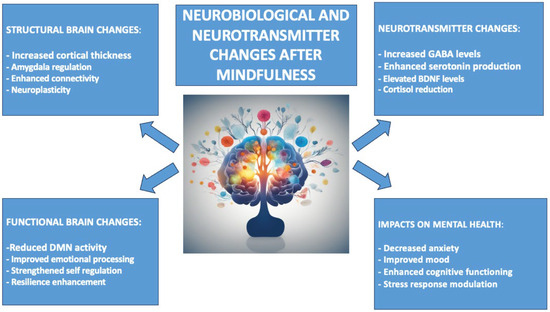
    Research in neuroscience over the past two decades has shown that mindfulness can literally rewire the brain. Practices like meditation increase gray matter density in areas associated with learning, memory, and emotional regulation. Regular mindfulness can reduce activity in the amygdala — the part of the brain responsible for stress and fear — while strengthening the prefrontal cortex, which governs decision-making and focus.

    That’s the science, but on a personal level, the transformation is more subtle. You begin to notice that you don’t get caught up in every thought or emotion that passes through your mind. You start responding to life instead of reacting. There’s a little more space between what happens and how you feel about it.

    1. Starting with Awareness of Breath

    Breath is often the anchor of mindfulness practice because it’s always with you. The simple act of observing your breath — noticing the air entering and leaving your lungs — can calm your nervous system and center your awareness.

    Try this: Sit quietly for a few minutes. Close your eyes and just notice your breathing. Don’t force it or control it. Let your breath be exactly as it is. When your mind wanders — and it will — gently bring it back to your breath. That gentle returning, again and again, is mindfulness in action.

    This small, daily practice can transform the way you relate to stress. You learn that you can pause before reacting, that you have a choice in how you respond to your own emotions.

    2. Body Scan Meditation

    The body scan is a powerful technique for reconnecting with the body — something most of us neglect. It involves mentally scanning your body from head to toe, noticing sensations without trying to change them.

    You might start at the crown of your head and slowly move downward, paying attention to any tension, warmth, or tingling you feel. You don’t judge or analyze — you simply notice. This builds somatic awareness, which helps you tune into how emotions manifest physically.

    For example, you might realize that anxiety always tightens your shoulders or that anger creates pressure in your chest. Once you start noticing these signals early, you can address your emotions before they overwhelm you.

    3. Mindful Observation of Thoughts

    One of the hardest things to accept is that you are not your thoughts. Thoughts come and go — sometimes kind, sometimes cruel — but they don’t define you. Mindful observation helps create distance between you and your mental chatter.

    Imagine your thoughts as clouds drifting across the sky. You don’t need to push them away or hold onto them. You simply watch them come and go. This simple visualization can help reduce overthinking and self-criticism.

    Over time, you begin to recognize mental patterns — recurring fears, judgments, or insecurities. Seeing them clearly is the first step toward changing them. Awareness itself is transformative.

    4. Loving-Kindness (Metta) Meditation

    Personal transformation isn’t only about calming the mind; it’s also about opening the heart. Loving-kindness meditation, or Metta, helps cultivate compassion for yourself and others.

    You start by repeating phrases like:
    “May I be safe. May I be happy. May I be healthy. May I live with ease.”

    After a few minutes, you extend those wishes to others — loved ones, strangers, even people who challenge you. It’s not about forcing yourself to feel love right away. It’s about planting seeds of goodwill and empathy, which gradually grow.

    This practice helps dissolve resentment and self-judgment, replacing them with understanding. You begin to see that everyone — including you — is doing their best with what they know.

    5. Mindfulness in Everyday Actions

    You don’t need to sit cross-legged for hours to be mindful. True transformation happens when mindfulness becomes part of ordinary moments — eating, walking, working, or even washing dishes.

    Try this exercise: Next time you eat, put away distractions. Notice the colors, textures, and flavors of your food. Chew slowly. Pay attention to how your body feels as you eat.

    These small acts of awareness train your mind to stay present in real life, not just during meditation. They turn routine activities into opportunities for peace and connection.

    6. Journaling with Awareness

    Mindful journaling is another tool for transformation. Instead of writing about your day mechanically, write with curiosity and presence. Ask yourself gentle questions like:
    “What emotion am I feeling right now?”
    “What triggered this reaction?”
    “What am I grateful for today?”

    Don’t worry about grammar or structure. The goal isn’t perfection — it’s honesty. Over time, journaling becomes a mirror that reflects your inner growth and reveals areas where you’re still stuck.

    7. Practicing Non-Judgment

    Perhaps one of the most important elements of mindfulness is non-judgment. We often label our experiences as “good” or “bad,” “right” or “wrong.” But mindfulness invites you to see things as they are, not as you wish them to be.

    When you stop fighting your reality, you begin to feel lighter. Acceptance doesn’t mean resignation — it means acknowledging what’s true so you can work with it instead of against it. That acceptance is often where real transformation begins.

    8. Gratitude and Mindful Appreciation

    Gratitude grounds you in the present moment and shifts your focus from lack to abundance. When practiced mindfully, it rewires your brain to notice the good instead of fixating on what’s missing.

    Take a few minutes each day to reflect on three things you’re grateful for — not big achievements, but small moments: a smile from a stranger, sunlight through your window, the comfort of a warm drink. Over time, gratitude softens your perspective and increases resilience.

    Transformation Isn’t Instant — It’s a Practice

    The truth is, mindfulness won’t make your problems disappear overnight. You’ll still feel stress, anger, sadness — because you’re human. But mindfulness changes your relationship with those emotions. It teaches you to experience them without being controlled by them.

    Transformation happens slowly, almost imperceptibly. One day you realize that you’re calmer in situations that used to overwhelm you. You catch yourself before reacting impulsively. You forgive more easily. You become gentler with yourself.

    The real gift of mindfulness isn’t becoming perfect — it’s becoming aware. Aware of your patterns, your choices, your capacity to change. And through that awareness, you begin to live with greater freedom, clarity, and compassion.

  • How to Create a Personal Development Plan for Success.

    1. Start With Self-Reflection — Know Where You Are

    Before you even think about “goals,” you’ve got to stop and take a clear, honest look at where you are right now.
    Ask yourself a few questions — and really sit with the answers:

    • What do I like about my life right now?
    • What feels “off” or unfulfilled?
    • What skills or habits are holding me back?
    • When do I feel most like myself?

    Most people skip this part because it feels uncomfortable. But if you don’t know what’s working or not working, you’ll just end up setting goals that don’t really fix the real problem.

    Try journaling for a few days. Write freely, no filters, no perfect grammar — just honest thoughts. Patterns will start to show up. You’ll notice certain frustrations, fears, or desires repeating. That’s your starting point.

    2. Define Your Vision — Where Do You Want to Go?

    Now it’s time to look forward. Think of your life 1, 3, even 5 years from now. What does success look like to you? Not society’s definition — your version.

    Maybe it’s financial stability. Maybe it’s becoming a more confident speaker. Maybe it’s building a business, traveling, or just living a calmer, more peaceful life.

    Write it down in detail — imagine your ideal day, the kind of people you’re surrounded by, the kind of work you’re doing, how you feel when you wake up.
    It might sound cheesy, but your brain needs something visual to move toward.

    If you can picture it, you can plan for it.

    3. Identify the Skills and Habits You’ll Need

    Here’s where your plan starts taking shape. Look at your vision and ask:
    “What skills, habits, or knowledge would I need to make that vision real?”

    For example:

    • Want to start a business? You might need to learn marketing, budgeting, or time management.
    • Want to get healthier? You might need to develop discipline, learn about nutrition, or improve your sleep schedule.
    • Want to grow emotionally? You might need to practice mindfulness, journaling, or emotional regulation.

    Once you list them, group them into categories: Skills, Habits, and Mindset.
    This helps keep things clear.

    Then, choose 1–2 from each category to focus on for the next few months. Don’t overwhelm yourself with too much at once — consistent small wins always beat massive unrealistic plans.

    4. Set Clear, Actionable Goals (and Break Them Down)

    Now you’ve got to turn your vision into something measurable.
    Use the classic SMART rule — goals that are Specific, Measurable, Achievable, Relevant, and Time-bound.

    Instead of saying:

    “I want to get fit.”

    Say:

    “I’ll work out for 30 minutes, 4 times a week for the next 3 months.”

    Instead of saying:

    “I want to start a business.”

    Say:

    “I’ll build a website and make my first sale within 90 days.”

    Then — and this is key — break each big goal into tiny daily or weekly tasks.
    That’s where most people mess up. They think they need huge motivation. They don’t. They just need small momentum.

    You don’t climb a mountain by staring at the top. You climb it one step at a time.

    5. Track Your Progress

    Here’s something a lot of people skip: tracking.

    Without tracking, you’ll lose focus and motivation fast.
    You can use whatever works best for you — a notebook, a spreadsheet, a Notion board, or even a notes app on your phone.

    Check in weekly. Ask yourself:

    • What did I accomplish this week?
    • What felt easy? What felt hard?
    • What can I adjust for next week?

    The goal isn’t perfection — it’s awareness.
    Even if you mess up, the act of noticing keeps you accountable and makes improvement possible.

    6. Find Accountability

    Let’s be real — self-motivation fades. Everyone struggles with it.
    So, find some way to keep yourself accountable.

    This could be:

    • A friend or mentor who checks in with you weekly.
    • Joining a community or mastermind group.
    • Posting updates publicly (social media or a blog).
    • Even setting small rewards for hitting milestones.

    Accountability transforms your personal development plan from “I’ll try” to “I’m doing it.”

    7. Revisit and Adjust Regularly

    Your goals and priorities will change — and that’s okay.
    Life isn’t static. What mattered six months ago might not matter today.

    That’s why it’s important to revisit your plan every few months. Ask yourself:

    • Is this still the direction I want to go?
    • What new challenges or opportunities have shown up?
    • Do I need to shift my focus or add something new?

    The most successful people don’t stick to one rigid plan forever — they adapt while keeping their long-term vision in sight.

    8. Mindset: The Glue That Holds It All Together

    Here’s something that doesn’t get talked about enough — your mindset is what makes or breaks your plan.

    You can have the perfect structure, the prettiest planner, the best advice, but if deep down you don’t believe you can do it, you’ll self-sabotage every time.

    So, feed your mind.
    Read personal growth books.
    Listen to podcasts that inspire you.
    Surround yourself with people who are working on themselves too.

    And when you fail (because yes, you will at some point), remind yourself that it’s part of the process — not the end of it. Growth is messy, nonlinear, and uncomfortable. But it’s also what makes life meaningful.

    9. Celebrate the Small Wins

    One big mistake people make is waiting until they reach the final goal to feel proud.
    But that’s a long wait — and most give up before they ever get there.

    Instead, celebrate every little win.
    Finished a book? Celebrate.
    Showed up for a workout? Celebrate.
    Pitched your idea? Celebrate.

    Those “tiny wins” train your brain to stay motivated. Success is built one small victory at a time.

    10. Final Thoughts

    Creating a personal development plan isn’t about trying to “fix” yourself.
    It’s about understanding who you are, deciding who you want to become, and then taking steady, intentional steps toward that version.

    You won’t do it perfectly. You’ll skip days. You’ll doubt yourself. That’s fine — that’s being human.

    But if you stay consistent, even in small ways, you’ll look back in a year and realize how far you’ve come.

    Because success doesn’t come from one big leap — it comes from hundreds of tiny steps in the right direction.

  • Morning Routines That Boost Motivation for Self-Growth

    You know those mornings when you wake up and immediately feel behind? Emails waiting, phone buzzing, brain fog still thick from the night before. Most of us start our days reacting — instead of creating. That tiny shift, from reactive to intentional, can honestly change everything. It’s not about being perfect, or following some billionaire’s 4 a.m. checklist. It’s about designing a morning rhythm that fuels your motivation — so you grow a little stronger, a little clearer, every single day.

    I’ve spent years experimenting with morning routines — some worked for a week, some stuck for years, and some… let’s just say, didn’t survive Monday. But along the way, I noticed something simple: when I start my day with purpose, I carry that energy into everything else. Here’s what I’ve learned — and what actually works if you’re trying to build a morning routine that genuinely boosts motivation for self-growth.

    1. Wake up for something, not to something

    Most people wake up to alarms, obligations, deadlines. That’s why mornings often feel heavy. Try flipping that mindset. Give yourself a reason to wake up for. Maybe it’s journaling, reading something inspiring, a quiet walk before the world gets noisy. The moment you attach meaning to your morning, even 15 minutes of it, the energy shifts.

    When you wake up, don’t grab your phone right away. It sounds cliché, but seriously — that single habit hijacks your attention before your own thoughts have a chance to arrive. Instead, take 5–10 minutes just to sit, stretch, breathe. Ask yourself, “What do I want to feel today?” That small question reconnects you to intention.

    2. Movement — the forgotten mental medicine

    You’ve probably heard it a thousand times: move your body. But the reason it’s repeated so often is because it works. Movement doesn’t have to mean an hour at the gym or a perfect yoga flow. It could be walking outside with coffee in hand, doing 20 jumping jacks in your pajamas, or dancing to one good song before you shower.

    Here’s the real thing: physical movement triggers mental movement. It shakes off the fog, helps regulate cortisol, and activates dopamine — your natural “let’s go” chemical. When you move early in the day, you’re not just energizing your muscles, you’re training your brain to take action instead of delay. That’s a huge part of self-growth — building momentum early, before resistance builds up.

    3. The five-minute gratitude pause

    Motivation and gratitude might sound like opposites — one’s about chasing goals, the other about being content — but together, they balance you. Each morning, write down (or just mentally list) three things you’re grateful for. Don’t overthink it. Sometimes it’s as small as “my morning tea,” or “the sunlight through my window.”

    Gratitude grounds you. It reminds your brain that growth isn’t just about what’s missing — it’s also about appreciating what’s already here. That balance prevents burnout, and it keeps motivation from turning into anxiety.

    4. Read or listen to something that grows your mindset

    Ten minutes of reading something nutritious for your mind can set the tone for your entire day. It could be a page from a personal development book, a short podcast episode, or even a single inspiring quote you reflect on.

    The trick here is to feed your brain something intentional, not just random social media noise. What you consume in the first hour shapes your thought patterns for the next twelve. Reading, especially in the quiet of the morning, helps you build perspective. It’s like calibrating your mental compass before you start walking.

    5. Visualization and micro-goal setting

    Visualization isn’t just a “manifestation” buzzword — it’s a practical mental tool. Close your eyes for a minute and imagine yourself going through your day successfully. See yourself handling challenges calmly, finishing your tasks, maybe even smiling through something that would normally stress you out.

    This mental rehearsal signals your brain to expect success, and weirdly enough, it often follows through. After that, set one or two “micro-goals” for the day. Not ten. Just one or two small wins that move you forward. Maybe it’s writing 500 words, cleaning your desk, or finally replying to that email. Small wins create momentum, and momentum sustains motivation.

    6. Eat and hydrate like your brain matters

    This one sounds boring but matters more than people admit. Your brain consumes around 20% of your daily energy. If you skip breakfast or load up on sugary junk first thing, you’re setting yourself up for a crash before noon.

    You don’t need a fancy smoothie bowl. Just something simple and balanced — maybe eggs and toast, or oats with fruit, or even a protein shake if you’re in a rush. And drink water. Real water, not just coffee. Hydration improves alertness, focus, and mood regulation — all essentials for self-growth work.

    7. Create a “no chaos” zone

    Your environment either supports your growth or silently drains it. If the first thing you see when you wake up is clutter, it signals disorder. Spend two minutes every night setting up your space — clear the desk, prepare your clothes, line up what you’ll need in the morning.

    When you wake up to order instead of chaos, your brain doesn’t have to waste energy making small decisions. You feel calmer, more in control. And control — the sense that you can steer your day — fuels motivation.

    8. Practice silence before noise

    There’s something powerful about starting your morning in silence, even for a few minutes. Before the world’s demands pour in, let your mind breathe. No music, no scrolling, no background chatter. Just stillness.

    It’s in those quiet moments that clarity sneaks in — maybe an idea, maybe a realization, maybe just peace. Self-growth isn’t always about doing. Sometimes, it’s about listening. The more space you give your thoughts, the better your decisions become later in the day.

    9. Reflection before motion

    Before diving into work, take one final pause. Reflect on what matters most for the day. Ask yourself: “If I only accomplished one thing today, what would make me feel proud tonight?” Write it down somewhere visible.

    This simple act brings focus. It’s easy to get lost in busyness — but busyness isn’t the same as progress. Reflection turns random activity into deliberate growth.

    10. Be flexible — not perfect

    This one’s important. Some mornings will go wrong. You’ll oversleep, spill coffee, skip journaling, or just not feel it. That’s fine. The point of a morning routine isn’t to be flawless — it’s to give yourself structure that supports growth, not punishes inconsistency.

    Motivation isn’t a constant flame; it flickers. What matters is that you keep showing up for yourself, even imperfectly. Every morning you try again, you’re strengthening self-trust — and that’s the real foundation of self-growth.

    Final Thoughts

    Morning routines are not about strict schedules or impossible discipline. They’re about momentum. A few intentional choices in the first hour can shape the next sixteen. When you wake up for yourself, move your body, feed your mind, and set a tone of gratitude — you begin your day from power, not pressure.

    Your routine doesn’t have to look like anyone else’s. It just has to remind you who you are becoming. And that — right there — is where motivation for self-growth truly begins.

  • How to Manage Self-Doubt While Learning New Skills

    Learning something new is exciting—until that voice in your head starts whispering, “You’re not good enough.”
    That little voice, the one that questions your ability, compares you to others, and points out every mistake—it’s self-doubt. And whether you’re learning a new language, trying to code, painting for the first time, or starting a business, self-doubt is one of the biggest obstacles between you and progress.

    The truth is, almost everyone feels it. Even people who look confident from the outside. The difference between those who give up and those who grow lies in how they manage that self-doubt, not whether they have it.

    Let’s talk about how you can do the same.

    1. Understand Where Self-Doubt Comes From

    Before you can fight self-doubt, you have to know what fuels it.
    It usually comes from one of three places: fear of failure, comparison to others, or perfectionism.

    When you start learning something new, your brain hates being uncomfortable. It’s wired to avoid risk, so it tells you to quit or that you’re not capable—just to keep you safe from possible failure. That’s the brain doing its job, but it’s not always helpful.

    Comparison is another killer. You scroll through social media, see people who are miles ahead, and suddenly feel small. You forget they probably started years ago and also struggled at the beginning. You only see the highlight reel, not the messy drafts and late-night frustrations.

    And then there’s perfectionism. The belief that everything you do has to be flawless before it’s “good enough.” That mindset stops people from even trying. It’s better to be imperfect and progressing than perfect and paralyzed.

    2. Reframe How You See Failure

    If you’re scared of making mistakes, you’ll never get far. Learning anything new involves failing—again and again.
    Think about how kids learn to walk. They fall dozens of times before taking a proper step. But they don’t stop and say, “I guess walking isn’t for me.” They get up, try again, and celebrate every small win.

    Failure isn’t proof that you’re not good enough; it’s feedback. It shows you what doesn’t work so you can adjust and improve next time.
    Instead of saying, “I failed,” try saying, “I learned what not to do.” That tiny shift in language changes how your brain interprets the experience.

    You’ll start to view challenges as part of the process—not as signs that you should give up.

    3. Focus on the Process, Not the Outcome

    When you obsess over results, you invite pressure.
    You want to be fluent in Spanish in a month, or master graphic design overnight, and when that doesn’t happen, you feel disappointed. The truth is, mastery takes time.
    Everyone wants the outcome, but few people want to fall in love with the process.

    Instead of measuring success by how far you still have to go, measure it by how much you’ve learned since yesterday.
    Ask yourself:

    • What small progress did I make today?
    • What did I learn from the mistakes I made?
    • Did I show up, even when I didn’t feel confident?

    Celebrate effort, not just results. Because showing up despite doubt is already a kind of success.

    4. Limit Comparison Traps

    Comparison is natural—it’s how humans understand their place in the world—but in the age of social media, it’s also toxic.
    You see people showcasing their skills, their wins, their “perfect” moments, and you start to question your worth. But remember, you’re comparing your beginning to someone else’s middle—or even their highlight reel.

    One simple rule: use comparison for inspiration, not judgment.
    If someone’s work makes you feel inferior, unfollow them for a while. Follow people who share the behind-the-scenes of their learning process, not just the finished product. Seeing the struggle reminds you that growth is messy for everyone.

    And if you do compare, compare wisely—compare yourself to who you were last month, not who someone else is today.

    5. Build a Learning Routine

    Self-doubt thrives on inconsistency. When you practice sporadically, you lose momentum and start to question whether you’re improving. But when you create a consistent routine—even a small one—you build evidence of progress.

    Set aside regular learning sessions, even short ones.
    Commit to just 20 minutes a day, if that’s all you can manage. Consistency matters more than intensity. Every time you show up, you’re proving to yourself that you can be disciplined and that you take your growth seriously.

    Over time, that evidence quiets self-doubt. It’s hard for your mind to argue with proof.

    6. Surround Yourself with Supportive People

    Learning can be isolating. Especially if people around you don’t understand what you’re trying to do. That’s why finding a supportive community matters.

    Join groups, online forums, or local classes where people are learning the same skill. Talk about your struggles, ask for feedback, and share your wins—no matter how small.
    When you see others facing similar challenges, it normalizes the ups and downs of learning. You realize, “Oh, it’s not just me.” That realization can be a powerful antidote to doubt.

    And remember, feedback is not criticism—it’s information. Use it to grow, not to judge yourself.

    7. Practice Self-Compassion

    This one’s big.
    People often think being hard on themselves will make them improve faster. But in reality, it does the opposite. Harsh self-criticism drains motivation.
    If you talked to a friend the way you talk to yourself when you’re struggling, they’d probably stop trying. So why do it to yourself?

    Try this: next time you mess up or feel stuck, talk to yourself the way you would talk to a friend.
    Say, “It’s okay to not get it right away. I’m learning.”
    Because that’s what you’re doing—learning, not failing.

    Self-compassion doesn’t make you lazy. It makes you resilient. It gives you the strength to keep going when things get tough.

    8. Visualize the Bigger Picture

    When self-doubt hits, zoom out. Ask yourself why you started learning this skill in the first place.
    Was it to grow? To challenge yourself? To change your career? Whatever your reason, keep it close. Remind yourself of your why every time you feel stuck.

    Visualization helps too. Picture yourself six months or a year from now—more skilled, more confident, and grateful that you didn’t quit.
    That version of you exists; you’re just in the process of becoming them.

    9. Accept That Doubt Will Always Exist

    Here’s the hard truth: you’ll never completely eliminate self-doubt. It doesn’t vanish when you get better—it just changes shape.
    Even experts doubt themselves sometimes. The trick is not to let doubt control your decisions.

    When you feel it creeping in, acknowledge it. Say, “I hear you, but I’m doing this anyway.”
    Confidence doesn’t come from the absence of fear; it comes from action despite fear.
    Each time you push through doubt, you teach your brain that you can survive discomfort. That’s how you build mental strength.

    Final Thoughts

    Self-doubt is not your enemy—it’s a signal that you’re growing.
    It means you care. It means you’re stepping outside your comfort zone. And that’s where all real learning happens.

    So the next time that inner voice tells you you’re not ready, remember: no one ever feels completely ready.
    Progress isn’t about feeling confident before you start—it’s about starting before you feel confident.

  • Self-Awareness Exercises for Better Decision-Making

    There’s something quietly powerful about knowing yourself.
    Not just the “I like coffee more than tea” kind of knowing—but the deeper, honest kind. The kind that understands why you react a certain way, why you keep making the same choices, or why some things just drain you more than others. That’s self-awareness. And it’s the secret ingredient behind truly good decision-making.

    Most of us think decision-making is a purely logical process. List pros and cons. Weigh outcomes. Pick the best option. Easy, right?
    Except… life doesn’t work like that.
    We make choices influenced by emotions, fears, biases, and habits we don’t even realize we have. Self-awareness acts like a flashlight—it doesn’t change what’s there, but it helps you see it more clearly before you take the next step.

    Below are some practical, real-world exercises to help you build self-awareness and improve how you make decisions—both big and small.

    1. The Daily Reflection Journal

    Yeah, journaling sounds old-school, maybe even cliché. But it’s one of the simplest, most effective tools to understand your own patterns. The key isn’t fancy writing—it’s honesty.

    Every evening, take ten minutes. Ask yourself three things:

    1. What decisions did I make today—small or big?
    2. How did I feel before, during, and after making them?
    3. Did I act from clarity or impulse?

    You’ll start noticing patterns. Maybe you make worse decisions when you’re tired. Or when you’re trying too hard to please someone. Over time, your journal becomes a mirror, reflecting why you do what you do.

    Pro tip: Don’t overthink grammar or structure. Just write what’s true in that moment, even if it’s messy. The magic is in the rawness.

    2. The “Pause” Technique

    Most poor decisions come from reacting too fast. We confuse speed with confidence.

    The “Pause” technique is as simple as it sounds. When you’re about to make a decision—especially one that feels emotionally charged—pause for 5 to 10 seconds. Take a breath. Ask yourself, “What am I really feeling right now?”

    Sometimes you’ll realize it’s not even the decision itself that’s stressing you—it’s fear of judgment or failure.
    That little gap between feeling and action is where wisdom lives. The pause doesn’t delay you; it protects you from impulsive mistakes.

    Practice it daily, even with tiny things—like replying to a frustrating message or deciding whether to buy something you don’t need. It trains your brain to respond instead of react.

    3. The “Why Ladder”

    This one’s uncomfortable but incredibly revealing.

    When you face a decision, ask yourself why you want to make it. Then, for every answer, ask why again. Do it five times.

    For example:

    • “I want to quit my job.”
      Why? → “I hate my boss.”
      Why? → “He never listens to me.”
      Why? → “I don’t feel respected.”
      Why? → “I’m not standing up for myself.”
      Why? → “I’m scared of confrontation.”

    Suddenly, it’s not about your boss anymore. It’s about your confidence.
    The Why Ladder exposes hidden emotions and motivations beneath the surface. And that’s where true clarity—and better decisions—come from.

    4. Emotional Check-Ins

    Throughout the day, take emotional inventory. Stop whatever you’re doing, take a breath, and ask:
    “What am I feeling right now?”

    You might be surprised how often you’re irritated, anxious, or distracted without realizing it. The goal isn’t to fix the feeling, just to name it. “I’m frustrated.” “I’m bored.” “I’m overwhelmed.”

    Labeling emotions actually calms the brain. It activates the rational part of your mind and weakens emotional reactivity. The more often you check in, the less likely emotions will hijack your decision-making later.

    You can even set phone reminders every few hours—sounds silly, but it works. Over time, you start catching emotions in real time before they drive your actions.

    5. Seeking Honest Feedback

    It’s not easy, but sometimes, others see us more clearly than we see ourselves. Ask a few people you trust—friends, coworkers, mentors—how they perceive your decision-making. Do you seem impulsive? Overly cautious? Overthink everything?

    The trick here is to listen without defending yourself.
    Feedback isn’t always comfortable, but discomfort is data. The goal isn’t agreement—it’s awareness.

    You might hear things that sting a bit, but they help uncover blind spots. Everyone has them. The difference between those who grow and those who stay stuck is who’s willing to look at them.

    6. Visualization Before Action

    Before you make an important choice, imagine the outcome as vividly as possible. Picture yourself having already made that decision. What does it feel like? Relief? Excitement? Dread?

    Your gut reaction is often a powerful signal. Visualization lets you test-drive a decision emotionally before committing to it in reality.

    If the image fills you with peace, it’s probably aligned with your values. If it feels heavy or tense, something’s off.
    This exercise combines intuition with reason—it bridges logic and feeling.

    7. Body Awareness Scan

    Our bodies often know what our minds don’t. Stress, discomfort, even intuition—it all shows up physically.

    Try this: sit quietly and scan your body from head to toe. Notice where there’s tightness, pressure, or relaxation.
    Then ask yourself, “What’s happening emotionally right now?”

    You’ll start noticing connections—like that sinking stomach before saying yes to something you don’t want to do. Or tension in your shoulders when you feel guilt. These physical signals can guide you toward—or away from—certain choices.

    Learning to listen to your body sharpens your internal compass. It’s primal wisdom most of us ignore.

    8. Self-Questioning Before Every Major Choice

    Before committing to something big, take a moment to reflect:

    • Does this align with my long-term goals?
    • Am I choosing this out of fear or growth?
    • Who benefits most from this decision—me or someone else?
    • Will I regret not doing it more than doing it?

    Writing down your answers clarifies motives.
    Half the battle in decision-making is knowing what’s really driving you.

    9. Mindful Silence

    We live in constant noise—phones buzzing, people talking, news streaming. Silence feels almost unnatural now. But that’s exactly why it’s so powerful.

    Spending even 10–15 minutes in silence each day helps you reconnect with your intuition. No music, no scrolling, no distractions—just you and your thoughts.

    At first, it feels awkward. Your mind will race. That’s okay. Let it. Over time, clarity emerges. You start hearing the quiet voice beneath all the noise—the one that usually knows what’s right for you long before logic catches up.

    10. Reflect and Refine

    Finally, after making decisions—good or bad—reflect on the outcome. Not to criticize yourself, but to learn.

    Ask:

    • What did I do well here?
    • What influenced me most in that moment?
    • What can I do differently next time?

    Self-awareness grows in hindsight. Reflection turns experience into wisdom. And wisdom, as they say, is just the memory of good decisions (and the lessons from bad ones).

    Final Thoughts

    Self-awareness isn’t some fluffy self-help idea—it’s a practical skill. A survival tool, even. The more you understand your emotions, triggers, and motivations, the more deliberate your life becomes.

    These exercises—journaling, pausing, reflection, mindfulness—they sound simple, but they reshape how you think, react, and decide.
    You stop drifting through life on autopilot and start steering it with intention.

    And maybe that’s the real goal here—not to make perfect decisions, but to make conscious ones.
    Because awareness, not perfection, is what truly changes everything.

  • “How to Reprogram Negative Thinking into Positive Action

    Negative thinking is one of the most powerful barriers that can hold people back from reaching their full potential. It affects confidence, motivation, and even physical well-being. The mind is an incredible tool, but it can also become a trap when filled with self-doubt, fear, and pessimism. Reprogramming negative thinking into positive action is not about ignoring problems or pretending everything is perfect. It is about changing the way you respond to challenges and shifting your focus from limitations to possibilities.

    Every thought that passes through your mind creates a certain emotional and physical response. When you constantly think negatively, your brain starts to believe that danger or failure is always around the corner. This creates stress and anxiety, which then influence your decisions. Over time, negative thoughts form patterns that become habits. You start to see the world through a lens of fear or inadequacy. To reprogram these patterns, you must first become aware of them. Awareness is the first step toward change. When you catch yourself thinking, “I can’t do this,” or “Things never work out for me,” you have to stop and recognize that it is just a thought—not a fact.

    Once you become aware of your thoughts, the next step is to challenge them. Ask yourself whether what you are thinking is really true. Most of the time, negative thoughts are based on assumptions, past experiences, or fear of the unknown rather than real evidence. For example, if you think, “I’ll fail if I try,” ask yourself, “How do I know that?” or “What if I succeed?” This simple questioning process weakens the power of negativity and allows you to replace it with more balanced, realistic thinking.

    One of the most effective ways to reprogram your mind is through positive self-talk. The words you speak to yourself every day shape your beliefs and actions. Instead of saying, “I can’t,” start saying, “I can figure it out.” Instead of “I’m not good enough,” say, “I’m learning and improving every day.” Repetition is key. The more you practice positive affirmations, the more your subconscious mind begins to accept them as truth. Over time, this rewires your thinking and changes how you react to challenges.

    Taking positive action is equally important in this process. Thoughts alone are not enough; they must be followed by action. When you act in spite of fear or doubt, you teach your brain that you are capable of more than it believes. Small, consistent actions build confidence and replace feelings of helplessness with empowerment. For instance, if you are afraid of public speaking, start by speaking in front of a mirror, then to a friend, and then to a small group. Each time you take action, your fear decreases, and your belief in yourself grows stronger.

    Visualization is another powerful tool for reprogramming negative thinking. The brain does not clearly distinguish between imagined experiences and real ones. When you visualize yourself succeeding—whether it’s acing a presentation, completing a project, or achieving a fitness goal—you create new neural pathways that prepare your mind and body for success. The more vividly you imagine positive outcomes, the more your brain becomes conditioned to expect them. This expectation naturally influences your behavior, leading you toward actions that make those outcomes real.

    Gratitude also plays a crucial role in transforming your mindset. When you focus on what is going wrong, your brain strengthens the neural circuits for negativity. But when you deliberately focus on what is going right, you rewire your brain for optimism. Make it a daily habit to write down three things you are grateful for. They do not have to be big—simple things like a good conversation, a comfortable home, or a meal you enjoyed can shift your focus from lack to abundance. Over time, gratitude trains your brain to notice positives automatically, reducing the power of negative thinking.

    It is also essential to manage the environment around you. The people you interact with, the media you consume, and the conversations you engage in all affect your mindset. If you spend time with people who constantly complain or criticize, their negativity can influence your thoughts. Surround yourself with individuals who inspire and encourage you. Read books, listen to podcasts, and engage in activities that nurture growth and positivity. Your environment should support the mindset you want to build, not drag you back into negativity.

    Mindfulness and meditation are powerful techniques for gaining control over your thoughts. When you practice mindfulness, you learn to observe your thoughts without judgment. Instead of getting lost in them, you begin to understand that thoughts come and go—they do not define you. Regular meditation calms the mind, reduces stress, and improves focus. It also increases self-awareness, allowing you to recognize negative patterns earlier and replace them with positive ones.

    Physical movement can also help shift your mental state. Exercise releases endorphins, the body’s natural mood boosters. A simple walk, a few minutes of stretching, or a workout session can clear mental fog and help you think more clearly. When your body feels strong and active, your mind follows. This connection between physical and mental health is often overlooked but extremely important for maintaining positivity.

    Another effective strategy is to turn mistakes into lessons. Instead of viewing failure as proof of inadequacy, see it as feedback. Every mistake offers information about what does not work and how to improve next time. People who adopt this mindset build resilience and confidence because they no longer fear failure—they see it as part of the journey. When you learn to embrace challenges and mistakes, you break the cycle of negativity and replace it with growth and curiosity.

    Finally, reprogramming negative thinking takes patience and persistence. Just as negative thought patterns were built over time, positive ones require consistent effort to take hold. There will be days when you slip back into old habits, but the key is to keep practicing awareness and redirection. With time, your mind will naturally lean toward positivity, and your actions will align with your goals.

    By transforming negative thinking into positive action, you gain control over your life. You stop reacting to fear and start creating opportunities. Every time you choose a positive thought, take a small step forward, or show gratitude, you strengthen your mental resilience. This process not only improves your outlook but also enhances your overall happiness and success. The power to change your life is already within you—it begins the moment you decide to think differently and act with purpose.