Category: Uncategorized

  •  Virtual Reality vs. Augmented Reality: What’s the Difference?

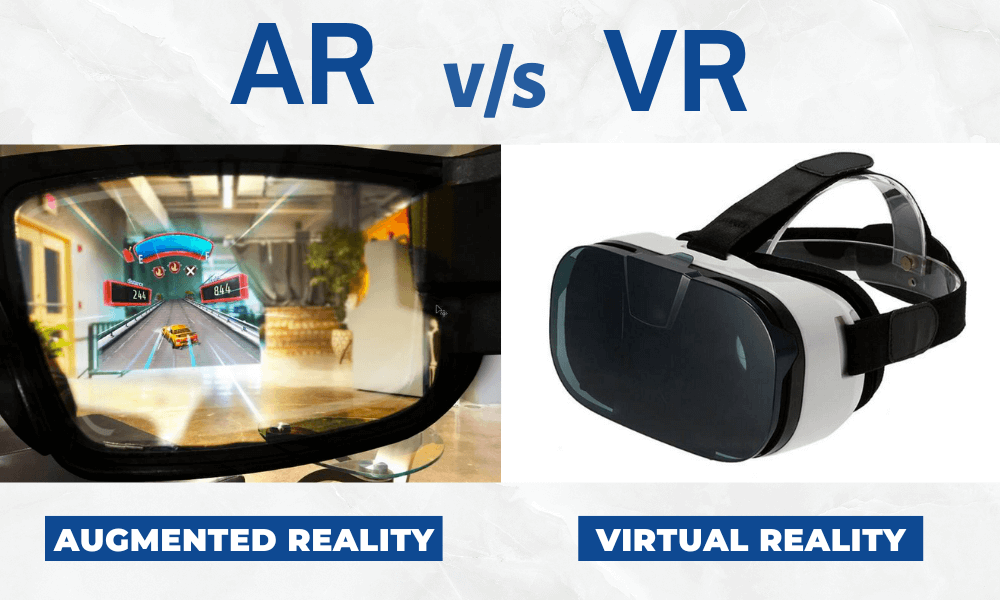
    Virtual Reality (VR) and Augmented Reality (AR) are two amazing technologies that are changing how we see and interact with the world. Though they sound similar, they are quite different.

    What Is Virtual Reality?

    Virtual Reality creates a fully digital world. When you wear a VR headset, you are completely immersed in a computer-generated environment. Gamers, for example, can explore fantasy worlds or simulate real-life situations.

    What Is Augmented Reality?

    Augmented Reality adds digital elements to the real world. For example, using your phone camera, AR can show how a sofa would look in your living room or display directions on the street in real time.

    Key Differences

    FeatureVirtual RealityAugmented Reality
    EnvironmentFully virtualReal world + digital elements
    DeviceHeadset or gogglesSmartphone or AR glasses
    InteractionImmersive and isolatedInteractive and blended
    ExampleVR gamingPokémon Go, Snapchat filters

    Applications

    • VR in Education: Students can explore historical events or visit virtual museums.
    • AR in Shopping: Customers can try products virtually before buying.
    • VR in Medicine: Doctors train in virtual surgeries without risks.
    • AR in Navigation: AR maps show routes and nearby landmarks directly on your screen.

    Future of AR and VR

    As technology improves, VR and AR will merge into Mixed Reality, where digital and physical worlds blend seamlessly. These technologies will change gaming, education, training, and communication forever.

    Conclusion
    Both VR and AR expand how we experience reality. While VR takes you to another world, AR brings the digital world into yours — together, they represent the future of digital interaction.
  • The Role of Technology in Sustainable Development

    Sustainable development aims to meet human needs without harming the planet. Technology plays a major role in achieving this balance between progress and environmental protection.

    Technology and Environment

    Technology helps reduce pollution, manage resources, and fight climate change. For example, renewable energy technologies like solar panels and wind turbines generate electricity without producing harmful gases.

    Agriculture

    Smart farming technologies help farmers use water and fertilizers efficiently. Drones and sensors monitor soil health, while data analysis predicts weather and crop growth, improving food security.

    Waste Management

    Modern recycling systems use robotics and AI to sort waste automatically. This reduces landfill use and allows materials to be reused efficiently.

    Transportation

    Electric vehicles (EVs) and public transport apps are reducing fuel use and emissions. Shared mobility platforms like Uber and Bolt optimize rides, lowering pollution.

    Smart Cities

    Technology enables smart cities with energy-efficient buildings, intelligent traffic systems, and better waste collection. These cities use sensors and data to improve quality of life while protecting the environment.

    Challenges

    While technology helps sustainability, it can also create problems such as e-waste and high energy consumption. The key is to use technology responsibly and develop eco-friendly solutions.

    Conclusion
    Technology and sustainable development go hand in hand. By using innovation wisely, we can create a greener, healthier, and more equitable world for future generations.

  • Hello world!

    Welcome to WordPress. This is your first post. Edit or delete it, then start writing!

  • How Machine Learning is Shaping the Future of Business

    Machine Learning (ML), a branch of Artificial Intelligence, is changing the business world rapidly. It enables computers to learn from data, identify patterns, and make decisions without being programmed for every step.

    What Is Machine Learning?

    Machine Learning uses algorithms that analyze data and improve over time. For example, Netflix uses ML to recommend movies, while banks use it to detect fraud.

    Machine Learning in Different Business Areas

    1. Marketing: ML helps companies understand customer behavior. It analyzes purchase history and browsing data to create personalized ads.
    2. Finance: Banks use ML to detect unusual transactions, predict risks, and automate loan approvals.
    3. Healthcare: ML models help doctors predict diseases and suggest treatments based on patient data.
    4. Retail: Online stores use ML to manage inventory and suggest products customers might like.
    5. Manufacturing: ML improves production by predicting equipment failures and optimizing resources.

    Benefits for Businesses

    • Better Decision-Making: ML turns big data into useful insights.
    • Automation: Repetitive tasks are done by machines, saving time and money.
    • Improved Customer Experience: ML-based chatbots and recommendation systems enhance satisfaction.
    • Competitive Advantage: Companies using ML can react faster to market changes.

    Challenges

    Despite its advantages, ML faces challenges such as data privacy, high costs, and the need for skilled experts. Businesses must also ensure that algorithms do not become biased.

    Future of ML in Business

    In the future, ML will make businesses smarter and more adaptive. Companies will rely on real-time data to make decisions, predict trends, and personalize every customer interaction.

    Conclusion
    Machine Learning is not just a technology; it’s a tool that’s redefining the way businesses operate. Those who embrace it will stay ahead, while others risk being left behind.

  • Cloud Computing: Revolutionizing Data Storage and Access

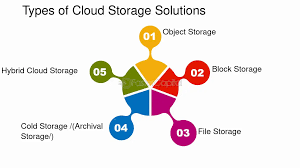
    Cloud computing has completely changed how individuals and organizations store, manage, and access their data. Instead of saving files on a local hard drive or personal computer, cloud computing allows users to store data on remote servers that can be accessed over the internet anytime, anywhere. This innovation has made data storage easier, safer, and more efficient.

    What Is Cloud Computing?

    Cloud computing means using internet-based servers to store and process data rather than depending on personal computers. Companies like Google, Amazon, and Microsoft provide cloud services that let users store documents, run applications, and even build software without owning physical servers.

    There are three main types of cloud computing:

    1. Infrastructure as a Service (IaaS) – provides basic computing resources like virtual machines and storage.
    2. Platform as a Service (PaaS) – offers tools for developers to create and test applications.
    3. Software as a Service (SaaS) – gives users access to software online (like Gmail or Dropbox).

    Benefits of Cloud Computing

    Cloud computing provides many benefits:

    • Accessibility: You can access your data from any device connected to the internet.
    • Cost Savings: Businesses don’t need to buy expensive hardware.
    • Scalability: Companies can easily increase or decrease storage as needed.
    • Data Backup: Cloud systems automatically save data, reducing the risk of loss.
    • Collaboration: Multiple users can work on the same document in real time.

    Impact on Businesses

    Businesses are adopting cloud computing to improve efficiency. It allows employees to collaborate remotely, manage projects online, and analyze data instantly. Small businesses especially benefit since they can access advanced technology without high costs.

    Security and Challenges

    While the cloud is convenient, security is still a concern. Companies must ensure data privacy through encryption and secure passwords. Another challenge is internet dependency — without a good connection, accessing the cloud becomes difficult.

    Future of Cloud Computing

    The future will see even faster, safer, and more intelligent cloud systems. With AI integration, cloud services will automatically manage data, predict storage needs, and detect security threats.

    Conclusion
    Cloud computing is revolutionizing how we store and access data. It’s making the world more connected and efficient — changing the way we work, study, and share information forever.

  • Cybersecurity in 2025: Trends and Challenges

    As technology advances, cyber threats are becoming more complex. In 2025, cybersecurity will be one of the biggest global challenges. Protecting data, systems, and privacy will require constant innovation.

    Growing Threats

    Hackers are now using AI and automation to launch more powerful attacks. Cybercrime is expected to cost trillions globally. From personal data theft to attacks on power grids and hospitals — no one is safe without proper protection.

    Artificial Intelligence in Security

    AI will play a big role in fighting cybercrime. Smart systems can detect unusual patterns, predict attacks, and respond instantly. However, hackers are also using AI, leading to a constant battle between defenders and attackers.

    Cloud Security

    As more companies move their data to the cloud, protecting it becomes vital. Encryption, two-factor authentication, and secure data management will be key to maintaining trust.

    Cybersecurity Skills

    There is a shortage of trained cybersecurity experts worldwide. In the future, governments and organizations will invest more in education and training to close this gap.

    Personal Awareness

    Individuals also need to stay alert — using strong passwords, updating software, and avoiding suspicious links. Cybersecurity is not just a job for IT professionals; it’s everyone’s responsibility.

    Conclusion
    By 2025, cybersecurity will shape how safe our digital world is. With cooperation, innovation, and education, we can stay ahead of cybercriminals and build a safer online future.