If you’ve ever spent hours cramming before an exam only to forget everything a week later, you already know how unreliable short-term memorization can be. The truth is, our brains aren’t built to store information all at once — they’re built to strengthen memories over time, through repetition and retrieval. That’s where spaced repetition comes in. It’s one of those ideas that sounds simple at first but, when used consistently, can completely transform how you learn and remember things for life.
What Is Spaced Repetition, Really?
At its core, spaced repetition is the practice of reviewing information at gradually increasing intervals. Instead of revisiting something every day until it sticks, you revisit it just before you’re about to forget it. That moment — right before forgetting — is where the magic happens. Psychologists call this the “optimal interval.” When you recall information then, the memory trace becomes stronger, almost like a muscle getting trained through resistance.
The idea isn’t new. In fact, it’s rooted in over a century of cognitive science. Back in the late 1800s, German psychologist Hermann Ebbinghaus mapped out the “forgetting curve,” showing how quickly we forget new information without review. His work laid the foundation for modern spaced repetition systems — everything from flashcards to AI-powered learning apps like Anki or SuperMemo. But the science behind it goes much deeper than just memory tricks.
Why Spaced Repetition Works
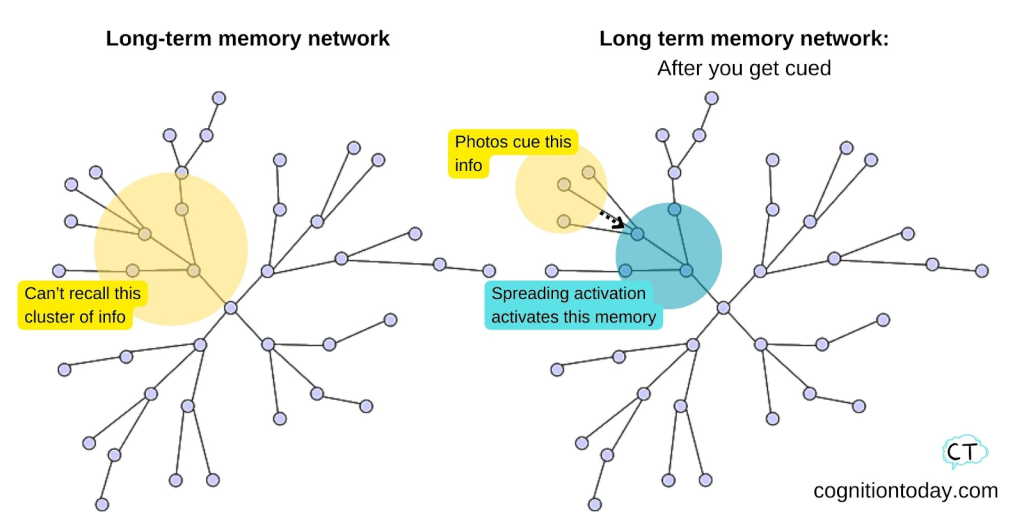
The human brain isn’t a filing cabinet. Memories aren’t stored in one neat place waiting to be opened; they’re woven into neural networks that strengthen through use. Every time you recall something, you reactivate that network, making it more resistant to decay. Spaced repetition leverages that principle by stretching out those activations over time.
When you first learn something — say, a new word in a foreign language — your memory of it is fragile. Reviewing it right away helps reinforce it. But if you review it too often, your brain gets lazy. There’s no challenge, no need for deep recall. Spaced repetition introduces the right amount of difficulty — a slight struggle that makes the recall effortful. That effort is what makes the memory stick.
Think of it like physical exercise: too easy, and you don’t grow; too hard, and you burn out. The sweet spot is somewhere in between. Spaced repetition finds that sweet spot for your brain.
The Science of the Forgetting Curve
Let’s get a bit more scientific, but not boring. Ebbinghaus’ forgetting curve showed that within 24 hours of learning something, you can forget up to 70% of it if you don’t review. However, each review resets the curve — and flattens it. After the first review, maybe you only forget 40% in 24 hours. After the second review, maybe 20%. Eventually, your brain decides, “Okay, this info keeps coming back — it must be important,” and it moves it into long-term storage.
That’s why students who use spaced repetition don’t just remember facts for exams — they retain them for years. Doctors use it for anatomy. Programmers use it to memorize syntax and algorithms. Language learners swear by it for vocabulary retention. The pattern is universal because it’s literally how the brain is wired to learn.
How to Use Spaced Repetition Effectively
Now, knowing what spaced repetition is isn’t enough. You have to know how to actually apply it. The good news? It’s not complicated — but it does require consistency.
- Start with bite-sized content.
Break information into small, digestible pieces. If you’re studying history, don’t try to memorize an entire timeline at once. Focus on one event, one concept, one date at a time. - Use active recall.
Don’t just reread notes. Test yourself. Close the book and ask, “What was the main idea again?” Every recall attempt strengthens the memory, even if you get it wrong. - Follow an interval schedule.
The most common pattern is something like: 1 day → 3 days → 7 days → 14 days → 30 days. Each review session comes a bit later than the last, based on how well you remember. - Use technology wisely.
Apps like Anki, Quizlet, and RemNote automate spacing intervals for you. They track your recall performance and adjust the schedule dynamically — which saves a lot of mental effort. - Mix it up.
Combine topics instead of studying one subject in isolation. This “interleaving” technique helps the brain make connections and strengthens contextual understanding. - Reflect after review.
Ask yourself why something matters. When learning isn’t just about memorizing, but understanding, retention naturally increases.
The Emotional Side of Memory
Here’s something people often overlook — emotion plays a huge role in memory. You tend to remember things that feel meaningful. Spaced repetition doesn’t just help you store dry facts; it gives you repeated opportunities to connect emotionally with what you’re learning. Each review can re-trigger that sense of curiosity or pride in progress.
This emotional reinforcement is subtle but powerful. If you keep seeing your flashcards and feel that little spark of “Oh, I remember this now!” — that’s motivation. And motivation keeps you going long enough for spaced repetition to work its long-term magic.
Common Mistakes to Avoid
Even though spaced repetition is simple, people often mess it up. They cram too much at once, skip review days, or treat it like a magic trick instead of a system. Remember, it’s spaced repetition — the “space” is the important part. You have to give your brain time to forget just enough before refreshing the memory.
Another common mistake is relying too heavily on apps. Tools are great, but if you just click through digital flashcards mindlessly, it won’t work. You still have to engage — visualize, associate, and think. The human brain learns through meaning, not repetition alone.
Lastly, don’t expect instant results. Spaced repetition is a slow burn. You won’t feel smarter after a week, but six months in, you’ll realize you remember things effortlessly — things other people forgot long ago.
Building a Lifelong Learning Habit
Spaced repetition isn’t only for students. It’s a mindset shift — a way to approach any kind of lifelong learning. Whether you’re mastering a language, studying business strategies, or remembering people’s names at work, it trains your brain to think in terms of growth over time rather than instant results.
Try this: make learning part of your routine, just like brushing your teeth. Ten minutes of spaced review a day can make a bigger difference than two hours of weekend cramming. Over months, your knowledge compounds — like interest in a bank account.
The real beauty of spaced repetition is how it respects the brain’s natural rhythms. It doesn’t force learning; it works with your memory system. And that’s why it lasts. Long-term memory isn’t about intensity — it’s about consistency.
Final Thoughts
Using spaced repetition isn’t just about memorizing more stuff — it’s about changing the way you relate to knowledge. You start to see learning as something ongoing, living, and growing. Each review becomes a small investment in future understanding.
Leave a Reply