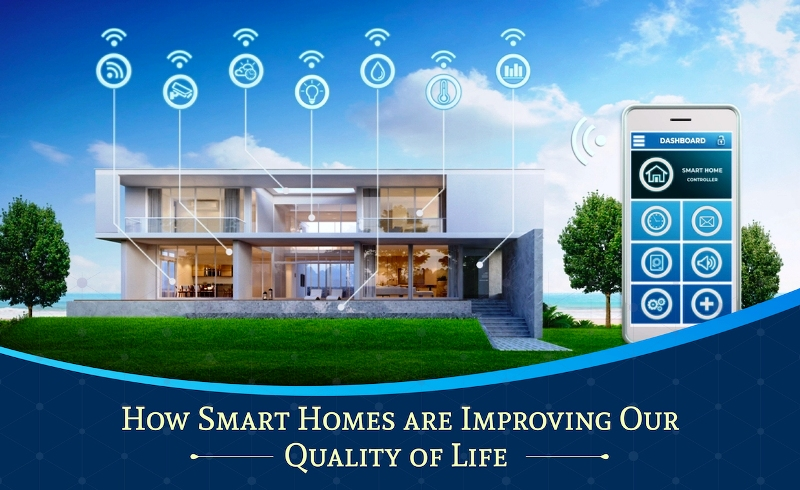
A “smart home” is a house where devices and systems are connected to the internet and can be controlled remotely. From lights and fans to security cameras and appliances, everything can be managed through a smartphone or voice assistant.
Convenience and Comfort
Smart homes make life easier. You can control lights, temperature, and music with a single command. For example, you can tell Alexa to turn off the lights or ask Google Home to play your favorite song.
Energy Efficiency
Smart thermostats and lighting systems help save energy by adjusting automatically based on your habits. This not only saves money but also helps the environment.
Safety and Security
Smart cameras, locks, and alarms give homeowners peace of mind. You can check who’s at your door from anywhere, receive alerts about unusual activity, and even unlock your home for guests remotely.
Health and Well-being
Smart homes can also take care of your health. Air quality monitors, smart mattresses, and wearable devices help you track your sleep, exercise, and environment. Elderly people can benefit from sensors that alert caregivers in emergencies.
Challenges
Smart homes depend on the internet. Power cuts or connectivity issues can cause inconvenience. Privacy and data security are also concerns — as smart devices collect personal information.
Conclusion
The rise of smart homes is making everyday life more comfortable, secure, and efficient. As technology improves, our homes will become even smarter — anticipating our needs and improving our lifestyles in countless ways.
Leave a Reply