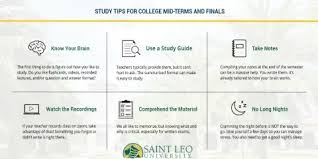
Finals… the very word makes most students tense. But here’s the thing: it doesn’t have to be terrifying. The difference between cramming and excelling comes down to strategy.
Plan Ahead
The first step is planning. Map out your exam schedule and figure out which subjects or topics are trickiest. Prioritize them. Some students make the mistake of trying to study everything equally—don’t. Focus on what carries the most weight and what you struggle with most.
Create a study calendar:
- Morning: tackle high-focus, difficult topics
- Afternoon: moderate topics or practice problems
- Evening: review and light reading
Planning reduces last-minute panic and helps you track progress.
Active Study Methods
- Active Recall
Instead of just rereading notes, close your books and try to recall everything you learned. Flashcards or self-quizzing are excellent for this. Research shows active recall significantly improves memory retention. - Practice Tests
Past papers or mock exams train your brain to think under pressure. They also highlight weak areas. For example, if you consistently miss questions on a certain topic, focus there first. - Feynman Technique
Teach a concept to someone else—or even pretend to teach. Explaining aloud forces you to simplify and understand deeply. If you can’t explain it simply, you don’t know it well enough yet. - Interleaving
Mix up subjects or topics instead of studying one subject for hours. Research indicates interleaving improves long-term retention and problem-solving ability.
Time Management
- Break study sessions into 50–60 minute blocks with 10–15 minute breaks
- Avoid multitasking. Switching between tasks reduces efficiency
- Track your time. Use apps or simple timers
Self-Care During Finals
- Sleep is critical. Even short naps improve memory consolidation
- Eat nutritious meals. Avoid sugar crashes and excessive caffeine
- Exercise lightly. 15–20 minutes of movement boosts cognitive function
Stress Management
- Meditate or practice deep breathing
- Positive self-talk can reduce anxiety (“I am prepared, I can do this”)
- Avoid comparing yourself to others
Final Thought
Finals are stressful, yes, but they don’t have to be overwhelming. Smart planning, active learning, proper time management, and self-care are far more effective than endless cramming. Study strategically, and you’ll feel confident walking into each exam.
Leave a Reply