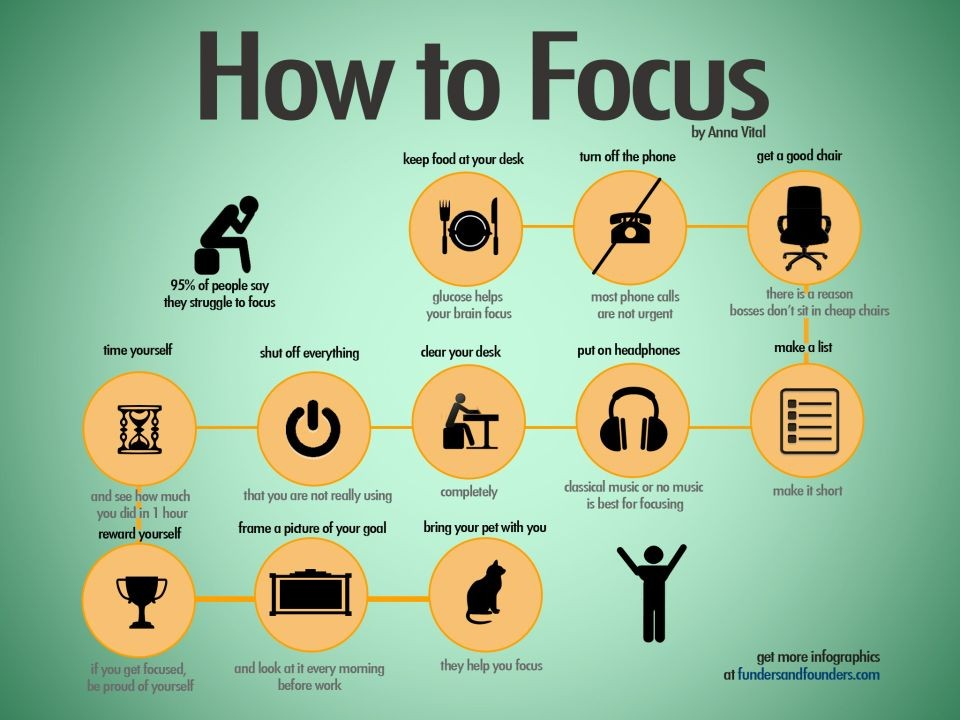
Studying in college isn’t just about reading textbooks or taking notes—it’s about actually focusing. But let’s be honest, staying concentrated isn’t easy. Social media notifications, a buzzing phone, a wandering mind… it’s a mess sometimes. Fortunately, science has studied focus for decades and found some reliable methods to improve concentration.
Understanding Concentration
Concentration is the brain’s ability to focus on a single task while filtering out distractions. Think of it like a muscle. The more you exercise it, the stronger it gets. But just like physical muscles, it can get fatigued. Research suggests the human brain can only maintain intense focus for 25–50 minutes before performance starts dropping.
So, if you’ve ever felt burnt out after hours of cramming, you’re not alone—and science actually supports taking breaks.
Science-Backed Techniques
- Pomodoro Technique
Probably the most famous focus hack. Study for 25–30 minutes, then take a 5-minute break. After four “Pomodoros,” take a longer break, like 20–30 minutes. Studies show this method improves productivity and prevents mental fatigue. - Control Your Environment
Your surroundings matter. Clear your desk, silence notifications, and keep tempting distractions out of reach. Even small distractions—like a buzzing phone—can reduce efficiency by up to 40%. - Mindfulness Meditation
Sounds fancy, but it’s simple. Just 5–10 minutes of focused breathing or meditation before a study session can enhance attention span. Neuroscience research shows regular mindfulness practice increases gray matter in brain regions linked to focus. - Physical Activity
Exercise boosts blood flow to the brain and improves cognitive function. A 15-minute walk or short workout before studying can make you sharper. - Diet and Hydration
Your brain needs fuel. Skipping meals, consuming too much sugar, or being dehydrated reduces attention. Foods like nuts, fruits, and protein-rich snacks, along with plenty of water, can enhance focus. - Background Noise
Some people focus best with complete silence, others with low-level ambient noise. Classical music, lofi beats, or white noise can help maintain attention, but experiment to see what works for you.
Daily Habits for Better Focus
- Sleep – 7–9 hours nightly is ideal. No amount of caffeine can replace quality rest.
- Routine – Try studying at your brain’s peak time. For some, mornings work best, others are night owls.
- Break Tasks into Smaller Goals – Completing small chunks provides instant motivation and prevents procrastination.
- Active Learning – Engage with material by summarizing, teaching, or self-quizzing. Passive reading rarely sticks.
Tips to Overcome Common Pitfalls
- Overworking – Don’t push past mental fatigue; breaks are essential.
- Multitasking – Studies show switching tasks reduces productivity drastically. Focus on one thing at a time.
- Procrastination – Use micro-goals. “Study one chapter” feels less intimidating than “finish all notes.”
Final Thought
Concentration is not about forcing your brain to work nonstop. It’s about understanding how it functions and creating the right environment and habits. Short, focused sessions, combined with mindfulness, sleep, and exercise, make studying less painful and more productive. Over time, focus improves naturally—and it feels way less stressful.
Leave a Reply