Child health is one of the most important aspects of family well-being. The early years of life play a major role in shaping a child’s physical, emotional, and cognitive development. Building healthy habits during childhood not only supports growth but also protects against diseases later in life. Parents, caregivers, and teachers all play a role in ensuring children develop in a safe, nurturing, and healthy environment. This article explains effective preventive measures and nutritional tips to keep children healthy and strong.
The Importance of Preventive Health Care
Prevention is always better than cure, and this principle applies especially to children. Early prevention helps avoid infections, malnutrition, and long-term health problems. Regular health check-ups are essential for tracking growth patterns, detecting any developmental delays, and ensuring vaccinations are up to date. Parents should maintain a child’s vaccination schedule as recommended by health professionals, since vaccines protect against life-threatening diseases such as measles, polio, and hepatitis.
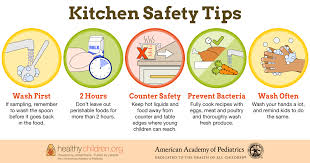
Another key preventive measure is hygiene. Teaching children proper hygiene habits—such as washing hands before meals, brushing teeth twice a day, and bathing regularly—helps reduce the risk of infections. Clean surroundings, safe drinking water, and proper waste disposal also play a vital role in keeping children healthy.
Healthy Nutrition for Growing Children
Nutrition is the foundation of good health in children. A balanced diet provides the essential nutrients required for growth, immunity, and brain development. Children need a variety of foods from all food groups—grains, proteins, fruits, vegetables, and dairy—to ensure they receive all vitamins and minerals.
Proteins are crucial for muscle and tissue development. Lean meats, fish, eggs, lentils, beans, and dairy products are excellent sources. Carbohydrates, found in whole grains like rice, oats, and wheat, provide energy for active children. Healthy fats such as those from nuts, seeds, and olive oil are also important for brain and nerve function.
Fruits and vegetables supply fiber, vitamins, and antioxidants that boost immunity and support digestive health. Children should eat a colorful variety of fruits and vegetables daily. Calcium and vitamin D are essential for bone growth, so dairy products, fortified foods, and safe sunlight exposure are important parts of a child’s routine.
Encouraging Healthy Eating Habits
Developing healthy eating habits early in life prevents obesity and other diet-related diseases. Parents can model positive behavior by eating healthy foods themselves. Meals should be served at regular times, and family dining should be encouraged to promote mindful eating. Avoid using sweets or junk food as rewards because this can create unhealthy emotional associations with food.
Children should also learn to drink enough water throughout the day. Soft drinks and energy beverages are high in sugar and should be avoided. For picky eaters, creative meal preparation—such as combining vegetables into colorful dishes or smoothies—can help increase nutrient intake without forcing food.
Physical Activity and Outdoor Play
Regular physical activity is essential for a child’s healthy development. Exercise strengthens bones and muscles, supports heart health, and helps maintain a healthy weight. It also improves coordination and mental well-being. Children should be encouraged to play outside for at least an hour daily. Activities like cycling, running, swimming, or playing sports promote fitness while making exercise fun.
Limiting screen time is equally important. Excessive use of televisions, smartphones, or tablets can lead to physical inactivity, poor posture, and sleep problems. Setting time limits for screens and encouraging outdoor play, reading, or creative hobbies creates a balanced routine.
Sleep and Rest
Adequate sleep is critical for children’s growth and development. During sleep, the body repairs tissues, strengthens the immune system, and supports learning and memory. Lack of sleep can cause irritability, reduced attention, and weakened immunity. School-aged children need about 9 to 11 hours of sleep per night. Establishing a regular bedtime routine and avoiding screens before bed help improve sleep quality.
Emotional and Mental Well-being
Good mental health is just as important as physical health. Children need emotional support and a sense of security to grow with confidence. Parents should listen to their children, encourage open communication, and spend quality time with them. Emotional stress can come from academic pressure, bullying, or family issues, so recognizing signs of distress early is important.
Encouraging creative expression through art, reading, or outdoor play can reduce stress. Teaching relaxation techniques, positive self-talk, and empathy helps children build resilience and handle challenges effectively.
Preventing Common Childhood Illnesses
Most childhood illnesses are preventable through good hygiene and proper care. Washing hands frequently, maintaining clean surroundings, and ensuring children have clean drinking water significantly lower the risk of infections. Avoid sharing personal items like towels, water bottles, or utensils to prevent the spread of germs.
Maintaining a healthy diet rich in vitamins C and E strengthens the immune system. Regular exercise and proper sleep also help the body resist infections. Parents should watch for early signs of illness, such as fever, cough, or fatigue, and seek medical attention promptly rather than relying on self-medication.
Dental Care
Oral health is often neglected but is an essential part of overall child health. Brushing teeth twice a day with fluoride toothpaste and visiting the dentist regularly helps prevent cavities and gum disease. Limiting sugary snacks and drinks also supports dental hygiene. Teaching children proper brushing and flossing techniques from an early age develops lifelong habits.
Safety at Home and School
Preventing injuries is another aspect of child health. At home, ensure that electrical sockets, medicines, and cleaning products are out of reach. Provide safe play spaces and use age-appropriate toys. At school, teachers should ensure safe physical environments and encourage children to follow safety rules. Wearing helmets while cycling and using seat belts in cars can prevent serious injuries.
Parental Involvement and Awareness
Parents play the most important role in maintaining child health. Regular communication with teachers and doctors helps track the child’s physical and mental development. Awareness about nutrition, hygiene, and emotional well-being ensures that problems are identified early. Parents should encourage questions, guide their children toward healthy decisions, and serve as positive examples in daily life.
Conclusion
Child health depends on a combination of good nutrition, preventive care, physical activity, and emotional support. A well-balanced diet strengthens the immune system and promotes growth, while regular exercise and hygiene habits keep illnesses away. Parents and caregivers should focus on creating a safe, loving, and disciplined environment that nurtures both the body and mind. By investing time and attention in preventive measures and nutrition, we ensure that children grow into healthy, happy, and responsible adults capable of leading fulfilling lives.
Leave a Reply