Category: health

  • Maintaining Good Health During the Pandemic

    The COVID-19 pandemic has changed the way we live, work, and interact. It reminded the world that health is the most valuable asset and that prevention is as important as cure. Even as the pandemic evolves, maintaining good physical and mental health remains essential for personal and community well-being. Strengthening the immune system, adopting healthy habits, and managing stress are key to staying resilient. This article explains practical ways to maintain good health during and after a pandemic.

    1. Strengthen the Immune System
    A strong immune system is the body’s best defense against infections. To keep it functioning well, focus on a balanced diet rich in vitamins, minerals, and antioxidants. Eat plenty of fresh fruits, vegetables, whole grains, nuts, and lean proteins.

    Vitamin C (found in citrus fruits, bell peppers, and guava) helps fight infections, while vitamin D (from sunlight and fortified foods) supports immune response. Zinc (in nuts, seeds, and lentils) and protein (from eggs, chicken, and beans) also play vital roles in immunity. Staying hydrated by drinking sufficient water and herbal teas helps flush out toxins and keeps the body energized.

    Avoid excessive sugar, processed foods, and fried items, as these can weaken the immune system. A nutritious diet provides long-term protection and resilience.

    2. Maintain Regular Physical Activity
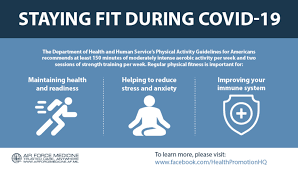
    Lockdowns and remote lifestyles have reduced physical movement, leading to fatigue, weight gain, and muscle loss. Regular exercise helps keep the heart strong, improves circulation, and boosts mood and immunity.

    Even simple activities like brisk walking, yoga, or stretching at home make a big difference. Adults should aim for at least 30 minutes of moderate exercise most days, while children need at least an hour of active play. For those unable to go outdoors, indoor workouts—such as bodyweight exercises, skipping, or dancing—are effective alternatives.

    3. Follow Good Hygiene Practices
    Personal hygiene is one of the most effective ways to prevent infection. Wash hands frequently with soap and water for at least 20 seconds, especially after returning from outside or touching shared surfaces. Carry hand sanitizer when soap and water are unavailable.

    Avoid touching your face unnecessarily, and always cover your mouth and nose while coughing or sneezing with a tissue or elbow. Regularly disinfect frequently touched items like mobile phones, doorknobs, and tables. Cleanliness helps reduce the spread of viruses and bacteria.

    4. Get Sufficient Sleep
    Quality sleep strengthens immunity and helps the body recover. Adults should aim for 7–8 hours of sleep per night, while children and teenagers need more. Sleep deprivation increases stress hormones, lowers immunity, and affects concentration.

    Establish a regular sleep routine—go to bed and wake up at the same time daily. Reduce screen time before bed, avoid caffeine late in the day, and create a calm, comfortable sleeping environment.

    5. Manage Stress and Anxiety
    Uncertainty and social isolation during the pandemic have caused emotional strain for many. Chronic stress weakens immunity and affects physical health. Managing stress through relaxation techniques, deep breathing, meditation, or journaling can make a big difference.

    Staying connected with family and friends through phone calls or video chats also supports emotional well-being. If anxiety or sadness becomes overwhelming, seeking help from a counselor or mental health professional is a healthy and responsible step.

    6. Keep a Consistent Routine
    Maintaining structure provides a sense of stability in uncertain times. Set daily schedules for meals, work, exercise, and relaxation. Consistent routines reduce stress and help the mind stay focused and organized.

    Encourage family members to participate in shared activities such as cooking, exercising, or reading together. Small positive routines build resilience and emotional balance.

    7. Eat Home-Cooked and Fresh Meals
    During the pandemic, many people relied on packaged or takeout food. However, home-cooked meals are healthier, more nutritious, and free from excess salt, sugar, and unhealthy fats.

    Cooking at home allows better control over ingredients and portion sizes. Include immune-boosting ingredients such as garlic, ginger, turmeric, and green vegetables in your diet. These not only enhance flavor but also provide natural protection against infections.

    8. Stay Hydrated
    Proper hydration is essential for every bodily function, from digestion to temperature regulation. Drink at least 6–8 glasses of water daily. Herbal teas, coconut water, and fresh fruit juices are also beneficial, but avoid excessive caffeine or sugary drinks.

    Hydration helps maintain energy levels, improves focus, and supports the immune system. Keep a water bottle nearby to remind yourself to drink throughout the day.

    9. Practice Safe Social Interaction
    While staying connected is important, it’s equally essential to practice safety during in-person interactions. Follow local health guidelines—wear masks in crowded areas, maintain physical distance, and wash hands regularly.

    If meeting others indoors, ensure good ventilation by opening windows. When feeling unwell, stay home to prevent spreading illness to others. Responsible behavior protects both yourself and your community.

    10. Keep Up with Medical Check-Ups and Vaccinations
    Many people delayed routine health check-ups during the pandemic, but preventive care should not be ignored. Regular screenings help detect health issues early. Continue to monitor blood pressure, sugar levels, and cholesterol as advised by your doctor.

    Vaccinations—including booster shots for COVID-19 and seasonal flu—remain important. Stay informed about current health recommendations from credible medical authorities.

    11. Limit Screen Time and Media Overload
    While staying informed is necessary, constant exposure to alarming news can increase anxiety. Set limits on news consumption and rely only on trusted sources for updates. Spend more time engaging in relaxing or productive activities like reading, exercising, or learning a new skill.

    For children, encourage offline hobbies like art, puzzles, or outdoor play to reduce digital fatigue.

    12. Maintain Clean Living Spaces
    A clean environment supports both physical and mental health. Regularly clean and disinfect high-touch areas at home. Ensure good ventilation and natural light to reduce indoor pollutants.

    Decluttering also reduces stress and creates a sense of calm. A tidy home promotes relaxation and a healthy mindset.

    13. Strengthen Mental Resilience
    Building mental resilience helps in adapting to changes and overcoming challenges. Practice mindfulness, gratitude, and positive thinking. Focus on what can be controlled rather than what cannot.

    Writing down goals, helping others, and finding purpose in daily activities foster optimism. Remember that mental health is just as important as physical health.

    14. Build Healthy Family Habits
    Families play a vital role in maintaining well-being. Encourage family meals, shared physical activities, and open communication. Support each other emotionally and celebrate small achievements. A positive family atmosphere enhances everyone’s overall health.

    Teaching children about hygiene, nutrition, and kindness creates lifelong healthy habits.

    15. Stay Hopeful and Adaptable
    Pandemics can test patience and strength, but they also remind us of the importance of adaptability. Embrace change with a positive attitude, learn from experiences, and continue improving personal and community health practices.

    Keeping a hopeful outlook reduces fear and supports healing—both physically and emotionally.

    Conclusion
    Maintaining good health during the pandemic requires a holistic approach—nurturing both body and mind. Balanced nutrition, regular exercise, adequate rest, and emotional well-being form the foundation of resilience. Simple habits like proper hygiene, hydration, and social responsibility help prevent illness and protect others. Most importantly, staying calm, informed, and connected helps navigate uncertainty with strength. By continuing these healthy practices even after the pandemic, we can build stronger, healthier communities for the future.

  • Easy Ways to Boost Kids’ Immunity

    A strong immune system is essential for children as it helps them fight off infections, recover faster, and stay healthy throughout the year. Since children are constantly exposed to new environments—schools, playgrounds, and other social settings—they come into contact with a variety of germs. While it’s normal for kids to catch a few colds each year, building a strong immune foundation through proper nutrition, hygiene, sleep, and lifestyle habits can greatly reduce the frequency and severity of illnesses. This article discusses practical, safe, and effective ways to strengthen a child’s immunity naturally.

    1. Provide a Balanced and Nutritious Diet
    A healthy diet is the cornerstone of a strong immune system. Children need a variety of nutrients to support their growing bodies and immune defense. Their meals should include fruits, vegetables, whole grains, lean proteins, and healthy fats.

    Vitamin C, found in oranges, strawberries, guavas, and broccoli, boosts white blood cell production, which helps fight infections. Vitamin A from carrots, spinach, and sweet potatoes keeps the skin and mucous membranes healthy, serving as the body’s first defense barrier. Zinc, found in lentils, beans, and nuts, supports wound healing and immune response.

    Limit processed foods, sugary snacks, and soft drinks, as they can weaken the immune system over time. Encourage home-cooked meals that include natural and seasonal ingredients to ensure freshness and maximum nutrient value.

    2. Ensure Adequate Sleep
    Sleep plays a vital role in restoring the body and supporting immune function. During sleep, the body produces cytokines—proteins that help fight infection and inflammation. Children who don’t get enough sleep are more susceptible to colds, flu, and stress.

    Preschoolers generally need 10–13 hours of sleep, while school-age children need 9–11 hours. Maintaining a consistent bedtime routine, keeping the bedroom quiet and dark, and limiting screen time before bed can improve sleep quality.

    3. Encourage Physical Activity
    Regular exercise boosts circulation, enhances mood, and strengthens the immune system. Outdoor activities such as running, cycling, or playing sports increase blood flow and help immune cells move efficiently through the body.

    Exercise also helps regulate body weight and reduces stress hormones that can suppress immune function. Even 30–60 minutes of active play each day can make a big difference. Encourage fun, non-competitive physical activities so that exercise becomes an enjoyable habit rather than a chore.

    4. Promote Good Hygiene Habits
    Teaching children basic hygiene early on helps prevent the spread of germs. Simple habits like washing hands before eating, after using the toilet, and after playing outside are highly effective in preventing infections.

    Show kids how to wash their hands properly—with soap and water for at least 20 seconds. Using tissues or elbows to cover coughs and sneezes also helps protect others. Regularly cleaning toys, school bags, and commonly touched surfaces at home further reduces germ exposure.

    5. Keep Children Hydrated
    Proper hydration supports the body’s natural detoxification process and helps transport nutrients to cells. Water also keeps the mucous membranes in the nose and throat moist, which helps trap bacteria and viruses before they enter the body.

    Encourage children to drink water throughout the day, especially during physical activity or hot weather. Avoid giving sugary drinks or excessive juices, as they can harm teeth and lead to unnecessary calorie intake.

    6. Maintain a Consistent Routine
    A predictable daily routine provides children with a sense of security and reduces stress. Consistent meal times, sleep schedules, and study or play routines help the body maintain balance and strengthen immunity. High stress levels can weaken a child’s immune response, so maintaining structure and calmness at home contributes to overall well-being.

    7. Support Gut Health
    The gut plays a major role in immunity—around 70% of the body’s immune cells reside there. A healthy gut helps the body absorb nutrients efficiently and fight harmful bacteria. Foods rich in probiotics, such as yogurt, kefir, and fermented vegetables, support good gut bacteria. Prebiotic foods like bananas, oats, and garlic feed these beneficial bacteria and maintain balance.

    Avoid overuse of antibiotics unless prescribed by a doctor, as they can disturb the natural gut flora and weaken immunity.

    8. Get Adequate Sunlight for Vitamin D
    Vitamin D strengthens the immune system by enhancing the function of white blood cells. Sunlight is the best natural source. Encourage your child to play outdoors for at least 15–20 minutes a day in the early morning or late afternoon sun.

    If sunlight exposure is limited, consider including vitamin D-rich foods like eggs, fish, and fortified milk in their diet. A doctor may recommend supplements if necessary, especially during the winter months.

    9. Ensure Proper Vaccination
    Vaccines are one of the most effective ways to prevent serious infections. Ensure your child receives all recommended vaccinations according to the schedule advised by healthcare professionals. Immunization not only protects your child but also helps prevent the spread of diseases within the community.

    10. Manage Stress and Emotions
    Children can experience stress from schoolwork, peer pressure, or changes in family life. High stress levels can suppress the immune system, making them more prone to illness. Encourage open communication so your child feels comfortable sharing their feelings.

    Relaxation activities such as storytelling, art, music, or spending time in nature help children unwind. Creating a supportive and loving environment builds emotional security and resilience.

    11. Avoid Secondhand Smoke and Polluted Environments
    Exposure to cigarette smoke and pollution weakens the respiratory system and lowers immunity. Avoid smoking inside the house or around children. Ensure they spend time in clean, well-ventilated areas. Indoor plants and air purifiers can help improve air quality.

    12. Encourage Family Meals
    Sharing meals as a family helps children develop healthy eating habits. It allows parents to model balanced eating, mindful portion sizes, and gratitude for food. Family meals also create emotional bonds that positively influence children’s mental health, which is closely linked to immune strength.

    13. Limit Screen Time
    Excessive use of electronic devices can lead to sedentary behavior, eye strain, and disrupted sleep patterns—all of which affect immunity. Set boundaries on screen time and encourage more physical, creative, and outdoor activities.

    14. Maintain Proper Cleanliness at Home
    A clean living environment reduces exposure to allergens and harmful microbes. Regularly disinfect common surfaces, wash bedding and clothes, and ensure proper ventilation. Avoid using harsh chemical cleaners that may irritate the respiratory system.

    15. Lead by Example
    Children learn best by observing their parents and caregivers. When adults practice healthy habits—such as eating well, exercising, maintaining hygiene, and staying calm under stress—children naturally follow. Creating a health-conscious home culture ensures that good habits become lifelong behaviors.

    Conclusion
    Boosting a child’s immunity is not about taking shortcuts or depending solely on supplements. It’s about nurturing their overall well-being through balanced nutrition, adequate rest, physical activity, and emotional support. By incorporating these simple and consistent habits into daily life, parents can help children develop a robust immune system that protects them now and as they grow. A strong foundation built in childhood leads to healthier, happier, and more resilient adults.

  • Daily Care Tips for Healthy Aging

    Aging is a natural process that every person experiences, but how well we age depends largely on our daily choices. Healthy aging means maintaining physical strength, mental clarity, emotional balance, and independence as we grow older. While genetics play a role, lifestyle factors such as diet, exercise, sleep, and stress management have a much greater impact on how gracefully we age. Developing positive habits and self-care routines can significantly slow down the effects of aging and improve quality of life.

    Understanding Healthy Aging
    Healthy aging is not just about living longer; it’s about living better. It involves maintaining vitality, preventing disease, and adapting to changes that come with age. As we grow older, metabolism slows, muscle mass decreases, and the risk of chronic diseases rises. However, with the right care and consistency, it is possible to stay active, strong, and mentally sharp well into later years.

    1. Eat a Balanced and Nutritious Diet
    Good nutrition is one of the foundations of healthy aging. A balanced diet supports energy, immunity, and brain function. Focus on nutrient-dense foods such as fruits, vegetables, whole grains, lean proteins, and healthy fats. Foods rich in antioxidants, like berries, spinach, and nuts, protect the body from cell damage caused by free radicals, which accelerate aging.

    Include calcium-rich foods for bone health and fiber for digestion. Avoid processed foods, refined sugar, and excessive salt. Drinking enough water is also crucial, as dehydration can cause fatigue, joint stiffness, and confusion, especially in older adults.

    2. Stay Physically Active
    Regular exercise helps preserve muscle mass, strengthen bones, and improve flexibility. It also enhances mood and brain function. Aim for at least 30 minutes of moderate activity most days of the week. Activities like walking, swimming, yoga, and light strength training are ideal for older adults.

    Exercise not only prevents chronic diseases such as heart disease and diabetes but also boosts balance and coordination, reducing the risk of falls. Even simple daily movements—like gardening, cleaning, or taking the stairs—contribute to better mobility and independence.

    3. Get Quality Sleep
    Sleep becomes more important as we age because it supports healing, memory, and hormone regulation. Older adults often experience sleep disturbances due to changes in circadian rhythm or underlying health issues. Establishing a consistent bedtime routine, avoiding caffeine late in the day, and creating a calm sleeping environment can help.

    Getting seven to eight hours of quality sleep each night strengthens the immune system and improves energy levels. Poor sleep, on the other hand, contributes to memory problems, mood swings, and weakened immunity.

    4. Manage Stress and Stay Emotionally Balanced
    Chronic stress accelerates aging by increasing inflammation and raising cortisol levels. It can lead to high blood pressure, anxiety, and depression. Managing stress through meditation, prayer, deep breathing, or journaling is essential for long-term wellness.

    Social interaction also plays a vital role in emotional well-being. Spending time with family, friends, or community groups provides support and reduces feelings of loneliness or isolation. Keeping a positive mindset and practicing gratitude each day improves mental health and overall happiness.

    5. Keep the Brain Active
    Just as the body needs exercise, so does the brain. Engaging in mentally stimulating activities like reading, puzzles, or learning new skills helps strengthen cognitive function. Learning a language, playing a musical instrument, or even using memory games can improve mental agility.

    Socializing also stimulates the brain. Conversations, debates, and shared activities challenge thinking and keep the mind alert. Staying mentally active reduces the risk of memory loss and cognitive decline associated with aging.

    6. Prioritize Regular Health Check-Ups
    Preventive healthcare becomes more important with age. Regular check-ups help detect problems early, when they’re easier to treat. Screenings for blood pressure, cholesterol, diabetes, and cancer should be done as recommended by a doctor. Eye exams, hearing tests, and dental check-ups also ensure that sensory health is maintained.

    Vaccinations such as flu shots and pneumonia vaccines protect against serious illnesses. Keeping medical appointments and following prescribed treatments contribute to longer, healthier living.

    7. Protect Bone and Joint Health
    Bone density naturally declines with age, increasing the risk of fractures. To maintain strong bones, include calcium, vitamin D, and magnesium in your diet. Weight-bearing exercises such as walking or light resistance training strengthen both bones and muscles.

    For joint health, stay active but avoid overexertion. Stretching, yoga, and swimming help maintain flexibility. Maintaining a healthy weight also reduces pressure on the joints, preventing pain and stiffness.

    8. Stay Hydrated
    Many older adults underestimate the importance of hydration. As we age, the sense of thirst decreases, making dehydration more common. Water supports digestion, nutrient absorption, and circulation. Drink at least 6 to 8 glasses of water per day. Include soups, fruits, and vegetables with high water content, such as cucumbers, oranges, and melons. Avoid too much caffeine and alcohol, which can lead to fluid loss.

    9. Maintain a Healthy Weight
    Being underweight or overweight both affect health during aging. Excess weight increases the risk of heart disease, diabetes, and arthritis, while being underweight weakens bones and reduces immunity. Focus on balanced meals, moderate portions, and regular physical activity to maintain an ideal weight.

    10. Avoid Smoking and Limit Alcohol
    Smoking accelerates aging by damaging skin, blood vessels, and lungs. It increases the risk of heart disease, stroke, and cancer. Quitting smoking at any age brings immediate health benefits.

    Similarly, alcohol should be consumed in moderation, as it affects liver function and can interfere with medications. For most adults, one drink a day for women and two for men is considered moderate.

    11. Take Care of Skin and Hair
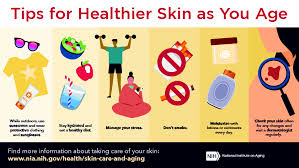
    Skin becomes thinner and less elastic with age. Protecting it from sun exposure is vital to prevent wrinkles and skin cancer. Use sunscreen, wear protective clothing, and stay hydrated. Gentle cleansing and moisturizing keep the skin soft and healthy.

    Hair also changes with age, becoming thinner or gray. Eating protein-rich foods and massaging the scalp improve circulation and hair strength.

    12. Keep a Clean and Safe Environment
    Maintaining a tidy, well-lit home reduces the risk of accidents. Remove clutter, install grab bars in bathrooms, and ensure adequate lighting in hallways. Safety at home promotes independence and peace of mind.

    13. Practice Mindfulness and Gratitude
    Mindfulness helps people stay present and appreciate life’s small joys. It reduces anxiety, lowers blood pressure, and improves overall happiness. Simple practices such as deep breathing, meditation, or focusing on positive experiences enhance emotional stability and calmness.

    Writing down things to be grateful for each day can shift focus away from worries, helping maintain a positive outlook and emotional balance during aging.

    14. Stay Socially Connected
    Isolation and loneliness can negatively affect both mental and physical health. Engaging in community activities, volunteering, or spending time with loved ones promotes joy and belonging. Maintaining strong social bonds reduces depression and strengthens resilience against illness.

    15. Keep a Sense of Purpose
    Having a purpose adds meaning to life and promotes healthy aging. Whether it’s caring for family, volunteering, or pursuing hobbies, meaningful activities keep the mind and spirit engaged. A sense of purpose is linked to better mental health, reduced stress, and longer life expectancy.

    Conclusion
    Healthy aging is not just about preventing disease but about creating a lifestyle that promotes vitality, joy, and independence. Small, consistent habits—balanced nutrition, physical activity, proper sleep, mental engagement, and emotional care—have a powerful impact over time. By taking care of the body and mind every day, it’s possible to age gracefully, stay active, and enjoy each stage of life to the fullest. Aging well begins with daily self-care, mindfulness, and gratitude for the life we live.

  • Essential Nutrients for Bone Strength

    Strong bones are the foundation of a healthy body. They support movement, protect vital organs, and store important minerals such as calcium and phosphorus. Bone health, however, is not something that can be achieved overnight. It depends on consistent intake of key nutrients, physical activity, and healthy lifestyle choices throughout life. As people age, bone density naturally decreases, increasing the risk of fractures and osteoporosis. The good news is that getting the right nutrients can strengthen bones, maintain flexibility, and prevent long-term problems.

    The Importance of Bone Health
    Bones are living tissues that constantly break down and rebuild. During childhood and adolescence, bone formation exceeds breakdown, allowing growth and development. After the age of 30, bone loss gradually begins to outpace bone formation, leading to weaker bones if nutritional needs are not met. Poor bone health can result from a lack of essential vitamins, minerals, and hormones. Maintaining strong bones is crucial for posture, mobility, and overall physical independence.

    1. Calcium: The Building Block of Bones
    Calcium is the most vital mineral for bone health, as nearly 99% of the body’s calcium is stored in bones and teeth. It gives structure and strength to the skeleton. A deficiency in calcium can lead to brittle bones and increase the risk of osteoporosis.
    Good sources of calcium include milk, yogurt, cheese, and other dairy products. For those who are lactose intolerant, alternatives such as fortified soy milk, almonds, tofu, and leafy green vegetables like kale and broccoli are excellent options. Adults generally require 1,000 to 1,200 milligrams of calcium per day.

    2. Vitamin D: The Calcium Absorption Partner
    Vitamin D is essential for calcium absorption. Without enough vitamin D, the body cannot effectively use calcium, no matter how much is consumed. This vitamin also plays a role in muscle function and immune health.
    The primary natural source of vitamin D is sunlight. Just 10 to 15 minutes of sun exposure a few times per week helps the body produce adequate vitamin D. Dietary sources include fatty fish such as salmon and tuna, egg yolks, and fortified dairy or cereals. In regions with limited sunlight, vitamin D supplements may be recommended by healthcare professionals.

    3. Magnesium: The Bone Density Booster
    Magnesium contributes to bone structure and helps activate vitamin D in the body. It regulates calcium balance and plays a key role in the formation of bone crystals. Low magnesium levels can lead to fragile bones and impaired bone repair.
    Magnesium-rich foods include nuts, seeds, whole grains, avocados, and green leafy vegetables. Adults need around 300 to 400 milligrams per day. A balanced intake of magnesium and calcium ensures optimal bone strength and metabolic function.

    4. Phosphorus: The Structural Mineral
    Phosphorus works closely with calcium to form hydroxyapatite, the main structural component of bones and teeth. It is involved in energy production and cell repair. However, excessive phosphorus, especially from processed foods and sodas, can interfere with calcium absorption.
    Sources of phosphorus include meat, fish, dairy, eggs, nuts, and legumes. Most people get enough phosphorus through a balanced diet, but it is important to maintain a healthy calcium-to-phosphorus ratio.

    5. Vitamin K: The Bone Protein Activator
    Vitamin K helps in the production of osteocalcin, a protein required for binding calcium to bone. It also prevents calcium from being deposited in arteries and soft tissues, keeping the circulatory system healthy.
    Leafy greens such as spinach, kale, collard greens, and broccoli are excellent sources of vitamin K. Fermented foods like natto (fermented soybeans) also contain high amounts. Regular consumption supports proper bone mineralization and flexibility.

    6. Vitamin C: The Collagen Builder
    Collagen forms the framework for bones, and vitamin C is crucial for its production. It acts as an antioxidant that protects bone cells from damage caused by free radicals. Inadequate vitamin C can lead to weakened connective tissue and slower bone healing.
    Citrus fruits, bell peppers, strawberries, kiwi, tomatoes, and Brussels sprouts are rich in vitamin C. A daily intake of vitamin C not only supports bones but also strengthens immunity and skin health.

    7. Zinc: The Bone Growth Supporter
    Zinc is involved in bone formation, repair, and mineralization. It supports the activity of bone-building cells called osteoblasts. Zinc deficiency may lead to delayed bone growth and weaker skeletal structure.
    Sources of zinc include meat, shellfish, pumpkin seeds, lentils, and chickpeas. Including zinc-rich foods in the diet ensures proper bone regeneration and density.

    8. Protein: The Structural Component
    Protein makes up roughly 50% of bone volume and is essential for maintaining bone mass. It works with minerals like calcium and magnesium to create strong and flexible bones. Both too little and too much protein can negatively affect bone health.
    Lean meat, eggs, fish, legumes, nuts, and dairy provide high-quality protein. Balancing protein intake with sufficient calcium helps maintain bone density, especially in older adults.

    9. Potassium: The Acid Neutralizer
    Potassium helps neutralize acids that can leach calcium from bones. Diets rich in fruits and vegetables provide potassium, which reduces calcium loss through urine.
    Bananas, oranges, potatoes, sweet potatoes, and spinach are excellent sources. Maintaining a high potassium intake supports calcium retention and overall bone mineralization.

    10. Iron: The Oxygen Carrier for Bone Cells
    Iron supports the production of collagen and the transportation of oxygen to bone tissue. Low iron levels can contribute to bone weakness and fatigue.
    Red meat, poultry, beans, lentils, and fortified cereals are good dietary sources. Pairing iron-rich foods with vitamin C enhances absorption.

    11. Boron: The Metabolic Regulator
    Boron is a trace mineral that supports calcium, magnesium, and vitamin D metabolism. Though needed in small amounts, it plays an important role in maintaining bone strength and hormonal balance.
    Foods like apples, pears, grapes, nuts, and legumes contain boron. While boron deficiency is rare, ensuring a diverse diet helps meet daily requirements naturally.

    12. Silicon: The Collagen Enhancer
    Silicon aids in the synthesis of collagen and improves bone flexibility. It supports the early stages of bone formation and enhances calcium deposition.
    Whole grains, oats, green beans, and beer (in moderation) are sources of dietary silicon. Although the exact daily requirement is not well defined, small amounts from plant-based foods are beneficial.

    13. Copper: The Bone Integrity Mineral
    Copper helps form cross-links in collagen and elastin, giving bones and connective tissues stability. It also acts as an antioxidant that protects bone cells from damage.
    Nuts, seeds, shellfish, and whole grains are good sources of copper. While only small amounts are needed, deficiency may lead to weakened bone structure.

    14. Limit Harmful Substances
    Certain habits can interfere with bone health. Excessive caffeine, alcohol, and smoking weaken bone tissue and reduce calcium absorption. Carbonated beverages high in phosphates can also affect bone density. Moderation and mindful consumption of such substances are key to maintaining strong bones.

    15. Combine Nutrition with Exercise
    Nutrition alone is not enough for healthy bones. Weight-bearing exercises such as walking, jogging, dancing, and resistance training help build and maintain bone mass. Physical activity stimulates bone remodeling and increases strength. Pairing good nutrition with regular exercise is the most effective way to prevent bone loss and fractures.

    Conclusion
    Bone health depends on a steady supply of nutrients that support structure, flexibility, and density. Calcium and vitamin D are the most critical, but minerals like magnesium, zinc, and potassium, along with vitamins C and K, also play essential roles. A balanced diet, regular sunlight exposure, physical activity, and avoiding harmful habits together ensure strong bones throughout life. Investing in bone health early helps prevent osteoporosis, fractures, and mobility issues later on. A nutrient-rich lifestyle today builds the foundation for strength and independence in the future.

  • How Artificial Intelligence Supports Virtual Study Groups

    Virtual study groups have become a cornerstone of modern education, especially with the rise of online learning and remote classes. Students now collaborate across cities, countries, and time zones, but managing such groups effectively can be challenging. This is where Artificial Intelligence (AI) comes in, transforming how students interact, share knowledge, and achieve collective learning goals. AI helps create smarter, more organized, and personalized virtual study environments, ensuring that collaboration is both effective and engaging.

    1. Organizing Study Groups Efficiently
    One of the first challenges in virtual study groups is organization. Matching students with similar interests, complementary skills, or shared learning goals can be difficult. AI-powered platforms analyze student data such as course performance, learning preferences, schedules, and even engagement patterns to form optimal study groups.

    For example, a system may match a student strong in mathematics with another student who excels in writing skills, creating a balanced group where members can support each other. AI also ensures that group size, availability, and time zones are considered, minimizing conflicts and maximizing participation.

    2. Facilitating Communication and Collaboration
    AI enhances communication in virtual study groups through chatbots, intelligent prompts, and automated scheduling. Chatbots can answer routine questions about assignments, provide reminders about deadlines, or suggest resources for study topics.

    Natural Language Processing (NLP), a branch of AI, enables the analysis of discussion threads, helping identify key points, summarizing conversations, and highlighting unresolved questions. This reduces confusion and ensures that all members are on the same page, even if they join the discussion late.

    3. Personalized Learning within Groups
    Not all students in a study group have the same strengths or weaknesses. AI can personalize the learning experience even within group settings. By analyzing individual performance data, AI systems can recommend specific resources, exercises, or mini-tasks for each member.

    For example, in a biology study group, one student may need extra practice with genetics problems, while another focuses on cellular biology. AI ensures that each student receives guidance suited to their needs while contributing to group activities, maintaining both personal growth and collaborative learning.

    4. Intelligent Task Management
    Virtual study groups often struggle with dividing tasks effectively. AI can help by analyzing group projects, identifying key objectives, and suggesting task distribution based on each student’s skills, workload, and engagement patterns.

    For instance, an AI system might assign research responsibilities to students strong in literature review, while others handle data analysis or presentation preparation. This structured approach ensures accountability, reduces redundancy, and enhances the overall efficiency of group work.

    5. Monitoring Engagement and Participation
    One of the common challenges in virtual study groups is uneven participation. Some students may dominate discussions, while others remain passive. AI systems can track participation, interaction frequency, and contribution quality, providing insights into individual engagement levels.

    Instructors or group facilitators can receive alerts about students who may be disengaged or struggling, allowing timely interventions. At the same time, AI can reward active participation or highlight exemplary contributions, encouraging balanced involvement from all members.

    6. Providing Feedback and Progress Analytics
    AI enables continuous feedback in virtual study groups. By analyzing group interactions, completed tasks, and shared resources, AI can provide insights into the group’s performance, collaboration effectiveness, and learning outcomes.

    For example, a system might report that the group excels in problem-solving but struggles with time management, prompting adjustments in study sessions. Students receive feedback not only on their personal performance but also on how effectively the group functions as a collaborative unit.

    7. Enhancing Accessibility and Inclusivity
    AI makes virtual study groups more inclusive. Features like real-time translation, transcription, and speech-to-text ensure that students from different linguistic backgrounds or those with disabilities can fully participate.

    AI can also adjust content presentation according to learning styles. Visual learners may receive charts or infographics, while auditory learners can access voice summaries. This ensures that all students benefit from the group experience, regardless of individual challenges.

    8. Reducing Administrative and Logistical Burden
    Organizing virtual study sessions often requires managing schedules, platforms, materials, and communication channels. AI automates many of these administrative tasks. Scheduling tools can find optimal meeting times, resource management systems can share and organize materials, and automated reminders keep everyone informed.

    This reduces stress and allows students to focus on learning rather than logistical details. Instructors, too, benefit from AI insights, as they can monitor multiple study groups simultaneously without micromanaging.

    9. Challenges and Considerations
    Despite its benefits, AI integration in virtual study groups has challenges. Privacy and data security are critical, as systems require access to student data, interactions, and performance metrics. Algorithmic bias is also a concern; AI must be monitored to avoid unfairly favoring certain students or learning styles.

    Moreover, AI cannot replace the human aspects of collaboration, such as empathy, conflict resolution, and motivation. The most effective virtual study groups balance AI-driven efficiency with human facilitation to ensure engagement, trust, and meaningful interaction.

    10. Future Prospects
    The future of AI in virtual study groups is promising. AI systems may soon incorporate advanced predictive analytics, suggesting optimal study strategies or group dynamics before challenges arise. Integration with virtual reality (VR) and augmented reality (AR) could create immersive study environments where students collaborate in interactive simulations.

    Furthermore, AI could foster global collaboration, connecting students across institutions and countries, while ensuring personalized guidance and effective group management.

    Conclusion
    Artificial intelligence is revolutionizing virtual study groups by making them more organized, personalized, and effective. From intelligent group formation and task management to engagement tracking and real-time feedback, AI enhances collaboration and learning outcomes. While privacy, bias, and human oversight remain essential considerations, the benefits are undeniable. AI doesn’t replace human interaction; instead, it supports it, ensuring that virtual study groups are structured, inclusive, and highly productive. In the digital era, AI is a powerful ally, enabling students to learn together efficiently, meaningfully, and creatively across virtual spaces.

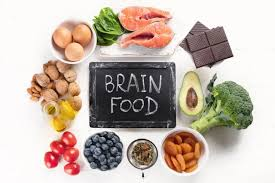
  • Nutritious Foods for Brain and Heart Health

    The brain and heart are two of the most vital organs in the human body. They work together to maintain overall health, energy, and emotional balance. The heart pumps blood that carries oxygen and nutrients to the brain, while the brain regulates heart function and circulation. When either of these organs suffers, the entire body is affected. The good news is that both brain and heart health can be greatly improved through proper nutrition. A diet rich in specific nutrients, antioxidants, and healthy fats can help prevent diseases, enhance memory, and strengthen cardiovascular function.

    The Connection Between Brain and Heart Health
    Scientific research has shown that what’s good for the heart is also good for the brain. Poor heart health, such as high blood pressure, high cholesterol, and blocked arteries, reduces blood flow to the brain, increasing the risk of stroke, dementia, and cognitive decline. Similarly, inflammation and oxidative stress affect both organs. Maintaining healthy blood vessels and steady blood flow is essential for sharp thinking and strong cardiovascular performance.

    1. Eat Foods Rich in Omega-3 Fatty Acids
    Omega-3 fatty acids are essential for both heart and brain health. They reduce inflammation, lower triglycerides, and improve circulation. In the brain, omega-3s support cell membranes and neurotransmitter function, improving memory and focus.
    Excellent sources include fatty fish like salmon, sardines, tuna, and mackerel. Plant-based options include flaxseeds, chia seeds, and walnuts. Including these foods at least two to three times a week helps protect both the brain and heart from age-related decline.

    2. Choose Whole Grains Over Refined Carbohydrates
    Whole grains such as oats, quinoa, brown rice, and whole wheat provide steady energy and improve blood flow to the brain. They contain fiber, which helps control cholesterol and stabilize blood sugar levels. In contrast, refined carbohydrates like white bread and sugary snacks cause blood sugar spikes that increase the risk of heart disease and mental fatigue. Consuming whole grains regularly supports long-term cardiovascular and cognitive health.

    3. Include Colorful Fruits and Vegetables
    Fruits and vegetables are loaded with antioxidants, vitamins, and minerals that reduce oxidative stress and inflammation. These nutrients help protect brain cells from damage and improve blood vessel health. Leafy greens such as spinach, kale, and broccoli are rich in vitamin K, folate, and lutein—nutrients linked to slower cognitive decline.
    Berries, especially blueberries, strawberries, and blackberries, contain anthocyanins and flavonoids that enhance memory and prevent plaque buildup in arteries. Aim to fill half your plate with fruits and vegetables daily for maximum benefit.

    4. Opt for Healthy Fats
    Not all fats are bad. Healthy unsaturated fats found in olive oil, avocados, nuts, and seeds support heart function and improve brain performance. These fats reduce “bad” LDL cholesterol and increase “good” HDL cholesterol, keeping arteries clear. The Mediterranean diet, which emphasizes olive oil and plant-based fats, has been proven to lower the risk of both heart disease and Alzheimer’s disease. Replace butter and processed oils with healthier alternatives to promote long-term vitality.

    5. Consume Lean Proteins
    Protein is necessary for building and repairing body tissues, including those of the heart and brain. Choose lean sources such as poultry, eggs, fish, beans, lentils, and tofu. These foods are low in saturated fats and help maintain muscle strength and metabolic balance. Red meat should be eaten in moderation, as it can raise cholesterol and increase cardiovascular risk when consumed in excess.

    6. Add Nuts and Seeds to Your Diet
    Nuts and seeds are excellent sources of healthy fats, magnesium, and vitamin E—nutrients that protect brain cells and keep arteries flexible. Almonds, walnuts, pumpkin seeds, and sunflower seeds improve memory and reduce inflammation. Eating a small handful of nuts daily can help lower the risk of heart disease while supporting cognitive function.

    7. Stay Hydrated
    Water is essential for transporting nutrients and oxygen to the brain and heart. Dehydration can cause fatigue, confusion, and strain on the cardiovascular system. Drinking sufficient water throughout the day supports blood circulation and helps regulate body temperature. Herbal teas and water-rich fruits like oranges, melons, and cucumbers are good options for staying hydrated.

    8. Limit Sugar and Processed Foods
    Excessive sugar and processed foods contribute to obesity, high blood pressure, and diabetes—major risk factors for heart and brain problems. High sugar intake leads to inflammation and damages blood vessels, reducing oxygen supply to the brain. Avoid sugary drinks, desserts, and packaged snacks. Choose natural sweeteners like honey or fruit when needed, and focus on whole, unprocessed foods.

    9. Include Foods Rich in B Vitamins
    B vitamins, including B6, B12, and folate, are crucial for brain and heart function. They help regulate homocysteine levels in the blood, which, when elevated, can damage arteries and increase the risk of stroke and cognitive decline. Foods rich in B vitamins include eggs, leafy greens, whole grains, legumes, and fish. These nutrients support nerve function and energy metabolism.

    10. Incorporate Dark Chocolate in Moderation
    Dark chocolate, when consumed in small amounts, can benefit both the heart and brain due to its high content of flavonoids and antioxidants. These compounds improve blood flow, lower blood pressure, and boost mood. Choose dark chocolate with at least 70% cocoa content and avoid varieties with added sugar or milk. A small piece a few times a week can be a healthy indulgence.

    11. Consume Foods High in Vitamin D
    Vitamin D supports heart function, reduces inflammation, and promotes brain health. Low levels of vitamin D have been linked to depression, heart disease, and memory decline. Sources include fatty fish, egg yolks, fortified dairy products, and sunlight exposure. Spending at least 15 minutes in the sun daily helps maintain adequate vitamin D levels.

    12. Add Turmeric and Spices
    Turmeric contains curcumin, a compound with powerful anti-inflammatory and antioxidant properties. It supports brain function, reduces the risk of Alzheimer’s disease, and improves heart health by protecting blood vessels. Adding turmeric, ginger, garlic, and cinnamon to meals not only enhances flavor but also provides long-term health benefits.

    13. Eat Fiber-Rich Foods
    Fiber helps lower cholesterol, control blood sugar, and promote digestive health—all of which contribute to a strong heart and brain. Good sources include fruits, vegetables, legumes, and whole grains. A diet high in fiber helps prevent plaque buildup in arteries and supports steady energy levels, keeping both the heart and brain active and alert.

    14. Limit Sodium Intake
    Too much sodium raises blood pressure, which can damage arteries and reduce blood flow to the brain. Processed foods, canned soups, and fast food are often high in salt. Cooking at home allows better control of sodium levels. Season foods with herbs and spices instead of salt to maintain flavor without increasing risk.

    15. Maintain a Regular Eating Schedule
    Skipping meals or overeating can disrupt blood sugar balance and lead to fatigue and poor concentration. Eating regular, balanced meals ensures a steady supply of nutrients to the brain and heart. Breakfast, in particular, fuels the brain after overnight fasting and supports focus and energy throughout the day.

    Lifestyle Habits That Support Nutrition
    Nutrition works best when paired with healthy lifestyle habits. Regular physical activity, stress management, and sufficient sleep amplify the benefits of a good diet. Exercise improves blood flow to the brain and heart, while relaxation techniques such as yoga and meditation reduce inflammation and stress. Avoid smoking and excessive alcohol consumption, as they can undo the positive effects of nutritious eating.

    Conclusion
    Maintaining brain and heart health requires mindful eating and balanced nutrition. By choosing foods rich in omega-3s, antioxidants, vitamins, and fiber, you can strengthen both organs and prevent long-term diseases. Good nutrition improves memory, focus, and energy levels while supporting a healthy heart rhythm and blood circulation. A diet full of natural, whole foods—combined with regular exercise and rest—creates a foundation for lifelong vitality and mental clarity.

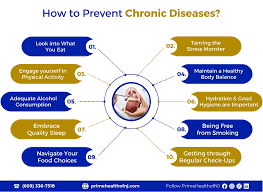
  • Key Preventive Steps to Avoid Chronic Diseases

    Chronic diseases such as heart disease, diabetes, cancer, and respiratory illnesses are among the leading causes of death worldwide. They develop gradually, often due to lifestyle factors such as poor diet, lack of exercise, smoking, or stress. The good news is that most chronic diseases are preventable through consistent healthy habits and early awareness. Prevention focuses on making informed choices that promote long-term well-being rather than waiting for illness to occur.

    Understanding Chronic Diseases
    Chronic diseases are conditions that persist for a long time, typically more than three months. Unlike infectious diseases, they are not caused by bacteria or viruses but by a combination of genetics, lifestyle, and environmental factors. Common examples include hypertension, cardiovascular disease, type 2 diabetes, arthritis, and certain cancers. While genetics may increase risk, daily habits and choices play a far greater role in determining health outcomes.

    1. Eat a Balanced and Nutritious Diet
    Nutrition is the foundation of good health. A well-balanced diet rich in fruits, vegetables, whole grains, lean proteins, and healthy fats helps the body function efficiently. Limit processed foods, refined sugars, and saturated fats, which contribute to obesity and heart disease. Including fiber-rich foods supports digestion and helps regulate blood sugar levels. Choose water over sugary drinks and limit salt intake to maintain healthy blood pressure.

    A good rule to follow is the “plate method”: half your plate should consist of vegetables and fruits, one-quarter with whole grains, and one-quarter with lean proteins. This simple approach ensures your body receives the nutrients it needs without excess calories.

    2. Maintain a Healthy Weight
    Obesity is a major risk factor for several chronic diseases, including diabetes, heart disease, and certain cancers. Maintaining a healthy weight through a balanced diet and regular exercise is essential for long-term health. Even a small reduction in body weight can significantly improve blood pressure, cholesterol, and blood sugar levels. Avoid extreme dieting or quick fixes; instead, focus on sustainable changes such as portion control, mindful eating, and consistent activity.

    3. Engage in Regular Physical Activity
    Exercise plays a vital role in preventing chronic illnesses. Regular physical activity strengthens the heart, improves circulation, and supports mental health. Adults should aim for at least 150 minutes of moderate aerobic exercise per week, such as brisk walking, cycling, or swimming. Strength training two to three times a week helps maintain muscle mass and bone density.

    Physical activity also helps control weight, reduces inflammation, and improves insulin sensitivity. If you have a sedentary lifestyle, start slowly and increase activity levels gradually. Simple habits such as taking the stairs, walking after meals, or stretching during work breaks can make a meaningful difference.

    4. Avoid Tobacco and Limit Alcohol Consumption
    Smoking is one of the leading preventable causes of chronic disease and death. It damages nearly every organ in the body, increasing the risk of heart disease, stroke, and several types of cancer. Quitting smoking, regardless of age, can significantly improve health outcomes.

    Alcohol consumption should also be limited. Excessive drinking contributes to liver disease, high blood pressure, and cancer risk. Moderation is key — for most adults, this means no more than one drink per day for women and two for men.

    5. Get Regular Health Screenings
    Preventive health check-ups are essential for early detection of diseases. Many chronic conditions, such as high blood pressure or diabetes, may not show symptoms in the early stages. Routine tests like blood sugar, cholesterol, and blood pressure screenings help identify risks before they become serious. For older adults, cancer screenings such as mammograms, colonoscopies, or prostate exams are also important.

    Regular visits to your healthcare provider allow for monitoring and timely intervention. Early detection often leads to easier management and better outcomes.

    6. Manage Stress Effectively
    Chronic stress contributes to numerous health problems, including heart disease, digestive disorders, and weakened immunity. Long-term stress also leads to unhealthy behaviors such as overeating, smoking, or alcohol abuse. Learning how to manage stress is therefore essential for disease prevention.

    Effective stress management techniques include meditation, yoga, deep breathing, and spending time in nature. Building a strong support system of family and friends can also reduce emotional strain. Setting realistic goals, maintaining a healthy work-life balance, and prioritizing relaxation time are vital for mental and physical health.

    7. Get Sufficient Sleep
    Sleep plays a crucial role in maintaining health and preventing disease. During sleep, the body repairs tissues, strengthens the immune system, and regulates hormones. Inadequate sleep increases the risk of obesity, diabetes, and heart disease. Adults should aim for seven to eight hours of quality sleep each night.

    Establishing a consistent sleep routine, avoiding caffeine before bed, and keeping the bedroom dark and quiet can improve sleep quality. Poor sleep over long periods should not be ignored and may require professional evaluation.

    8. Maintain Proper Hygiene and Sanitation
    Good hygiene reduces the risk of infections that may lead to chronic inflammation or secondary illnesses. Regular hand washing, safe food handling, and clean living environments are essential for maintaining health. Avoid exposure to environmental toxins such as air pollution and household chemicals whenever possible.

    9. Stay Hydrated
    Water is vital for almost every function in the body, including digestion, circulation, and temperature regulation. Dehydration can strain the kidneys, heart, and other organs. Aim to drink at least 6–8 glasses of water per day, more if you are active or in a hot climate. Replace sugary or carbonated beverages with water, herbal tea, or fresh juices.

    10. Strengthen Your Immune System
    A strong immune system protects the body from infections and chronic inflammation. Regular exercise, adequate sleep, balanced nutrition, and proper hydration all contribute to immune health. Include foods rich in vitamins C, D, and E, as well as zinc and antioxidants, to support the body’s defense system.

    11. Avoid Prolonged Sitting and Sedentary Behavior
    Sitting for long hours slows down metabolism and increases the risk of obesity, diabetes, and heart problems. Try to take short breaks to stretch or walk around every hour, especially if you work at a desk. Standing desks or walking meetings can help reduce sedentary time.

    12. Build Healthy Social Connections
    Social interaction plays a surprising role in preventing chronic diseases. Isolation and loneliness can increase stress and negatively affect mental health. Staying connected with family, friends, or community groups promotes emotional well-being and helps manage stress better. Participating in social activities, volunteering, or joining fitness classes can enhance both mental and physical health.

    13. Limit Processed and Sugary Foods
    Processed foods often contain high amounts of sugar, unhealthy fats, and preservatives. These contribute to obesity, high cholesterol, and inflammation — all of which are linked to chronic disease. Choose natural, whole foods whenever possible. Reading food labels can help identify hidden sugars and unhealthy ingredients.

    14. Protect Yourself from Environmental Risks
    Exposure to pollution, pesticides, and harmful chemicals can lead to respiratory problems and long-term health issues. Wear protective masks in polluted areas, use natural cleaning products, and avoid smoking areas. Small changes in your environment can significantly reduce your exposure to harmful substances.

    15. Keep a Positive Mindset and Stay Informed
    A positive attitude toward health motivates consistent action. Educating yourself about healthy living and staying updated on medical recommendations empower you to make better decisions. Remember that prevention is an ongoing process; small, daily choices make the biggest difference over time.

    Conclusion
    Chronic diseases do not develop overnight — they result from long-term habits and neglect. The best way to prevent them is through consistent healthy living: eating well, staying active, getting enough rest, managing stress, and avoiding harmful substances. Regular check-ups and self-awareness are equally important for early detection. Prevention is always better than cure, and with mindful daily choices, everyone can reduce the risk of chronic disease and enjoy a longer, healthier life.

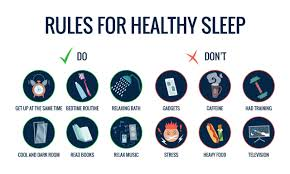
  • Daily Habits for Better Sleep

    Sleep is one of the most essential elements of a healthy life. It allows the body to repair itself, strengthens the immune system, and supports brain function. However, in today’s busy world, many people struggle with poor sleep due to stress, irregular routines, and overuse of digital devices. Lack of proper sleep leads to fatigue, irritability, low productivity, and a higher risk of health problems such as heart disease, obesity, and depression. Building healthy daily habits is the key to improving sleep quality naturally.

    The Importance of Good Sleep
    Sleep is not just rest; it is an active process that allows the brain and body to rejuvenate. During deep sleep, the body repairs muscles, releases growth hormones, and consolidates memories. Adults generally need between seven and eight hours of quality sleep every night. Good sleep enhances concentration, mood, and physical performance, while chronic sleep deprivation weakens the immune system and increases stress levels.

    1. Maintain a Consistent Sleep Schedule
    One of the simplest yet most effective habits for better sleep is maintaining a regular sleep-wake schedule. Going to bed and waking up at the same time every day, including weekends, helps regulate the body’s internal clock, also known as the circadian rhythm. When this rhythm is consistent, falling asleep becomes easier, and sleep quality improves. Avoid staying up late or sleeping excessively on weekends, as it can disrupt your body’s natural sleep pattern.

    2. Create a Relaxing Bedtime Routine
    Having a calming pre-sleep routine signals to your body that it’s time to wind down. Activities like reading, light stretching, or listening to soft music help relax the mind. Avoid stimulating activities such as watching TV, scrolling on your phone, or engaging in stressful discussions before bedtime. A warm shower or a cup of herbal tea can also help prepare your body for rest. The goal is to create a sense of peace that makes it easier to fall asleep naturally.

    3. Limit Screen Time Before Bed
    Exposure to blue light from phones, computers, and televisions interferes with the production of melatonin—the hormone that regulates sleep. Looking at screens before bedtime confuses the brain into thinking it’s still daytime, making it harder to fall asleep. It’s best to avoid electronic devices at least an hour before going to bed. If screen use is unavoidable, consider using blue light filters or glasses designed to reduce light exposure.

    4. Keep the Sleep Environment Comfortable
    Your bedroom environment plays a major role in determining how well you sleep. A clean, quiet, and dark room encourages deeper rest. Keep the room temperature slightly cool, as a warm environment can cause discomfort and sweating. Invest in a good-quality mattress and pillows that support proper body alignment. Using blackout curtains, white noise machines, or eye masks can further improve sleep quality.

    5. Watch What You Eat and Drink
    Diet has a significant effect on sleep. Eating large or spicy meals close to bedtime can cause discomfort or indigestion, making it hard to sleep. Try to finish dinner at least two to three hours before going to bed. Limit caffeine intake in the afternoon and evening, as it stays in the body for several hours and can prevent sleep. Alcohol may make you sleepy at first, but it disrupts sleep cycles later in the night. Opt for light snacks such as yogurt, bananas, or a small handful of nuts if you feel hungry before bed.

    6. Stay Physically Active
    Regular exercise improves sleep by reducing stress and helping the body maintain a healthy sleep-wake rhythm. Physical activity increases the production of serotonin, a neurotransmitter that promotes relaxation and well-being. However, it’s important to avoid intense workouts right before bedtime, as they may increase heart rate and energy levels. Morning or afternoon exercise is ideal for improving sleep quality. Activities like walking, cycling, yoga, or swimming are excellent choices.

    7. Manage Stress and Anxiety
    Stress and anxiety are among the biggest causes of sleep problems. When the mind is restless, it becomes difficult to relax and fall asleep. Techniques like deep breathing, meditation, or mindfulness help calm the mind before bed. Writing down worries or to-do lists can help release mental tension. Creating a bedtime gratitude practice—reflecting on positive moments of the day—also shifts focus away from stress and encourages a peaceful mindset.

    8. Avoid Long or Late Naps
    While short naps during the day can boost energy, long or late naps may interfere with nighttime sleep. Try to limit naps to 20–30 minutes and avoid sleeping late in the afternoon or evening. If you find it hard to sleep at night, skipping naps altogether may help restore your natural sleep drive.

    9. Get Sunlight Exposure During the Day
    Natural light exposure during the day helps regulate your body’s circadian rhythm. Spending time outside, especially in the morning, signals to the brain that it’s daytime, which helps you stay alert. It also promotes the production of melatonin at night, leading to better sleep. If natural sunlight is limited, keeping your home bright during the day or using light therapy can also help.

    10. Limit Stimulants and Late-Night Work
    Working or studying late into the night keeps the brain active and alert when it should be winding down. Try to finish work at least an hour before bedtime. Avoid stimulants like caffeine, nicotine, and sugary drinks in the evening. Instead, choose calming activities such as reading or meditation. Maintaining a clear separation between work and rest time improves sleep quality.

    11. Keep a Positive Sleep Mindset
    Worrying about not being able to sleep often makes the problem worse. Instead of focusing on falling asleep quickly, focus on relaxing your body and clearing your mind. Even resting quietly with your eyes closed can be beneficial. The less pressure you put on yourself to sleep, the easier it becomes. Developing a positive attitude toward bedtime helps you associate it with comfort and rest rather than anxiety.

    12. Limit Noise and Distractions
    A quiet environment promotes deep, uninterrupted sleep. If outside noise is an issue, use earplugs or white noise to block disturbances. Avoid sleeping with the TV on or engaging in loud activities near bedtime. Keeping pets out of the bedroom, if they disturb your sleep, can also help maintain a peaceful atmosphere.

    13. Avoid Late-Night Screen Exposure and Notifications
    Constant phone notifications and messages can interrupt sleep or make it difficult to unwind. Turn off unnecessary alerts, and keep your phone away from the bed. Using “Do Not Disturb” mode or setting the phone on silent can help ensure uninterrupted rest.

    14. Try Relaxation Techniques Before Bed
    Relaxation exercises such as progressive muscle relaxation, guided imagery, or gentle yoga can calm the mind and body. These techniques slow the heart rate and release muscle tension, helping you drift into sleep naturally. Listening to soft instrumental music or nature sounds can also help set a peaceful tone for bedtime.

    15. Seek Medical Help if Needed
    If you have persistent sleep problems, it’s important to consult a healthcare professional. Conditions like insomnia, sleep apnea, or restless leg syndrome require proper diagnosis and treatment. Ignoring chronic sleep issues can affect mental and physical health over time. Doctors may recommend lifestyle changes, therapy, or specific medical interventions to improve sleep.

    Conclusion
    Better sleep starts with healthy habits practiced consistently throughout the day. Maintaining a regular sleep schedule, managing stress, limiting screen time, and creating a comfortable environment all contribute to deeper, more refreshing rest. Sleep is not a luxury—it is a vital part of overall health, supporting physical recovery, emotional balance, and mental clarity. By making small adjustments in your daily routine, you can train your body to relax, fall asleep easily, and wake up feeling refreshed and energized every morning.

  • Exercises and Yoga to Reduce Mental Stress

    In today’s fast-paced world, mental stress has become a common part of daily life. Work pressure, financial concerns, academic challenges, and digital distractions often leave people feeling anxious and fatigued. While medication or therapy can help in serious cases, one of the most effective natural ways to manage stress is through physical activity and yoga. Exercise improves mood, boosts energy, and helps release tension, while yoga brings emotional balance and mental calmness. Combining the two creates a powerful strategy for stress relief and overall well-being.

    Understanding the Connection Between Exercise and Stress Relief
    When you exercise, your body releases chemicals called endorphins—natural mood boosters that help reduce feelings of pain and stress. Physical activity also decreases the production of stress hormones such as cortisol and adrenaline, which are responsible for the body’s “fight or flight” response. Over time, regular exercise improves sleep quality, enhances focus, and builds emotional resilience. The mental clarity gained through consistent activity helps people handle challenges with a more positive mindset.

    Benefits of Exercise for Mental Health
    Exercise benefits the mind in several ways. It increases oxygen flow to the brain, stimulates the release of neurotransmitters such as serotonin and dopamine, and enhances overall energy levels. These effects help combat anxiety, depression, and irritability. Physical activity also provides a constructive outlet for negative emotions and reduces restlessness. Regular movement helps people feel more in control of their bodies and emotions, leading to higher confidence and self-esteem.

    Types of Exercises That Reduce Stress
    Different forms of exercise offer unique benefits for managing mental tension.

    1. Walking and Jogging
    Simple activities like walking or jogging are among the most effective stress-relievers. Walking outdoors, especially in a park or natural setting, helps calm the mind and provides a sense of relaxation. It also improves blood circulation and energy levels. A daily 30-minute walk can significantly reduce anxiety and improve mood.

    2. Strength Training
    Lifting weights or performing resistance exercises helps channel mental stress into physical effort. The focus required during strength training enhances concentration and mindfulness. Building physical strength also promotes emotional strength and resilience.

    3. Cycling and Swimming
    Cycling boosts cardiovascular health while providing a meditative rhythm that helps clear the mind. Swimming, on the other hand, offers a full-body workout and has a soothing effect because of the rhythmic breathing and the feeling of weightlessness in water. Both activities are great for relaxation and mental focus.

    4. Dancing
    Dance is a fun and expressive way to reduce stress. It allows people to release emotions through movement, music, and rhythm. Group dance sessions or classes can also improve social connections, which contribute to emotional well-being.

    5. Stretching and Breathing Exercises
    Simple stretching combined with deep breathing helps relieve muscle tension caused by stress. Breathing deeply activates the parasympathetic nervous system, which promotes relaxation and reduces anxiety. Practicing breathing techniques a few minutes each day can have long-term benefits for emotional control.

    How Yoga Helps in Managing Stress
    Yoga combines physical postures, controlled breathing, and meditation to create harmony between the body and mind. Unlike traditional workouts that mainly focus on physical fitness, yoga also addresses mental clarity and emotional balance. Studies show that regular yoga practice reduces stress, anxiety, and depression by lowering cortisol levels and improving mood-regulating brain activity.

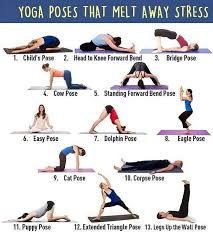
    1. Yoga Postures for Stress Relief
    Certain yoga poses are particularly effective for reducing tension and calming the mind.

    • Child’s Pose (Balasana): Relaxes the back, shoulders, and neck, promoting a feeling of safety and comfort.
    • Cat-Cow Pose (Marjaryasana-Bitilasana): Improves flexibility and reduces stiffness in the spine caused by stress.
    • Legs-Up-The-Wall Pose (Viparita Karani): Improves blood circulation and reduces fatigue.
    • Bridge Pose (Setu Bandhasana): Opens the chest and strengthens the back, releasing built-up tension.
    • Corpse Pose (Savasana): Promotes complete relaxation and mindfulness at the end of practice.

    Practicing these poses for 15–20 minutes daily can bring noticeable improvements in both physical and emotional balance.

    2. Breathing Techniques (Pranayama)
    Controlled breathing is central to yoga and has powerful stress-relieving effects. Techniques such as deep belly breathing, alternate nostril breathing (Nadi Shodhana), and 4-7-8 breathing calm the nervous system, regulate heart rate, and promote mental clarity. Even a few minutes of conscious breathing can reduce feelings of panic or restlessness.

    3. Meditation and Mindfulness in Yoga
    Meditation, often practiced at the end of a yoga session, helps quiet the mind and bring awareness to the present moment. Mindfulness meditation teaches people to observe their thoughts without judgment, reducing anxiety and overthinking. Spending even 10 minutes in meditation each day enhances focus, self-awareness, and emotional stability.

    Creating a Regular Routine
    Consistency is key when using exercise and yoga for stress reduction. The goal is not intense physical effort but regular movement that fits into your lifestyle. Scheduling 30–60 minutes of activity most days of the week is ideal. For busy individuals, shorter sessions spread throughout the day also provide benefits. Early morning or evening routines often work best for maintaining consistency.

    Combining different types of exercise prevents boredom and engages both the body and mind. For example, doing yoga after a workout session helps relax muscles and reduce soreness. Similarly, alternating between cardio and yoga days can provide balance between energy and calmness.

    Additional Lifestyle Tips for Reducing Stress
    Along with exercise and yoga, other healthy habits enhance their effects. Eating balanced meals rich in fruits, vegetables, and lean proteins supports both physical and mental health. Limiting caffeine and sugar helps avoid mood fluctuations. Getting enough sleep ensures proper recovery, while spending time outdoors or with loved ones strengthens emotional connections.

    Avoiding multitasking and practicing time management can also reduce daily stress. Taking short breaks during work, staying hydrated, and maintaining good posture all contribute to a calmer, healthier state of mind.

    The Mind-Body Connection
    Both exercise and yoga strengthen the mind-body connection. When you move your body, you also shift your mental state. Physical movement helps release stored emotional tension, while controlled breathing and meditation bring awareness and stillness. Over time, these practices train the mind to remain calm even in stressful situations. People who exercise regularly or practice yoga often report better focus, improved mood, and greater emotional control.

    Conclusion
    Exercise and yoga are natural, effective, and sustainable tools for managing mental stress. They work together to improve physical health, emotional balance, and mental clarity. Regular physical activity releases endorphins and reduces stress hormones, while yoga promotes mindfulness, flexibility, and peace of mind. By committing to a daily routine that includes movement, breathing, and relaxation, anyone can build resilience against stress and lead a calmer, more fulfilling life. Taking time each day for your body and mind is not a luxury—it is a necessity for maintaining overall well-being in today’s busy world.

  • Safe Tips to Prevent Skin Diseases

    The skin is the body’s largest organ and serves as the first line of defense against environmental factors such as bacteria, viruses, and harmful chemicals. Maintaining healthy skin is not only important for appearance but also for overall well-being. Many common skin problems, including infections, allergies, acne, and fungal conditions, can be avoided with proper care and hygiene. Preventing skin diseases requires consistent habits, awareness, and a few simple lifestyle changes. This article outlines safe and effective tips to protect and maintain healthy skin.

    1. Maintain Good Personal Hygiene
    Clean skin is less likely to develop infections. Bathing regularly with mild soap and clean water helps remove sweat, dirt, and bacteria that can clog pores or irritate the skin. It’s essential to dry your skin properly, especially in areas like underarms, between fingers and toes, and skin folds, where moisture can promote fungal growth. Towels and clothes should be washed frequently, and personal hygiene items like razors and towels should not be shared.

    2. Keep the Skin Moisturized
    Dry skin is more prone to irritation, itching, and cracks that allow germs to enter. Using a gentle, fragrance-free moisturizer helps maintain the skin’s natural barrier. For very dry skin, creams and ointments work better than lotions. Applying moisturizer immediately after bathing helps lock in moisture. People with oily skin should still use light, non-comedogenic moisturizers to prevent excessive dryness and maintain balance.

    3. Protect Your Skin from the Sun
    Excessive sun exposure can lead to sunburn, premature aging, and an increased risk of skin cancer. Using sunscreen with a minimum SPF of 30 protects the skin from harmful ultraviolet rays. Apply sunscreen at least 20 minutes before going outside and reapply every two hours, especially after swimming or sweating. Wearing hats, sunglasses, and light, long-sleeved clothing also provides protection. Avoid being outdoors during peak sunlight hours, typically between 10 a.m. and 4 p.m.

    4. Eat a Nutritious Diet
    Healthy skin begins from within. A diet rich in vitamins, minerals, and antioxidants supports skin health and protects against disease. Vitamin C helps with collagen production and healing, while vitamin E protects against oxidative stress. Omega-3 fatty acids, found in fish, flaxseeds, and walnuts, keep skin supple and reduce inflammation. Drinking plenty of water keeps the skin hydrated and flushes out toxins. Limiting sugar and processed foods also reduces the risk of acne and other skin issues.

    5. Wear Clean and Breathable Clothing
    Clothes made from natural fabrics like cotton and linen allow the skin to breathe and reduce sweating. Tight clothing can trap heat and moisture, causing irritation and rashes. It’s also important to change out of sweaty clothes immediately after exercise to prevent fungal and bacterial infections. Clean undergarments should be worn daily to maintain hygiene.

    6. Avoid Harsh Chemicals and Allergens
    Many skin problems are caused by exposure to harsh soaps, detergents, or cosmetics containing alcohol, fragrances, or preservatives. Always choose mild, hypoallergenic products suitable for your skin type. Patch-test new skincare or cosmetic products on a small area of the skin before using them fully. For people with sensitive skin or eczema, fragrance-free and dye-free products are safest. Household cleaning agents and chemicals should be handled with gloves to prevent contact dermatitis.

    7. Manage Sweat and Humidity
    In hot and humid climates, excessive sweating can lead to fungal infections like ringworm or athlete’s foot. Showering after sweating and keeping the body dry helps reduce the risk. Antifungal powders can be used in areas prone to moisture buildup. Staying cool with breathable clothing and staying hydrated also prevents excessive sweating.

    8. Avoid Scratching or Picking the Skin
    Scratching itchy skin can cause wounds and infections. If you experience itching, it’s better to apply a soothing lotion or cold compress rather than scratching. Acne, scabs, or insect bites should never be picked, as this can lead to scarring and infection. Keeping nails short and clean helps prevent bacteria from spreading.

    9. Stay Away from Shared Personal Items
    Sharing items like towels, combs, razors, or clothing increases the risk of spreading skin infections such as fungal infections, lice, or scabies. Always use your own personal care products and wash them regularly. This practice is especially important in public places like gyms, swimming pools, and salons.

    10. Keep the Environment Clean
    A clean living environment helps prevent skin problems. Bedding, pillowcases, and blankets should be washed regularly to remove dust mites and bacteria. Avoid sleeping on dirty surfaces and ensure good ventilation in living areas to prevent mold growth. Using mild detergents for laundry and avoiding overly perfumed products also supports skin health.

    11. Stay Hydrated
    Proper hydration keeps the skin soft, smooth, and resilient. Dehydration makes the skin look dull and increases the risk of cracking and peeling. Aim to drink at least six to eight glasses of water daily. Consuming hydrating foods like cucumbers, oranges, and watermelon also contributes to skin moisture.

    12. Manage Stress
    Stress can trigger or worsen several skin conditions, including acne, eczema, and psoriasis. Practicing relaxation techniques such as meditation, yoga, or deep breathing helps keep stress under control. Regular physical activity and sufficient sleep also support hormonal balance and skin repair.

    13. Sleep Well
    Sleep is essential for skin regeneration. During rest, the body repairs damaged cells and restores natural moisture balance. Poor sleep leads to dull skin, dark circles, and premature aging. A consistent sleep routine of 7–8 hours each night keeps the skin fresh and glowing.

    14. Treat Skin Problems Early
    Ignoring minor skin issues can lead to serious infections. If you notice persistent itching, redness, or rashes, consult a dermatologist instead of using random creams or home remedies. Early diagnosis and treatment prevent complications and scarring. Avoid self-medication, especially with steroid-based creams, as they can worsen certain conditions if used incorrectly.

    15. Strengthen Immunity
    A strong immune system helps the body resist infections, including those affecting the skin. Eating nutritious foods, getting enough sleep, exercising regularly, and avoiding smoking or excessive alcohol all support immunity. In some cases, chronic diseases like diabetes can make skin infections more likely, so managing underlying conditions is also crucial.

    Conclusion
    Skin health reflects overall wellness and requires daily attention and care. Preventing skin diseases involves maintaining good hygiene, using gentle skincare products, protecting against sun damage, and following a nutritious diet. Small, consistent actions—like staying clean, hydrated, and stress-free—go a long way in keeping the skin healthy. By understanding and practicing these preventive measures, one can maintain clear, radiant skin and avoid the discomfort and complications of common skin diseases. Healthy skin not only enhances appearance but also strengthens the body’s defense against external harm.