Introduction
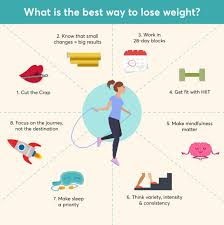
Losing weight is one of the most common health goals, yet many people find it challenging to achieve and maintain. The problem often lies in unrealistic diets, inconsistent routines, and a lack of understanding of how the body works. Effective weight loss does not happen overnight—it requires a combination of healthy eating, regular exercise, and consistent lifestyle habits. Fortunately, there are simple and sustainable methods that can help you lose weight naturally while improving overall health. This article explains practical strategies to shed extra pounds safely and maintain long-term results.
1. Understand How Weight Loss Works
Weight loss occurs when you burn more calories than you consume. This is known as a calorie deficit. However, the goal should not be extreme restriction but rather a balanced approach that promotes fat loss while preserving muscle mass. When you eat nutrient-dense foods and stay physically active, your metabolism becomes more efficient, and weight loss happens naturally. Understanding your body’s needs is the first step toward successful and lasting results.
2. Eat a Balanced Diet
A balanced diet provides the body with essential nutrients while keeping calorie intake under control. Focus on whole, unprocessed foods such as vegetables, fruits, lean proteins, whole grains, and healthy fats. Avoid or limit foods high in sugar, refined flour, and unhealthy fats.
Key principles of a balanced diet include:
- Fill half your plate with vegetables and fruits.
- Include lean protein sources such as chicken, fish, eggs, tofu, or beans.
- Choose whole grains like brown rice, oats, and quinoa.
- Use healthy fats from nuts, seeds, olive oil, and avocados.
- Drink plenty of water and avoid sugary drinks.
Eating a variety of nutrient-rich foods helps control hunger, boosts energy, and keeps your body functioning properly.
3. Control Portion Sizes
Even healthy foods can lead to weight gain if eaten in large quantities. Paying attention to portion sizes is crucial. Use smaller plates, measure servings, and avoid eating straight from large packages. Learn to listen to your body’s hunger cues—eat slowly and stop when you feel satisfied, not full. Practicing mindful eating helps you enjoy meals more and prevents overeating.
4. Reduce Sugar and Refined Carbohydrates
Sugary foods and refined carbs like white bread, pastries, and soda cause rapid spikes in blood sugar, leading to cravings and fat storage. Replacing these with complex carbohydrates such as whole grains, vegetables, and legumes keeps blood sugar stable and promotes fat burning.
Try to limit processed snacks and choose naturally sweet options like fruits. Reading food labels can help identify hidden sugars in packaged products such as sauces, cereals, and flavored drinks.
5. Increase Protein Intake
Protein is essential for weight loss because it boosts metabolism, reduces appetite, and helps preserve muscle mass during calorie reduction. Adding a source of protein to each meal keeps you fuller for longer and supports healthy tissue repair.
Good sources include lean meat, fish, eggs, lentils, yogurt, and cottage cheese. Studies show that people who eat more protein tend to lose more fat while maintaining lean muscle compared to those on low-protein diets.
6. Stay Hydrated
Water plays a key role in weight management. Sometimes the body mistakes thirst for hunger, leading to unnecessary snacking. Drinking enough water before meals helps control appetite and supports digestion. Aim for 6–8 glasses daily, and increase intake during exercise or hot weather.
Replacing sugary drinks with water, herbal teas, or lemon water significantly reduces calorie intake. Hydration also improves metabolism and energy levels throughout the day.
7. Incorporate Regular Exercise
Exercise is one of the most effective ways to burn calories and strengthen your body. A combination of cardiovascular exercises, strength training, and flexibility workouts offers the best results.
Types of effective exercises include:
- Brisk walking or jogging
- Cycling or swimming
- Resistance training or weightlifting
- Yoga or Pilates for flexibility and stress relief
Aim for at least 150 minutes of moderate activity per week, as recommended by health experts. Consistency is more important than intensity—find activities you enjoy so you can maintain them long-term.
8. Get Enough Sleep
Sleep affects hormones that control hunger and appetite. When you don’t get enough rest, levels of ghrelin (the hunger hormone) rise, while leptin (the satiety hormone) decreases. This imbalance increases cravings for unhealthy foods and slows down metabolism. Aim for 7–8 hours of quality sleep each night. Establishing a bedtime routine and limiting screen time before sleep can help you rest better and support your weight-loss goals.
9. Manage Stress
Chronic stress triggers the release of cortisol, a hormone that increases appetite and encourages fat storage, particularly around the abdomen. Managing stress through meditation, breathing exercises, yoga, or simple relaxation techniques helps regulate cortisol levels. Taking breaks, spending time with loved ones, or engaging in enjoyable activities also helps maintain emotional balance, preventing stress-related eating.
10. Avoid Skipping Meals
Many people believe skipping meals helps reduce calories, but it often leads to overeating later in the day. Skipping meals slows metabolism and makes it harder to maintain consistent energy levels. Instead, eat regular, balanced meals and healthy snacks if needed. Small, frequent meals help maintain blood sugar stability and reduce hunger-driven cravings.
11. Track Your Progress
Keeping track of your food intake, workouts, and progress can help you stay motivated and identify areas for improvement. Journaling or using a health app makes it easier to monitor calorie consumption and activity levels. Focus on overall progress rather than daily fluctuations—weight loss is a gradual process that requires patience and consistency.
12. Limit Processed and Junk Foods
Processed foods are often high in calories, salt, and unhealthy fats, while providing little nutritional value. Fast food, chips, and fried snacks can easily sabotage your weight-loss efforts. Choose whole, homemade meals whenever possible. Preparing your own food gives you control over ingredients and portion sizes.
13. Stay Consistent
Consistency is the foundation of successful weight loss. Quick fixes or crash diets may show temporary results, but they are rarely sustainable. Instead, focus on building healthy habits that you can maintain long term. Even small daily actions, such as taking the stairs, walking more, or reducing sugary drinks, can lead to noticeable improvements over time.
14. Be Patient and Positive
Weight loss is a journey that requires patience. Avoid comparing your progress with others, as every body is different. Celebrate small victories, such as improved stamina, better sleep, or healthier eating habits. Maintaining a positive mindset helps you stay committed and prevents discouragement during challenging times.
15. Seek Professional Guidance
If you struggle to lose weight despite your efforts, consider consulting a nutritionist or doctor. A professional can help identify underlying issues such as hormonal imbalances, thyroid problems, or nutrient deficiencies. Personalized guidance ensures safe and effective weight management tailored to your needs.
Conclusion
Losing weight effectively is not about strict diets or intense workouts—it’s about developing healthy habits that support your body’s natural balance. Eating nutritious foods, staying active, managing stress, and getting enough sleep are all simple yet powerful methods to achieve lasting results. By focusing on progress rather than perfection, you can reach your goals sustainably and enjoy a healthier, more energetic life. Remember, consistency and patience are the keys to long-term success.
Leave a Reply