Aging is a natural process that every person experiences, but how well we age depends largely on our daily choices. Healthy aging means maintaining physical strength, mental clarity, emotional balance, and independence as we grow older. While genetics play a role, lifestyle factors such as diet, exercise, sleep, and stress management have a much greater impact on how gracefully we age. Developing positive habits and self-care routines can significantly slow down the effects of aging and improve quality of life.
Understanding Healthy Aging
Healthy aging is not just about living longer; it’s about living better. It involves maintaining vitality, preventing disease, and adapting to changes that come with age. As we grow older, metabolism slows, muscle mass decreases, and the risk of chronic diseases rises. However, with the right care and consistency, it is possible to stay active, strong, and mentally sharp well into later years.
1. Eat a Balanced and Nutritious Diet
Good nutrition is one of the foundations of healthy aging. A balanced diet supports energy, immunity, and brain function. Focus on nutrient-dense foods such as fruits, vegetables, whole grains, lean proteins, and healthy fats. Foods rich in antioxidants, like berries, spinach, and nuts, protect the body from cell damage caused by free radicals, which accelerate aging.
Include calcium-rich foods for bone health and fiber for digestion. Avoid processed foods, refined sugar, and excessive salt. Drinking enough water is also crucial, as dehydration can cause fatigue, joint stiffness, and confusion, especially in older adults.
2. Stay Physically Active
Regular exercise helps preserve muscle mass, strengthen bones, and improve flexibility. It also enhances mood and brain function. Aim for at least 30 minutes of moderate activity most days of the week. Activities like walking, swimming, yoga, and light strength training are ideal for older adults.
Exercise not only prevents chronic diseases such as heart disease and diabetes but also boosts balance and coordination, reducing the risk of falls. Even simple daily movements—like gardening, cleaning, or taking the stairs—contribute to better mobility and independence.
3. Get Quality Sleep
Sleep becomes more important as we age because it supports healing, memory, and hormone regulation. Older adults often experience sleep disturbances due to changes in circadian rhythm or underlying health issues. Establishing a consistent bedtime routine, avoiding caffeine late in the day, and creating a calm sleeping environment can help.
Getting seven to eight hours of quality sleep each night strengthens the immune system and improves energy levels. Poor sleep, on the other hand, contributes to memory problems, mood swings, and weakened immunity.
4. Manage Stress and Stay Emotionally Balanced
Chronic stress accelerates aging by increasing inflammation and raising cortisol levels. It can lead to high blood pressure, anxiety, and depression. Managing stress through meditation, prayer, deep breathing, or journaling is essential for long-term wellness.
Social interaction also plays a vital role in emotional well-being. Spending time with family, friends, or community groups provides support and reduces feelings of loneliness or isolation. Keeping a positive mindset and practicing gratitude each day improves mental health and overall happiness.
5. Keep the Brain Active
Just as the body needs exercise, so does the brain. Engaging in mentally stimulating activities like reading, puzzles, or learning new skills helps strengthen cognitive function. Learning a language, playing a musical instrument, or even using memory games can improve mental agility.
Socializing also stimulates the brain. Conversations, debates, and shared activities challenge thinking and keep the mind alert. Staying mentally active reduces the risk of memory loss and cognitive decline associated with aging.
6. Prioritize Regular Health Check-Ups
Preventive healthcare becomes more important with age. Regular check-ups help detect problems early, when they’re easier to treat. Screenings for blood pressure, cholesterol, diabetes, and cancer should be done as recommended by a doctor. Eye exams, hearing tests, and dental check-ups also ensure that sensory health is maintained.
Vaccinations such as flu shots and pneumonia vaccines protect against serious illnesses. Keeping medical appointments and following prescribed treatments contribute to longer, healthier living.
7. Protect Bone and Joint Health
Bone density naturally declines with age, increasing the risk of fractures. To maintain strong bones, include calcium, vitamin D, and magnesium in your diet. Weight-bearing exercises such as walking or light resistance training strengthen both bones and muscles.
For joint health, stay active but avoid overexertion. Stretching, yoga, and swimming help maintain flexibility. Maintaining a healthy weight also reduces pressure on the joints, preventing pain and stiffness.
8. Stay Hydrated
Many older adults underestimate the importance of hydration. As we age, the sense of thirst decreases, making dehydration more common. Water supports digestion, nutrient absorption, and circulation. Drink at least 6 to 8 glasses of water per day. Include soups, fruits, and vegetables with high water content, such as cucumbers, oranges, and melons. Avoid too much caffeine and alcohol, which can lead to fluid loss.
9. Maintain a Healthy Weight
Being underweight or overweight both affect health during aging. Excess weight increases the risk of heart disease, diabetes, and arthritis, while being underweight weakens bones and reduces immunity. Focus on balanced meals, moderate portions, and regular physical activity to maintain an ideal weight.
10. Avoid Smoking and Limit Alcohol
Smoking accelerates aging by damaging skin, blood vessels, and lungs. It increases the risk of heart disease, stroke, and cancer. Quitting smoking at any age brings immediate health benefits.
Similarly, alcohol should be consumed in moderation, as it affects liver function and can interfere with medications. For most adults, one drink a day for women and two for men is considered moderate.
11. Take Care of Skin and Hair
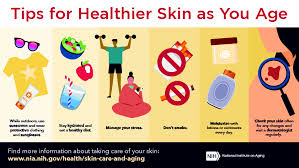
Skin becomes thinner and less elastic with age. Protecting it from sun exposure is vital to prevent wrinkles and skin cancer. Use sunscreen, wear protective clothing, and stay hydrated. Gentle cleansing and moisturizing keep the skin soft and healthy.
Hair also changes with age, becoming thinner or gray. Eating protein-rich foods and massaging the scalp improve circulation and hair strength.
12. Keep a Clean and Safe Environment
Maintaining a tidy, well-lit home reduces the risk of accidents. Remove clutter, install grab bars in bathrooms, and ensure adequate lighting in hallways. Safety at home promotes independence and peace of mind.
13. Practice Mindfulness and Gratitude
Mindfulness helps people stay present and appreciate life’s small joys. It reduces anxiety, lowers blood pressure, and improves overall happiness. Simple practices such as deep breathing, meditation, or focusing on positive experiences enhance emotional stability and calmness.
Writing down things to be grateful for each day can shift focus away from worries, helping maintain a positive outlook and emotional balance during aging.
14. Stay Socially Connected
Isolation and loneliness can negatively affect both mental and physical health. Engaging in community activities, volunteering, or spending time with loved ones promotes joy and belonging. Maintaining strong social bonds reduces depression and strengthens resilience against illness.
15. Keep a Sense of Purpose
Having a purpose adds meaning to life and promotes healthy aging. Whether it’s caring for family, volunteering, or pursuing hobbies, meaningful activities keep the mind and spirit engaged. A sense of purpose is linked to better mental health, reduced stress, and longer life expectancy.
Conclusion
Healthy aging is not just about preventing disease but about creating a lifestyle that promotes vitality, joy, and independence. Small, consistent habits—balanced nutrition, physical activity, proper sleep, mental engagement, and emotional care—have a powerful impact over time. By taking care of the body and mind every day, it’s possible to age gracefully, stay active, and enjoy each stage of life to the fullest. Aging well begins with daily self-care, mindfulness, and gratitude for the life we live.
Leave a Reply