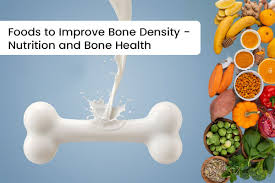
Strong bones are the foundation of a healthy body. They support movement, protect vital organs, and store important minerals such as calcium and phosphorus. Bone health, however, is not something that can be achieved overnight. It depends on consistent intake of key nutrients, physical activity, and healthy lifestyle choices throughout life. As people age, bone density naturally decreases, increasing the risk of fractures and osteoporosis. The good news is that getting the right nutrients can strengthen bones, maintain flexibility, and prevent long-term problems.
The Importance of Bone Health
Bones are living tissues that constantly break down and rebuild. During childhood and adolescence, bone formation exceeds breakdown, allowing growth and development. After the age of 30, bone loss gradually begins to outpace bone formation, leading to weaker bones if nutritional needs are not met. Poor bone health can result from a lack of essential vitamins, minerals, and hormones. Maintaining strong bones is crucial for posture, mobility, and overall physical independence.
1. Calcium: The Building Block of Bones
Calcium is the most vital mineral for bone health, as nearly 99% of the body’s calcium is stored in bones and teeth. It gives structure and strength to the skeleton. A deficiency in calcium can lead to brittle bones and increase the risk of osteoporosis.
Good sources of calcium include milk, yogurt, cheese, and other dairy products. For those who are lactose intolerant, alternatives such as fortified soy milk, almonds, tofu, and leafy green vegetables like kale and broccoli are excellent options. Adults generally require 1,000 to 1,200 milligrams of calcium per day.
2. Vitamin D: The Calcium Absorption Partner
Vitamin D is essential for calcium absorption. Without enough vitamin D, the body cannot effectively use calcium, no matter how much is consumed. This vitamin also plays a role in muscle function and immune health.
The primary natural source of vitamin D is sunlight. Just 10 to 15 minutes of sun exposure a few times per week helps the body produce adequate vitamin D. Dietary sources include fatty fish such as salmon and tuna, egg yolks, and fortified dairy or cereals. In regions with limited sunlight, vitamin D supplements may be recommended by healthcare professionals.
3. Magnesium: The Bone Density Booster
Magnesium contributes to bone structure and helps activate vitamin D in the body. It regulates calcium balance and plays a key role in the formation of bone crystals. Low magnesium levels can lead to fragile bones and impaired bone repair.
Magnesium-rich foods include nuts, seeds, whole grains, avocados, and green leafy vegetables. Adults need around 300 to 400 milligrams per day. A balanced intake of magnesium and calcium ensures optimal bone strength and metabolic function.
4. Phosphorus: The Structural Mineral
Phosphorus works closely with calcium to form hydroxyapatite, the main structural component of bones and teeth. It is involved in energy production and cell repair. However, excessive phosphorus, especially from processed foods and sodas, can interfere with calcium absorption.
Sources of phosphorus include meat, fish, dairy, eggs, nuts, and legumes. Most people get enough phosphorus through a balanced diet, but it is important to maintain a healthy calcium-to-phosphorus ratio.
5. Vitamin K: The Bone Protein Activator
Vitamin K helps in the production of osteocalcin, a protein required for binding calcium to bone. It also prevents calcium from being deposited in arteries and soft tissues, keeping the circulatory system healthy.
Leafy greens such as spinach, kale, collard greens, and broccoli are excellent sources of vitamin K. Fermented foods like natto (fermented soybeans) also contain high amounts. Regular consumption supports proper bone mineralization and flexibility.
6. Vitamin C: The Collagen Builder
Collagen forms the framework for bones, and vitamin C is crucial for its production. It acts as an antioxidant that protects bone cells from damage caused by free radicals. Inadequate vitamin C can lead to weakened connective tissue and slower bone healing.
Citrus fruits, bell peppers, strawberries, kiwi, tomatoes, and Brussels sprouts are rich in vitamin C. A daily intake of vitamin C not only supports bones but also strengthens immunity and skin health.
7. Zinc: The Bone Growth Supporter
Zinc is involved in bone formation, repair, and mineralization. It supports the activity of bone-building cells called osteoblasts. Zinc deficiency may lead to delayed bone growth and weaker skeletal structure.
Sources of zinc include meat, shellfish, pumpkin seeds, lentils, and chickpeas. Including zinc-rich foods in the diet ensures proper bone regeneration and density.
8. Protein: The Structural Component
Protein makes up roughly 50% of bone volume and is essential for maintaining bone mass. It works with minerals like calcium and magnesium to create strong and flexible bones. Both too little and too much protein can negatively affect bone health.
Lean meat, eggs, fish, legumes, nuts, and dairy provide high-quality protein. Balancing protein intake with sufficient calcium helps maintain bone density, especially in older adults.
9. Potassium: The Acid Neutralizer
Potassium helps neutralize acids that can leach calcium from bones. Diets rich in fruits and vegetables provide potassium, which reduces calcium loss through urine.
Bananas, oranges, potatoes, sweet potatoes, and spinach are excellent sources. Maintaining a high potassium intake supports calcium retention and overall bone mineralization.
10. Iron: The Oxygen Carrier for Bone Cells
Iron supports the production of collagen and the transportation of oxygen to bone tissue. Low iron levels can contribute to bone weakness and fatigue.
Red meat, poultry, beans, lentils, and fortified cereals are good dietary sources. Pairing iron-rich foods with vitamin C enhances absorption.
11. Boron: The Metabolic Regulator
Boron is a trace mineral that supports calcium, magnesium, and vitamin D metabolism. Though needed in small amounts, it plays an important role in maintaining bone strength and hormonal balance.
Foods like apples, pears, grapes, nuts, and legumes contain boron. While boron deficiency is rare, ensuring a diverse diet helps meet daily requirements naturally.
12. Silicon: The Collagen Enhancer
Silicon aids in the synthesis of collagen and improves bone flexibility. It supports the early stages of bone formation and enhances calcium deposition.
Whole grains, oats, green beans, and beer (in moderation) are sources of dietary silicon. Although the exact daily requirement is not well defined, small amounts from plant-based foods are beneficial.
13. Copper: The Bone Integrity Mineral
Copper helps form cross-links in collagen and elastin, giving bones and connective tissues stability. It also acts as an antioxidant that protects bone cells from damage.
Nuts, seeds, shellfish, and whole grains are good sources of copper. While only small amounts are needed, deficiency may lead to weakened bone structure.
14. Limit Harmful Substances
Certain habits can interfere with bone health. Excessive caffeine, alcohol, and smoking weaken bone tissue and reduce calcium absorption. Carbonated beverages high in phosphates can also affect bone density. Moderation and mindful consumption of such substances are key to maintaining strong bones.
15. Combine Nutrition with Exercise
Nutrition alone is not enough for healthy bones. Weight-bearing exercises such as walking, jogging, dancing, and resistance training help build and maintain bone mass. Physical activity stimulates bone remodeling and increases strength. Pairing good nutrition with regular exercise is the most effective way to prevent bone loss and fractures.
Conclusion
Bone health depends on a steady supply of nutrients that support structure, flexibility, and density. Calcium and vitamin D are the most critical, but minerals like magnesium, zinc, and potassium, along with vitamins C and K, also play essential roles. A balanced diet, regular sunlight exposure, physical activity, and avoiding harmful habits together ensure strong bones throughout life. Investing in bone health early helps prevent osteoporosis, fractures, and mobility issues later on. A nutrient-rich lifestyle today builds the foundation for strength and independence in the future.
Leave a Reply