Introduction
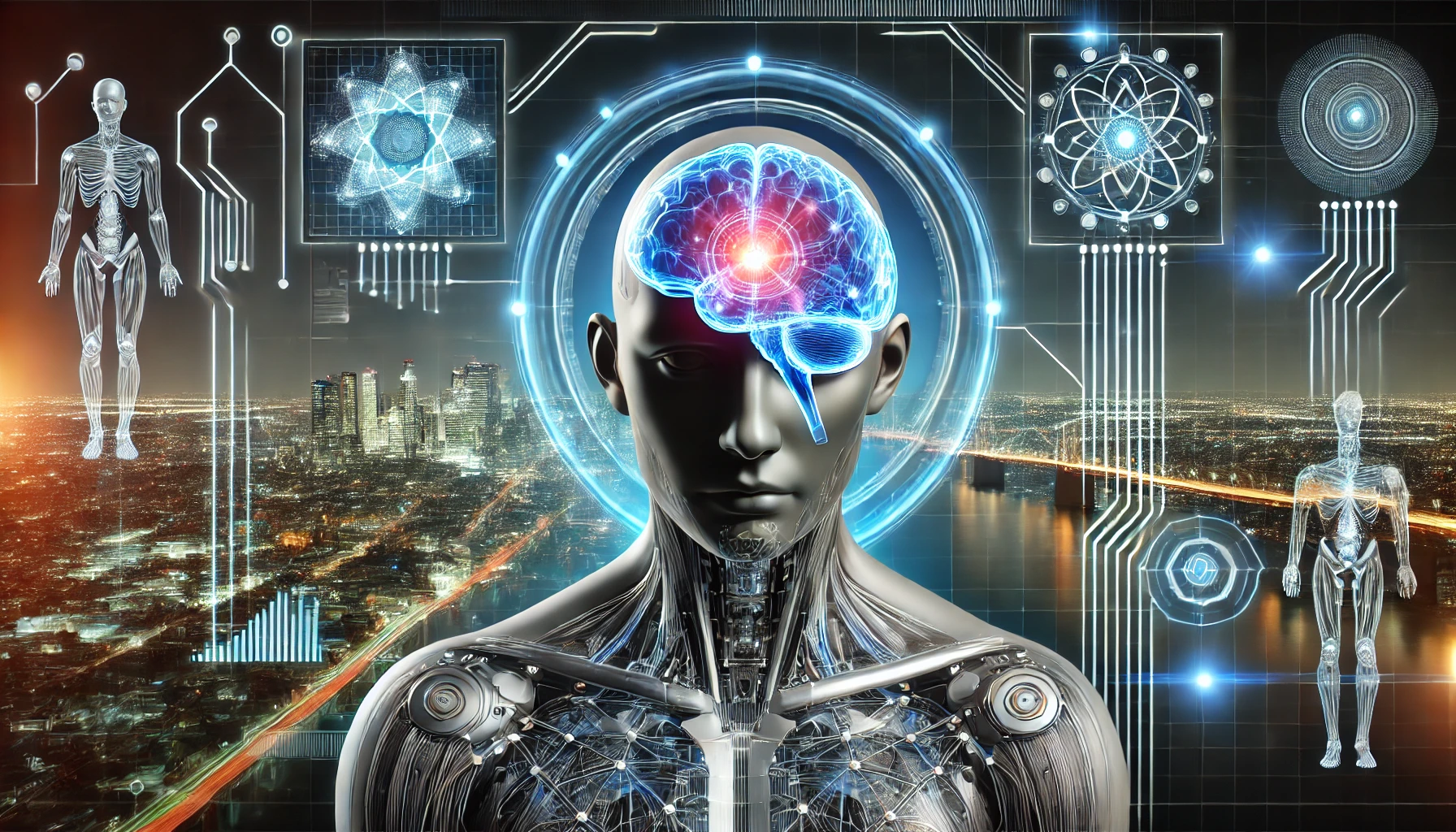
In 2026, Brain-Computer Interface (BCI) technology is becoming one of the most futuristic and exciting trends in the tech world. This technology allows direct communication between the human brain and computers, opening possibilities that once seemed impossible.
What is a Brain-Computer Interface
A Brain-Computer Interface is a system that connects the human brain to digital devices.
It can:
- Read brain signals
- Send commands to computers
- Control devices using thoughts
- Help humans interact with AI systems
Why BCI Technology is Trending
- Rapid AI advancements
- Medical technology breakthroughs
- Increased investment by tech companies
- Demand for advanced human-machine interaction
How BCI Works
The system detects brain activity through sensors or implants and converts signals into digital commands.
Example:
A person may control:
- A computer cursor
- A robotic arm
- A wheelchair
Using only brain signals.
Medical Benefits of BCI
Helping Disabled Patients
BCI can help people with paralysis communicate and control devices.
Brain Health Research
Researchers use BCI to study neurological conditions.
Restoring Movement
Advanced systems may help restore physical functions.
AI and Human Interaction
BCI may deeply connect humans with AI systems in the future:
- Faster communication
- AI-assisted thinking
- Real-time information access
Challenges and Risks
- Privacy concerns
- Ethical issues
- Expensive technology
- Security risks if systems are hacked
Future Possibilities
Experts believe future BCIs may allow:
- Direct brain communication
- Memory assistance
- Faster learning systems
- Human-AI collaboration
Impact on Society
This technology could change:
- Healthcare
- Communication
- Education
- Human productivity
Conclusion
Brain-Computer Interfaces in 2026 are pushing the boundaries between humans and technology. While still developing, this trend may redefine the future of digital interaction.
Final Tip
BCI technology may seem futuristic today, but it has the potential to become one of the most transformative innovations of the coming decades.
Leave a Reply