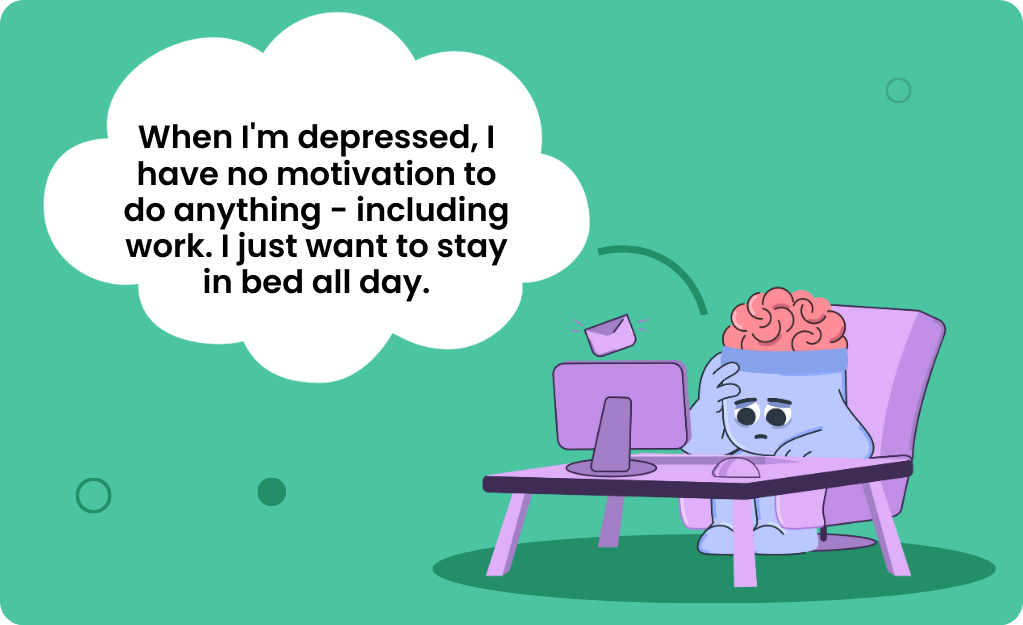
There comes a time — for almost everyone — when you just stop.
Not because you’re lazy. Not because you don’t care. But because you’ve simply run out of fuel.
Maybe you were doing great for a while. Grinding. Building. Pushing forward with everything you had. And then one day, it all… stopped making sense. You lost that spark. You started to question why you were even doing any of it.
It happens to students, entrepreneurs, parents, artists, even the most “driven” people you know.
Losing motivation doesn’t mean you’ve failed. It means you’re human. But starting again — that’s the hard part.
So, how do you do it? How do you actually begin again when you feel empty, tired, maybe even a little broken inside?
Let’s talk about it — honestly.
1. Accept That You’ve Stopped (and That It’s Okay)
The first instinct most people have when they lose motivation is guilt.
You start telling yourself things like:
“I should be doing more.”
“I’m wasting my time.”
“Everyone else is ahead of me.”
But here’s the truth — that guilt only keeps you stuck. You can’t rebuild your drive from a place of self-blame. You have to start with acceptance.
You stopped. You lost momentum.
It happened. So what?
Take a breath. Step back and admit it: “Yeah, I’ve been off-track. But I can come back.”
That small acceptance alone shifts your energy. Because now, instead of fighting reality, you’re starting from it.
2. Reflect, Don’t Regret
When motivation vanishes, it’s usually trying to tell you something. Sometimes, you’ve been chasing the wrong goal. Sometimes, you’ve just burned out.
Ask yourself — why did I stop?
Was it exhaustion?
Did the goal stop feeling meaningful?
Did you lose sight of the reason you started?
Write about it. Talk about it with someone. Don’t analyze to punish yourself, just to understand. Reflection brings clarity, and clarity is what re-ignites direction.
You might even find that you weren’t lazy — you were simply tired of pretending you cared about something that didn’t fulfill you anymore.
And that’s a powerful realization.
3. Shrink Your World (Temporarily)
When your motivation’s gone, everything feels heavy. Even small things like getting out of bed, replying to messages, or cleaning your desk can feel… massive.
So don’t aim for “big comeback energy.” Not yet.
Start small. Tiny even.
Clean one drawer.
Write one sentence.
Go for a five-minute walk.
The goal isn’t to achieve, it’s to move. Once you move, the energy begins to return.
Progress — no matter how small — builds momentum.
Think of it like restarting an old engine. It sputters at first. But with small consistent turns, it warms up again.
4. Reconnect With Your “Why”
When motivation dies, it’s usually because the reason behind your actions got lost in the noise.
You can work hard for months or years, but if you forget why you started — the drive fades.
Ask yourself:
- Why did I care about this in the first place?
- What do I want my life to feel like, not just look like?
- Who am I doing this for — me, or someone else’s approval?
Sometimes your “why” changes over time. And that’s okay.
You’re allowed to evolve. You’re allowed to want something new.
Reconnecting with your purpose isn’t about forcing motivation — it’s about realignment. Once you align again, energy follows naturally.
5. Change Your Environment (Even Slightly)
Your surroundings silently shape your state of mind. If you’ve been stuck in the same room, with the same routine, surrounded by the same reminders of what you “should have done,” your brain associates that space with failure.
Shift it.
Rearrange your desk. Go work from a café. Add a new scent to your room. Declutter. Even something as small as opening the window every morning can reset your mental space.
A fresh environment tells your mind, “We’re starting over now.”
6. Focus on Systems, Not Motivation
Here’s a harsh but honest truth — motivation is unreliable. It’s like weather; it changes. You can’t depend on it.
What you can depend on is a system.
A routine that works even when you don’t feel like it.
Instead of waiting to “feel ready,” build small, repeatable habits.
Things that don’t rely on emotion but on structure.
Example:
- Write every morning for 10 minutes, not “until I’m inspired.”
- Go to the gym for just 20 minutes, not “until I feel pumped.”
- Study one page, not “until I’m focused.”
Once the system’s in place, motivation will eventually show up again — because action breeds motivation, not the other way around.
7. Let Go of the “Old You”
Maybe you’re trying to get back to who you used to be. That version of you who was full of drive and excitement and endless energy.
But maybe that person doesn’t exist anymore — and that’s not a bad thing.
You’ve grown. You’ve been through things. You’ve changed. You can’t rebuild your life by clinging to an old version of yourself.
Start where you are.
With who you are.
Now.
Because the new you might be quieter, wiser, slower — but more intentional. And that’s something worth embracing.
8. Surround Yourself With Energy You Want to Absorb
Humans are mirrors. The people, content, and environments around you shape your energy — whether you notice it or not.
So pay attention to what (and who) you’re feeding on.
Follow creators who inspire instead of pressure you. Spend time with people who make you feel capable, not guilty. Listen to things that lift your energy.
Energy is contagious. Borrow it until you find your own again.
9. Don’t Wait to Feel Ready
You might never feel “ready” to start again. Most people don’t.
The trick is to begin before you feel ready.
Because waiting for perfect energy is just another form of procrastination.
Do it awkwardly. Do it tired. Do it messy.
But just — do it.
You’ll find that the act of moving, even imperfectly, brings back a sense of control.
And that control slowly rebuilds your confidence.
10. Remember: It’s Not a Straight Line
Progress isn’t linear.
You’ll restart, stop again, fall, restart again — maybe a hundred times.
But every time you restart, you’re not starting from zero. You’re starting from experience.
You’ve learned something about yourself each time.
The truth is, life is just a series of restarts.
And every “I’ll try again” is a quiet form of courage.
Final Thoughts
Losing motivation isn’t a sign of weakness — it’s a sign that something inside you needs attention.
Maybe rest. Maybe change. Maybe rediscovery.
You don’t have to force your comeback. You just have to take one honest, shaky step. Then another.
Eventually, the spark comes back. Not the same as before — but deeper.
Because now it’s built from understanding, not just adrenaline.
And that’s how you truly start again.
Leave a Reply