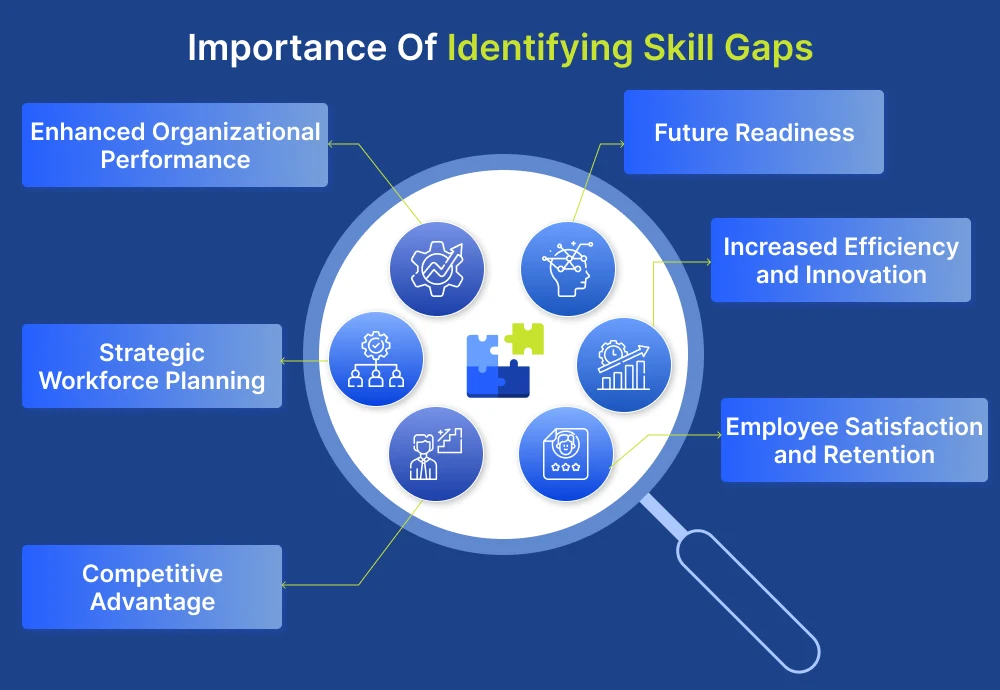
We all want to get better at what we do — to be sharper, more capable, and more confident in our skills. But sometimes, no matter how hard we try, we feel stuck. The truth is, growth doesn’t come just from effort; it comes from knowing where to focus that effort. And that’s where identifying your personal skill gaps becomes so important.
Most people assume they already know what they’re good or bad at, but self-perception can be surprisingly inaccurate. We either overestimate ourselves (thinking we’re great when we’re not) or underestimate our strengths (dismissing what we’re naturally good at). That’s why learning to honestly assess your skills — and uncover the areas that need work — is one of the smartest things you can do for personal and professional growth.
Let’s break down how to actually do that.
1. Understand What a “Skill Gap” Really Means
A skill gap isn’t just something you’re bad at. It’s the difference between what you can do right now and what’s needed to reach your next goal.
For example, if you’re a content writer who wants to move into digital marketing, your gap might not be writing — it might be data analysis or SEO strategy. If you’re a manager aiming for senior leadership, your gap might be in conflict resolution or strategic planning.
The key is to think in terms of goals, not flaws. A skill gap isn’t a weakness to be ashamed of — it’s a direction sign pointing you toward growth.
2. Start With Honest Self-Reflection
This step sounds simple but it’s where most people stumble — because being honest with yourself takes humility.
Ask yourself questions like:
- What tasks do I find difficult or frustrating?
- Where do I rely on others too often?
- What kind of feedback do I keep getting from my boss, peers, or clients?
- What skills do people in roles I admire have that I don’t?
Write your answers down. Don’t filter them. Sometimes you’ll notice patterns, like “I always get stuck when I have to organize things” or “I avoid giving presentations.” Those patterns reveal hidden gaps.
It also helps to think about your comfort zone — because skill gaps often hide right outside it. If there’s something you keep avoiding, it’s usually because you feel underprepared for it. That’s your clue.
3. Compare Yourself Against Role Models or Job Requirements
One of the clearest ways to identify your gaps is to compare where you are now with where you want to be.
If your goal is a specific career move, look at job descriptions for that role. Highlight the skills mentioned repeatedly — technical, communication, leadership, whatever. Then honestly rate yourself on each one (from 1 to 5 works well).
Or, if you don’t have a specific job in mind, look to people who are already doing what you aspire to do. Study their work. Notice how they handle challenges, how they speak, how they solve problems. Ask yourself, “What can they do that I can’t — yet?”
That “yet” is important. It turns a limitation into a goal.
4. Ask for Feedback (and Actually Listen)
This part is tough but crucial. You can’t see all your blind spots, no matter how self-aware you think you are. That’s why external feedback is gold.
Ask trusted colleagues, mentors, or even friends questions like:
- “What do you think I do really well?”
- “Where do you think I could improve?”
- “What skills do you think I need to grow further?”
Be ready to hear things that sting. That’s normal. The goal isn’t to defend yourself — it’s to gather insight.
Also, look at performance reviews, client comments, or even social media interactions if you’re a freelancer. Sometimes people reveal your strengths and weaknesses without meaning to.
Remember: feedback is a mirror. It doesn’t define your worth; it just shows what others see. Use that reflection to guide your next move.
5. Use Skill Assessment Tools
In today’s digital world, you can measure your skills pretty accurately through online tools. Sites like LinkedIn Learning, Coursera, and Indeed Assessments offer free or paid skill evaluations across industries.
These tests give you a clear, unbiased snapshot of your current ability — whether it’s Excel, project management, coding, communication, or leadership.
They’re especially useful because they measure you objectively, not emotionally. You might feel like you’re bad at public speaking, but a quick online assessment or a recorded mock presentation might show that you’re actually better than you think — you just lack confidence.
6. Track Your Daily Work Patterns
Another underrated method is simply paying attention to your daily workflow.
Notice where you slow down or struggle. Do you take forever to write reports? Do you avoid analyzing data? Are you great at generating ideas but bad at executing them?
The moments you hesitate are often where your skill gaps live. Start writing these down each week. Over time, you’ll build a “map” of your strengths and weaknesses that’s more honest than any test.
7. Identify “Soft Skill” Gaps Too
Most people focus on hard skills — like technical abilities — and completely overlook soft skills, which are often what really hold them back.
Soft skills include things like:
- Communication
- Emotional intelligence
- Time management
- Adaptability
- Problem-solving
- Teamwork
You might be excellent at your job’s technical side, but if you struggle to manage conflict or meet deadlines, that’s a skill gap that will limit your progress.
The tricky part about soft skills is they’re harder to measure. The best way is to observe outcomes. For instance, if meetings often go sideways when you lead them, or your team hesitates to approach you, that’s feedback in itself.
8. Prioritize Which Gaps to Close First
Once you’ve identified your gaps, don’t try to fix them all at once — that’s a recipe for burnout.
Prioritize based on what will have the biggest impact.
Ask:
- Which of these skills would most improve my performance right now?
- Which one will open the most opportunities in the long run?
Focus on one or two at a time. That’s how real progress happens — not by doing everything, but by doing the right thing consistently.
9. Create a Learning Plan
Now that you know your gaps, turn them into a learning roadmap.
Find resources — online courses, workshops, mentors, or even YouTube tutorials — that directly address those skills. Schedule time each week to work on them, just like you’d schedule a meeting.
The key is consistency. Learning isn’t about cramming; it’s about steady improvement.
And don’t forget to measure your progress. Take notes on what’s getting easier. Ask for new feedback every few months. That’s how you’ll know your gap is closing.
10. Celebrate the Process
Finally, remember: growth is messy. You’ll make mistakes. You’ll feel frustrated. That’s normal. The goal isn’t to be perfect — it’s to be aware.
When you know your gaps, you stop guessing. You can take control of your growth instead of waiting for life or luck to do it for you.
And one day, when you look back, you’ll realize those gaps weren’t weaknesses at all. They were the pathways that led you to become who you wanted to be.
Leave a Reply