In 2026, creating content is easy, but creating viral content is what brings real traffic. Viral content is the type of content that people click, read, and share. If you understand how viral content works, you can grow your website much faster.
What is Viral Content
Viral content is content that spreads quickly across the internet. It gets high clicks, shares, and engagement. This type of content usually solves a problem, creates curiosity, or talks about trending topics.
Focus on Trending Topics
One of the best ways to go viral is to write about current trends. Topics like AI, online earning, global news, and technology updates perform very well.
Stay updated and create content around what people are already searching for.
Write Clickable Titles
Your title is the most important part of viral content.
Good titles:
Create curiosity
Promise value
Include numbers or years
Example: “How People Are Making Money Online in 2026”
Keep Content Simple
Viral content is easy to read. Avoid complex language and keep your sentences simple. This helps more people understand and share your content.
Solve a Problem
Content that solves real problems gets more attention. If your article helps the reader, they are more likely to share it.
Use Short Paragraphs
Short paragraphs improve readability. Most users prefer quick and easy-to-read content.
Add Emotional Trigger
Content that creates curiosity, urgency, or excitement performs better. People share content that makes them feel something.
Promote Your Content
Even viral content needs promotion. Share your article on social media, groups, and communities to get initial traffic.
Stay Consistent
Not every post will go viral, but consistency increases your chances. The more content you publish, the higher your chances of success.
Conclusion
Viral content in 2026 is all about trends, simplicity, and value. If you understand what users want and create content around it, you can attract massive traffic.
Final Tip
Do not focus only on going viral. Focus on providing value. Viral traffic comes naturally when your content helps people.
In 2026, Google continues to release core updates that change how websites rank in search results. These updates can increase or decrease your website traffic overnight. For new websites, understanding these updates is very important to grow safely.
What is a Google Core Update
A Google Core Update is a major change in Google’s ranking system. It affects how content is evaluated and ranked. These updates focus on improving search quality and showing the best results to users.
Why Core Updates Matter
Core updates directly impact:
Website rankings
Organic traffic
Content visibility
Overall SEO performance
Even good websites can lose rankings if they do not follow updated standards.
What Changed in 2026 Updates
In 2026, Google is focusing more on:
Content quality and usefulness
User experience
Trust and credibility
Topical authority
Low-quality and AI-only content without value is being pushed down.
Impact on New Websites
New websites are more sensitive to updates because they do not have strong authority yet.
Possible effects:
Slow ranking growth
Fluctuating positions
Delayed traffic
But if done correctly, updates can also help new sites grow.
How to Stay Safe After Updates
Focus on High-Quality Content
Write detailed and helpful content that solves real problems.
Avoid Spam Techniques
Do not use keyword stuffing or low-quality backlinks.
Improve User Experience
Make your website fast, mobile-friendly, and easy to use.
Stay Consistent
Regular posting helps build trust over time.
Common Mistakes to Avoid
Publishing low-value content
Copying from other websites
Ignoring user intent
Posting inconsistent content
What to Do If Traffic Drops
If your traffic drops after an update:
Review your content quality
Update weak articles
Improve structure and readability
Continue publishing better content
Conclusion
Google Core Updates in 2026 are designed to reward high-quality and helpful websites. New websites should focus on building strong content and trust instead of shortcuts.
Final Tip
Do not fear updates. If your strategy is correct, updates will help your website grow in the long run.
In 2026, remote jobs are one of the fastest-growing trends worldwide. More companies are allowing employees to work from home, and many people are choosing online work instead of traditional office jobs. This shift has created new opportunities for earning from anywhere.
What Are Remote Jobs
Remote jobs are jobs that you can do from home or any location using the internet. You do not need to go to an office. All work is done online using tools and communication platforms.
Why Remote Work is Growing
The demand for remote jobs is increasing because:
Companies want to reduce costs
Employees prefer flexible schedules
Internet access is widely available
Digital tools make communication easy
Popular Remote Jobs in 2026
Freelance Writing
Content writing is in high demand. Businesses need articles, blog posts, and marketing content.
Virtual Assistant
Virtual assistants help businesses with tasks like email management, scheduling, and data entry.
Social Media Manager
Many brands hire people to manage their social media accounts and grow their audience.
Graphic Designer
Designers create logos, social media posts, and marketing materials.
Online Teaching
Teaching online has become popular. You can teach academic subjects or skills.
Skills Required for Remote Jobs
To succeed in remote work, you need:
Communication skills
Time management
Basic technical knowledge
Consistency and discipline
Benefits of Remote Work
Work from anywhere
Flexible working hours
No travel cost
Better work-life balance
Challenges of Remote Jobs
Requires self-discipline
Risk of distractions at home
Competition in online jobs
Income may not be stable at the start
How to Start Remote Work
Start by learning a skill, creating a portfolio, and applying on freelancing platforms. You can also reach out to businesses directly.
Conclusion
Remote jobs in 2026 are creating new opportunities for people worldwide. With the right skills and consistency, anyone can start earning from home.
Final Tip
Focus on building strong skills first. Skills are the key to long-term success in remote work.
In 2026, one of the biggest online trends is the rise of AI tools like ChatGPT. People all over the world are using AI to earn money, build businesses, and automate work. This trend is growing fast, and those who understand it early are making serious income online.
What is the AI Job Boom
The AI job boom means new job opportunities created by artificial intelligence. Instead of replacing all jobs, AI is creating new ways to work and earn.
People are now using AI tools to complete tasks faster and offer services online.
How People Are Making Money with AI
AI Content Creation
Many people are using AI to write blog posts, social media content, and marketing copy. Businesses need content daily, and AI helps deliver it faster.
Freelancing with AI
Freelancers are using AI tools to complete projects quickly. This allows them to handle more clients and increase their income.
AI YouTube Channels
Some creators are running YouTube channels using AI voiceovers, scripts, and editing tools. This reduces effort and increases content production.
AI-Based Services
People are offering services like:
AI content writing
Chatbot setup
AI automation solutions
These services are in high demand.
Why This Trend is Growing
There are several reasons behind the AI boom:
AI tools are becoming easy to use
Businesses want faster results
Online work is increasing globally
Automation saves time and cost
Benefits of Using AI for Income
Faster work completion
Ability to scale income
Low startup cost
Global earning opportunities
Challenges of AI Jobs
Even though AI is powerful, it has challenges:
High competition
Need for skill improvement
Quality control issues
Dependence on tools
Future of AI Jobs
Experts believe AI-related jobs will continue to grow in the coming years. New roles will be created, and businesses will depend more on AI solutions.
Conclusion
The AI job boom in 2026 is one of the biggest online trends. People who learn and adapt to AI tools can create new income opportunities and grow faster in the digital world.
Final Tip
Do not just use AI tools randomly. Learn how they work, improve your skills, and use them strategically to build long-term income.
In recent years, Artificial Intelligence (AI) has increasingly become a part of education. From adaptive learning platforms to AI tutors and predictive analytics, technology promises personalized instruction, instant feedback, and data-driven insights. At the same time, human teachers remain central to education, providing mentorship, empathy, and social guidance that machines cannot replicate. The challenge for modern schools and universities is finding the right balance between AI-driven learning and human teaching, ensuring that technology enhances education without replacing its essential human aspects.
1. Leveraging AI for Repetitive and Administrative Tasks One of the clearest opportunities to balance human teaching and AI is through the automation of repetitive tasks. Grading multiple-choice exams, tracking attendance, or generating reports can consume significant teacher time. AI systems can handle these tasks efficiently, freeing educators to focus on more complex activities like interactive discussions, project guidance, and individualized mentoring.
For example, instead of spending hours calculating grades or analyzing homework submissions, teachers can review AI-generated analytics to understand class performance trends and identify students needing extra support. This approach reduces workload without diminishing the teacher’s critical role in student learning.
2. Using AI to Personalize Learning Pathways AI can analyze students’ learning patterns, strengths, and weaknesses to create personalized learning experiences. Adaptive learning platforms adjust content and pace to match each student’s progress, helping learners master concepts before moving forward.
Balancing this with human teaching involves using AI insights to guide classroom strategies rather than replacing direct instruction. Teachers can interpret AI recommendations, plan targeted interventions, and facilitate collaborative activities that encourage critical thinking, discussion, and creativity. In this model, AI handles individualized drills, while humans focus on higher-order cognitive development.
3. Enhancing Feedback with AI Support Immediate feedback is crucial for effective learning. AI tools can provide instant evaluation on quizzes, assignments, and practice exercises, highlighting areas for improvement. However, feedback from human teachers goes beyond correctness—it considers reasoning, effort, and thought processes.
By combining both, students receive rapid guidance from AI for skill-building, complemented by in-depth explanations, encouragement, and mentorship from educators. This hybrid approach ensures students develop both competence and confidence in their learning.
4. Supporting Diverse Learners Different students have different needs. Some may require extra time, visual aids, or interactive simulations to understand complex topics. AI can identify these needs by analyzing performance and engagement data, but human teachers provide the emotional support and motivation necessary to keep students engaged.
For example, a student struggling with a learning disability may benefit from AI-generated practice exercises but still requires a teacher’s guidance to navigate frustrations, celebrate progress, and develop social and emotional skills. Balancing AI-driven personalization with human support creates an inclusive learning environment.
5. Encouraging Collaboration and Social Learning AI-driven learning often emphasizes individual progress, while human teachers cultivate social skills and collaboration. Group projects, debates, and classroom discussions are essential for developing teamwork, communication, and empathy.
Educators can use AI to identify group compatibility, track participation, or suggest collaborative exercises, but the actual facilitation, conflict resolution, and mentoring require human intervention. This balance ensures students not only acquire knowledge but also learn to interact, negotiate, and solve problems collectively.
6. Teacher Professional Development and AI Training For effective integration, teachers need to understand AI capabilities and limitations. Professional development programs can train educators to interpret AI-generated data, leverage digital tools, and design blended learning experiences.
When teachers are confident in using AI, they can better balance technology with human teaching. They can decide which tasks are best automated, which insights require human judgment, and how to maintain a personal connection with students while benefiting from technological efficiency.
7. Ethical Considerations and Oversight Balancing AI and human teaching also involves ethical oversight. AI systems rely on data, which can raise privacy concerns. Human teachers must ensure student data is protected, that recommendations are free from bias, and that students’ well-being is prioritized.
Additionally, educators play a critical role in guiding ethical discussions about AI itself, helping students navigate the social and moral implications of technology in society. AI should assist learning, not dictate it, and human judgment remains essential in these areas.
8. Flexibility and Adaptation The balance between AI and human teaching is not static. Some subjects, like mathematics or coding, may benefit from heavy AI integration for practice and reinforcement, while others, like literature or philosophy, require more human interaction for discussion and critical analysis.
Schools should adopt a flexible approach, adjusting the ratio of AI and human teaching based on subject matter, student needs, and learning objectives. Regular feedback from students and educators can guide this dynamic balance, ensuring that technology enhances rather than replaces human instruction.
9. Future Prospects The future likely involves increasingly sophisticated AI systems integrated into classrooms, offering predictive analytics, adaptive content, and immersive learning experiences through VR or AR. The role of teachers will evolve into facilitators, mentors, and ethical guides.
By maintaining this balance, education can become more personalized, efficient, and inclusive without losing the human elements that make learning meaningful and engaging. AI will handle data-driven tasks, while humans cultivate curiosity, creativity, empathy, and critical thinking.
Conclusion Balancing human teaching and AI-driven learning is essential for the future of education. AI offers personalized instruction, immediate feedback, and administrative support, while human educators provide mentorship, emotional guidance, social learning, and ethical oversight. A hybrid model, where AI complements human teaching rather than replacing it, ensures students receive both efficient learning experiences and meaningful human interactions. By thoughtfully integrating AI, schools can create a dynamic, adaptive, and student-centered educational environment that prepares learners for both academic success and life beyond the classroom.
Artificial Intelligence (AI) is rapidly transforming education, offering tools for personalized learning, automated grading, virtual tutoring, and predictive analytics. While these advancements are impressive, the idea of AI replacing human educators raises serious concerns. Education is not just about knowledge transfer; it is a deeply human experience involving empathy, mentorship, creativity, and social interaction. Over-reliance on AI could compromise these essential elements. Understanding the potential risks is critical as schools and universities increasingly integrate AI into teaching and learning processes.
1. Loss of Human Interaction and Emotional Support One of the most significant risks of AI replacing educators is the loss of human interaction. Teachers provide emotional support, encouragement, and mentorship that AI cannot replicate. Students often rely on educators for guidance, motivation, and confidence building—especially during challenging subjects or personal struggles.
AI can deliver information, track performance, and provide automated feedback, but it lacks empathy. Without human educators, students may feel isolated, disengaged, or unsupported. The classroom experience goes beyond academics; it is a place for emotional development, social learning, and the cultivation of soft skills. AI alone cannot fulfill these roles.
2. Over-Reliance on Algorithms and Data AI-driven systems rely on algorithms and historical data to make decisions. While they can analyze trends and predict outcomes, these systems are inherently limited by the data they are trained on. Biases in historical educational data can perpetuate inequality, favor certain learning styles, or underestimate student potential.
Replacing human educators with AI could lead to over-reliance on these systems, reducing critical thinking and intuition in teaching. Educators can adjust lessons based on classroom dynamics, student emotions, and spontaneous questions—factors that AI may misinterpret or overlook.
3. Risk of Dehumanizing Education Education is not only about acquiring knowledge but also about personal growth, values, and creativity. Human teachers inspire curiosity, foster critical thinking, and encourage students to explore ideas beyond the curriculum.
AI-driven instruction risks turning education into a transactional process: students receive content, complete assessments, and progress based on algorithms. The richness of discussion, debate, mentorship, and creative exploration could be diminished, potentially producing learners who are skilled in information recall but less capable of independent thought and innovation.
4. Limited Ability to Handle Complex Classroom Dynamics Classrooms are complex social environments. Teachers manage diverse personalities, address conflicts, and adapt to unexpected situations. AI can respond to pre-programmed scenarios and data trends, but it cannot navigate the nuanced dynamics of a real classroom.
For example, a student struggling due to personal or family issues may require understanding, flexibility, and reassurance. AI systems lack the capacity for judgment and empathy, making it difficult to respond appropriately in these situations. Replacing educators with AI could compromise the quality of support students receive in these critical moments.
5. Potential Job Displacement and Economic Impact Replacing human educators with AI could lead to significant job displacement. Teaching is not just a profession; it is a livelihood for millions worldwide. Widespread adoption of AI in education may reduce the need for teachers, administrative staff, and support personnel, raising economic and social concerns.
Moreover, the cost of developing, implementing, and maintaining AI systems is high. Schools in less affluent regions may not have equal access to AI tools, widening the educational gap between different socioeconomic groups.
6. Ethical and Privacy Concerns AI in education relies on collecting vast amounts of student data, including grades, learning behaviors, engagement patterns, and even biometric or psychological information. Replacing human educators with AI increases reliance on data-driven decisions, raising privacy and ethical concerns.
Students may feel surveilled, and sensitive information could be misused or exposed in data breaches. Human educators provide a layer of ethical judgment and discretion that AI systems currently cannot replicate.
7. Challenges in Cultivating Creativity and Critical Thinking AI excels at structured tasks, pattern recognition, and providing information, but fostering creativity and critical thinking requires human guidance. Teachers encourage students to question assumptions, debate ideas, and develop original thought.
AI-driven education may focus heavily on measurable outcomes, such as grades or standardized test performance, neglecting skills that are harder to quantify but equally important in life and work. This could produce technically competent students but limit their innovation, problem-solving abilities, and adaptability.
8. Dependence on Technology and Technical Failures Relying solely on AI creates vulnerability to technical failures, software glitches, or cybersecurity threats. System outages or errors could disrupt learning for entire classes, whereas human educators can adapt, improvise, and maintain continuity. Technology cannot fully replace the adaptability and resilience of a human teacher in unforeseen situations.
9. Future Prospects and Balance While AI offers incredible potential to enhance education, it should be seen as a complement rather than a replacement for human educators. The future likely involves a hybrid model, where AI handles repetitive tasks, data analysis, and personalized learning suggestions, while human teachers focus on mentorship, creativity, and social-emotional development.
Schools and policymakers must carefully balance automation with human expertise, ensuring that technology supports teaching without eroding the core human elements of education.
Conclusion Artificial Intelligence can significantly improve efficiency, personalization, and access in education, but replacing human educators carries substantial risks. Loss of emotional support, over-reliance on algorithms, dehumanized learning experiences, job displacement, ethical concerns, and limitations in fostering creativity are serious considerations. Education is fundamentally a human endeavor, involving mentorship, guidance, and social interaction. AI should serve as a powerful tool to enhance teaching, not replace the human touch that shapes learners’ intellectual and emotional growth. By combining AI capabilities with skilled educators, schools can harness technology’s benefits while preserving the essential human essence of education.
In the modern educational landscape, data is everywhere. Schools and universities collect vast amounts of information—from student attendance and grades to engagement patterns, behavior analytics, and online learning interactions. Traditionally, analyzing this data was a slow, labor-intensive process, often limited to simple summaries and manual reports. Artificial Intelligence (AI) is now transforming educational data analysis, offering powerful insights, predictive capabilities, and personalized learning opportunities that were previously impossible.
1. Collecting and Organizing Large-Scale Data One of the primary advantages of AI in education is its ability to handle massive amounts of data. Traditional methods struggled with integrating diverse data sources such as exam scores, assignment submissions, online learning logs, and participation records. AI algorithms can collect, clean, and organize these datasets quickly and accurately.
For example, AI systems can combine attendance logs, LMS activity, and assessment scores to create comprehensive student profiles. This organized data forms the foundation for deeper analysis and supports data-driven decision-making by educators and administrators.
2. Identifying Patterns and Trends AI excels at recognizing patterns that might go unnoticed by humans. By analyzing historical and real-time data, AI can identify trends in student performance, engagement, and learning behavior.
For instance, AI might detect that students who participate actively in discussion forums tend to perform better in written assessments. It could also highlight subjects or topics where many students struggle, enabling educators to intervene early and adjust teaching strategies. These insights provide actionable intelligence that can improve both teaching and learning outcomes.
3. Predictive Analytics for Student Success One of the most transformative applications of AI in educational data analysis is predictive analytics. By examining past performance and engagement metrics, AI models can predict future outcomes, such as the likelihood of a student passing a course, dropping out, or excelling in advanced studies.
Predictive analytics allows educators to proactively support students who may be at risk. For example, if a student shows declining participation in online modules and low quiz scores, AI systems can flag them for intervention, such as tutoring or personalized study plans. This proactive approach enhances student retention and achievement.
4. Personalized Learning Recommendations AI-driven data analysis enables personalized learning experiences. By analyzing a student’s strengths, weaknesses, and learning preferences, AI systems can recommend tailored resources, exercises, or study pathways.
For example, a student struggling with algebra could receive additional practice problems and tutorial videos, while another student excelling in the same area might be challenged with advanced exercises. This individualized approach helps students progress at their own pace, improving engagement and mastery of the material.
5. Enhancing Curriculum and Teaching Strategies AI does not only benefit students; it provides valuable insights for educators and administrators. By analyzing class-wide performance data, AI can highlight which teaching methods are most effective and which areas require improvement.
For instance, if a majority of students struggle with a particular concept in physics, AI analytics can suggest revisiting the teaching approach or incorporating interactive simulations. Similarly, trends in engagement data can inform curriculum updates, ensuring that content is relevant, engaging, and aligned with learning goals.
6. Real-Time Feedback and Assessment Traditional assessment often provides feedback weeks after assignments are submitted, delaying interventions. AI can analyze student work in real time, identifying errors, misconceptions, or patterns in problem-solving approaches.
For example, AI grading tools can evaluate essay structures, coding assignments, or math problems, providing immediate feedback to students. Educators can then focus on guiding students through difficult concepts rather than spending hours grading manually. Real-time insights accelerate learning and foster a more responsive educational environment.
7. Supporting Administrative Decisions AI-driven educational data analysis is also valuable for school and university administration. By analyzing enrollment trends, resource utilization, and student outcomes, AI helps administrators make informed decisions about staffing, budgeting, and course offerings.
For example, AI can predict which courses will see increased demand, enabling institutions to allocate teachers and classrooms efficiently. It can also identify trends in student satisfaction, dropout rates, or performance disparities across different demographics, supporting policy-making and strategic planning.
8. Challenges and Considerations While AI offers remarkable advantages, challenges remain. Data privacy and security are critical, as sensitive student information must be protected. Bias in AI algorithms is another concern; if the data used for training AI models reflects historical inequalities, the system may perpetuate them.
Additionally, AI should complement, not replace, human judgment. Educators must interpret AI insights critically, considering context, emotional factors, and individual circumstances to make well-rounded decisions.
9. Future Prospects The future of AI in educational data analysis is promising. Emerging technologies like deep learning and neural networks could enable even more sophisticated insights, such as analyzing student emotions through engagement patterns or predicting career readiness. Integration with adaptive learning platforms will allow real-time adjustments to content and teaching strategies.
AI may also facilitate global collaboration by analyzing educational trends across regions, helping institutions adopt best practices and improve outcomes for diverse student populations.
Conclusion Artificial Intelligence is revolutionizing educational data analysis by transforming raw data into actionable insights. From identifying patterns and trends to predicting student success, personalizing learning, and supporting administrative decisions, AI empowers educators to make informed, proactive, and effective interventions. While challenges like privacy, bias, and the need for human oversight exist, the potential benefits are immense. By leveraging AI in educational data analysis, schools and universities can foster more personalized, efficient, and impactful learning environments, preparing students for success in an increasingly data-driven world.
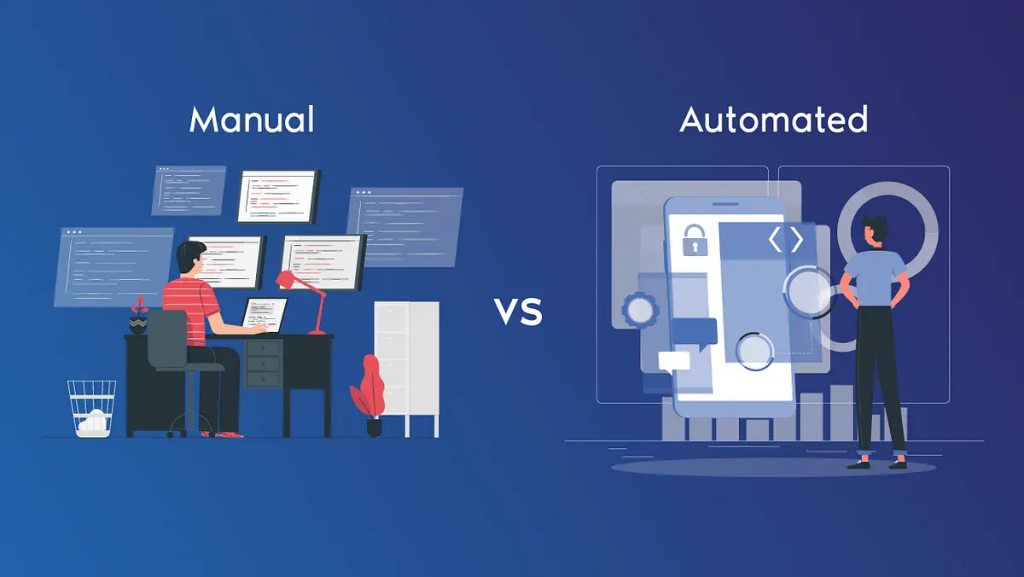
Administrative tasks in schools have traditionally been time-consuming and often repetitive. From managing attendance records to handling fee payments, scheduling classes, and maintaining student data, school staff spend countless hours on processes that are essential but take away from the core focus of education. Automation, powered by digital tools and artificial intelligence, is transforming how schools handle administrative responsibilities, making operations more efficient, accurate, and streamlined.
1. Streamlining Attendance Management Attendance tracking is one of the most basic yet time-intensive administrative tasks. In traditional settings, teachers manually take attendance, which is prone to errors and consumes classroom time. Automation, through biometric systems, RFID cards, or AI-powered facial recognition, ensures accurate and instant recording of student presence.
This not only saves valuable time but also allows administrators and parents to receive real-time updates. Automated systems can alert teachers about frequent absences, track patterns, and generate reports for school management without manual intervention.
2. Efficient Grade and Report Management Recording grades, calculating averages, and generating report cards have always been tedious tasks for teachers. Automated grade management systems reduce human error and speed up the entire process.
With automation, teachers can input grades once, and the system calculates overall scores, generates detailed reports, and even creates performance analytics. Students and parents can access these reports instantly, and educators can focus more on improving teaching strategies rather than spending hours on paperwork.
3. Simplifying Fee Collection and Financial Management Handling fees manually, issuing receipts, and tracking payments is another area where automation brings significant benefits. AI-powered school management systems can send automated fee reminders, process online payments, and generate receipts instantly.
Financial data can be analyzed to identify trends, pending payments, or resource allocation needs. Automation reduces the chances of human error, ensures transparency, and provides a smooth experience for parents, students, and accounting staff.
4. Scheduling and Timetable Automation Creating class schedules and assigning teachers to subjects is a complex task, especially in schools with multiple grades and electives. Manual scheduling can lead to conflicts, overlaps, or inefficient allocation of resources.
Automation tools use algorithms to create optimized timetables considering teacher availability, classroom constraints, and student course selections. These systems can also quickly adjust schedules in case of unexpected changes, such as teacher absences or classroom unavailability, ensuring minimal disruption to learning.
5. Automating Communication and Notifications Effective communication between teachers, students, and parents is crucial for smooth school operations. Automation facilitates instant notifications through emails, SMS, or app alerts regarding announcements, exam schedules, homework assignments, or school events.
AI-driven chatbots can answer routine queries from students or parents, such as school timings, holidays, or upcoming deadlines, reducing the administrative burden on office staff. This ensures that essential information reaches the right people promptly and reduces miscommunication.
6. Data Management and Analytics Schools generate a vast amount of data, from student profiles and academic records to attendance, behavior reports, and extracurricular achievements. Manually managing and analyzing this data is labor-intensive and prone to mistakes.
Automation systems centralize data storage, making it easy to access, update, and retrieve information. AI-powered analytics can identify patterns, predict student performance trends, and highlight areas needing intervention. This data-driven approach supports better decision-making by school management and enables proactive measures for improving student outcomes.
7. Reducing Paperwork and Administrative Overload One of the most noticeable impacts of automation is the reduction in paperwork. Traditional administrative processes involve printing, filing, and manually updating records, which consumes time and resources. Automated systems digitize records, making them accessible online anytime.
This not only saves physical space and reduces costs but also contributes to sustainability efforts by minimizing paper use. Teachers, administrators, and staff can focus on more meaningful tasks, like student engagement, curriculum development, and teacher support.
8. Challenges and Considerations While automation brings numerous benefits, challenges remain. Schools need to invest in reliable software, hardware, and staff training. Technical issues, data privacy concerns, and cybersecurity risks must be addressed to ensure safe and effective operation.
Additionally, over-reliance on automated systems can reduce human oversight. While automation handles repetitive tasks efficiently, decision-making that requires judgment, empathy, or context still needs human intervention. Balancing technology with human insight is essential for optimal results.
9. Future Prospects The future of automation in school administration looks promising. Integration of AI with predictive analytics can help anticipate student needs, optimize resource allocation, and improve operational efficiency. Cloud-based platforms will allow remote access for administrators, teachers, and parents, ensuring real-time collaboration.
Robotic process automation (RPA) may handle even more complex processes, such as curriculum planning, examination logistics, or staff allocation. AI could also provide early alerts for student disengagement or absenteeism, enabling timely interventions and fostering better academic outcomes.
Conclusion Automation is revolutionizing administrative tasks in schools, making operations faster, more accurate, and less burdensome. From attendance and grading to fee management, scheduling, communication, and data analytics, automated systems free educators from repetitive work, allowing them to focus on teaching and student development. While challenges like cybersecurity, training, and maintaining human oversight exist, the benefits of automation are undeniable. In today’s digital era, schools that embrace automation can enhance efficiency, ensure better resource management, and ultimately create a more organized, responsive, and student-focused learning environment.
Sometimes, exams sneak up, or procrastination wins. Panic mode kicks in. But last-minute revision can still work—if done wisely.
Focus on High-Yield Topics
Don’t try to cover everything. Look at past papers, class emphasis, and syllabus points. Focus on what’s most likely to appear.
Summarize and Mind Map
Condense notes into bullet points, diagrams, or mind maps. Visuals help your brain recall information faster. A messy, full notebook won’t help at 2 a.m.
Active Learning
Teach concepts aloud
Use flashcards
Quiz yourself or ask a friend to quiz you
Study Smart
Short bursts (30–50 minutes) are more effective than marathon sessions
Take 5–10 minute breaks to prevent fatigue
Avoid distractions like phone or TV
Rest and Nutrition
Even a brief nap can improve memory retention. Eat light, healthy snacks—brain needs fuel. Avoid energy drinks—they spike energy then crash focus.
Last-minute revision is stressful, but focus, prioritization, and active learning make it effective. Don’t aim for perfection—aim for targeted efficiency.