Category: education

  • How to Balance Social Life and Academic Goals


    College life is more than grades—it’s friends, parties, clubs, and experiences. But juggling academics and a social life can feel impossible. The key is balance.

    Prioritize Your Time

    Not every social event is essential. Make a list: what are the must-dos? What can you skip? Schedule your week with dedicated study sessions first, then social activities.

    Combine Social Life and Academics

    • Study groups are a double win: learning + social interaction
    • Discussing material with friends can reinforce understanding
    • Meet friends for study sessions at coffee shops—change of environment helps focus

    Manage Burnout

    Social interactions improve mental health and reduce stress. Avoid isolating yourself while cramming—mental breaks with friends recharge your brain.

    Tools to Help

    • Use planners, calendars, or apps to track academic and social commitments
    • Color-code tasks: red for urgent, blue for social, green for personal goals
    • Checklists prevent overbooking and reduce anxiety

    Flexibility

    Plans change. Friends cancel, assignments shift. Flexibility ensures you stay balanced without guilt.

    Final Thought

    Balance isn’t about perfect equality. It’s about making intentional choices. With planning, prioritization, and consistency, you can enjoy friendships, parties, and networking without sacrificing your academic goals.
  • Best Study Strategies for College Finals

    Finals… the very word makes most students tense. But here’s the thing: it doesn’t have to be terrifying. The difference between cramming and excelling comes down to strategy.

    Plan Ahead

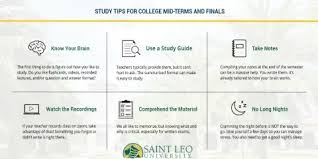
    The first step is planning. Map out your exam schedule and figure out which subjects or topics are trickiest. Prioritize them. Some students make the mistake of trying to study everything equally—don’t. Focus on what carries the most weight and what you struggle with most.

    Create a study calendar:

    • Morning: tackle high-focus, difficult topics
    • Afternoon: moderate topics or practice problems
    • Evening: review and light reading

    Planning reduces last-minute panic and helps you track progress.

    Active Study Methods

    1. Active Recall
      Instead of just rereading notes, close your books and try to recall everything you learned. Flashcards or self-quizzing are excellent for this. Research shows active recall significantly improves memory retention.
    2. Practice Tests
      Past papers or mock exams train your brain to think under pressure. They also highlight weak areas. For example, if you consistently miss questions on a certain topic, focus there first.
    3. Feynman Technique
      Teach a concept to someone else—or even pretend to teach. Explaining aloud forces you to simplify and understand deeply. If you can’t explain it simply, you don’t know it well enough yet.
    4. Interleaving
      Mix up subjects or topics instead of studying one subject for hours. Research indicates interleaving improves long-term retention and problem-solving ability.

    Time Management

    • Break study sessions into 50–60 minute blocks with 10–15 minute breaks
    • Avoid multitasking. Switching between tasks reduces efficiency
    • Track your time. Use apps or simple timers

    Self-Care During Finals

    • Sleep is critical. Even short naps improve memory consolidation
    • Eat nutritious meals. Avoid sugar crashes and excessive caffeine
    • Exercise lightly. 15–20 minutes of movement boosts cognitive function

    Stress Management

    • Meditate or practice deep breathing
    • Positive self-talk can reduce anxiety (“I am prepared, I can do this”)
    • Avoid comparing yourself to others

    Final Thought

    Finals are stressful, yes, but they don’t have to be overwhelming. Smart planning, active learning, proper time management, and self-care are far more effective than endless cramming. Study strategically, and you’ll feel confident walking into each exam.

  • Science-Backed Ways to Improve Concentration While Studying

    Studying in college isn’t just about reading textbooks or taking notes—it’s about actually focusing. But let’s be honest, staying concentrated isn’t easy. Social media notifications, a buzzing phone, a wandering mind… it’s a mess sometimes. Fortunately, science has studied focus for decades and found some reliable methods to improve concentration.

    Understanding Concentration

    Concentration is the brain’s ability to focus on a single task while filtering out distractions. Think of it like a muscle. The more you exercise it, the stronger it gets. But just like physical muscles, it can get fatigued. Research suggests the human brain can only maintain intense focus for 25–50 minutes before performance starts dropping.

    So, if you’ve ever felt burnt out after hours of cramming, you’re not alone—and science actually supports taking breaks.

    Science-Backed Techniques

    1. Pomodoro Technique
      Probably the most famous focus hack. Study for 25–30 minutes, then take a 5-minute break. After four “Pomodoros,” take a longer break, like 20–30 minutes. Studies show this method improves productivity and prevents mental fatigue.
    2. Control Your Environment
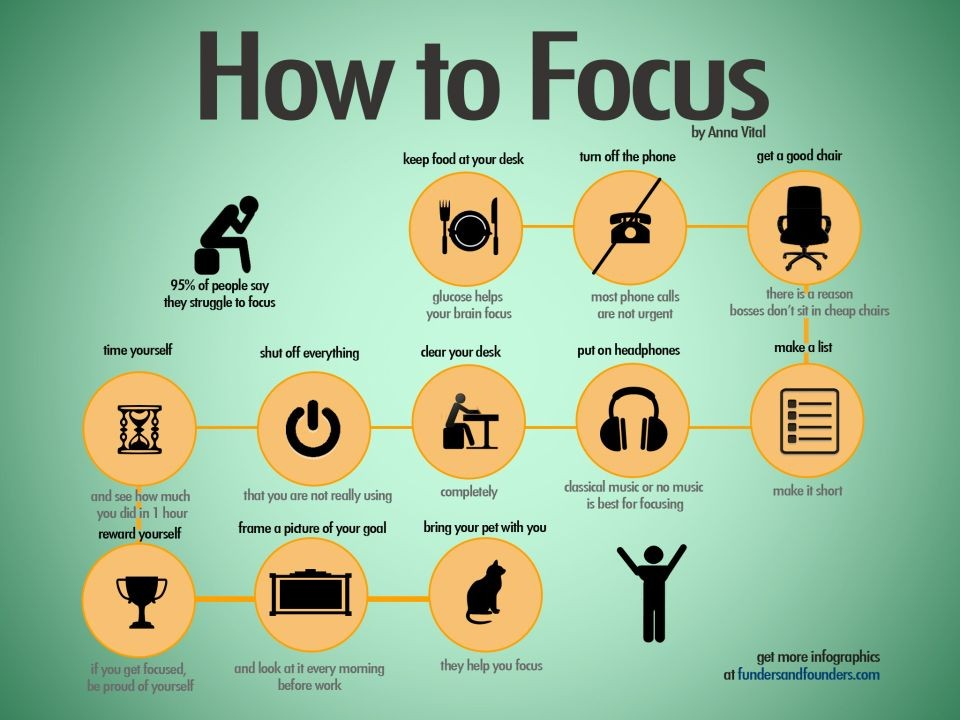
      Your surroundings matter. Clear your desk, silence notifications, and keep tempting distractions out of reach. Even small distractions—like a buzzing phone—can reduce efficiency by up to 40%.
    3. Mindfulness Meditation
      Sounds fancy, but it’s simple. Just 5–10 minutes of focused breathing or meditation before a study session can enhance attention span. Neuroscience research shows regular mindfulness practice increases gray matter in brain regions linked to focus.
    4. Physical Activity
      Exercise boosts blood flow to the brain and improves cognitive function. A 15-minute walk or short workout before studying can make you sharper.
    5. Diet and Hydration
      Your brain needs fuel. Skipping meals, consuming too much sugar, or being dehydrated reduces attention. Foods like nuts, fruits, and protein-rich snacks, along with plenty of water, can enhance focus.
    6. Background Noise
      Some people focus best with complete silence, others with low-level ambient noise. Classical music, lofi beats, or white noise can help maintain attention, but experiment to see what works for you.

    Daily Habits for Better Focus

    • Sleep – 7–9 hours nightly is ideal. No amount of caffeine can replace quality rest.
    • Routine – Try studying at your brain’s peak time. For some, mornings work best, others are night owls.
    • Break Tasks into Smaller Goals – Completing small chunks provides instant motivation and prevents procrastination.
    • Active Learning – Engage with material by summarizing, teaching, or self-quizzing. Passive reading rarely sticks.

    Tips to Overcome Common Pitfalls

    • Overworking – Don’t push past mental fatigue; breaks are essential.
    • Multitasking – Studies show switching tasks reduces productivity drastically. Focus on one thing at a time.
    • Procrastination – Use micro-goals. “Study one chapter” feels less intimidating than “finish all notes.”

    Final Thought

    Concentration is not about forcing your brain to work nonstop. It’s about understanding how it functions and creating the right environment and habits. Short, focused sessions, combined with mindfulness, sleep, and exercise, make studying less painful and more productive. Over time, focus improves naturally—and it feels way less stressful.

  • How to Overcome Procrastination Before Exams

    Procrastination is the enemy of good preparation. It’s easy to get distracted or convince yourself you’ll start tomorrow, only to face panic later.

    Understand Why You Procrastinate

    Fear of failure, feeling overwhelmed, or perfectionism often drive procrastination. Identifying the cause helps you address it directly.

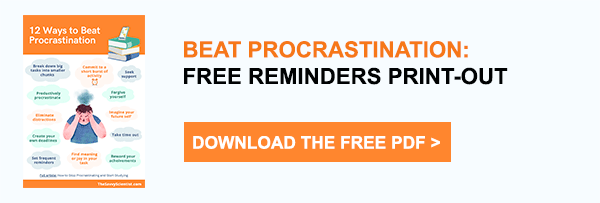
    Break Work into Small Steps

    Instead of “study the entire chapter,” start with one section or even one page. Small steps reduce overwhelm and build momentum.

    Use a Timer

    The Pomodoro technique works well here — 25 minutes of focused work, short break, repeat. It makes studying less intimidating and increases productivity.

    Eliminate Distractions

    Turn off notifications, close tabs unrelated to study, and create a quiet space. A controlled environment reduces excuses to procrastinate.

    Reward Yourself

    Even small rewards — a short walk, snack, or episode of a show — after completing a study session reinforce discipline.

    Visualize Success

    Picture yourself confidently taking the exam after preparation. Visualization reduces anxiety and motivates action.

    Final Thought

    Overcoming procrastination isn’t about willpower alone; it’s about strategy, mindset, and small consistent steps. Start today, even if it’s just 10 focused minutes — momentum builds from there.

  • Daily Routines That Improve Academic Performance

    Grades aren’t just about intelligence; they’re about habits and routines. Small, daily actions compound over time and create a foundation for success.

    Morning Routine

    Start the day with focus. Even 15 minutes of planning or review sets the tone. Eat, stretch, or meditate to wake your brain and reduce stress.

    Consistent Study Times

    Set aside consistent blocks for studying. Your brain adapts to routine, making focus easier over time.

    Breaks and Physical Activity

    Don’t study for hours without breaks. Short walks or stretches improve circulation, focus, and energy levels.

    Sleep Routine

    Lack of sleep sabotages memory and concentration. Aim for 7–9 hours consistently. Your brain consolidates learning during sleep.

    Evening Reflection

    Spend a few minutes reviewing what you learned, organizing notes, and planning tomorrow. Reflection reinforces retention and self-awareness.

    Healthy Nutrition and Hydration

    Brain function relies on proper fuel. Avoid excessive caffeine or sugar. Eat balanced meals and stay hydrated.

    Final Thought

    Academic performance isn’t about last-minute effort; it’s about the routines you build daily. Structure your day thoughtfully, and results follow naturally.

  • How to Take Effective Lecture Notes in Class

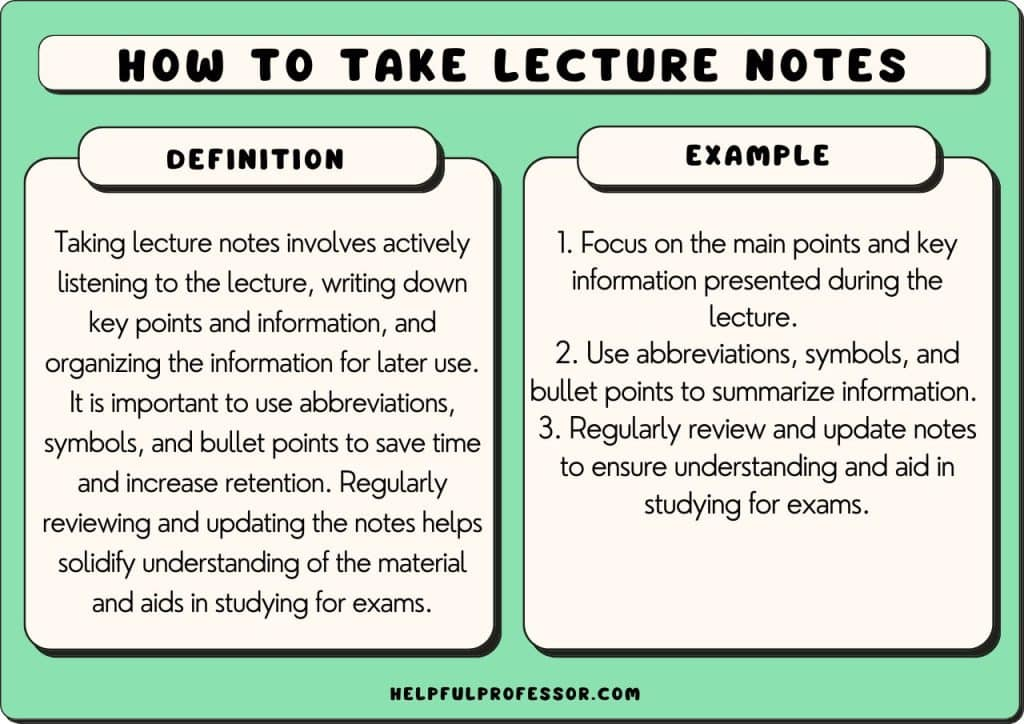
    Sitting through lectures can feel overwhelming, especially when professors talk fast. Notes aren’t just a record — they’re tools to help you understand and remember information.

    Prepare Before Class

    Skim the textbook or slides before class. Knowing the topic in advance helps you pick out key points and understand the lecture better.

    Use a Method That Works for You

    • Cornell Method: Divide the page into sections for notes, keywords, and summary.
    • Outline Method: Use bullet points to show hierarchy and relationships.
    • Mind Mapping: Visual learners can connect concepts through diagrams.

    Focus on Understanding, Not Writing Everything

    Don’t try to transcribe word-for-word. Listen actively, capture main ideas, examples, and definitions. Your brain remembers better when you process information, not just copy it.

    Highlight Key Points

    Use symbols like stars or underlines for important concepts. Later, these markings help you review quickly.

    Review and Revise Soon

    Within 24 hours, revisit your notes. Fill gaps, clarify confusing points, and summarize. This strengthens memory and prevents last-minute panic before exams.

    Final Thought

    Effective note-taking is a skill, not a natural talent. Experiment with methods, stay engaged, and treat your notes as a living study guide — something you actively use, not just store.

  • Best Time Management Techniques for University Students

    Time in college feels both infinite and never enough. Assignments, classes, part-time jobs, and social events constantly compete for attention. Effective time management can be the difference between feeling overwhelmed and feeling in control.

    Prioritize Tasks

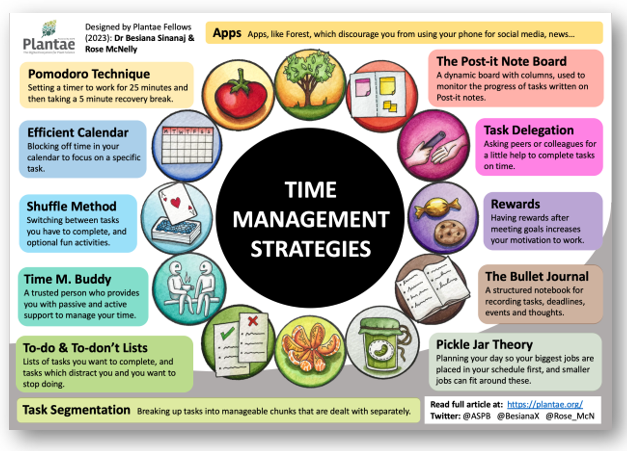
    Start by identifying what truly matters. Use the Eisenhower Matrix — categorize tasks as urgent, important, both, or neither. Focus on high-priority tasks first and don’t waste time on distractions.

    Plan Daily and Weekly

    Use a planner or digital calendar to schedule tasks. Break the day into study blocks, breaks, and personal time. Planning weekly helps anticipate heavy days and prevents last-minute cramming.

    Time Blocking

    Dedicate specific blocks of time for specific activities. For example, 9–11 am for lectures, 1–2 pm for review, 7–8 pm for assignments. Protect these blocks like appointments — no multitasking allowed.

    Avoid Multitasking

    Switching between tasks wastes focus and energy. Do one task fully before moving to the next. You’ll complete more in less time.

    Use the Pomodoro Technique

    Work for 25 minutes, take a 5-minute break, and repeat. After four cycles, take a longer break. This keeps your mind fresh and prevents burnout.

    Learn to Say No

    Not every invitation or opportunity deserves your time. Protect your priorities without guilt. Time is finite, and you control how to spend it.

    Final Thought

    Time management isn’t about packing every hour. It’s about prioritizing what matters, focusing on one thing at a time, and protecting your energy. With consistent practice, even busy students can get more done with less stress.

  • How to Build Consistent Study Habits in College

    College life is full of distractions — late-night parties, social media, group hangouts, and endless Netflix recommendations. It’s easy to plan a study session in your head and then… not follow through. The key to academic success isn’t cramming for hours occasionally; it’s building consistent study habits that stick over time.

    Start Small and Specific

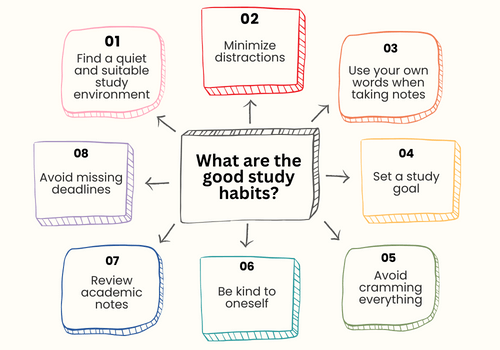
    Consistency starts with small, achievable goals. Instead of saying, “I’ll study 4 hours a day,” begin with 30–60 minutes focused study sessions. Set a specific time and place — your brain starts associating that spot with work.

    Make a Study Schedule

    Create a weekly plan, but keep it realistic. Allocate specific subjects or tasks to specific days. For example, Monday evenings for math, Wednesday mornings for reading. Over time, it becomes automatic, like brushing your teeth.

    Break Tasks Into Chunks

    Studying can feel overwhelming if you try to tackle everything at once. Break chapters or assignments into smaller sections and focus on one at a time. This makes progress visible and satisfying, which reinforces the habit.

    Use Active Learning Techniques

    Passive reading isn’t enough. Try summarizing material in your own words, teaching a friend, or using flashcards. Active engagement increases retention and makes study time more effective.

    Reward Yourself

    After finishing a session, reward yourself. It could be a snack, a walk, or five minutes on social media. Small rewards create positive associations with studying.

    Track Your Progress

    Keep a journal or planner to check off completed study sessions. Seeing a streak develop builds motivation and reinforces the habit.

    Final Thought

    Building consistent study habits isn’t about willpower alone; it’s about creating routines, breaking tasks into manageable chunks, and gradually reinforcing behavior. Start small, stay patient, and watch consistency become part of your college life.