Introduction
In 2026, digital ownership has become one of the most important discussions in technology. As people spend more time online, questions about who owns digital content, personal data, virtual assets, and online identities are becoming increasingly important.
The shift toward digital ownership is changing how individuals interact with the internet.
What is Digital Ownership
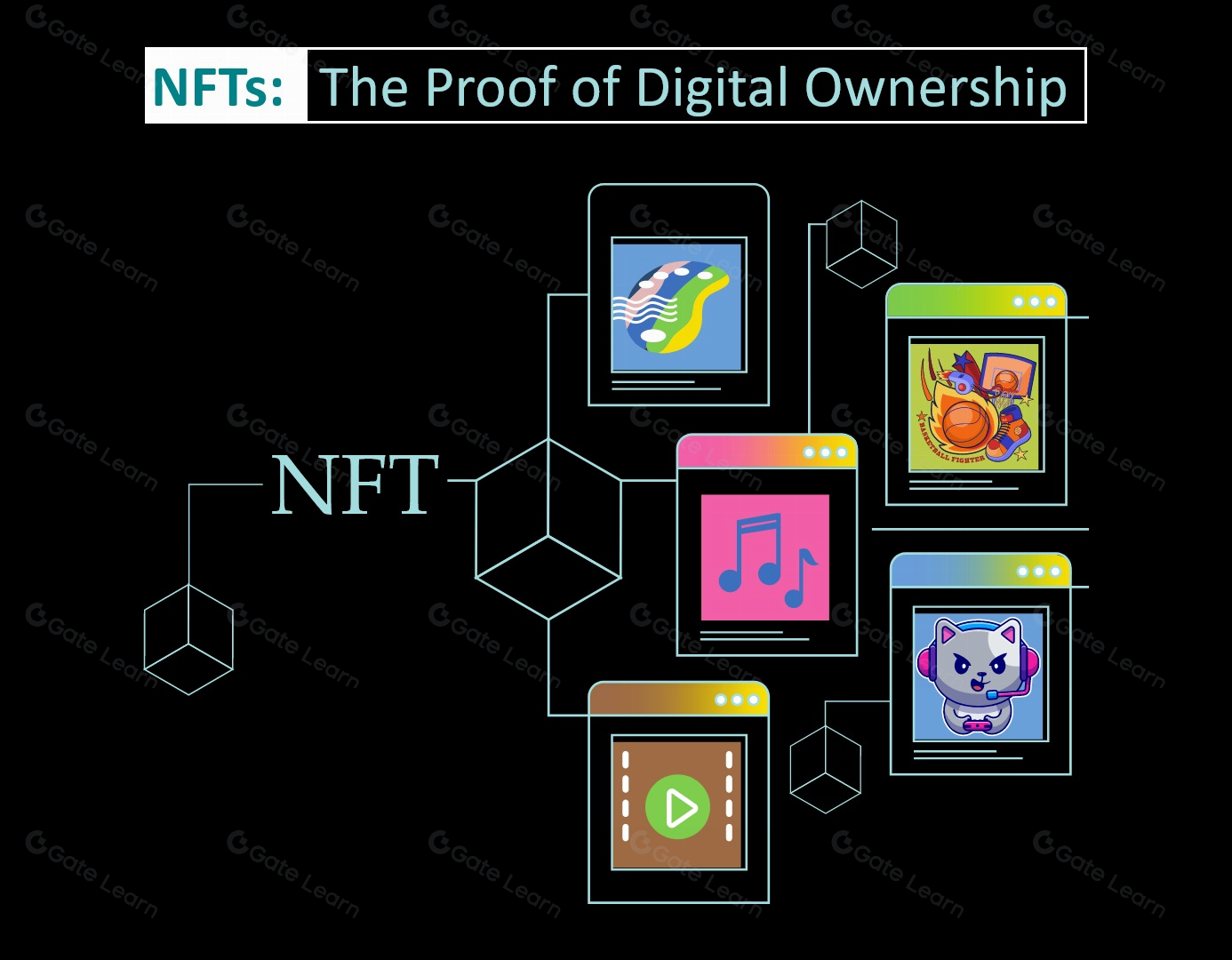
Digital ownership refers to having control and rights over digital assets.
These assets may include:
- Digital content
- Personal data
- Online accounts
- Virtual property
- Digital identities
- Creative works
Users are demanding greater control over what belongs to them online.
Why Digital Ownership is Trending
Several factors are driving interest:
- Growing privacy concerns
- Expansion of digital economies
- Rise of creator-focused platforms
- Increased awareness of data rights
People want more transparency regarding how their information is used.
The Data Ownership Debate
Many online platforms collect large amounts of user information.
Questions being asked include:
- Who owns personal data?
- Who profits from user information?
- How should data be protected?
- Can users control their digital footprint?
These debates are influencing technology policies worldwide.
Impact on Content Creators
Digital ownership is especially important for creators.
Benefits include:
Greater Control
Creators can manage how their content is distributed.
Better Revenue Opportunities
Ownership allows creators to monetize their work more effectively.
Brand Protection
Creators can maintain stronger control over intellectual property.
Benefits of Digital Ownership
- Increased privacy
- Better user control
- Improved transparency
- Stronger creator rights
- Enhanced digital security
Challenges and Concerns
- Complex legal regulations
- Platform restrictions
- Data portability issues
- Cybersecurity risks
Many technical and legal challenges remain unresolved.
Business Implications
Companies are adapting by:
- Improving transparency
- Offering user data controls
- Strengthening privacy features
- Building trust-focused platforms
User trust is becoming a competitive advantage.
Future of Digital Ownership
Experts believe future developments may include:
- Greater user control over personal data
- Portable digital identities
- Transparent data management systems
- Expanded creator ownership rights
Digital ownership could become a standard expectation across online platforms.
Conclusion
Digital ownership in 2026 is reshaping how people think about the internet. As digital assets become more valuable, users are increasingly demanding control, transparency, and ownership of their online lives.
Final Tip
The future internet may not be defined by who provides digital services, but by who gives users the most control over their digital assets and personal information.
Leave a Reply