Introduction
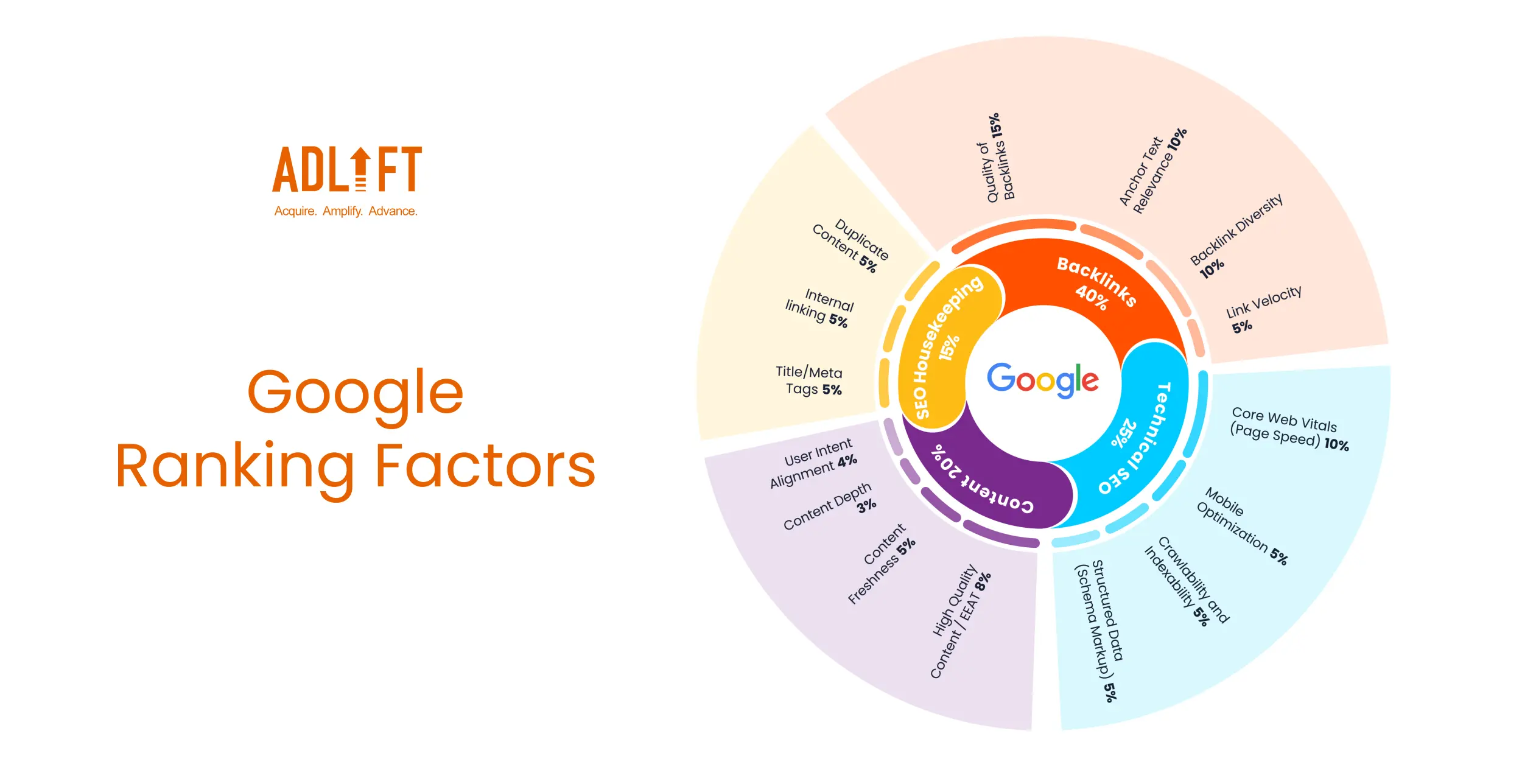
Google’s ranking system has become more advanced in 2026. It no longer depends on just keywords or backlinks. Instead, Google now focuses on content quality, user experience, and website authority.
In this article, we will explore the most important ranking factors that actually help websites rank higher in Google search results.
1. High-Quality Content
Content is still the most important ranking factor.
What Google looks for:
- Useful information
- Clear structure
- Easy readability
- Problem-solving content
Low-quality or copied content does not rank anymore.
2. Search Intent Matching
Google now focuses heavily on user intent.
Types of search intent:
- Informational (learning something)
- Navigational (finding a website)
- Transactional (buying something)
If your content does not match user intent, it will not rank well.
3. Website Authority
Authority shows how trustworthy your website is.
Factors that build authority:
- Consistent content publishing
- Internal linking structure
- Quality backlinks
- Topical consistency
4. Backlinks Quality
Backlinks are still important, but quality matters more than quantity.
Good backlinks come from:
- Relevant websites
- Trusted sources
- High-authority domains
Spam links can harm rankings instead of helping.
5. User Experience (UX)
Google tracks how users interact with your website.
Important UX factors:
- Fast loading speed
- Mobile-friendly design
- Easy navigation
- Low bounce rate
If users stay longer, ranking improves.
6. Mobile Optimization
Most users browse from mobile devices.
Google prioritizes:
- Responsive design
- Fast mobile speed
- Clean layout
A poor mobile experience reduces rankings.
7. Content Freshness
Updated content ranks better in competitive niches.
You should:
- Update old articles
- Add new information
- Fix outdated data
8. Internal Linking
Internal links help Google understand your website structure.
They also:
- Improve crawling
- Increase page authority
- Keep users engaged
9. E-E-A-T Signals
E-E-A-T stands for:
- Experience
- Expertise
- Authoritativeness
- Trustworthiness
Websites that show strong E-E-A-T signals rank higher in competitive searches.
Conclusion
Google ranking in 2026 depends on a combination of content quality, user experience, authority, and relevance. There is no single shortcut to ranking—success comes from consistent improvement.
Final Advice
Focus on building a strong content base, improve user experience, and publish regularly. Over time, your website authority will grow naturally.
Leave a Reply