Introduction
In 2026, SEO is not just about content. Small details like your URL structure also play an important role in ranking. Many beginners ignore URLs, but a well-optimized URL can improve both SEO and user experience.
What is an SEO-Friendly URL
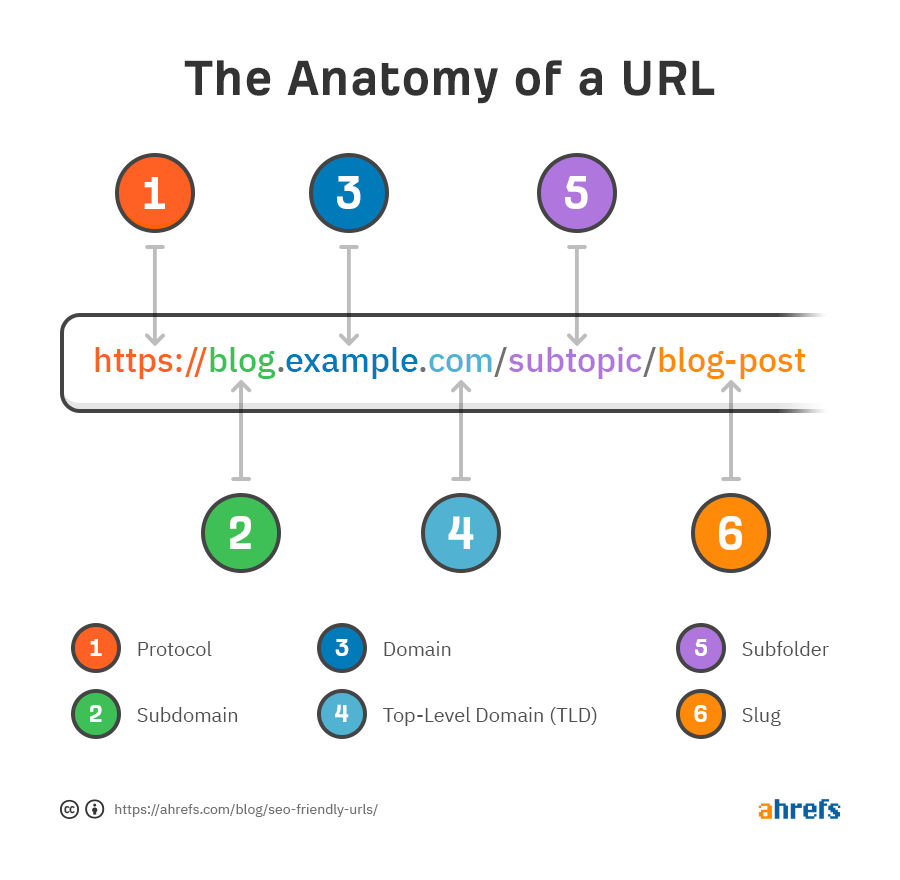
An SEO-friendly URL is a clean, simple, and readable link that clearly describes the page content.
Example of good URL:
yourwebsite.com/seo-friendly-urls-guide
Bad URL:
yourwebsite.com/page?id=12345
Clean URLs are easier for both users and search engines.
Why URLs Matter in SEO
URLs help search engines understand your content. They also improve click-through rate because users trust clear and simple links.
Keep URLs Short and Simple
Short URLs perform better. Avoid unnecessary words and keep them easy to read.
Example:
✔ /seo-guide-2026
❌ /complete-detailed-seo-guide-for-beginners-2026-step-by-step
Use Keywords in URL
Include your main keyword in the URL. This helps in ranking and makes your page more relevant.
Avoid Special Characters
Do not use symbols like:
- ?, =, &, %
Keep your URL clean and simple.
Use Hyphens Instead of Underscores
Google prefers hyphens.
✔ seo-guide
❌ seo_guide
Do Not Change URLs Frequently
Changing URLs can affect your rankings. Once you publish a page, try to keep the URL stable.
Match URL with Content
Your URL should clearly match the topic of your article. This improves user trust and SEO.
Avoid Stop Words
Words like “and”, “the”, “of” are not necessary in URLs. Removing them keeps URLs shorter.
Conclusion
SEO-friendly URLs are a small but powerful factor in website ranking. By keeping your URLs clean, short, and keyword-focused, you can improve your SEO performance.
Final Tip
Always plan your URL before publishing an article. A good URL structure helps your website grow faster.
Leave a Reply