Blog

  • How to Build Emotional Resilience Through Daily Practice

    Emotional resilience is the inner strength that helps people recover from life’s difficulties, adapt to change, and remain emotionally stable in challenging situations. It is not about avoiding problems or pretending that everything is fine; it is about developing the capacity to face adversity with balance, patience, and clarity. Emotional resilience allows a person to stay grounded and optimistic even when things do not go as planned. The good news is that it is not an inborn trait; it can be cultivated through daily practices that strengthen the mind and heart.

    The first step to building emotional resilience is self-awareness. When you understand your emotions, triggers, and reactions, you gain the power to respond thoughtfully instead of reacting impulsively. Taking a few minutes every day to reflect on how you feel can make a significant difference. For example, journaling helps you notice patterns in your emotions and behaviors. By writing about your day, you begin to see what situations stress you, what comforts you, and how you can handle similar experiences better in the future. Self-awareness helps you pause before reacting, which is a powerful skill during emotionally charged moments.

    Acceptance is another key element of resilience. Many people waste energy fighting reality or resisting uncomfortable emotions. However, the truth is that pain, loss, and disappointment are part of life. Accepting what cannot be changed frees up mental energy to focus on what can be improved. Acceptance does not mean giving up; it means facing the truth and moving forward from it. When you learn to accept things as they are, you reduce unnecessary suffering and open yourself to healing and growth.

    A daily gratitude habit can also build emotional strength. It trains your brain to focus on what is working instead of what is missing. Writing down three things you are grateful for each day can shift your mindset from scarcity to abundance. This simple act improves emotional well-being and helps balance negative thoughts with positive ones. Over time, gratitude creates a sense of calm and contentment that acts as a buffer against stress and anxiety.

    Mindfulness and meditation are powerful practices for emotional regulation. They help you stay present and reduce overthinking. When you meditate, even for a few minutes each day, you train your mind to observe thoughts without becoming attached to them. This practice teaches emotional detachment, meaning you can experience emotions without being overwhelmed by them. Mindfulness encourages you to live in the moment instead of worrying about the future or regretting the past. The more you practice, the more balanced and resilient your emotional responses become.

    Building a support network is another essential component of emotional resilience. Humans are social beings, and having people to talk to during hard times makes a big difference. Sharing your feelings with trusted friends or family can ease emotional tension. It is not about seeking advice every time but about knowing that you are not alone. Listening to others’ experiences can also provide perspective and remind you that struggles are part of the human experience. Having strong social connections helps you recover faster from emotional challenges.

    Taking care of your body directly affects your emotional resilience. Physical health and mental health are closely connected. Regular exercise, balanced nutrition, and sufficient sleep improve mood and cognitive function. Exercise releases endorphins, the body’s natural mood boosters, which reduce stress and anxiety. A healthy body supports a healthy mind, giving you more energy and emotional stability to deal with difficulties. Simple habits like stretching in the morning, drinking enough water, and spending time outdoors can significantly impact how you feel emotionally.

    Another powerful daily habit is setting small, achievable goals. Accomplishing even minor tasks gives a sense of control and progress. When you achieve a goal, your brain releases dopamine, a chemical that increases motivation and happiness. Over time, these small successes build confidence and reinforce the belief that you can handle bigger challenges. Resilient people focus on progress rather than perfection. They understand that consistency, not speed, creates long-term strength and success.

    Reframing negative thoughts is one of the most practical ways to stay emotionally balanced. When faced with a problem, instead of thinking, “This is impossible,” try asking, “What can I learn from this?” or “What small step can I take right now?” This shift in mindset turns obstacles into opportunities. Positive thinking does not mean ignoring reality; it means choosing to see solutions instead of only problems. The ability to reframe experiences helps you maintain emotional stability under pressure.

    Learning to let go is another sign of resilience. Holding on to anger, resentment, or regret only drains emotional energy. Forgiving yourself and others does not excuse what happened but releases the weight of the past. Letting go creates space for peace, clarity, and emotional freedom. Practicing forgiveness every day—no matter how small—makes your heart lighter and your mind calmer.

    Emotional resilience also grows when you stay connected to your purpose. When you know what truly matters to you, challenges feel less threatening. Having a clear sense of purpose provides motivation during hard times and reminds you that every experience, good or bad, contributes to your growth. Whether it is family, personal goals, or a dream you are working toward, a strong purpose acts as an anchor in emotional storms.

    Finally, remember that resilience is not about being strong all the time. It is about allowing yourself to feel, fall, and rise again. Every setback teaches endurance, patience, and courage. The more you practice emotional awareness, acceptance, mindfulness, gratitude, and self-care, the stronger your emotional foundation becomes. Over time, resilience transforms how you experience life. You start to respond calmly, recover faster, and trust yourself to overcome any challenge. Daily practice may seem small, but its effect is powerful—it builds an unshakable inner strength that supports you through every season of life.

    .

  •  Importance of Self-Reflection in Continuous Learning

    In today’s fast-moving world, where information changes daily and new skills emerge constantly, continuous learning has become essential. But there’s one skill that determines whether you actually grow from your learning — and that’s self-reflection.

    Self-reflection is the ability to pause, think deeply about your experiences, and understand what they teach you. It’s the process of turning knowledge into wisdom. Without reflection, learning becomes mechanical; with reflection, it becomes meaningful and lasting.

    Let’s explore why self-reflection is so powerful in continuous learning — and how to make it part of your daily life.

     1. What Is Self-Reflection?

    Self-reflection means looking inward to examine your thoughts, actions, and emotions. It’s asking yourself:

    • What did I learn today?
    • What worked well?
    • What could I do better next time?

    It’s not about judging yourself — it’s about understanding yourself. Reflection allows you to connect the dots between what you did, what happened, and what you learned.

    In continuous learning, reflection acts like a mirror — it helps you see your growth, correct mistakes, and guide your next steps.

     2. Why Self-Reflection Matters in Learning

    We often think learning is about doing more — reading books, taking courses, or practicing new skills. But real growth doesn’t come from activity alone; it comes from awareness.

    Here’s why self-reflection is vital:

     a. It Deepens Understanding

    Reflection turns surface-level information into personal insight. When you pause to think about what you’ve learned, you process it more deeply and remember it longer.

    For example, if you learn a new leadership technique, reflecting on how it applies to your team helps you internalize it better than just reading about it.

     b. It Builds Self-Awareness

    Reflection helps you recognize your strengths, weaknesses, and learning patterns. You start noticing what motivates you, what distracts you, and what environment helps you learn best.

    This awareness allows you to tailor your learning process to your unique style.

     c. It Encourages Growth Mindset

    When you reflect, you view mistakes as lessons, not failures. You start asking, “What can I learn from this?” instead of “Why did I mess up?”

    This mindset fuels resilience and makes lifelong learning sustainable.

    🪞 3. The Connection Between Reflection and Improvement

    Learning without reflection is like walking in circles — you’re moving, but not necessarily forward.

    Self-reflection gives direction to your learning. It helps you identify what’s effective and what isn’t, so you can adjust your strategy.

    For example:

    • A student who reviews their test results learns where to focus next time.
    • A professional who evaluates a project outcome discovers how to improve future work.

    Each reflection becomes a feedback loop — action, reflection, adjustment, and growth.

    4. How to Practice Self-Reflection Effectively

    Reflection doesn’t require hours of meditation. Even 10 minutes a day can make a big difference if done with intention. Here’s how to do it:

     a. Keep a Reflection Journal

    At the end of the day, ask yourself:

    1. What did I learn today?
    2. What went well?
    3. What didn’t go as planned?
    4. What will I do differently tomorrow?

    Writing these thoughts daily builds clarity and tracks your progress over time.

     b. Schedule Weekly or Monthly Reviews

    Once a week, look back at your week’s progress:

    • Did you achieve your learning goals?
    • What habits helped or hindered you?
    • Are you still moving in the right direction?

    This higher-level reflection helps you see patterns and refine your long-term strategy.

     c. Discuss Reflections with Others

    Talking about your insights with a mentor, friend, or team member can deepen understanding. Others can offer perspectives you might miss.

    d. Reflect After Every Major Experience

    After completing a project, course, or event, take time to analyze it:

    • What did I enjoy most?
    • What challenges did I face?
    • How can I apply this learning in the future?

    Reflection transforms every experience into a learning opportunity.

     5. Tools That Support Reflection

    Technology can make self-reflection easier and more consistent. Here are some useful tools:

    • Notion / Evernote / OneNote: Great for maintaining digital reflection journals.
    • Google Calendar: Set reminders for weekly reflection sessions.
    • AI Journaling Apps (like Journey or Stoic): Offer prompts for emotional and performance reflection.
    • Mind Mapping Tools (like Miro or XMind): Help visualize insights and connections.

    The key is to choose tools that make reflection enjoyable, not overwhelming.

     6. Self-Reflection in Professional Growth

    In professional environments, reflection turns experience into expertise.

    Many successful leaders and innovators use reflection as a core strategy. After meetings, they ask:

    • What decisions went well?
    • What did I miss?
    • How did I handle pressure?

    This continuous improvement loop helps professionals evolve faster, adapt to change, and lead more effectively.

    Organizations that encourage reflective practices — like feedback sessions or learning reviews — often see higher innovation and employee engagement.

     7. Overcoming Barriers to Reflection

    While reflection sounds simple, it’s easy to neglect. Here are common barriers and how to overcome them:

    BarrierSolution
    “I don’t have time.”Start with 5 minutes. Reflection saves time later by preventing repeated mistakes.
    “I don’t know what to write.”Use prompts — “What did I learn?” “What challenged me?”
    “It feels uncomfortable.”Remember, reflection isn’t self-criticism. It’s self-awareness.
    “I forget to do it.”Pair it with a daily habit — reflect after dinner or before bed.

    Consistency is more important than duration. Reflect regularly, even briefly.

    8. The Long-Term Benefits of Reflection

    The more you reflect, the more confident and adaptable you become. Over time, reflection leads to:

    • Better decision-making: You understand what works for you.
    • Faster learning: You identify effective methods and skip what wastes time.
    • Stronger emotional intelligence: You respond to challenges thoughtfully, not impulsively.
    • Deeper fulfillment: You recognize your growth and feel more purpose in your journey.

    Reflection turns every success and failure into a teacher — making life itself your classroom.

     Final Thoughts

    Continuous learning isn’t about racing through new information — it’s about absorbing, understanding, and applying it. And the bridge between learning and wisdom is self-reflection.

    When you reflect, you don’t just gain knowledge — you gain insight. You start living with awareness, learning from your actions, and consciously shaping who you become.

    As philosopher John Dewey said:

    “We do not learn from experience… we learn from reflecting on experience.”

    So pause, think, and grow. Your future self will thank you for every moment you take to reflect today.

  •  How to Stay Consistent with Self-Improvement Goals

    Everyone starts their self-improvement journey with motivation and excitement. But after a few days or weeks, that initial energy fades — life gets busy, distractions appear, and progress slows down. The truth is: success in personal growth isn’t about intensity — it’s about consistency.

    Whether you want to read more, exercise daily, learn a new skill, or build better habits, consistency is the key that turns effort into lasting transformation. Let’s explore how you can stay consistent with your self-improvement goals — even when motivation fades.

     1. Start Small to Build Momentum

    One of the biggest reasons people fail to stay consistent is that they set goals that are too big, too soon. They plan to meditate for 1 hour, run 10 miles, or read 50 pages a day — and when they can’t keep up, they quit.

    The secret? Start small.
    Small actions are easier to repeat daily and build momentum over time.

     Example:

    • Instead of “I’ll meditate 30 minutes every day,” start with 3 minutes.
    • Instead of “I’ll read one book a week,” read 5 pages a day.
    • Instead of “I’ll work out an hour daily,” start with 10 minutes.

    When your goals are small and achievable, your brain experiences success early, releasing dopamine and building motivation naturally.

     2. Define Clear, Specific Goals

    Vague goals create vague results. If your goal is “I want to be better” or “I’ll improve my health,” your brain doesn’t know what action to take.

    Be specific and measurable. Instead of saying, “I’ll get fit,” say, “I’ll do 20 push-ups every morning.” Instead of “I’ll improve my mindset,” say, “I’ll write 3 positive affirmations daily.”

    Write your goals down and place them where you’ll see them every day — on your mirror, desk, or phone wallpaper. This keeps your focus sharp and your intentions clear.

     Pro Tip: Use the SMART method — Specific, Measurable, Achievable, Relevant, and Time-bound.

     3. Build a Routine, Not Just Habits

    Consistency is easier when your goals fit naturally into your daily routine. The goal isn’t to add 10 new habits overnight, but to integrate self-improvement into your existing lifestyle.

    For example:

    • Listen to an audiobook while commuting.
    • Stretch for 5 minutes before bedtime.
    • Practice gratitude while drinking your morning coffee.

    By connecting new habits with things you already do, you reduce mental resistance — making consistency almost automatic.

     Example:
    “If I brush my teeth → I’ll write 2 lines in my gratitude journal.”

    This technique, known as habit stacking, helps new habits stick faster.

     4. Focus on Systems, Not Motivation

    Motivation is unreliable — some days you’ll have it, some days you won’t. What keeps you going on tough days are systems — structured processes that make progress inevitable.

    A system is a routine or structure that supports your goal. For example:

    • If your goal is to write a book, your system might be: “Write 300 words every morning at 8 AM.”
    • If your goal is fitness, your system might be: “Gym Monday, Wednesday, and Friday at 6 PM.”

    When you focus on systems, you don’t need to rely on willpower. You just follow the plan.

     Remember: Motivation starts the journey. Systems keep it going.

     5. Track Your Progress Visibly

    Seeing your progress is powerful. It reminds you that your efforts matter and gives you a sense of accomplishment.

    Use a habit tracker (digital app or paper calendar). Every day you complete a habit, mark it with an “X.” Over time, you’ll create a visual chain of success — and you won’t want to break it.

    Tip: Don’t aim for perfection — aim for persistence. Missing a day doesn’t erase your progress; just get back on track the next day.

    💬 6. Hold Yourself Accountable

    Accountability keeps you honest. When someone else knows your goals, you’re more likely to stick to them.

    You can:

    • Share your goals with a friend or family member.
    • Join an online group or community related to your goal.
    • Find an accountability partner who checks in weekly.

    When you make your commitment public, it transforms from a wish into a promise.

     Bonus Idea: Post your progress online or keep a personal blog to document your journey — it motivates both you and others.

     7. Manage Setbacks Without Guilt

    Consistency doesn’t mean perfection. There will be days when you miss a workout, skip journaling, or break your streak. That’s okay.

    What matters is how quickly you recover. Instead of guilt-tripping yourself, ask:

    • Why did I skip it?
    • What can I change to make it easier tomorrow?

    Learn from the setback and move forward. Progress isn’t linear — but as long as you keep returning to your habits, you’re winning.

     Rule: Never miss twice.

     8. Connect Goals to Your “Why”

    When your goals are deeply connected to your purpose, consistency becomes natural.

    If you’re learning a new language just for fun, you may lose interest. But if you’re learning it to build your dream career or connect with someone you love, you’ll stay consistent because the “why” behind it is powerful.

    Write down your reason for self-improvement — why it matters to you personally. Read it whenever motivation fades.

     Example:
    “I’m exercising daily because I want to stay healthy for my kids.”
    “I’m learning new skills because I want to grow my income and freedom.”

     9. Reward Yourself Regularly

    Rewarding yourself for progress makes self-improvement enjoyable. Each time you achieve a milestone, give yourself a small treat — something that reinforces your positive behavior.

    • Finished 30 days of journaling? Take a relaxing day off.
    • Completed your course? Buy yourself something small.

    Rewards make progress feel meaningful and keep your brain eager to continue.

     10. Embrace Long-Term Thinking

    True transformation takes time. There’s no “quick fix” for self-growth. The people who achieve the most aren’t the fastest — they’re the most consistent.

    Think in years, not weeks. If you grow just 1% every day, you’ll become 37 times better in a year.

    So don’t chase perfection — chase persistence. The goal isn’t to do everything perfectly today, but to show up every day, no matter what.

     Final Thoughts

    Consistency is the bridge between your goals and your success. When you commit to small, daily actions — even when you don’t feel like it — you train your mind to follow through.

    Remember:

    “It’s not what we do once in a while that shapes our lives, but what we do consistently.” — Tony Robbins

    Start small, stay steady, and keep moving. Because every consistent action you take today becomes the foundation for your future success.

  •  Techniques to Build Confidence Through Learning

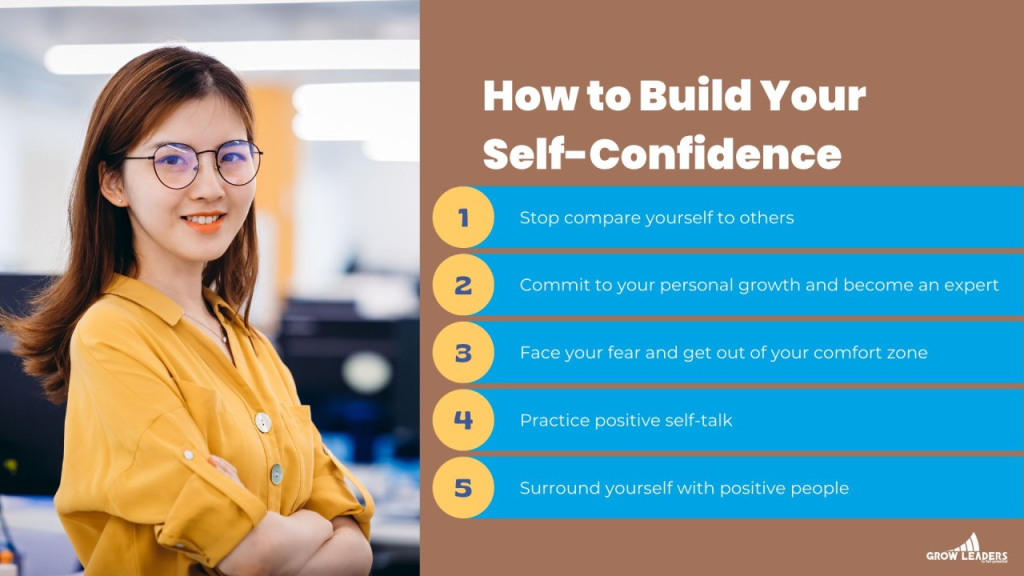
    Confidence isn’t something you’re born with — it’s something you build. Every new skill you master, every challenge you overcome, and every piece of knowledge you gain adds another layer to your confidence. Learning, therefore, isn’t just about gaining information — it’s one of the most powerful tools for developing self-belief.

    In this article, we’ll explore proven techniques that help you strengthen your confidence through the process of learning.

     1. Understand That Confidence Comes from Competence

    Confidence grows naturally from competence — the better you become at something, the more confident you feel doing it.

    Think about it: the first time you tried driving, you were probably nervous. But after practice, it became second nature. The same applies to public speaking, writing, coding, or any skill.

    So, instead of waiting to “feel confident” before trying something, start learning and practicing — confidence will follow. Tip: Break big skills into smaller parts. Master each one step by step. Small wins build massive self-belief.

     2. Set Learning Goals You Can Measure

    One major reason people lose motivation or confidence is that they don’t see progress. The key is to set clear, trackable goals.

    For example:

    • Instead of saying “I’ll learn digital marketing,” say “I’ll complete one Google Ads module per day.”
    • Instead of “I’ll improve my English,” say “I’ll learn 10 new words every morning.”

    When you measure your progress, your brain releases dopamine — the “reward” chemical — which strengthens your confidence to keep going.

     Pro Tip: Keep a “Learning Progress Journal.” Note what you studied, what you understood better, and what you still need to improve. Seeing your growth written down motivates you to continue.

     3. Embrace the Beginner’s Mindset

    Many people feel embarrassed or insecure when they’re not good at something immediately. But the truth is, every expert was once a beginner.

    Adopting a beginner’s mindset means accepting that you don’t know everything — yet — and being excited to learn. This attitude removes pressure and keeps you open to growth.

    Instead of thinking, “I’m terrible at this,” try saying, “I’m learning how to get better.”
    This small mental shift transforms fear into curiosity.

     4. Practice Consistently, Not Perfectly

    Perfectionism kills confidence. Many people quit learning new things because they expect to be perfect right away.

    Real growth comes from consistent effort, not flawless execution. Learning 20 minutes every day beats studying for 3 hours once a week.

    Each day you show up, you’re proving to yourself that you’re committed — and that commitment becomes confidence.

     Rule: Focus on progress, not perfection.

    🔄 5. Reflect on What You’ve Learned

    One of the most underrated techniques for building confidence is reflection. When you stop and think about how far you’ve come, you realize that you’ve achieved more than you give yourself credit for.

    Every month, look back on what you’ve learned — whether it’s a skill, concept, or life lesson. Ask yourself:

    • What new knowledge do I have now?
    • How am I applying it?
    • What challenges did I overcome?

    Reflection strengthens self-awareness and helps you internalize success, boosting confidence naturally.

     6. Learn Publicly — Share What You Know

    One powerful way to build confidence is to teach others what you’ve learned. When you explain a concept to someone else, you reinforce your own understanding and prove to yourself that you’ve mastered it.

    You don’t have to be an expert to share knowledge — start small:

    • Write short posts on LinkedIn or Twitter.
    • Create a video explaining a simple concept.
    • Help a friend who’s learning the same topic.

    Teaching makes learning social, builds credibility, and dramatically boosts confidence.

     7. Reframe Mistakes as Learning Tools

    If you fear making mistakes, you’ll stop taking risks — and without risk, there’s no growth.

    The best learners don’t avoid mistakes — they study them. When you fail a test or get feedback that hurts, pause and ask:

    • What did this experience teach me?
    • What can I improve next time?

    Remember, confidence doesn’t mean never failing. It means believing that no matter what happens, you can learn, adapt, and improve.

    8. Surround Yourself with Growth-Oriented People

    Your environment has a direct impact on your mindset. If you’re around negative or judgmental people, you’ll fear failure. But if you surround yourself with learners, dreamers, and doers, their energy will lift you up.

    Join online learning communities, accountability groups, or mastermind sessions where people celebrate effort, not just success.

    Positive feedback from others can accelerate your confidence-building journey and inspire you to push harder.

     9. Celebrate Small Wins

    Confidence is built through repetition and recognition. Every small milestone — finishing a chapter, completing a project, improving your time on a task — deserves celebration.

    Don’t wait for big achievements. Reward yourself along the way. This strengthens motivation and reinforces your identity as a capable, growing person.

     Example:
    After completing a course module, treat yourself to something you enjoy — a good coffee, a walk, or a movie.

    It’s not about the reward itself, but about teaching your brain to associate learning with positive emotions.

     10. Keep Learning Beyond Your Comfort Zone

    True confidence doesn’t come from staying where you’re comfortable — it comes from expanding your boundaries.

    Each time you tackle something slightly outside your skill set, you prove to yourself that you can adapt. Over time, this builds resilient confidence — a deep belief that you can handle whatever comes next.

    So, challenge yourself regularly. Take on a harder project. Learn something unrelated to your job. The more diverse your skills, the stronger your self-belief becomes.

     Final Thoughts

    Confidence isn’t a personality trait — it’s a skill that grows with learning. The more you expose yourself to new challenges, reflect on your progress, and celebrate growth, the more unstoppable you become.

    Remember: learning is a lifelong journey, and every lesson — whether from success or failure — adds to your inner strength.

    So, pick a skill, stay consistent, and keep learning. Because every bit of knowledge you gain is another brick in the foundation of your confidence.

  •  How to Overcome Fear of Failure in Personal Growth

    Fear of failure is one of the biggest barriers that prevent people from reaching their true potential. Whether it’s starting a new business, pursuing a passion, or learning a new skill — the thought of failing can feel paralyzing. But here’s the truth: failure isn’t the opposite of success — it’s part of it.

    If you want to grow personally and professionally, you must learn to manage your fear of failure and transform it into motivation. Let’s explore how.


     1. Understand the Root of Fear

    Fear of failure doesn’t come from the failure itself — it comes from how we perceive failure. Many people grow up in environments where mistakes are punished or seen as weaknesses. Over time, this creates a mindset that equates “failing” with “not being good enough.”

    To overcome this fear, you must change your definition of failure. Instead of viewing it as a personal flaw, see it as feedback — a necessary step toward improvement.

     Mindset shift: Failure doesn’t define you; it refines you.


     2. Reframe Failure as a Learning Opportunity

    Every successful person — from inventors to entrepreneurs — has failed countless times. What sets them apart is that they view failure as data, not defeat.

    When you fail, ask yourself:

    • What did I learn?
    • What can I do differently next time?
    • How can this experience make me stronger?

    This simple reframe turns fear into curiosity. Instead of dreading mistakes, you start to seek growth through them.

    Example:
    Thomas Edison famously said, “I have not failed. I’ve just found 10,000 ways that won’t work.” That mindset is what leads to innovation and mastery.

     3. Adopt a Growth Mindset

    Psychologist Carol Dweck introduced the concept of a growth mindset — the belief that abilities and intelligence can be developed through effort and learning.

    When you have a growth mindset, failure becomes less threatening because you understand that your current performance doesn’t define your future ability.

     Fixed Mindset: “I failed because I’m not good at this.”
      Growth Mindset: “I failed because I need more practice — I’ll get better.”

    To overcome fear, constantly remind yourself that growth takes time and mistakes are part of mastery.

     4. Take Small, Consistent Steps

    Fear grows in uncertainty. When goals feel too big, your brain interprets them as threats. That’s why breaking your goals into smaller, manageable steps reduces fear and builds momentum.

    Start small. Instead of trying to “change everything,” focus on one action per day. Each small win builds confidence and weakens the fear response.

     Example: If you’re afraid of public speaking, start by practicing in front of a mirror, then with a small group, and gradually work your way up.

     5. Practice Self-Compassion

    People who fear failure often hold themselves to impossible standards. They’re harsh self-critics who expect perfection every time. This mindset doesn’t build success — it breeds anxiety.

    Self-compassion means treating yourself with the same kindness you’d offer a friend who’s struggling. Instead of saying, “I messed up, I’m terrible,” say, “I made a mistake, and that’s okay — I’ll learn from it.”

    Research by Dr. Kristin Neff shows that self-compassionate people are more resilient, less afraid to take risks, and recover from setbacks faster.

     6. Visualize Success, Not Failure

    Your mind doesn’t always distinguish between imagination and reality. If you constantly imagine failure, your brain reacts with stress and avoidance. Instead, train your brain to visualize success.

    Before starting something new, close your eyes and imagine yourself succeeding — giving a confident presentation, completing a project, or achieving your goal. Feel the emotions of accomplishment.

    This kind of mental rehearsal builds confidence and reduces fear.

     7. Redefine What “Success” Means

    Sometimes fear of failure comes from chasing someone else’s version of success — money, fame, or status. But real success is personal. It’s about progress, growth, and inner satisfaction.

    Redefine success in terms of effort, not outcome. Ask yourself:

    • Did I give my best today?
    • Did I learn something new?
    • Did I take a step forward, no matter how small?

    When success is based on growth, failure loses its power.

     8. Surround Yourself with Growth-Oriented People

    The people around you influence your mindset more than you realize. If you’re surrounded by judgmental or negative individuals, you’ll fear making mistakes. But if you connect with supportive, growth-minded people, you’ll gain confidence to take risks.

    Join communities, forums, or groups where failure is viewed as part of progress — not shame. Their encouragement will remind you that you’re not alone in your journey.

     9. Keep a “Failure Journal”

    This might sound strange, but recording your failures helps neutralize the emotional sting. Write down what happened, how you felt, what you learned, and what you’ll do differently next time.

    Over time, you’ll see patterns of improvement and realize that failure didn’t stop you — it shaped you.

    This simple exercise trains your brain to associate failure with reflection and growth rather than regret.

     10. Take Action — Even When You’re Afraid

    Fear of failure fades only through action. The more you face it, the weaker it becomes.

    Instead of waiting for confidence to appear before acting, act first. Confidence follows courage, not the other way around.

    Start small, but start today. Each action is a vote for the person you want to become — bold, resilient, and growth-focused.

     Final Thoughts

    Overcoming fear of failure isn’t about eliminating fear — it’s about learning to move forward despite it. Every failure holds a lesson, and every setback builds strength.

    The truth is, people who succeed aren’t fearless — they just fail faster, learn quicker, and keep going longer.

    So, the next time you hesitate, remember: Failure isn’t the end of your story — it’s the chapter that makes your success meaningful.

  •  Daily Habits That Improve Self-Discipline and Focus

    Self-discipline and focus are the foundations of success in every aspect of life — whether it’s achieving career goals, maintaining fitness, or managing your time effectively. Yet, in a world full of distractions, staying disciplined and focused can feel like an uphill battle. The good news? These traits aren’t fixed personality traits — they’re skills that can be developed through consistent daily habits.

    Let’s explore the most effective habits that can strengthen your self-discipline and sharpen your focus day by day.

    1. Start Your Day With Intention

    Your morning sets the tone for the entire day. Instead of rushing through it, spend the first few minutes after waking up establishing a clear purpose.

    Try this:

    • Avoid checking your phone immediately.
    • Take five deep breaths to center your mind.
    • Write down your top three priorities for the day.

    When you start with a clear sense of direction, you train your brain to act with purpose rather than impulse — a key part of self-discipline.

    2. Build a Consistent Routine

    Discipline thrives in structure. When your daily schedule is predictable, your mind doesn’t have to waste energy deciding what to do next — it simply follows the plan.

    Create a simple routine that includes time for work, rest, meals, and exercise. Stick to consistent sleep and wake times as well. The more automatic your habits become, the less willpower you need to stay on track.

    Pro Tip: Plan your day the night before. When tomorrow’s tasks are already mapped out, you start your morning with confidence instead of confusion.

    3. Practice the “Two-Minute Rule”

    Sometimes, the hardest part of being disciplined is just starting. The “two-minute rule,” popularized by productivity expert James Clear, helps overcome procrastination.

    Here’s how it works:
    If a task takes less than two minutes, do it immediately. And if a task seems overwhelming, commit to working on it for just two minutes.

    Once you start, momentum often carries you forward — and before you know it, you’re deep into focused work.

    4. Limit Digital Distractions

    Phones, social media, and constant notifications are the biggest enemies of focus. One message can derail your attention for up to 20 minutes.

    To stay disciplined:

    • Turn off non-essential notifications.
    • Use apps like Focus Mode, Forest, or Freedom to block distractions.
    • Keep your phone out of sight during deep work sessions.

    Discipline isn’t just about doing more — it’s about protecting your attention from what doesn’t matter.

    5. Exercise Regularly

    Physical discipline fuels mental discipline. Exercise not only strengthens your body but also boosts your concentration and willpower. Studies show that consistent physical activity improves mood, reduces stress, and enhances cognitive performance.

    You don’t need to spend hours at the gym. A 20–30 minute daily walk, yoga, or light workout can have a major impact on your energy levels and mental focus.

    Remember: When you train your body, you train your mind too.

    6. Practice Mindfulness and Meditation

    A wandering mind struggles to stay focused. Mindfulness — the practice of being fully present — helps you control your thoughts and attention.

    Try meditating for 10 minutes each morning or during breaks. Apps like Headspace and Calm can guide you. Focus on your breathing, and when your mind drifts, gently bring it back.

    Over time, mindfulness strengthens your ability to notice distractions before they take control — improving both focus and emotional self-discipline.

    7. Eat for Focus

    Your brain needs the right fuel to stay alert. Avoid heavy, sugary meals that cause energy crashes. Instead, eat foods that boost cognitive performance:

    • Breakfast: Oatmeal, eggs, or yogurt with fruits.
    • Snacks: Nuts, dark chocolate, or berries.
    • Drinks: Water and green tea (avoid too much caffeine).

    When your energy is stable, it’s easier to maintain focus and resist temptation.

    8. Use Time Blocks for Deep Work

    Multitasking divides attention and reduces productivity. Instead, use time blocking — dedicating specific chunks of time to one task only.

    For example, set 90-minute sessions for focused work, then take a 10–15 minute break. During that time, no phone, no emails — just pure focus.

    You’ll be amazed how much more you can achieve in less time when you train your brain to focus deeply on one thing at a time.

    9. Reward Yourself for Consistency

    Discipline doesn’t mean deprivation — it means controlled reward. When you achieve small goals, reward yourself with something positive: a short walk, a snack, or a quick break.

    This creates a positive feedback loop where your brain starts associating effort with satisfaction instead of struggle

  •  How to Develop a Growth Mindset for Lifelong Learning

    In an ever-changing world, the ability to learn continuously is one of the most valuable skills anyone can have. Whether you’re trying to grow in your career, improve personally, or simply stay adaptable, developing a growth mindset is essential. This mindset — a term popularized by psychologist Dr. Carol Dweck — is the belief that intelligence, skills, and abilities can be developed through effort, perseverance, and learning.

    Here’s how you can cultivate a growth mindset that keeps you learning and evolving throughout your life.

    1. Understand the Difference Between Fixed and Growth Mindsets

    A fixed mindset assumes that intelligence and talent are static — you’re either good at something or you’re not. People with this mindset tend to avoid challenges, fear failure, and see effort as pointless.

    In contrast, a growth mindset embraces challenges, learns from criticism, and believes that effort leads to mastery. When you see setbacks as opportunities to improve rather than signs of inadequacy, you open yourself up to limitless growth.

    Start by recognizing when your inner voice says things like “I can’t do this” or “I’m not smart enough.” Then, reframe those thoughts to “I can’t do this yet” or “I’ll learn how to improve.” That small shift in language builds resilience and motivation.

    2. Embrace Challenges and Step Outside Your Comfort Zone

    Growth doesn’t happen where you’re comfortable. Every time you push beyond what feels easy or familiar, you train your brain to handle uncertainty and adapt.

    Seek out challenges intentionally — take on new projects, learn a new language, or experiment with a skill that intimidates you. Even if you fail, you gain valuable lessons. Remember, every expert once started as a beginner.

    When things get hard, remind yourself: This discomfort means I’m growing.

    3. Value Effort Over Talent

    One of the biggest barriers to lifelong learning is the belief that success comes only from talent. But the truth is, even the most gifted individuals achieve mastery through consistent effort.

    Focus on the process, not just the outcome. Celebrate the effort you put in — the hours of study, the practice, the small progress made every day.

    By rewarding effort, your brain begins to associate persistence with progress, making it easier to stay motivated even when results take time.

    4. Learn from Criticism and Feedback

    Feedback, especially constructive criticism, can feel uncomfortable — but it’s one of the most powerful tools for growth. Instead of taking criticism personally, see it as information that helps you improve.

    Ask yourself: What can I learn from this feedback? Even when the message is delivered harshly, separate the emotion from the insight. Great learners don’t seek praise; they seek progress.

    5. Replace the Fear of Failure with the Desire to Learn

    Fear of failure often stops people from trying new things. However, failure isn’t the opposite of success — it’s a crucial part of it. Every time you fail, you learn what doesn’t work and move closer to what does.

    Reframe failure as feedback. Ask, What did this experience teach me? What can I do differently next time? The more you practice this mindset, the more confident you become in facing challenges head-on.

    6. Cultivate Curiosity and Ask Questions

    A growth mindset thrives on curiosity. Instead of accepting things at face value, ask why, how, and what if. Curiosity keeps your brain active and helps you connect ideas in new ways.

    Make learning a lifestyle: read books, watch educational videos, take online courses, or have meaningful conversations with people who think differently from you. Each interaction expands your understanding of the world.

    7. Surround Yourself with Growth-Oriented People

    The people you spend time with shape your mindset. Surround yourself with individuals who challenge you, encourage you, and celebrate learning rather than perfection.

    Join online communities, attend workshops, or follow mentors who promote self-improvement and curiosity. When growth becomes part of your social circle’s culture, it naturally becomes part of yours too.

    8. Practice Self-Reflection Regularly

    Growth doesn’t happen automatically — it happens when you reflect on your experiences. Set aside time weekly or monthly to evaluate what you’ve learned, where you’ve improved, and what needs more attention.

    Ask yourself questions like:

    • What did I learn this week?
    • What mistakes helped me grow?
    • How can I apply these lessons moving forward?

    This reflective process keeps your learning intentional and helps you stay aware of your progress.

    9. Keep a Learning Journal

    Writing down your thoughts, lessons, and challenges helps solidify learning. A journal becomes a record of your growth journey — reminding you how far you’ve come and motivating you to keep going.

    Document your successes, failures, and the emotions that accompany them. Over time, you’ll notice patterns in how you learn best and what environments fuel your progress.

    🌟 Conclusion

    Developing a growth mindset isn’t about being perfect or knowing everything — it’s about believing that you can improve and committing to lifelong learning.

    Every challenge you face, every mistake you make, and every lesson you learn adds to your growth story. With consistency, curiosity, and courage, you can turn every experience — good or bad — into a stepping stone toward becoming your best self.

  • How to Balance Human Teaching and AI-Driven Learning

    In recent years, Artificial Intelligence (AI) has increasingly become a part of education. From adaptive learning platforms to AI tutors and predictive analytics, technology promises personalized instruction, instant feedback, and data-driven insights. At the same time, human teachers remain central to education, providing mentorship, empathy, and social guidance that machines cannot replicate. The challenge for modern schools and universities is finding the right balance between AI-driven learning and human teaching, ensuring that technology enhances education without replacing its essential human aspects.

    1. Leveraging AI for Repetitive and Administrative Tasks
    One of the clearest opportunities to balance human teaching and AI is through the automation of repetitive tasks. Grading multiple-choice exams, tracking attendance, or generating reports can consume significant teacher time. AI systems can handle these tasks efficiently, freeing educators to focus on more complex activities like interactive discussions, project guidance, and individualized mentoring.

    For example, instead of spending hours calculating grades or analyzing homework submissions, teachers can review AI-generated analytics to understand class performance trends and identify students needing extra support. This approach reduces workload without diminishing the teacher’s critical role in student learning.

    2. Using AI to Personalize Learning Pathways
    AI can analyze students’ learning patterns, strengths, and weaknesses to create personalized learning experiences. Adaptive learning platforms adjust content and pace to match each student’s progress, helping learners master concepts before moving forward.

    Balancing this with human teaching involves using AI insights to guide classroom strategies rather than replacing direct instruction. Teachers can interpret AI recommendations, plan targeted interventions, and facilitate collaborative activities that encourage critical thinking, discussion, and creativity. In this model, AI handles individualized drills, while humans focus on higher-order cognitive development.

    3. Enhancing Feedback with AI Support
    Immediate feedback is crucial for effective learning. AI tools can provide instant evaluation on quizzes, assignments, and practice exercises, highlighting areas for improvement. However, feedback from human teachers goes beyond correctness—it considers reasoning, effort, and thought processes.

    By combining both, students receive rapid guidance from AI for skill-building, complemented by in-depth explanations, encouragement, and mentorship from educators. This hybrid approach ensures students develop both competence and confidence in their learning.

    4. Supporting Diverse Learners
    Different students have different needs. Some may require extra time, visual aids, or interactive simulations to understand complex topics. AI can identify these needs by analyzing performance and engagement data, but human teachers provide the emotional support and motivation necessary to keep students engaged.

    For example, a student struggling with a learning disability may benefit from AI-generated practice exercises but still requires a teacher’s guidance to navigate frustrations, celebrate progress, and develop social and emotional skills. Balancing AI-driven personalization with human support creates an inclusive learning environment.

    5. Encouraging Collaboration and Social Learning
    AI-driven learning often emphasizes individual progress, while human teachers cultivate social skills and collaboration. Group projects, debates, and classroom discussions are essential for developing teamwork, communication, and empathy.

    Educators can use AI to identify group compatibility, track participation, or suggest collaborative exercises, but the actual facilitation, conflict resolution, and mentoring require human intervention. This balance ensures students not only acquire knowledge but also learn to interact, negotiate, and solve problems collectively.

    6. Teacher Professional Development and AI Training
    For effective integration, teachers need to understand AI capabilities and limitations. Professional development programs can train educators to interpret AI-generated data, leverage digital tools, and design blended learning experiences.

    When teachers are confident in using AI, they can better balance technology with human teaching. They can decide which tasks are best automated, which insights require human judgment, and how to maintain a personal connection with students while benefiting from technological efficiency.

    7. Ethical Considerations and Oversight
    Balancing AI and human teaching also involves ethical oversight. AI systems rely on data, which can raise privacy concerns. Human teachers must ensure student data is protected, that recommendations are free from bias, and that students’ well-being is prioritized.

    Additionally, educators play a critical role in guiding ethical discussions about AI itself, helping students navigate the social and moral implications of technology in society. AI should assist learning, not dictate it, and human judgment remains essential in these areas.

    8. Flexibility and Adaptation
    The balance between AI and human teaching is not static. Some subjects, like mathematics or coding, may benefit from heavy AI integration for practice and reinforcement, while others, like literature or philosophy, require more human interaction for discussion and critical analysis.

    Schools should adopt a flexible approach, adjusting the ratio of AI and human teaching based on subject matter, student needs, and learning objectives. Regular feedback from students and educators can guide this dynamic balance, ensuring that technology enhances rather than replaces human instruction.

    9. Future Prospects
    The future likely involves increasingly sophisticated AI systems integrated into classrooms, offering predictive analytics, adaptive content, and immersive learning experiences through VR or AR. The role of teachers will evolve into facilitators, mentors, and ethical guides.

    By maintaining this balance, education can become more personalized, efficient, and inclusive without losing the human elements that make learning meaningful and engaging. AI will handle data-driven tasks, while humans cultivate curiosity, creativity, empathy, and critical thinking.

    Conclusion
    Balancing human teaching and AI-driven learning is essential for the future of education. AI offers personalized instruction, immediate feedback, and administrative support, while human educators provide mentorship, emotional guidance, social learning, and ethical oversight. A hybrid model, where AI complements human teaching rather than replacing it, ensures students receive both efficient learning experiences and meaningful human interactions. By thoughtfully integrating AI, schools can create a dynamic, adaptive, and student-centered educational environment that prepares learners for both academic success and life beyond the classroom.

  • Potential Risks of AI Replacing Human Educators

    Artificial Intelligence (AI) is rapidly transforming education, offering tools for personalized learning, automated grading, virtual tutoring, and predictive analytics. While these advancements are impressive, the idea of AI replacing human educators raises serious concerns. Education is not just about knowledge transfer; it is a deeply human experience involving empathy, mentorship, creativity, and social interaction. Over-reliance on AI could compromise these essential elements. Understanding the potential risks is critical as schools and universities increasingly integrate AI into teaching and learning processes.

    1. Loss of Human Interaction and Emotional Support
    One of the most significant risks of AI replacing educators is the loss of human interaction. Teachers provide emotional support, encouragement, and mentorship that AI cannot replicate. Students often rely on educators for guidance, motivation, and confidence building—especially during challenging subjects or personal struggles.

    AI can deliver information, track performance, and provide automated feedback, but it lacks empathy. Without human educators, students may feel isolated, disengaged, or unsupported. The classroom experience goes beyond academics; it is a place for emotional development, social learning, and the cultivation of soft skills. AI alone cannot fulfill these roles.

    2. Over-Reliance on Algorithms and Data
    AI-driven systems rely on algorithms and historical data to make decisions. While they can analyze trends and predict outcomes, these systems are inherently limited by the data they are trained on. Biases in historical educational data can perpetuate inequality, favor certain learning styles, or underestimate student potential.

    Replacing human educators with AI could lead to over-reliance on these systems, reducing critical thinking and intuition in teaching. Educators can adjust lessons based on classroom dynamics, student emotions, and spontaneous questions—factors that AI may misinterpret or overlook.

    3. Risk of Dehumanizing Education
    Education is not only about acquiring knowledge but also about personal growth, values, and creativity. Human teachers inspire curiosity, foster critical thinking, and encourage students to explore ideas beyond the curriculum.

    AI-driven instruction risks turning education into a transactional process: students receive content, complete assessments, and progress based on algorithms. The richness of discussion, debate, mentorship, and creative exploration could be diminished, potentially producing learners who are skilled in information recall but less capable of independent thought and innovation.

    4. Limited Ability to Handle Complex Classroom Dynamics
    Classrooms are complex social environments. Teachers manage diverse personalities, address conflicts, and adapt to unexpected situations. AI can respond to pre-programmed scenarios and data trends, but it cannot navigate the nuanced dynamics of a real classroom.

    For example, a student struggling due to personal or family issues may require understanding, flexibility, and reassurance. AI systems lack the capacity for judgment and empathy, making it difficult to respond appropriately in these situations. Replacing educators with AI could compromise the quality of support students receive in these critical moments.

    5. Potential Job Displacement and Economic Impact
    Replacing human educators with AI could lead to significant job displacement. Teaching is not just a profession; it is a livelihood for millions worldwide. Widespread adoption of AI in education may reduce the need for teachers, administrative staff, and support personnel, raising economic and social concerns.

    Moreover, the cost of developing, implementing, and maintaining AI systems is high. Schools in less affluent regions may not have equal access to AI tools, widening the educational gap between different socioeconomic groups.

    6. Ethical and Privacy Concerns
    AI in education relies on collecting vast amounts of student data, including grades, learning behaviors, engagement patterns, and even biometric or psychological information. Replacing human educators with AI increases reliance on data-driven decisions, raising privacy and ethical concerns.

    Students may feel surveilled, and sensitive information could be misused or exposed in data breaches. Human educators provide a layer of ethical judgment and discretion that AI systems currently cannot replicate.

    7. Challenges in Cultivating Creativity and Critical Thinking
    AI excels at structured tasks, pattern recognition, and providing information, but fostering creativity and critical thinking requires human guidance. Teachers encourage students to question assumptions, debate ideas, and develop original thought.

    AI-driven education may focus heavily on measurable outcomes, such as grades or standardized test performance, neglecting skills that are harder to quantify but equally important in life and work. This could produce technically competent students but limit their innovation, problem-solving abilities, and adaptability.

    8. Dependence on Technology and Technical Failures
    Relying solely on AI creates vulnerability to technical failures, software glitches, or cybersecurity threats. System outages or errors could disrupt learning for entire classes, whereas human educators can adapt, improvise, and maintain continuity. Technology cannot fully replace the adaptability and resilience of a human teacher in unforeseen situations.

    9. Future Prospects and Balance
    While AI offers incredible potential to enhance education, it should be seen as a complement rather than a replacement for human educators. The future likely involves a hybrid model, where AI handles repetitive tasks, data analysis, and personalized learning suggestions, while human teachers focus on mentorship, creativity, and social-emotional development.

    Schools and policymakers must carefully balance automation with human expertise, ensuring that technology supports teaching without eroding the core human elements of education.

    Conclusion
    Artificial Intelligence can significantly improve efficiency, personalization, and access in education, but replacing human educators carries substantial risks. Loss of emotional support, over-reliance on algorithms, dehumanized learning experiences, job displacement, ethical concerns, and limitations in fostering creativity are serious considerations. Education is fundamentally a human endeavor, involving mentorship, guidance, and social interaction. AI should serve as a powerful tool to enhance teaching, not replace the human touch that shapes learners’ intellectual and emotional growth. By combining AI capabilities with skilled educators, schools can harness technology’s benefits while preserving the essential human essence of education.

  • How AI Transforms Educational Data Analysis

    In the modern educational landscape, data is everywhere. Schools and universities collect vast amounts of information—from student attendance and grades to engagement patterns, behavior analytics, and online learning interactions. Traditionally, analyzing this data was a slow, labor-intensive process, often limited to simple summaries and manual reports. Artificial Intelligence (AI) is now transforming educational data analysis, offering powerful insights, predictive capabilities, and personalized learning opportunities that were previously impossible.

    1. Collecting and Organizing Large-Scale Data
    One of the primary advantages of AI in education is its ability to handle massive amounts of data. Traditional methods struggled with integrating diverse data sources such as exam scores, assignment submissions, online learning logs, and participation records. AI algorithms can collect, clean, and organize these datasets quickly and accurately.

    For example, AI systems can combine attendance logs, LMS activity, and assessment scores to create comprehensive student profiles. This organized data forms the foundation for deeper analysis and supports data-driven decision-making by educators and administrators.

    2. Identifying Patterns and Trends
    AI excels at recognizing patterns that might go unnoticed by humans. By analyzing historical and real-time data, AI can identify trends in student performance, engagement, and learning behavior.

    For instance, AI might detect that students who participate actively in discussion forums tend to perform better in written assessments. It could also highlight subjects or topics where many students struggle, enabling educators to intervene early and adjust teaching strategies. These insights provide actionable intelligence that can improve both teaching and learning outcomes.

    3. Predictive Analytics for Student Success
    One of the most transformative applications of AI in educational data analysis is predictive analytics. By examining past performance and engagement metrics, AI models can predict future outcomes, such as the likelihood of a student passing a course, dropping out, or excelling in advanced studies.

    Predictive analytics allows educators to proactively support students who may be at risk. For example, if a student shows declining participation in online modules and low quiz scores, AI systems can flag them for intervention, such as tutoring or personalized study plans. This proactive approach enhances student retention and achievement.

    4. Personalized Learning Recommendations
    AI-driven data analysis enables personalized learning experiences. By analyzing a student’s strengths, weaknesses, and learning preferences, AI systems can recommend tailored resources, exercises, or study pathways.

    For example, a student struggling with algebra could receive additional practice problems and tutorial videos, while another student excelling in the same area might be challenged with advanced exercises. This individualized approach helps students progress at their own pace, improving engagement and mastery of the material.

    5. Enhancing Curriculum and Teaching Strategies
    AI does not only benefit students; it provides valuable insights for educators and administrators. By analyzing class-wide performance data, AI can highlight which teaching methods are most effective and which areas require improvement.

    For instance, if a majority of students struggle with a particular concept in physics, AI analytics can suggest revisiting the teaching approach or incorporating interactive simulations. Similarly, trends in engagement data can inform curriculum updates, ensuring that content is relevant, engaging, and aligned with learning goals.

    6. Real-Time Feedback and Assessment
    Traditional assessment often provides feedback weeks after assignments are submitted, delaying interventions. AI can analyze student work in real time, identifying errors, misconceptions, or patterns in problem-solving approaches.

    For example, AI grading tools can evaluate essay structures, coding assignments, or math problems, providing immediate feedback to students. Educators can then focus on guiding students through difficult concepts rather than spending hours grading manually. Real-time insights accelerate learning and foster a more responsive educational environment.

    7. Supporting Administrative Decisions
    AI-driven educational data analysis is also valuable for school and university administration. By analyzing enrollment trends, resource utilization, and student outcomes, AI helps administrators make informed decisions about staffing, budgeting, and course offerings.

    For example, AI can predict which courses will see increased demand, enabling institutions to allocate teachers and classrooms efficiently. It can also identify trends in student satisfaction, dropout rates, or performance disparities across different demographics, supporting policy-making and strategic planning.

    8. Challenges and Considerations
    While AI offers remarkable advantages, challenges remain. Data privacy and security are critical, as sensitive student information must be protected. Bias in AI algorithms is another concern; if the data used for training AI models reflects historical inequalities, the system may perpetuate them.

    Additionally, AI should complement, not replace, human judgment. Educators must interpret AI insights critically, considering context, emotional factors, and individual circumstances to make well-rounded decisions.

    9. Future Prospects
    The future of AI in educational data analysis is promising. Emerging technologies like deep learning and neural networks could enable even more sophisticated insights, such as analyzing student emotions through engagement patterns or predicting career readiness. Integration with adaptive learning platforms will allow real-time adjustments to content and teaching strategies.

    AI may also facilitate global collaboration by analyzing educational trends across regions, helping institutions adopt best practices and improve outcomes for diverse student populations.

    Conclusion
    Artificial Intelligence is revolutionizing educational data analysis by transforming raw data into actionable insights. From identifying patterns and trends to predicting student success, personalizing learning, and supporting administrative decisions, AI empowers educators to make informed, proactive, and effective interventions. While challenges like privacy, bias, and the need for human oversight exist, the potential benefits are immense. By leveraging AI in educational data analysis, schools and universities can foster more personalized, efficient, and impactful learning environments, preparing students for success in an increasingly data-driven world.