In today’s competitive online world, businesses can no longer rely on traditional advertising alone to grow their audience and increase revenue. Companies like Linksupagency understand that successful digital marketing requires a combination of smart SEO strategies, high-quality content, branding, and data-driven campaigns. Whether a business is small or large, building a strong online presence has become essential for attracting customers and staying ahead of competitors in the digital marketplace.
The Evolution of Digital Marketing in the Modern Era
Digital marketing has changed dramatically over the past decade. Earlier, businesses mainly focused on basic advertisements, keyword stuffing, and random backlink creation. Today, search engines prioritize user experience, helpful content, mobile optimization, and website authority. This shift has forced companies to adopt smarter and more strategic marketing techniques. Businesses that fail to adapt often struggle to gain visibility online, while brands using advanced SEO and marketing practices continue to dominate search engine rankings.
Modern consumers are also more informed than ever before. Before making a purchase, people research products, compare services, read reviews, and evaluate brand credibility. This means companies must create valuable content that answers customer questions while also building trust. A professional digital strategy now involves content marketing, technical SEO, social media engagement, and performance tracking working together as a complete system.
Why SEO Remains the Foundation of Online Success
Search Engine Optimization continues to play a major role in digital growth because organic traffic is one of the most valuable sources of website visitors. Unlike paid advertising, SEO provides long-term benefits and sustainable visibility. When a website ranks higher on search engines, it gains more credibility in the eyes of users. People naturally trust websites that appear on the first page of search results because they see them as more authoritative and reliable.
Effective SEO begins with understanding search intent. Businesses must identify what their audience is searching for and create content that directly solves those needs. Keyword research, on-page optimization, internal linking, and technical performance all contribute to better rankings. However, modern SEO is not only about search engines; it is equally focused on user experience. Fast-loading pages, mobile responsiveness, and engaging content help improve visitor satisfaction and reduce bounce rates.
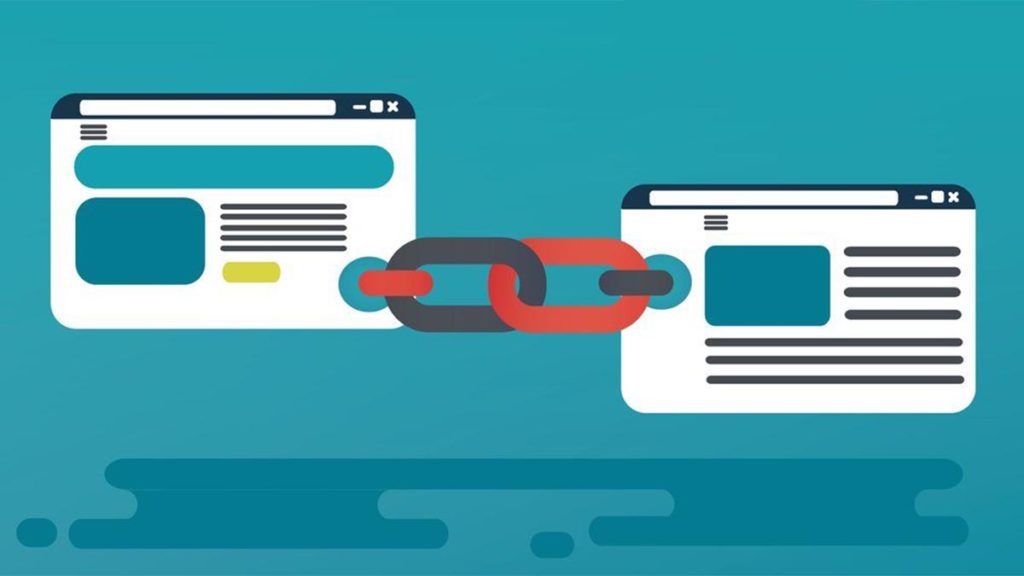
Another important factor in SEO is authority building. Search engines evaluate the quality of backlinks pointing to a website. High-quality links from trusted sources signal that the content is valuable and credible. This is why businesses invest in outreach campaigns, guest posting, and digital PR to strengthen their online authority over time.
The Power of High-Quality Content Marketing
Content marketing has become one of the most powerful tools for building brand recognition and customer trust. Informative blog posts, detailed guides, videos, and educational resources help businesses connect with their audience on a deeper level. Instead of constantly selling products, companies that provide useful information create lasting relationships with customers.
Quality content also supports SEO efforts because search engines reward websites that consistently publish relevant and engaging information. A well-written article can attract traffic for months or even years after publication. Evergreen content continues generating visitors over time, making it a cost-effective strategy for long-term growth.
Businesses that invest in storytelling and authentic communication often achieve better engagement rates. Customers prefer brands that understand their problems and provide practical solutions rather than aggressive sales tactics. This human-centered approach increases trust, customer loyalty, and conversion rates.
Social Media and Brand Visibility
Social media platforms have become essential for expanding online reach and interacting directly with customers. Platforms such as Instagram, Facebook, LinkedIn, and TikTok allow brands to build communities around their products and services. A strong social media presence can increase website traffic, improve customer engagement, and strengthen overall brand identity.
Consistency is critical when managing social media campaigns. Businesses that regularly post valuable content, respond to audience questions, and participate in trends often experience stronger engagement. Social media also allows brands to showcase their personality and connect with users in a more casual and relatable way.
In addition, influencer marketing has become a growing trend in the digital industry. Collaborating with trusted creators can help businesses reach highly targeted audiences quickly. When combined with SEO and content marketing, social media creates a complete digital ecosystem that supports business growth from multiple directions.
Data Analytics and Smarter Marketing Decisions
One of the biggest advantages of digital marketing is the ability to track and measure performance in real time. Businesses can analyze website traffic, customer behavior, conversion rates, and campaign effectiveness through analytics tools. This data helps marketers understand what strategies are working and where improvements are needed.
Data-driven decision-making allows businesses to optimize campaigns for maximum return on investment. Instead of relying on guesswork, marketers can identify patterns, test new ideas, and refine their strategies based on actual user behavior. This improves efficiency while reducing wasted marketing budgets.
Analytics also help businesses better understand their target audience. By studying demographics, interests, and engagement patterns, companies can create more personalized campaigns that resonate with customers. Personalization has become increasingly important because users now expect brands to deliver relevant and tailored experiences online.
The Future of SEO and Digital Marketing
The future of digital marketing will continue evolving with advancements in artificial intelligence, voice search, automation, and personalized experiences. Search engines are becoming smarter at understanding context and user intent, which means businesses must focus even more on creating genuine value for their audience.
AI-powered tools are already helping marketers automate tasks such as keyword research, content optimization, and customer support. However, human creativity and strategic thinking remain essential. Businesses that combine technology with authentic branding and high-quality content will have the greatest advantage in the future digital landscape.
As competition increases online, companies must prioritize innovation and adaptability. SEO and marketing are no longer optional investments; they are critical components of long-term business success. Brands that embrace modern strategies, focus on customer experience, and continuously improve their digital presence will continue to grow in an increasingly competitive world.
Leave a Reply