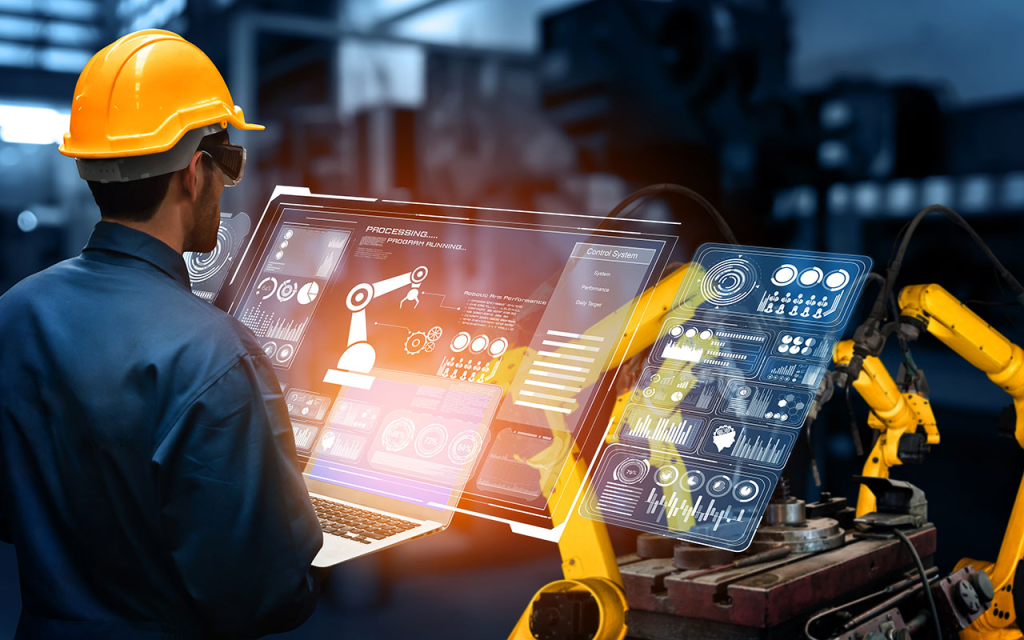
Automation means using machines or software to perform tasks that were once done by humans. It is one of the biggest forces shaping the modern job market.
The Rise of Automation
From factories using robots to offices using AI tools, automation is everywhere. Machines can work faster, don’t need breaks, and make fewer mistakes — making businesses more efficient.
Impact on Different Sectors
- Manufacturing: Robots now assemble cars and electronics faster than ever.
- Retail: Self-checkout machines reduce the need for cashiers.
- Transportation: Self-driving vehicles and delivery drones are being developed.
- Banking: Chatbots and digital systems handle customer service and transactions.
- Agriculture: Automated tractors and drones help farmers monitor and harvest crops.
Job Loss vs. Job Creation
Automation replaces some jobs but also creates new ones — especially in technology, maintenance, and data management. Workers will need to adapt by learning new digital skills.
Skills for the Future
The future job market will value creativity, emotional intelligence, communication, and critical thinking — things machines can’t easily replace. Education systems must focus on teaching these skills.
Challenges
Automation can increase inequality if people are not trained for new roles. Governments and companies must work together to provide training programs and support for affected workers.
Conclusion
Automation is changing the way we work, but it doesn’t mean the end of jobs. Instead, it means a shift toward smarter, more creative work. The key is to adapt, learn, and use technology as a tool for progress.
Leave a Reply