Introduction
Cold and flu are among the most common viral infections that affect millions of people worldwide each year. Although both conditions are usually mild, they can cause discomfort, disrupt daily activities, and sometimes lead to serious complications, especially in children, the elderly, and people with weak immune systems. Fortunately, preventing cold and flu is possible through simple lifestyle habits, proper hygiene, and a balanced diet. This article explores practical, easy, and effective ways to protect yourself and your loved ones from these seasonal illnesses.
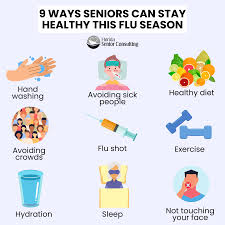
1. Strengthen Your Immune System
Your immune system is your body’s first line of defense against viruses. Strengthening it naturally reduces your risk of catching colds and the flu. A healthy immune system depends on a balanced diet rich in vitamins, minerals, and antioxidants. Include plenty of fresh fruits, vegetables, whole grains, lean proteins, and healthy fats in your daily meals.
Key nutrients that boost immunity include:
- Vitamin C: Found in oranges, lemons, strawberries, and bell peppers.
- Vitamin D: Helps immune cells function properly; available from sunlight and foods like eggs and fish.
- Zinc: Found in nuts, seeds, and legumes, which helps fight infections.
- Probiotics: Found in yogurt and fermented foods, they support gut health, where much of the immune system resides.
2. Maintain Good Hygiene Practices
Cold and flu viruses spread primarily through droplets from coughing, sneezing, or touching contaminated surfaces. Practicing good hygiene can significantly reduce transmission.
Hygiene habits to follow:
- Wash hands frequently with soap and water for at least 20 seconds.
- Use alcohol-based hand sanitizers when soap is unavailable.
- Avoid touching your face—especially your eyes, nose, and mouth.
- Cover your mouth and nose with a tissue or elbow when sneezing or coughing.
- Regularly disinfect frequently touched objects like phones, keyboards, and door handles.
Simple, consistent hygiene practices are among the most effective ways to stop germs from spreading.
3. Get Enough Rest and Sleep
Lack of sleep weakens the immune system and makes the body more vulnerable to infections. During deep sleep, the body repairs tissues, produces infection-fighting antibodies, and regulates hormones that support immunity.
Adults should aim for 7–9 hours of sleep each night, while children and teenagers may need more. Maintaining a consistent sleep schedule, reducing screen time before bed, and creating a comfortable sleep environment can significantly improve sleep quality and immune function.
4. Stay Hydrated
Proper hydration keeps the body’s systems functioning efficiently, including the immune system. Water helps flush out toxins and maintains the moisture of mucous membranes, which act as a barrier against germs in the nose and throat.
Aim for 6–8 glasses of water daily, and include fluids like herbal teas, soups, or natural fruit juices. Avoid excessive caffeine and alcohol, which can dehydrate the body.
5. Exercise Regularly
Moderate exercise improves blood circulation and enhances the immune response by helping white blood cells move efficiently throughout the body. Activities like walking, cycling, yoga, or light jogging for 30 minutes a day can help reduce the risk of catching colds.
However, intense workouts without proper recovery can have the opposite effect, temporarily suppressing immunity. Balance is key—focus on consistency rather than overexertion.
6. Eat Immune-Boosting Foods
A nutritious diet plays a vital role in preventing colds and flu. Certain foods contain natural compounds that help the body resist viral infections.
Some powerful options include:
- Garlic: Contains allicin, a compound known for its antiviral and antibacterial properties.
- Ginger: Helps reduce inflammation and soothe sore throats.
- Turmeric: Rich in curcumin, which boosts the immune system.
- Green tea: Loaded with antioxidants that help fight off infections.
- Citrus fruits: Provide vitamin C, which helps shorten the duration of colds.
Incorporating these foods into daily meals can strengthen your defense system naturally.
7. Manage Stress Effectively
Chronic stress weakens the immune system and makes the body more susceptible to illness. When stressed, the body releases cortisol—a hormone that, in excess, can reduce immune activity.
To manage stress, try relaxation techniques such as deep breathing, meditation, yoga, or spending time outdoors. Regular physical activity, listening to music, or engaging in hobbies can also help calm the mind.
Taking short breaks during work or study sessions prevents burnout and supports emotional and physical health.
8. Avoid Smoking and Limit Alcohol
Smoking damages the respiratory system, making it easier for viruses to enter the lungs and cause infections. It also reduces the number of protective cells in the airways that trap and remove germs.
Excessive alcohol consumption suppresses immune function and dehydrates the body. Reducing or avoiding these habits not only protects you from cold and flu but also improves your overall health and energy levels.
9. Keep Warm During Cold Seasons
Cold weather does not directly cause illness, but it can weaken the body’s natural defenses and make you more susceptible to viruses. Dress appropriately for the weather by layering clothes, wearing gloves, scarves, and hats.
Keep indoor environments warm and ventilated, and use a humidifier if the air becomes too dry. A comfortable temperature helps your body maintain its immune strength and prevents the drying of nasal passages, which can make you more vulnerable to infections.
10. Get Vaccinated
Flu vaccines are one of the most effective ways to prevent influenza. They help your immune system recognize and fight off the virus before it can cause severe symptoms. Health authorities recommend annual flu vaccination, especially for children, older adults, and those with chronic health conditions.
Vaccines not only protect you but also reduce the spread of flu within the community. While there is no vaccine for the common cold, flu shots significantly lower the risk of complications and hospitalizations.
Leave a Reply