Introduction
Your heart is the engine of your body — it pumps life-giving oxygen and nutrients to every organ and tissue. Keeping it healthy is one of the most important things you can do to ensure a long, active, and fulfilling life. Heart disease remains one of the leading causes of death globally, but the good news is that many cases can be prevented through lifestyle choices. Two of the most powerful tools for maintaining heart health are proper nutrition and regular exercise. This article explores the best foods and exercises that can keep your heart strong, your blood vessels clear, and your body thriving.
1. Understanding Heart Health
The heart works tirelessly to pump blood, but poor diet, stress, lack of activity, and unhealthy habits can strain it. Over time, these factors lead to high cholesterol, high blood pressure, and buildup of plaque in arteries — all of which increase the risk of heart disease, stroke, and heart attacks.
However, the body has an incredible ability to heal and strengthen when provided with the right nutrients and physical activity. A combination of heart-healthy foods and consistent exercise helps maintain optimal circulation, balance cholesterol levels, and reduce inflammation in the body.
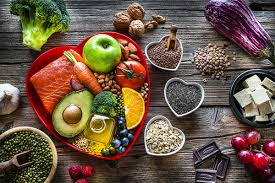
Best Foods for Heart Health
1. Fatty Fish (Omega-3 Rich Foods)
Fish such as salmon, mackerel, tuna, sardines, and trout are rich in omega-3 fatty acids, which have been shown to lower triglycerides, reduce inflammation, and decrease the risk of abnormal heart rhythms.
Aim to include fatty fish in your diet at least twice a week. For vegetarians, flaxseeds, chia seeds, and walnuts offer plant-based omega-3 alternatives.
2. Leafy Green Vegetables
Vegetables like spinach, kale, collard greens, and broccoli are packed with vitamins, minerals, and antioxidants. They are especially rich in vitamin K, which helps protect arteries and promote proper blood clotting. The nitrates in leafy greens also help lower blood pressure and improve artery flexibility.
3. Whole Grains
Whole grains such as oatmeal, brown rice, quinoa, and whole wheat contain high levels of fiber, which can help lower bad cholesterol (LDL) and improve digestion. Regular consumption of whole grains reduces the risk of heart disease and helps maintain stable blood sugar levels.
4. Berries
Berries like blueberries, strawberries, raspberries, and blackberries are loaded with antioxidants known as anthocyanins. These compounds reduce oxidative stress and inflammation in the arteries. Eating a handful of berries daily improves blood vessel health and supports circulation.
5. Nuts and Seeds
Almonds, walnuts, pistachios, and sunflower seeds are rich in healthy fats, fiber, and plant sterols that lower cholesterol and inflammation. They also provide magnesium, a mineral essential for normal heart rhythm.
However, moderation is key — nuts are calorie-dense, so a small handful per day is sufficient.
6. Olive Oil
Extra virgin olive oil is a core component of the Mediterranean diet, one of the world’s healthiest eating patterns. It contains monounsaturated fats that lower LDL cholesterol and improve HDL cholesterol (the good kind). Replace butter and processed oils with olive oil in cooking or salad dressings.
7. Legumes
Beans, lentils, and chickpeas are rich in plant-based protein, fiber, and potassium, all of which contribute to lower blood pressure and cholesterol levels. They make an excellent substitute for red meat and help maintain stable blood sugar.
8. Dark Chocolate
Dark chocolate (with at least 70% cocoa) contains flavonoids that improve blood flow and reduce inflammation. A small piece of dark chocolate a few times a week can support heart health — just avoid products high in sugar or artificial ingredients.
9. Avocados
Avocados are packed with heart-healthy monounsaturated fats, potassium, and fiber. They help regulate cholesterol levels and blood pressure while adding a creamy, nutritious boost to salads, smoothies, or toast.
10. Green Tea
Green tea contains powerful antioxidants called catechins, which improve blood vessel function and reduce LDL cholesterol. Drinking one to two cups of green tea daily can promote better heart health and overall wellness.
Best Exercises for Heart Health
Exercise is equally important as diet in maintaining a healthy heart. Physical activity strengthens the heart muscle, improves circulation, helps manage weight, and reduces stress hormones that can harm cardiovascular function. The American Heart Association recommends at least 150 minutes of moderate exercise per week.
1. Aerobic (Cardio) Exercises
Aerobic exercise directly strengthens the heart and lungs, improving their ability to deliver oxygen efficiently throughout the body.
Examples include:
- Brisk walking
- Running or jogging
- Cycling
- Swimming
- Dancing
- Hiking
These exercises help lower blood pressure, regulate cholesterol levels, and improve endurance. Even 30 minutes of brisk walking five days a week can dramatically lower your risk of heart disease.
2. Strength Training
Building muscle through resistance exercises like weightlifting or bodyweight workouts (push-ups, squats, planks) helps the body burn fat and maintain a healthy metabolism.
Strong muscles support heart function by improving insulin sensitivity and reducing fat buildup around vital organs. Aim for two strength-training sessions per week.
3. Yoga and Stretching
Yoga combines gentle movement with deep breathing, improving flexibility, circulation, and stress reduction. Stress management is vital for heart health because chronic stress raises blood pressure and triggers inflammation.
Simple poses like the Tree Pose, Bridge Pose, and Cobra Pose can help lower heart rate, improve focus, and promote relaxation.
4. High-Intensity Interval Training (HIIT)
HIIT involves short bursts of intense exercise followed by rest or light activity. This method efficiently boosts cardiovascular strength, burns calories, and improves oxygen consumption.
A 20-minute HIIT session 2–3 times a week can significantly enhance heart efficiency — just ensure you warm up properly and consult a doctor if you’re new to exercise or have heart concerns.
5. Recreational Sports
Playing sports like tennis, badminton, basketball, or football combines aerobic activity with fun and social engagement. This makes it easier to stay consistent and motivated while improving overall cardiovascular endurance.
6. Daily Movement Habits
Even outside of formal workouts, small daily actions contribute to heart health:
- Take the stairs instead of the elevator.
- Walk or cycle short distances instead of driving.
- Stretch during work breaks.
- Spend time gardening or doing household chores.
Consistency matters more than intensity — keeping your body active throughout the day keeps your heart strong.
Lifestyle Tips for a Healthy Heart
Beyond diet and exercise, a few simple habits can further protect your heart:
- Avoid smoking — tobacco damages blood vessels and increases heart disease risk.
- Limit alcohol — excessive intake raises blood pressure and triglycerides.
- Manage stress — practice meditation, deep breathing, or mindfulness.
- Get enough sleep — 7–8 hours per night supports heart recovery.
- Regular checkups — monitor cholesterol, blood pressure, and sugar levels.
Conclusion
A healthy heart is not achieved overnight but through consistent, mindful habits. Eating nutrient-rich foods and staying physically active work together to strengthen your heart, regulate cholesterol, and reduce the risk of disease. The combination of a balanced diet—featuring vegetables, whole grains, lean proteins, and healthy fats—and regular exercise like walking, cycling, or yoga creates a powerful defense against heart problems.
Taking care of your heart today means a stronger, longer, and more energetic life tomorrow. Start small, stay consistent, and let every meal and movement bring you closer to a healthier heart.
Leave a Reply