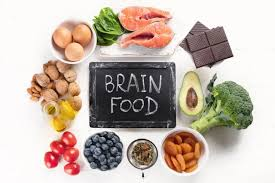
The brain and heart are two of the most vital organs in the human body. They work together to maintain overall health, energy, and emotional balance. The heart pumps blood that carries oxygen and nutrients to the brain, while the brain regulates heart function and circulation. When either of these organs suffers, the entire body is affected. The good news is that both brain and heart health can be greatly improved through proper nutrition. A diet rich in specific nutrients, antioxidants, and healthy fats can help prevent diseases, enhance memory, and strengthen cardiovascular function.
The Connection Between Brain and Heart Health
Scientific research has shown that what’s good for the heart is also good for the brain. Poor heart health, such as high blood pressure, high cholesterol, and blocked arteries, reduces blood flow to the brain, increasing the risk of stroke, dementia, and cognitive decline. Similarly, inflammation and oxidative stress affect both organs. Maintaining healthy blood vessels and steady blood flow is essential for sharp thinking and strong cardiovascular performance.
1. Eat Foods Rich in Omega-3 Fatty Acids
Omega-3 fatty acids are essential for both heart and brain health. They reduce inflammation, lower triglycerides, and improve circulation. In the brain, omega-3s support cell membranes and neurotransmitter function, improving memory and focus.
Excellent sources include fatty fish like salmon, sardines, tuna, and mackerel. Plant-based options include flaxseeds, chia seeds, and walnuts. Including these foods at least two to three times a week helps protect both the brain and heart from age-related decline.
2. Choose Whole Grains Over Refined Carbohydrates
Whole grains such as oats, quinoa, brown rice, and whole wheat provide steady energy and improve blood flow to the brain. They contain fiber, which helps control cholesterol and stabilize blood sugar levels. In contrast, refined carbohydrates like white bread and sugary snacks cause blood sugar spikes that increase the risk of heart disease and mental fatigue. Consuming whole grains regularly supports long-term cardiovascular and cognitive health.
3. Include Colorful Fruits and Vegetables
Fruits and vegetables are loaded with antioxidants, vitamins, and minerals that reduce oxidative stress and inflammation. These nutrients help protect brain cells from damage and improve blood vessel health. Leafy greens such as spinach, kale, and broccoli are rich in vitamin K, folate, and lutein—nutrients linked to slower cognitive decline.
Berries, especially blueberries, strawberries, and blackberries, contain anthocyanins and flavonoids that enhance memory and prevent plaque buildup in arteries. Aim to fill half your plate with fruits and vegetables daily for maximum benefit.
4. Opt for Healthy Fats
Not all fats are bad. Healthy unsaturated fats found in olive oil, avocados, nuts, and seeds support heart function and improve brain performance. These fats reduce “bad” LDL cholesterol and increase “good” HDL cholesterol, keeping arteries clear. The Mediterranean diet, which emphasizes olive oil and plant-based fats, has been proven to lower the risk of both heart disease and Alzheimer’s disease. Replace butter and processed oils with healthier alternatives to promote long-term vitality.
5. Consume Lean Proteins
Protein is necessary for building and repairing body tissues, including those of the heart and brain. Choose lean sources such as poultry, eggs, fish, beans, lentils, and tofu. These foods are low in saturated fats and help maintain muscle strength and metabolic balance. Red meat should be eaten in moderation, as it can raise cholesterol and increase cardiovascular risk when consumed in excess.
6. Add Nuts and Seeds to Your Diet
Nuts and seeds are excellent sources of healthy fats, magnesium, and vitamin E—nutrients that protect brain cells and keep arteries flexible. Almonds, walnuts, pumpkin seeds, and sunflower seeds improve memory and reduce inflammation. Eating a small handful of nuts daily can help lower the risk of heart disease while supporting cognitive function.
7. Stay Hydrated
Water is essential for transporting nutrients and oxygen to the brain and heart. Dehydration can cause fatigue, confusion, and strain on the cardiovascular system. Drinking sufficient water throughout the day supports blood circulation and helps regulate body temperature. Herbal teas and water-rich fruits like oranges, melons, and cucumbers are good options for staying hydrated.
8. Limit Sugar and Processed Foods
Excessive sugar and processed foods contribute to obesity, high blood pressure, and diabetes—major risk factors for heart and brain problems. High sugar intake leads to inflammation and damages blood vessels, reducing oxygen supply to the brain. Avoid sugary drinks, desserts, and packaged snacks. Choose natural sweeteners like honey or fruit when needed, and focus on whole, unprocessed foods.
9. Include Foods Rich in B Vitamins
B vitamins, including B6, B12, and folate, are crucial for brain and heart function. They help regulate homocysteine levels in the blood, which, when elevated, can damage arteries and increase the risk of stroke and cognitive decline. Foods rich in B vitamins include eggs, leafy greens, whole grains, legumes, and fish. These nutrients support nerve function and energy metabolism.
10. Incorporate Dark Chocolate in Moderation
Dark chocolate, when consumed in small amounts, can benefit both the heart and brain due to its high content of flavonoids and antioxidants. These compounds improve blood flow, lower blood pressure, and boost mood. Choose dark chocolate with at least 70% cocoa content and avoid varieties with added sugar or milk. A small piece a few times a week can be a healthy indulgence.
11. Consume Foods High in Vitamin D
Vitamin D supports heart function, reduces inflammation, and promotes brain health. Low levels of vitamin D have been linked to depression, heart disease, and memory decline. Sources include fatty fish, egg yolks, fortified dairy products, and sunlight exposure. Spending at least 15 minutes in the sun daily helps maintain adequate vitamin D levels.
12. Add Turmeric and Spices
Turmeric contains curcumin, a compound with powerful anti-inflammatory and antioxidant properties. It supports brain function, reduces the risk of Alzheimer’s disease, and improves heart health by protecting blood vessels. Adding turmeric, ginger, garlic, and cinnamon to meals not only enhances flavor but also provides long-term health benefits.
13. Eat Fiber-Rich Foods
Fiber helps lower cholesterol, control blood sugar, and promote digestive health—all of which contribute to a strong heart and brain. Good sources include fruits, vegetables, legumes, and whole grains. A diet high in fiber helps prevent plaque buildup in arteries and supports steady energy levels, keeping both the heart and brain active and alert.
14. Limit Sodium Intake
Too much sodium raises blood pressure, which can damage arteries and reduce blood flow to the brain. Processed foods, canned soups, and fast food are often high in salt. Cooking at home allows better control of sodium levels. Season foods with herbs and spices instead of salt to maintain flavor without increasing risk.
15. Maintain a Regular Eating Schedule
Skipping meals or overeating can disrupt blood sugar balance and lead to fatigue and poor concentration. Eating regular, balanced meals ensures a steady supply of nutrients to the brain and heart. Breakfast, in particular, fuels the brain after overnight fasting and supports focus and energy throughout the day.
Lifestyle Habits That Support Nutrition
Nutrition works best when paired with healthy lifestyle habits. Regular physical activity, stress management, and sufficient sleep amplify the benefits of a good diet. Exercise improves blood flow to the brain and heart, while relaxation techniques such as yoga and meditation reduce inflammation and stress. Avoid smoking and excessive alcohol consumption, as they can undo the positive effects of nutritious eating.
Conclusion
Maintaining brain and heart health requires mindful eating and balanced nutrition. By choosing foods rich in omega-3s, antioxidants, vitamins, and fiber, you can strengthen both organs and prevent long-term diseases. Good nutrition improves memory, focus, and energy levels while supporting a healthy heart rhythm and blood circulation. A diet full of natural, whole foods—combined with regular exercise and rest—creates a foundation for lifelong vitality and mental clarity.
Leave a Reply