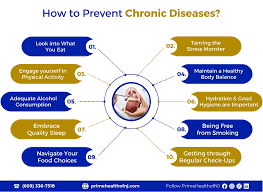
Chronic diseases such as heart disease, diabetes, cancer, and respiratory illnesses are among the leading causes of death worldwide. They develop gradually, often due to lifestyle factors such as poor diet, lack of exercise, smoking, or stress. The good news is that most chronic diseases are preventable through consistent healthy habits and early awareness. Prevention focuses on making informed choices that promote long-term well-being rather than waiting for illness to occur.
Understanding Chronic Diseases
Chronic diseases are conditions that persist for a long time, typically more than three months. Unlike infectious diseases, they are not caused by bacteria or viruses but by a combination of genetics, lifestyle, and environmental factors. Common examples include hypertension, cardiovascular disease, type 2 diabetes, arthritis, and certain cancers. While genetics may increase risk, daily habits and choices play a far greater role in determining health outcomes.
1. Eat a Balanced and Nutritious Diet
Nutrition is the foundation of good health. A well-balanced diet rich in fruits, vegetables, whole grains, lean proteins, and healthy fats helps the body function efficiently. Limit processed foods, refined sugars, and saturated fats, which contribute to obesity and heart disease. Including fiber-rich foods supports digestion and helps regulate blood sugar levels. Choose water over sugary drinks and limit salt intake to maintain healthy blood pressure.
A good rule to follow is the “plate method”: half your plate should consist of vegetables and fruits, one-quarter with whole grains, and one-quarter with lean proteins. This simple approach ensures your body receives the nutrients it needs without excess calories.
2. Maintain a Healthy Weight
Obesity is a major risk factor for several chronic diseases, including diabetes, heart disease, and certain cancers. Maintaining a healthy weight through a balanced diet and regular exercise is essential for long-term health. Even a small reduction in body weight can significantly improve blood pressure, cholesterol, and blood sugar levels. Avoid extreme dieting or quick fixes; instead, focus on sustainable changes such as portion control, mindful eating, and consistent activity.
3. Engage in Regular Physical Activity
Exercise plays a vital role in preventing chronic illnesses. Regular physical activity strengthens the heart, improves circulation, and supports mental health. Adults should aim for at least 150 minutes of moderate aerobic exercise per week, such as brisk walking, cycling, or swimming. Strength training two to three times a week helps maintain muscle mass and bone density.
Physical activity also helps control weight, reduces inflammation, and improves insulin sensitivity. If you have a sedentary lifestyle, start slowly and increase activity levels gradually. Simple habits such as taking the stairs, walking after meals, or stretching during work breaks can make a meaningful difference.
4. Avoid Tobacco and Limit Alcohol Consumption
Smoking is one of the leading preventable causes of chronic disease and death. It damages nearly every organ in the body, increasing the risk of heart disease, stroke, and several types of cancer. Quitting smoking, regardless of age, can significantly improve health outcomes.
Alcohol consumption should also be limited. Excessive drinking contributes to liver disease, high blood pressure, and cancer risk. Moderation is key — for most adults, this means no more than one drink per day for women and two for men.
5. Get Regular Health Screenings
Preventive health check-ups are essential for early detection of diseases. Many chronic conditions, such as high blood pressure or diabetes, may not show symptoms in the early stages. Routine tests like blood sugar, cholesterol, and blood pressure screenings help identify risks before they become serious. For older adults, cancer screenings such as mammograms, colonoscopies, or prostate exams are also important.
Regular visits to your healthcare provider allow for monitoring and timely intervention. Early detection often leads to easier management and better outcomes.
6. Manage Stress Effectively
Chronic stress contributes to numerous health problems, including heart disease, digestive disorders, and weakened immunity. Long-term stress also leads to unhealthy behaviors such as overeating, smoking, or alcohol abuse. Learning how to manage stress is therefore essential for disease prevention.
Effective stress management techniques include meditation, yoga, deep breathing, and spending time in nature. Building a strong support system of family and friends can also reduce emotional strain. Setting realistic goals, maintaining a healthy work-life balance, and prioritizing relaxation time are vital for mental and physical health.
7. Get Sufficient Sleep
Sleep plays a crucial role in maintaining health and preventing disease. During sleep, the body repairs tissues, strengthens the immune system, and regulates hormones. Inadequate sleep increases the risk of obesity, diabetes, and heart disease. Adults should aim for seven to eight hours of quality sleep each night.
Establishing a consistent sleep routine, avoiding caffeine before bed, and keeping the bedroom dark and quiet can improve sleep quality. Poor sleep over long periods should not be ignored and may require professional evaluation.
8. Maintain Proper Hygiene and Sanitation
Good hygiene reduces the risk of infections that may lead to chronic inflammation or secondary illnesses. Regular hand washing, safe food handling, and clean living environments are essential for maintaining health. Avoid exposure to environmental toxins such as air pollution and household chemicals whenever possible.
9. Stay Hydrated
Water is vital for almost every function in the body, including digestion, circulation, and temperature regulation. Dehydration can strain the kidneys, heart, and other organs. Aim to drink at least 6–8 glasses of water per day, more if you are active or in a hot climate. Replace sugary or carbonated beverages with water, herbal tea, or fresh juices.
10. Strengthen Your Immune System
A strong immune system protects the body from infections and chronic inflammation. Regular exercise, adequate sleep, balanced nutrition, and proper hydration all contribute to immune health. Include foods rich in vitamins C, D, and E, as well as zinc and antioxidants, to support the body’s defense system.
11. Avoid Prolonged Sitting and Sedentary Behavior
Sitting for long hours slows down metabolism and increases the risk of obesity, diabetes, and heart problems. Try to take short breaks to stretch or walk around every hour, especially if you work at a desk. Standing desks or walking meetings can help reduce sedentary time.
12. Build Healthy Social Connections
Social interaction plays a surprising role in preventing chronic diseases. Isolation and loneliness can increase stress and negatively affect mental health. Staying connected with family, friends, or community groups promotes emotional well-being and helps manage stress better. Participating in social activities, volunteering, or joining fitness classes can enhance both mental and physical health.
13. Limit Processed and Sugary Foods
Processed foods often contain high amounts of sugar, unhealthy fats, and preservatives. These contribute to obesity, high cholesterol, and inflammation — all of which are linked to chronic disease. Choose natural, whole foods whenever possible. Reading food labels can help identify hidden sugars and unhealthy ingredients.
14. Protect Yourself from Environmental Risks
Exposure to pollution, pesticides, and harmful chemicals can lead to respiratory problems and long-term health issues. Wear protective masks in polluted areas, use natural cleaning products, and avoid smoking areas. Small changes in your environment can significantly reduce your exposure to harmful substances.
15. Keep a Positive Mindset and Stay Informed
A positive attitude toward health motivates consistent action. Educating yourself about healthy living and staying updated on medical recommendations empower you to make better decisions. Remember that prevention is an ongoing process; small, daily choices make the biggest difference over time.
Conclusion
Chronic diseases do not develop overnight — they result from long-term habits and neglect. The best way to prevent them is through consistent healthy living: eating well, staying active, getting enough rest, managing stress, and avoiding harmful substances. Regular check-ups and self-awareness are equally important for early detection. Prevention is always better than cure, and with mindful daily choices, everyone can reduce the risk of chronic disease and enjoy a longer, healthier life.
Leave a Reply