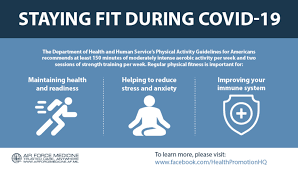
The COVID-19 pandemic has changed the way we live, work, and interact. It reminded the world that health is the most valuable asset and that prevention is as important as cure. Even as the pandemic evolves, maintaining good physical and mental health remains essential for personal and community well-being. Strengthening the immune system, adopting healthy habits, and managing stress are key to staying resilient. This article explains practical ways to maintain good health during and after a pandemic.
1. Strengthen the Immune System
A strong immune system is the body’s best defense against infections. To keep it functioning well, focus on a balanced diet rich in vitamins, minerals, and antioxidants. Eat plenty of fresh fruits, vegetables, whole grains, nuts, and lean proteins.
Vitamin C (found in citrus fruits, bell peppers, and guava) helps fight infections, while vitamin D (from sunlight and fortified foods) supports immune response. Zinc (in nuts, seeds, and lentils) and protein (from eggs, chicken, and beans) also play vital roles in immunity. Staying hydrated by drinking sufficient water and herbal teas helps flush out toxins and keeps the body energized.
Avoid excessive sugar, processed foods, and fried items, as these can weaken the immune system. A nutritious diet provides long-term protection and resilience.
2. Maintain Regular Physical Activity
Lockdowns and remote lifestyles have reduced physical movement, leading to fatigue, weight gain, and muscle loss. Regular exercise helps keep the heart strong, improves circulation, and boosts mood and immunity.
Even simple activities like brisk walking, yoga, or stretching at home make a big difference. Adults should aim for at least 30 minutes of moderate exercise most days, while children need at least an hour of active play. For those unable to go outdoors, indoor workouts—such as bodyweight exercises, skipping, or dancing—are effective alternatives.
3. Follow Good Hygiene Practices
Personal hygiene is one of the most effective ways to prevent infection. Wash hands frequently with soap and water for at least 20 seconds, especially after returning from outside or touching shared surfaces. Carry hand sanitizer when soap and water are unavailable.
Avoid touching your face unnecessarily, and always cover your mouth and nose while coughing or sneezing with a tissue or elbow. Regularly disinfect frequently touched items like mobile phones, doorknobs, and tables. Cleanliness helps reduce the spread of viruses and bacteria.
4. Get Sufficient Sleep
Quality sleep strengthens immunity and helps the body recover. Adults should aim for 7–8 hours of sleep per night, while children and teenagers need more. Sleep deprivation increases stress hormones, lowers immunity, and affects concentration.
Establish a regular sleep routine—go to bed and wake up at the same time daily. Reduce screen time before bed, avoid caffeine late in the day, and create a calm, comfortable sleeping environment.
5. Manage Stress and Anxiety
Uncertainty and social isolation during the pandemic have caused emotional strain for many. Chronic stress weakens immunity and affects physical health. Managing stress through relaxation techniques, deep breathing, meditation, or journaling can make a big difference.
Staying connected with family and friends through phone calls or video chats also supports emotional well-being. If anxiety or sadness becomes overwhelming, seeking help from a counselor or mental health professional is a healthy and responsible step.
6. Keep a Consistent Routine
Maintaining structure provides a sense of stability in uncertain times. Set daily schedules for meals, work, exercise, and relaxation. Consistent routines reduce stress and help the mind stay focused and organized.
Encourage family members to participate in shared activities such as cooking, exercising, or reading together. Small positive routines build resilience and emotional balance.
7. Eat Home-Cooked and Fresh Meals
During the pandemic, many people relied on packaged or takeout food. However, home-cooked meals are healthier, more nutritious, and free from excess salt, sugar, and unhealthy fats.
Cooking at home allows better control over ingredients and portion sizes. Include immune-boosting ingredients such as garlic, ginger, turmeric, and green vegetables in your diet. These not only enhance flavor but also provide natural protection against infections.
8. Stay Hydrated
Proper hydration is essential for every bodily function, from digestion to temperature regulation. Drink at least 6–8 glasses of water daily. Herbal teas, coconut water, and fresh fruit juices are also beneficial, but avoid excessive caffeine or sugary drinks.
Hydration helps maintain energy levels, improves focus, and supports the immune system. Keep a water bottle nearby to remind yourself to drink throughout the day.
9. Practice Safe Social Interaction
While staying connected is important, it’s equally essential to practice safety during in-person interactions. Follow local health guidelines—wear masks in crowded areas, maintain physical distance, and wash hands regularly.
If meeting others indoors, ensure good ventilation by opening windows. When feeling unwell, stay home to prevent spreading illness to others. Responsible behavior protects both yourself and your community.
10. Keep Up with Medical Check-Ups and Vaccinations
Many people delayed routine health check-ups during the pandemic, but preventive care should not be ignored. Regular screenings help detect health issues early. Continue to monitor blood pressure, sugar levels, and cholesterol as advised by your doctor.
Vaccinations—including booster shots for COVID-19 and seasonal flu—remain important. Stay informed about current health recommendations from credible medical authorities.
11. Limit Screen Time and Media Overload
While staying informed is necessary, constant exposure to alarming news can increase anxiety. Set limits on news consumption and rely only on trusted sources for updates. Spend more time engaging in relaxing or productive activities like reading, exercising, or learning a new skill.
For children, encourage offline hobbies like art, puzzles, or outdoor play to reduce digital fatigue.
12. Maintain Clean Living Spaces
A clean environment supports both physical and mental health. Regularly clean and disinfect high-touch areas at home. Ensure good ventilation and natural light to reduce indoor pollutants.
Decluttering also reduces stress and creates a sense of calm. A tidy home promotes relaxation and a healthy mindset.
13. Strengthen Mental Resilience
Building mental resilience helps in adapting to changes and overcoming challenges. Practice mindfulness, gratitude, and positive thinking. Focus on what can be controlled rather than what cannot.
Writing down goals, helping others, and finding purpose in daily activities foster optimism. Remember that mental health is just as important as physical health.
14. Build Healthy Family Habits
Families play a vital role in maintaining well-being. Encourage family meals, shared physical activities, and open communication. Support each other emotionally and celebrate small achievements. A positive family atmosphere enhances everyone’s overall health.
Teaching children about hygiene, nutrition, and kindness creates lifelong healthy habits.
15. Stay Hopeful and Adaptable
Pandemics can test patience and strength, but they also remind us of the importance of adaptability. Embrace change with a positive attitude, learn from experiences, and continue improving personal and community health practices.
Keeping a hopeful outlook reduces fear and supports healing—both physically and emotionally.
Conclusion
Maintaining good health during the pandemic requires a holistic approach—nurturing both body and mind. Balanced nutrition, regular exercise, adequate rest, and emotional well-being form the foundation of resilience. Simple habits like proper hygiene, hydration, and social responsibility help prevent illness and protect others. Most importantly, staying calm, informed, and connected helps navigate uncertainty with strength. By continuing these healthy practices even after the pandemic, we can build stronger, healthier communities for the future.
Leave a Reply