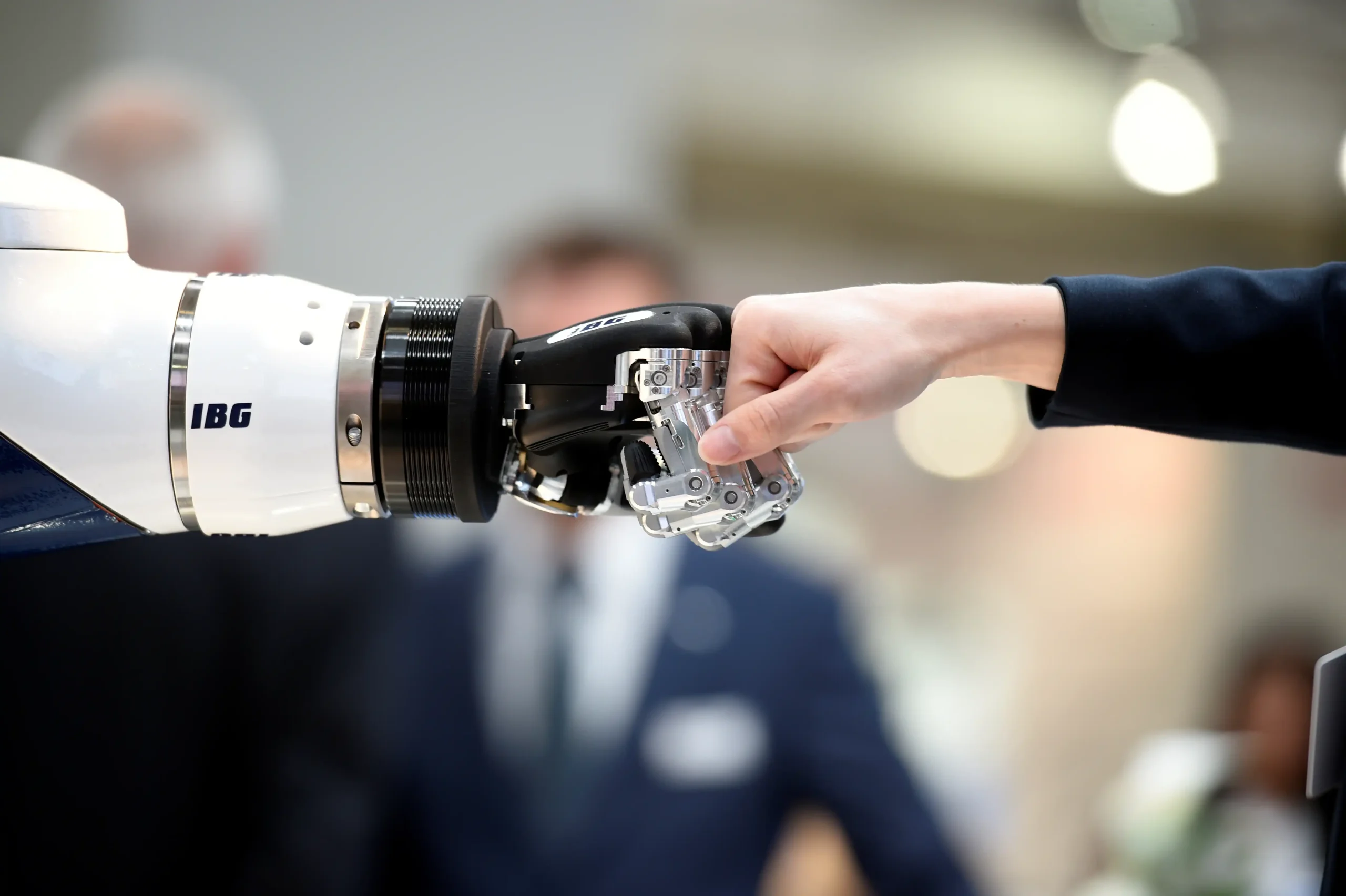
In today’s fast-paced digital era, Artificial Intelligence (AI) and technology have become central to global development. From smartphones to smart homes, and from healthcare to finance, technology is transforming every aspect of human life. AI, in particular, is revolutionizing how we work, communicate, and solve complex problems. It is no longer just a concept of the future—it is a reality that is actively shaping the present.
Artificial Intelligence refers to the ability of machines to perform tasks that typically require human intelligence. These tasks include learning, reasoning, problem-solving, and decision-making. AI systems can analyze large amounts of data quickly and accurately, making them highly valuable in various industries. As technology continues to evolve, AI is becoming more advanced and accessible.
One of the most significant advantages of AI and technology is automation. Many repetitive and time-consuming tasks are now being handled by machines, increasing efficiency and productivity. In industries such as manufacturing, AI-powered robots are performing tasks with precision and speed. Similarly, in customer service, chatbots are being used to provide instant responses and support.
AI is also playing a major role in healthcare. Advanced algorithms can help doctors diagnose diseases more accurately and at an earlier stage. Medical imaging, predictive analysis, and personalized treatment plans are all being enhanced through AI technology. This not only improves patient outcomes but also reduces the burden on healthcare systems.
In the business world, AI and technology are transforming how companies operate. Businesses use AI to analyze consumer behavior, improve marketing strategies, and optimize operations. Data-driven decision-making allows companies to stay competitive in an increasingly digital marketplace.
Education is another sector that has been greatly influenced by technology. Online learning platforms, virtual classrooms, and AI-powered tools are making education more accessible and flexible. Students can now learn at their own pace, and educators can use data to improve teaching methods. Technology is breaking barriers and creating new opportunities for learning worldwide.
However, the rise of AI and technology also comes with challenges. One of the main concerns is job displacement. As automation increases, some traditional jobs may become obsolete. This creates a need for reskilling and adapting to new roles in the digital economy. Privacy and data security are also major issues, as more personal information is stored and processed online.
Another important aspect is ethical considerations. The use of AI must be guided by ethical principles to ensure fairness, transparency, and accountability. Governments and organizations need to establish regulations to prevent misuse and ensure that technology benefits society as a whole.
Despite these challenges, the potential of AI and technology is immense. They have the power to solve global problems, improve quality of life, and drive economic growth. From smart cities to sustainable energy solutions, technology is opening new possibilities for the future.
Final Thought:
AI and technology are not just tools—they are powerful forces shaping the future of humanity. Embracing innovation while addressing its challenges is the key to progress. By continuously learning and adapting to new advancements, individuals can stay relevant and make the most of the opportunities created by this digital revolution.
Leave a Reply