In today’s fast-paced world, mental stress has become a common part of daily life. Work pressure, financial concerns, academic challenges, and digital distractions often leave people feeling anxious and fatigued. While medication or therapy can help in serious cases, one of the most effective natural ways to manage stress is through physical activity and yoga. Exercise improves mood, boosts energy, and helps release tension, while yoga brings emotional balance and mental calmness. Combining the two creates a powerful strategy for stress relief and overall well-being.
Understanding the Connection Between Exercise and Stress Relief
When you exercise, your body releases chemicals called endorphins—natural mood boosters that help reduce feelings of pain and stress. Physical activity also decreases the production of stress hormones such as cortisol and adrenaline, which are responsible for the body’s “fight or flight” response. Over time, regular exercise improves sleep quality, enhances focus, and builds emotional resilience. The mental clarity gained through consistent activity helps people handle challenges with a more positive mindset.
Benefits of Exercise for Mental Health
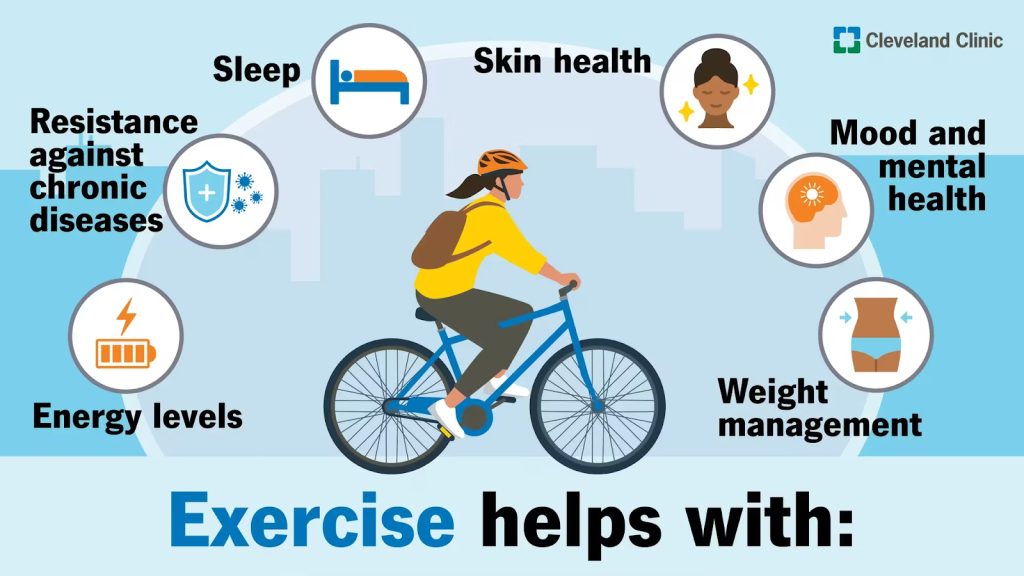
Exercise benefits the mind in several ways. It increases oxygen flow to the brain, stimulates the release of neurotransmitters such as serotonin and dopamine, and enhances overall energy levels. These effects help combat anxiety, depression, and irritability. Physical activity also provides a constructive outlet for negative emotions and reduces restlessness. Regular movement helps people feel more in control of their bodies and emotions, leading to higher confidence and self-esteem.
Types of Exercises That Reduce Stress
Different forms of exercise offer unique benefits for managing mental tension.
1. Walking and Jogging
Simple activities like walking or jogging are among the most effective stress-relievers. Walking outdoors, especially in a park or natural setting, helps calm the mind and provides a sense of relaxation. It also improves blood circulation and energy levels. A daily 30-minute walk can significantly reduce anxiety and improve mood.
2. Strength Training
Lifting weights or performing resistance exercises helps channel mental stress into physical effort. The focus required during strength training enhances concentration and mindfulness. Building physical strength also promotes emotional strength and resilience.
3. Cycling and Swimming
Cycling boosts cardiovascular health while providing a meditative rhythm that helps clear the mind. Swimming, on the other hand, offers a full-body workout and has a soothing effect because of the rhythmic breathing and the feeling of weightlessness in water. Both activities are great for relaxation and mental focus.
4. Dancing
Dance is a fun and expressive way to reduce stress. It allows people to release emotions through movement, music, and rhythm. Group dance sessions or classes can also improve social connections, which contribute to emotional well-being.
5. Stretching and Breathing Exercises
Simple stretching combined with deep breathing helps relieve muscle tension caused by stress. Breathing deeply activates the parasympathetic nervous system, which promotes relaxation and reduces anxiety. Practicing breathing techniques a few minutes each day can have long-term benefits for emotional control.
How Yoga Helps in Managing Stress
Yoga combines physical postures, controlled breathing, and meditation to create harmony between the body and mind. Unlike traditional workouts that mainly focus on physical fitness, yoga also addresses mental clarity and emotional balance. Studies show that regular yoga practice reduces stress, anxiety, and depression by lowering cortisol levels and improving mood-regulating brain activity.
1. Yoga Postures for Stress Relief
Certain yoga poses are particularly effective for reducing tension and calming the mind.
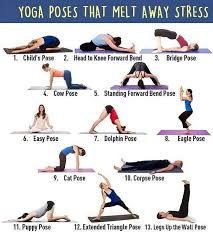
- Child’s Pose (Balasana): Relaxes the back, shoulders, and neck, promoting a feeling of safety and comfort.
- Cat-Cow Pose (Marjaryasana-Bitilasana): Improves flexibility and reduces stiffness in the spine caused by stress.
- Legs-Up-The-Wall Pose (Viparita Karani): Improves blood circulation and reduces fatigue.
- Bridge Pose (Setu Bandhasana): Opens the chest and strengthens the back, releasing built-up tension.
- Corpse Pose (Savasana): Promotes complete relaxation and mindfulness at the end of practice.
Practicing these poses for 15–20 minutes daily can bring noticeable improvements in both physical and emotional balance.
2. Breathing Techniques (Pranayama)
Controlled breathing is central to yoga and has powerful stress-relieving effects. Techniques such as deep belly breathing, alternate nostril breathing (Nadi Shodhana), and 4-7-8 breathing calm the nervous system, regulate heart rate, and promote mental clarity. Even a few minutes of conscious breathing can reduce feelings of panic or restlessness.
3. Meditation and Mindfulness in Yoga
Meditation, often practiced at the end of a yoga session, helps quiet the mind and bring awareness to the present moment. Mindfulness meditation teaches people to observe their thoughts without judgment, reducing anxiety and overthinking. Spending even 10 minutes in meditation each day enhances focus, self-awareness, and emotional stability.
Creating a Regular Routine
Consistency is key when using exercise and yoga for stress reduction. The goal is not intense physical effort but regular movement that fits into your lifestyle. Scheduling 30–60 minutes of activity most days of the week is ideal. For busy individuals, shorter sessions spread throughout the day also provide benefits. Early morning or evening routines often work best for maintaining consistency.
Combining different types of exercise prevents boredom and engages both the body and mind. For example, doing yoga after a workout session helps relax muscles and reduce soreness. Similarly, alternating between cardio and yoga days can provide balance between energy and calmness.
Additional Lifestyle Tips for Reducing Stress
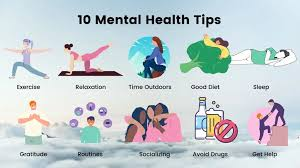
Along with exercise and yoga, other healthy habits enhance their effects. Eating balanced meals rich in fruits, vegetables, and lean proteins supports both physical and mental health. Limiting caffeine and sugar helps avoid mood fluctuations. Getting enough sleep ensures proper recovery, while spending time outdoors or with loved ones strengthens emotional connections.
Avoiding multitasking and practicing time management can also reduce daily stress. Taking short breaks during work, staying hydrated, and maintaining good posture all contribute to a calmer, healthier state of mind.
The Mind-Body Connection
Both exercise and yoga strengthen the mind-body connection. When you move your body, you also shift your mental state. Physical movement helps release stored emotional tension, while controlled breathing and meditation bring awareness and stillness. Over time, these practices train the mind to remain calm even in stressful situations. People who exercise regularly or practice yoga often report better focus, improved mood, and greater emotional control.
Conclusion
Exercise and yoga are natural, effective, and sustainable tools for managing mental stress. They work together to improve physical health, emotional balance, and mental clarity. Regular physical activity releases endorphins and reduces stress hormones, while yoga promotes mindfulness, flexibility, and peace of mind. By committing to a daily routine that includes movement, breathing, and relaxation, anyone can build resilience against stress and lead a calmer, more fulfilling life. Taking time each day for your body and mind is not a luxury—it is a necessity for maintaining overall well-being in today’s busy world.