Introduction
We live in an age where information is everywhere. Every second, people around the world are creating massive amounts of data through smartphones, social media, websites, and smart devices. This explosion of data has given rise to a powerful concept known as Big Data.
Big Data is not just about collecting large volumes of information — it’s about analyzing that information to uncover patterns, make predictions, and guide better decisions. From businesses to governments, healthcare to education, Big Data is transforming the way the world operates.
This article explores what Big Data is, how it works, its benefits, challenges, and its impact on society and innovation.
1. What is Big Data?
The term Big Data refers to extremely large and complex sets of information that cannot be processed by traditional data management tools. Big Data is defined by five key characteristics, often called the 5 Vs:
- Volume – The sheer amount of data being produced every second.
- Velocity – The speed at which data is generated and needs to be analyzed.
- Variety – The many different types of data (text, video, images, audio, etc.).
- Veracity – The accuracy and trustworthiness of the data.
- Value – The usefulness of the data for decision-making.
For example, social media platforms like Facebook or Instagram generate terabytes of data every day through posts, likes, comments, and shares. Companies that can analyze this data effectively can understand customer preferences, predict trends, and improve products or services.
2. Sources of Big Data
Big Data comes from countless sources. Here are some major ones:
- Social Media: Millions of users create posts, videos, and comments daily, producing vast amounts of behavioral data.
- E-commerce: Online shopping sites track customer purchases, searches, and feedback.
- Mobile Devices: Smartphones and apps continuously collect location, usage, and activity data.
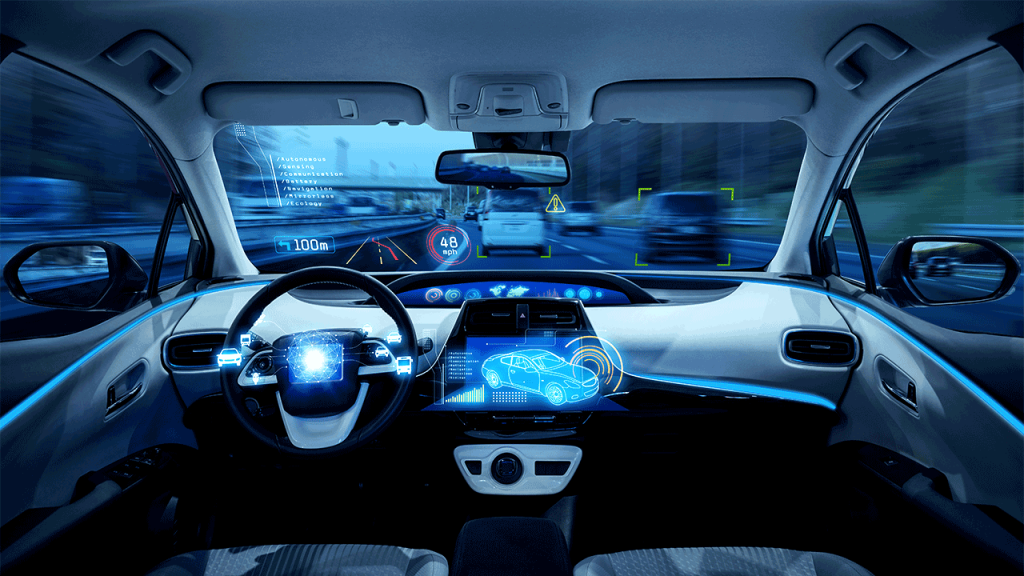
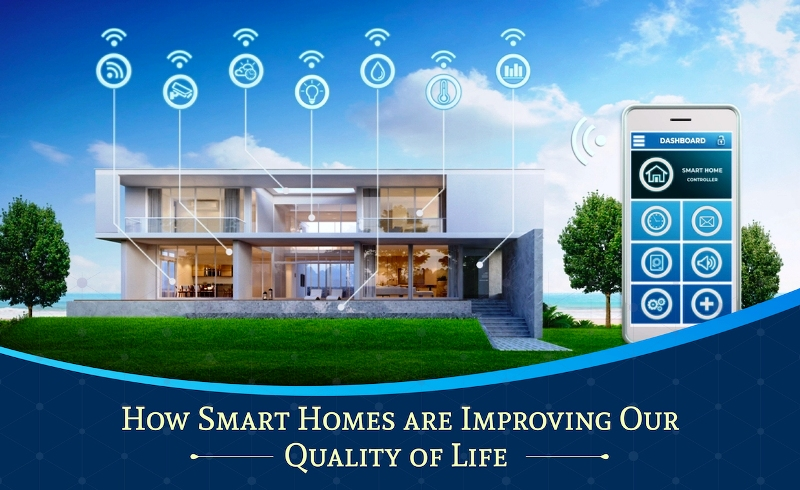
- Sensors and IoT Devices: Smart homes, cars, and cities collect real-time data about the environment, energy use, and movement.
- Healthcare Systems: Hospitals gather patient data from electronic health records, wearables, and medical devices.
- Finance and Banking: Transactions, credit card use, and investment data all contribute to massive data streams.
Together, these sources create a complex web of information that, when analyzed properly, reveals powerful insights about human behavior and global trends.
3. How Big Data Works
To make sense of Big Data, organizations use advanced tools and technologies. The process generally involves three main stages:
a. Data Collection
Data is gathered from various sources such as sensors, websites, or devices. It can be structured (like numbers in a spreadsheet) or unstructured (like videos and social media posts).
b. Data Storage
Once collected, the data is stored in systems like data warehouses or cloud storage platforms (e.g., AWS, Google Cloud, or Microsoft Azure). Because Big Data is massive, storage systems must be scalable and secure.
c. Data Analysis
The most important step is analyzing the data. Tools such as Hadoop, Spark, Python, and machine learning algorithms help find patterns, correlations, and predictions. For example, analyzing traffic data can help predict congestion and improve city planning.
4. The Benefits of Big Data
Big Data offers countless benefits across industries. Let’s explore some of the most important ones:
a. Better Decision-Making
By analyzing customer behavior and market trends, companies can make smarter business decisions. Retailers can predict what products will sell best and when to offer discounts.
b. Personalized Experiences
Streaming services like Netflix and Spotify use Big Data to recommend movies and songs based on user preferences. Similarly, online stores like Amazon personalize shopping experiences for every user.
c. Improved Healthcare
Big Data helps doctors and researchers track diseases, identify health risks, and develop better treatments. For example, analyzing patient data can reveal patterns in heart disease or cancer, leading to faster diagnosis.
d. Fraud Detection
Banks and financial institutions use Big Data to detect unusual patterns in transactions, helping prevent fraud and identity theft.
e. Efficiency and Cost Reduction
Manufacturers use Big Data analytics to monitor equipment performance and predict failures before they happen. This reduces downtime and saves money.
f. Innovation and New Products
By understanding customer needs and preferences, companies can design new and improved products. Big Data drives innovation in industries like technology, fashion, and automotive.
5. Big Data in Everyday Life
Big Data affects our daily lives in many invisible ways. For example:
- Google Maps uses traffic data from millions of phones to provide real-time navigation.
- Healthcare apps monitor sleep, heart rate, and activity, then provide health advice.
- Online ads are targeted based on browsing history and interests.
- Smart cities use data from sensors to manage waste, lighting, and public transport.
In essence, Big Data shapes how we shop, travel, communicate, and even how governments plan for the future.
6. Challenges of Big Data
Despite its many benefits, Big Data comes with challenges:
a. Data Privacy and Security
As more personal information is collected, protecting it becomes harder. Unauthorized access or misuse of data can lead to identity theft or privacy violations.
b. Data Quality
Not all data is accurate or useful. Poor-quality data can lead to wrong conclusions.
c. High Costs and Complexity
Managing and analyzing Big Data requires expensive tools, storage systems, and skilled professionals.
d. Ethical Concerns
Companies must ensure that data is collected and used responsibly. For example, using personal information without consent raises ethical issues.
e. Data Overload
The sheer amount of information can overwhelm organizations, making it hard to identify what’s truly valuable.
7. The Role of Artificial Intelligence and Machine Learning
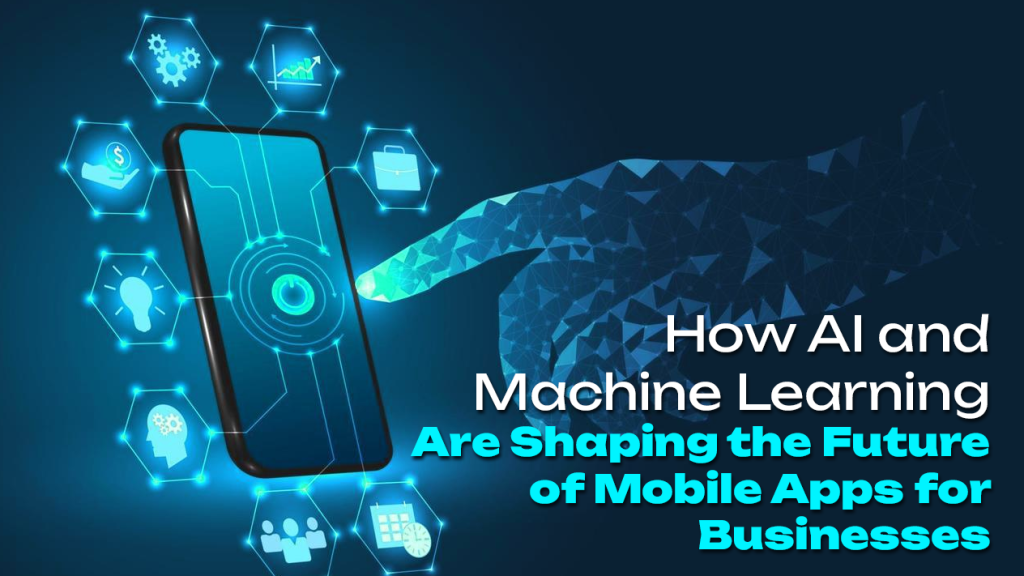
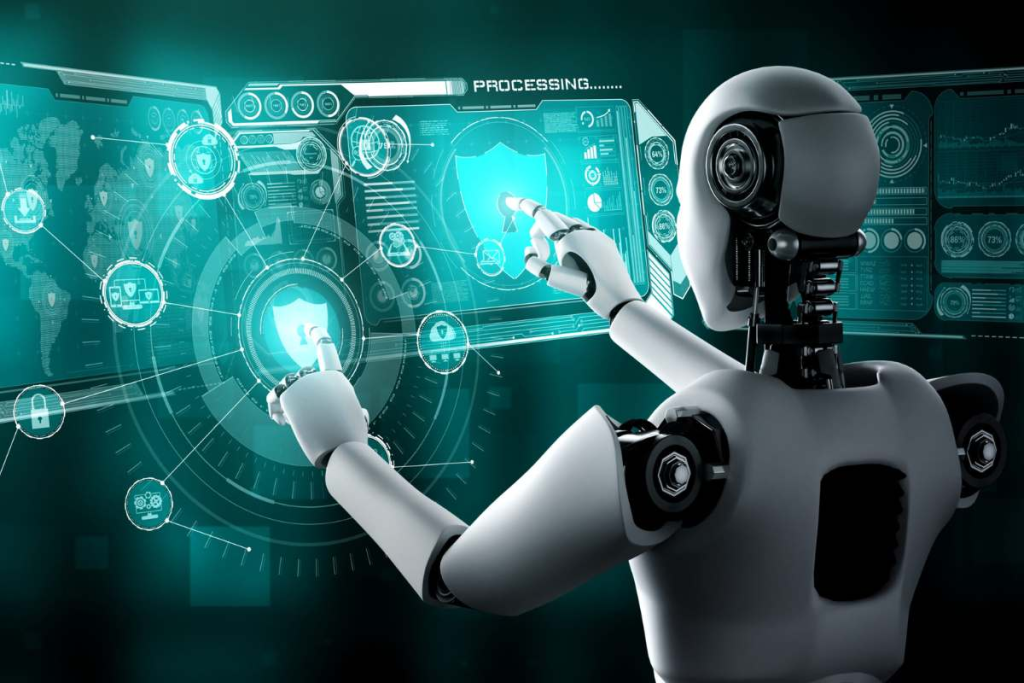
Artificial Intelligence (AI) and Machine Learning (ML) play a major role in Big Data analytics. AI can automatically detect patterns and learn from data without human input.
For instance:
- AI helps doctors analyze X-rays and predict diseases.
- E-commerce platforms use ML to recommend products.
- Banks use AI to detect fraudulent transactions.
As AI improves, data analysis will become faster and more accurate, allowing organizations to act in real time.
8. Big Data and the Future
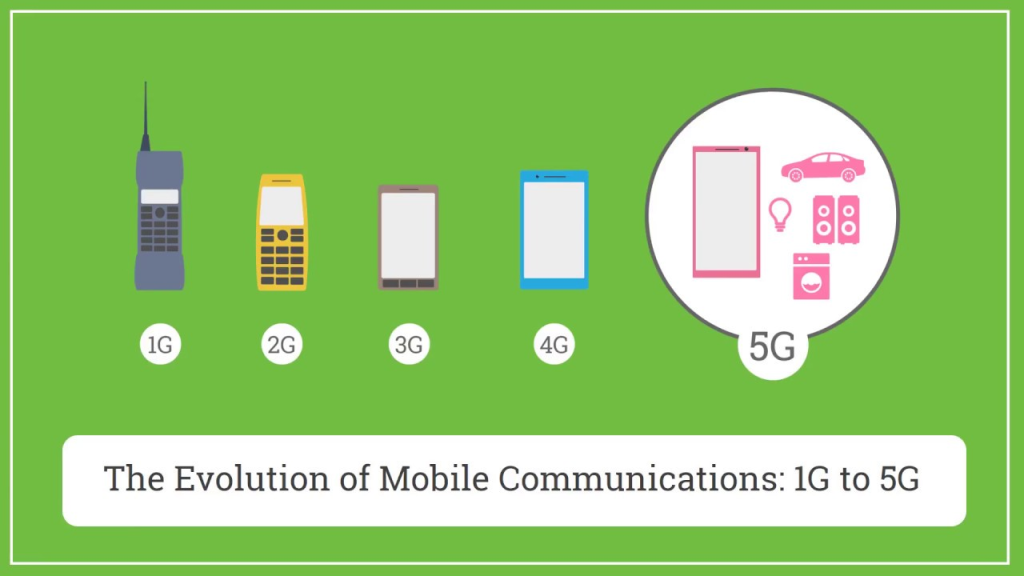
The future of Big Data is full of possibilities. As the Internet of Things (IoT) grows, billions of devices will generate more data than ever before. 5G networks will make data transfer faster, enabling real-time analytics.
In the coming years:
- Businesses will rely heavily on predictive analytics to forecast future trends.
- Governments will use data to improve urban planning and disaster management.
- Education systems will use data to personalize learning for each student.
- Environmental scientists will track climate change more precisely.
In short, Big Data will continue to drive innovation, efficiency, and sustainability in every aspect of life.
9. Ethical and Legal Implications
As Big Data grows, so does the responsibility to use it ethically. Data protection laws like GDPR (General Data Protection Regulation) in Europe ensure that companies handle user data safely and transparently.
Individuals should also be aware of what data they share and how it’s used. The goal should always be to balance progress with privacy, innovation with integrity.
Conclusion
Big Data is more than a technological trend — it’s a powerful force shaping the modern world. It turns information into insight, helping people and organizations make smarter choices.
From predicting diseases to improving customer experiences, from smart cities to climate research, Big Data is driving progress in almost every field.
However, with great power comes great responsibility. The future of Big Data depends on how wisely we collect, analyze, and protect the information that defines our lives. Used responsibly, Big Data has the potential to make the world smarter, safer, and more connected than ever before.