Category: health

  • The Role of Gratitude in Boosting Daily Motivation

    Ever had one of those mornings where you wake up, stare at the ceiling, and just… don’t feel like doing anything? The alarm’s still ringing in your head, the to-do list already feels too long, and your brain’s whispering, “Maybe tomorrow.” We’ve all been there. Motivation feels like this wild animal that shows up when it wants and disappears when you need it the most. But here’s the thing — gratitude might be one of the most underrated ways to call it back.

    Gratitude Isn’t Just Saying “Thanks”

    A lot of people think gratitude is about saying thank you or making a quick list of “3 things I’m grateful for.” That’s part of it, sure. But true gratitude goes deeper — it’s about recognizing the good while acknowledging that life isn’t perfect. It’s the quiet understanding that even on your worst days, there’s something — or someone — worth appreciating.

    Researchers have been digging into this idea for years. Dr. Robert Emmons, one of the leading experts on gratitude psychology, found that people who regularly practice gratitude are not only happier but also more motivated, productive, and resilient. Basically, it changes how your brain filters reality. When you focus on what’s working instead of what’s missing, your energy shifts. Suddenly, getting out of bed doesn’t feel like climbing Mount Everest.

    How Gratitude Fuels Motivation

    Let’s get real here — motivation isn’t just about pep talks or caffeine. It’s emotional fuel. And gratitude, weirdly enough, helps refill that tank. Here’s how:

    1. It Rewires Your Focus

    When you start your day thinking about what you already have instead of what you lack, your brain starts to look for more reasons to feel good. That’s not toxic positivity — it’s reframing.
    For example, being thankful for having a job — even one that’s stressful — shifts your focus from “I hate this workload” to “I’m lucky I get to learn and earn.” That tiny shift can spark the motivation to actually get the work done.

    2. It Lowers Stress and Burnout

    Gratitude activates the parasympathetic nervous system — basically the part of your body that calms you down. When stress levels drop, your mental clarity improves. And when your mind’s not cluttered with anxiety, motivation flows more naturally. You stop pushing yourself out of fear and start moving from a place of appreciation.

    3. It Strengthens Your Sense of Purpose

    Feeling grateful helps you remember why you’re doing what you’re doing. Whether it’s working hard for your family, chasing a dream, or improving yourself, gratitude connects the dots. It keeps your “why” alive when the “how” gets messy.

    4. It Builds Better Relationships — and That Fuels Drive

    When you express gratitude towards others, something amazing happens. People want to help you more. Teams collaborate better. Friendships deepen. And being surrounded by supportive, positive people? That’s pure motivational gold.

    5. It Creates Momentum

    Motivation isn’t lightning — it’s momentum. Gratitude helps you notice small wins. And when you celebrate even tiny victories (“I finished that email!” “I made it to the gym!”), it triggers dopamine, the brain’s reward chemical. That dopamine hit encourages you to do more, try more, and keep moving forward.

    Simple Ways to Practice Gratitude Daily

    You don’t have to meditate for an hour or write poetic journal entries to feel grateful. Sometimes, it’s the small, consistent moments that matter most. Try these:

    • Morning Gratitude Note: Before checking your phone, just think of one thing — one person, one moment — that makes you feel thankful.
    • The Pause Technique: Whenever you feel stressed, pause and name one good thing about that moment. Even something small like, “I have coffee” or “I’m breathing.”
    • Gratitude Jar: Write short notes of good things that happen and toss them in a jar. On bad days, pull one out and remind yourself that life’s not all gloom.
    • Say It Out Loud: Tell people when you appreciate them. Sounds obvious, but most of us forget to actually say it. Gratitude grows stronger when it’s shared.

    The Ripple Effect

    What’s really beautiful about gratitude is how contagious it is. You start appreciating small things, and soon, people around you catch on. The atmosphere shifts — workplaces feel lighter, families argue less, even your inner critic starts softening. Gratitude doesn’t just motivate you; it lifts entire environments.

    Final Thoughts

    Gratitude isn’t magic, but it’s close. It doesn’t erase problems or make hard work easier — it just changes how you see the work, how you handle the problems, and how you move through the day. Motivation, at its core, isn’t about hype or endless positivity. It’s about meaning. And gratitude quietly hands that meaning back to you.Next time you feel drained or uninspired, don’t chase motivation. Pause. Look around. Find one small thing to be grateful for.
    Because sometimes, that’s all it takes to get your fire back.
  • How to Start Again After Losing Motivation Completely

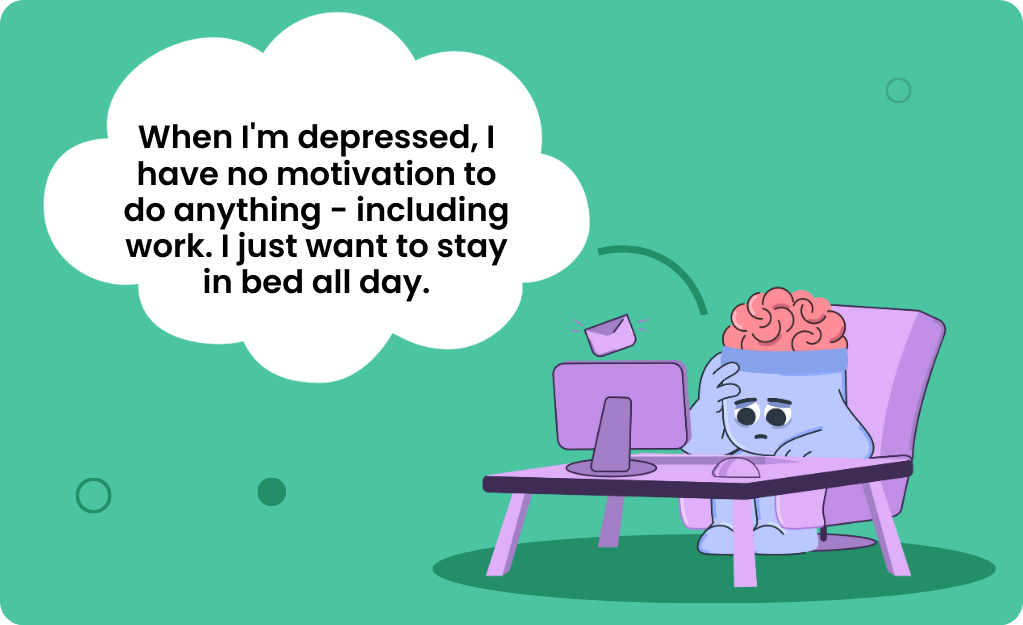
    3 Ways To Boost Motivation To Work When You Feel Depressed – The Depression  Project

    There comes a time — for almost everyone — when you just stop.
    Not because you’re lazy. Not because you don’t care. But because you’ve simply run out of fuel.

    Maybe you were doing great for a while. Grinding. Building. Pushing forward with everything you had. And then one day, it all… stopped making sense. You lost that spark. You started to question why you were even doing any of it.

    It happens to students, entrepreneurs, parents, artists, even the most “driven” people you know.
    Losing motivation doesn’t mean you’ve failed. It means you’re human. But starting again — that’s the hard part.

    So, how do you do it? How do you actually begin again when you feel empty, tired, maybe even a little broken inside?

    Let’s talk about it — honestly.

    1. Accept That You’ve Stopped (and That It’s Okay)

    The first instinct most people have when they lose motivation is guilt.
    You start telling yourself things like:
    “I should be doing more.”
    “I’m wasting my time.”
    “Everyone else is ahead of me.”

    But here’s the truth — that guilt only keeps you stuck. You can’t rebuild your drive from a place of self-blame. You have to start with acceptance.

    You stopped. You lost momentum.
    It happened. So what?

    Take a breath. Step back and admit it: “Yeah, I’ve been off-track. But I can come back.”

    That small acceptance alone shifts your energy. Because now, instead of fighting reality, you’re starting from it.

    2. Reflect, Don’t Regret

    When motivation vanishes, it’s usually trying to tell you something. Sometimes, you’ve been chasing the wrong goal. Sometimes, you’ve just burned out.

    Ask yourself — why did I stop?

    Was it exhaustion?
    Did the goal stop feeling meaningful?
    Did you lose sight of the reason you started?

    Write about it. Talk about it with someone. Don’t analyze to punish yourself, just to understand. Reflection brings clarity, and clarity is what re-ignites direction.

    You might even find that you weren’t lazy — you were simply tired of pretending you cared about something that didn’t fulfill you anymore.

    And that’s a powerful realization.

    3. Shrink Your World (Temporarily)

    When your motivation’s gone, everything feels heavy. Even small things like getting out of bed, replying to messages, or cleaning your desk can feel… massive.

    So don’t aim for “big comeback energy.” Not yet.
    Start small. Tiny even.

    Clean one drawer.
    Write one sentence.
    Go for a five-minute walk.

    The goal isn’t to achieve, it’s to move. Once you move, the energy begins to return.
    Progress — no matter how small — builds momentum.

    Think of it like restarting an old engine. It sputters at first. But with small consistent turns, it warms up again.

    4. Reconnect With Your “Why”

    When motivation dies, it’s usually because the reason behind your actions got lost in the noise.

    You can work hard for months or years, but if you forget why you started — the drive fades.

    Ask yourself:

    • Why did I care about this in the first place?
    • What do I want my life to feel like, not just look like?
    • Who am I doing this for — me, or someone else’s approval?

    Sometimes your “why” changes over time. And that’s okay.
    You’re allowed to evolve. You’re allowed to want something new.

    Reconnecting with your purpose isn’t about forcing motivation — it’s about realignment. Once you align again, energy follows naturally.

    5. Change Your Environment (Even Slightly)

    Your surroundings silently shape your state of mind. If you’ve been stuck in the same room, with the same routine, surrounded by the same reminders of what you “should have done,” your brain associates that space with failure.

    Shift it.

    Rearrange your desk. Go work from a café. Add a new scent to your room. Declutter. Even something as small as opening the window every morning can reset your mental space.

    A fresh environment tells your mind, “We’re starting over now.”

    6. Focus on Systems, Not Motivation

    Here’s a harsh but honest truth — motivation is unreliable. It’s like weather; it changes. You can’t depend on it.

    What you can depend on is a system.
    A routine that works even when you don’t feel like it.

    Instead of waiting to “feel ready,” build small, repeatable habits.
    Things that don’t rely on emotion but on structure.

    Example:

    • Write every morning for 10 minutes, not “until I’m inspired.”
    • Go to the gym for just 20 minutes, not “until I feel pumped.”
    • Study one page, not “until I’m focused.”

    Once the system’s in place, motivation will eventually show up again — because action breeds motivation, not the other way around.

    7. Let Go of the “Old You”

    Maybe you’re trying to get back to who you used to be. That version of you who was full of drive and excitement and endless energy.

    But maybe that person doesn’t exist anymore — and that’s not a bad thing.

    You’ve grown. You’ve been through things. You’ve changed. You can’t rebuild your life by clinging to an old version of yourself.

    Start where you are.
    With who you are.
    Now.

    Because the new you might be quieter, wiser, slower — but more intentional. And that’s something worth embracing.

    8. Surround Yourself With Energy You Want to Absorb

    Humans are mirrors. The people, content, and environments around you shape your energy — whether you notice it or not.

    So pay attention to what (and who) you’re feeding on.

    Follow creators who inspire instead of pressure you. Spend time with people who make you feel capable, not guilty. Listen to things that lift your energy.

    Energy is contagious. Borrow it until you find your own again.

    9. Don’t Wait to Feel Ready

    You might never feel “ready” to start again. Most people don’t.

    The trick is to begin before you feel ready.
    Because waiting for perfect energy is just another form of procrastination.

    Do it awkwardly. Do it tired. Do it messy.
    But just — do it.

    You’ll find that the act of moving, even imperfectly, brings back a sense of control.
    And that control slowly rebuilds your confidence.

    10. Remember: It’s Not a Straight Line

    Progress isn’t linear.
    You’ll restart, stop again, fall, restart again — maybe a hundred times.

    But every time you restart, you’re not starting from zero. You’re starting from experience.
    You’ve learned something about yourself each time.

    The truth is, life is just a series of restarts.
    And every “I’ll try again” is a quiet form of courage.

    Final Thoughts

    Losing motivation isn’t a sign of weakness — it’s a sign that something inside you needs attention.
    Maybe rest. Maybe change. Maybe rediscovery.

    You don’t have to force your comeback. You just have to take one honest, shaky step. Then another.

    Eventually, the spark comes back. Not the same as before — but deeper.
    Because now it’s built from understanding, not just adrenaline.

    And that’s how you truly start again.

  • Techniques to Maintain Motivation After Rejection

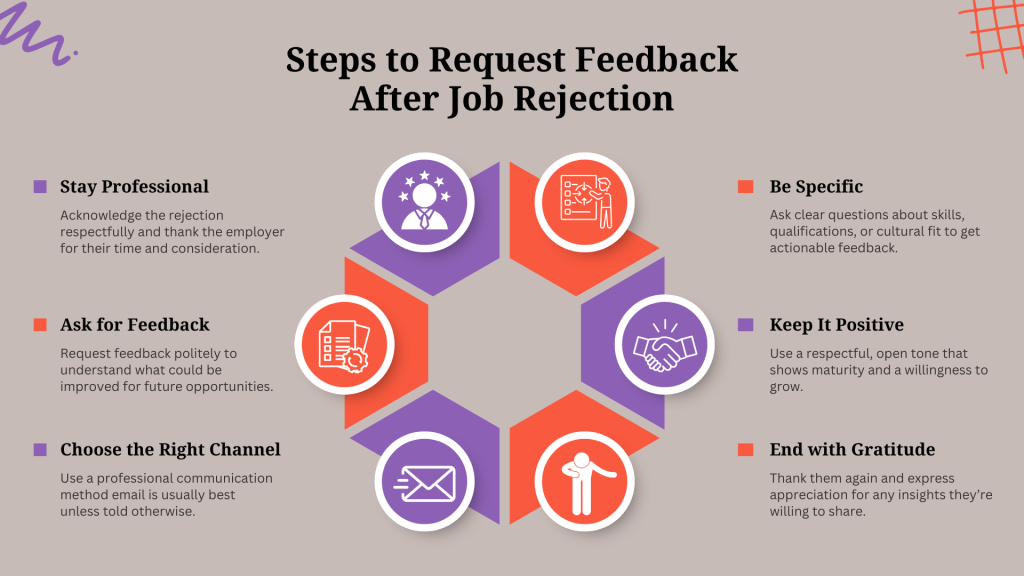
    Rejection. It’s one of those words that can sting just by hearing it. Whether it’s a job you didn’t get, a business pitch that fell flat, or a relationship that didn’t work out — rejection hits at the core of our self-worth. And it’s completely normal to feel discouraged afterward. The real challenge, though, isn’t avoiding rejection. It’s learning how to stay motivated despite it.

    Let’s be honest — nobody handles rejection perfectly. Even the most successful people have moments of doubt. But what separates them from those who give up is how they respond to that moment of disappointment. Below are a few powerful, grounded techniques that can help you maintain motivation after rejection and, perhaps, even grow stronger from it.

    1. Feel the Emotion, Don’t Fight It

    The first instinct after rejection is often to brush it off or pretend it doesn’t matter. But here’s the truth — it does matter. You cared. You tried. And it didn’t go the way you hoped.
    Allow yourself to feel that. Cry if you need to, rant, write down what you’re feeling — whatever helps you release that emotional pressure.

    Suppressing emotions might make you appear strong, but it usually backfires later. Acknowledging your disappointment actually helps you heal faster. Once you’ve processed it, you’ll be ready to think clearly about what’s next.

    2. Separate Self-Worth from the Outcome

    One of the harshest effects of rejection is how easily it can make you question your value. But remember — rejection is feedback, not a verdict. It doesn’t mean you’re not capable or not enough; it simply means that particular situation wasn’t the right fit.

    Think of it this way: a publisher rejecting a book doesn’t mean it’s a bad book. It just means it didn’t match their list or their audience. Same with a job interview or a business deal — sometimes the timing, budget, or expectations just don’t line up.

    Try this exercise: write down three things you’re proud of accomplishing — big or small. Reading that list when you’re feeling low reminds you that one “no” can’t erase your overall worth.

    3. Reflect, Don’t Ruminate

    It’s natural to replay the event in your head — what you said, what you could’ve done differently. But there’s a thin line between reflection and rumination.
    Reflection helps you learn. Rumination keeps you stuck.

    Ask yourself constructive questions:

    • “What can I learn from this experience?”
    • “Was there anything I could improve next time?”
    • “Was the rejection actually redirecting me toward something better?”

    You’ll notice the difference — reflection brings clarity and growth, while rumination just drains your motivation.

    4. Redefine the Meaning of Rejection

    Here’s something that might sound cliché but is deeply true — rejection often acts as redirection. Think of how many successful people faced countless “no’s” before their breakthrough. J.K. Rowling was rejected a dozen times before Harry Potter got published. Steve Jobs was fired from his own company before creating the iPod.

    Try reframing rejection as part of your training ground. Every “no” sharpens your emotional endurance, helps you adapt, and sometimes saves you from something that wasn’t meant for you.

    When you redefine rejection as information — not failure — you take back your power.

    5. Take a Step Forward, Even a Small One

    Momentum kills discouragement. After facing rejection, the worst thing you can do is stop moving entirely. Take a small step forward — apply for another opportunity, reach out to a mentor, or simply revisit your goals and tweak them.

    Motivation doesn’t always come before action. Sometimes it’s the other way around. You take a step first, and then motivation slowly comes back. It’s like reigniting a fire — one spark at a time.

    6. Surround Yourself with the Right People

    When you’re feeling defeated, it’s easy to isolate yourself. But isolation can deepen that sense of rejection. Reach out to people who genuinely support you — friends, mentors, even online communities where others share their rejection stories.

    Hearing that others have been where you are and still found success can be incredibly healing. It reminds you that rejection isn’t personal — it’s universal.

    Also, avoid people who make you feel “less than.” During recovery from rejection, your mental environment matters more than ever.

    7. Reconnect With Your “Why”

    Rejection can shake your confidence, but reconnecting with your purpose brings it back. Why did you start chasing this goal in the first place? What made it meaningful to you?

    When you focus on the deeper reason behind your efforts, one rejection becomes just a small bump on a long road. Purpose fuels resilience. It reminds you that even though the outcome hurt, the journey still holds value.

    Try journaling your “why” — not just in logical terms, but emotionally. Why does it matter to you personally? When you rediscover that connection, your motivation naturally revives.

    8. Practice Self-Compassion, Not Harsh Self-Talk

    It’s tempting to beat yourself up after rejection — “I should’ve done better,” “I’m not cut out for this.” But self-criticism rarely drives progress. It actually makes your brain more fearful of future risk-taking.

    Try speaking to yourself the way you’d talk to a close friend who just faced rejection. You’d probably say something like, “Hey, it’s okay. You tried your best. You’ll get another shot.”
    That’s compassion — and it’s not weakness. It’s emotional strength in disguise.

    9. Keep a “Rejection Journal”

    This one’s unconventional but powerful. Create a small notebook (or digital file) where you document your rejections — who/what rejected you, how it felt, what you learned, and what you did next.

    Over time, this journal becomes a record of resilience. You’ll start seeing patterns — not just of rejection, but of growth. It helps you detach emotionally and view rejection as data instead of personal defeat.

    10. Remember: Success Is Built on Rejection

    Every story of triumph has rejection woven into it. The difference between those who succeed and those who stop isn’t talent — it’s persistence. Every rejection tests how much you truly want it.
    And if you keep going despite it — that’s what builds character.

    You might not see it now, but one day you’ll look back and realize that rejection was the plot twist that led you somewhere far better than what you thought you lost.

    Final Thoughts

    Rejection doesn’t define you — your response to it does.
    Feeling hurt is natural, but staying down is optional. Take it as a sign that you’re trying, that you’re putting yourself out there. That’s bravery.
    And every brave person faces rejection. It’s the price of growth.So next time you hear “no,” take a deep breath and whisper to yourself: “Alright. Next step.”
    Because every “no” is just getting you closer to that one life-changing “yes.”

  • How to Reignite Passion for Your Goals After Burnout

    You know that feeling when you wake up and everything just… feels heavy?
    The dream you once chased with fire in your chest suddenly feels like a burden. You’re not lazy, you’re not weak — you’re just burnt out. It happens to the best of us. Maybe you worked too hard. Maybe life threw too many things at once. Or maybe, your heart just got tired of fighting for something that stopped feeling alive.

    But here’s the truth: passion doesn’t disappear. It fades. It hides under exhaustion, fear, and unmet expectations — but it’s still there, quietly waiting to be rediscovered.

    Let’s talk about how to find it again.

    1. Pause Before You Push Forward

    Sometimes the most productive thing you can do… is stop.
    That sounds strange, right? We’re taught that progress means motion. But after burnout, motion without reflection only makes things worse.

    Take a step back. Breathe. Let yourself not care for a bit. Seriously. You don’t need to force the spark right away. You can’t pour from an empty cup — and right now, your cup is cracked and dry.

    Rest is not quitting. It’s rebuilding.

    2. Revisit Your “Why” — But Be Brutally Honest

    What made you start in the first place? Was it love, curiosity, a dream of freedom? Or maybe pressure, comparison, or survival?

    Here’s where most people mess up — they chase old goals that don’t fit their new self.
    Burnout changes you. You grow. You see things differently. So when you try to push toward the same vision with an evolved mindset, it doesn’t click anymore.

    Write down your “why.” Then ask yourself — does this still feel true?
    If it doesn’t, it’s okay to rewrite your story.

    3. Start Small. Smaller Than You Think.

    You don’t rebuild passion by making grand plans. You rebuild it by making tiny movements.
    One page written. One workout done. One email sent.

    The goal isn’t to feel fireworks again. It’s to remind yourself that you’re capable. Momentum doesn’t come from massive motivation — it comes from micro actions.

    Think of passion as a campfire. It won’t reignite with a flamethrower. It starts with one spark, one dry twig, and a gentle breath.

    4. Let Go of the Guilt

    This one’s hard. You might look at others who seem unstoppable — and wonder, what’s wrong with me?
    But here’s the thing: burnout often happens to people who care too much. You gave everything you had. That’s not failure. That’s love.

    Be kind to yourself. Forgive yourself for slowing down. You’re not broken, you’re human.

    5. Change Your Environment, Change Your Energy

    Sometimes it’s not the dream that’s the problem — it’s the environment surrounding it.
    If you’re always working in the same space, around the same energy, your brain starts associating that with fatigue.

    Try switching things up.
    Go for a walk in the morning. Work from a café for a day. Rearrange your workspace.
    A small shift in environment can jolt your creativity back to life.

    6. Reconnect With Curiosity, Not Obligation

    When passion dies, curiosity can revive it.
    Ask yourself — what feels interesting right now? Not what you should do, but what makes your brain go, “hmm, maybe I’ll check that out.”

    Let curiosity lead you without expectation. That’s how you find joy again — in exploration, not performance.

    7. Talk About It — Out Loud

    You’d be surprised how healing it is to talk about burnout honestly.
    Not in the “I’m fine” way, but really talk about it. Tell someone, “I’m exhausted. I feel lost. I don’t even know if I love this anymore.”

    When you say it out loud, the shame loses power.
    And often, you’ll realize you’re not alone — almost everyone you admire has felt this too.

    8. Redefine Success

    Maybe your old definition of success is what burned you out.
    The constant hustle, the numbers, the expectations — it never ends.

    What if success wasn’t about speed, but about alignment?
    About building something that matches who you are now, not who you were five years ago.

    You’re allowed to evolve your dreams. That’s not giving up — that’s growing up.

    9. Remember: Passion Is a Practice

    People think passion is this magical feeling that either exists or it doesn’t. It’s not.
    Passion is built — through repetition, curiosity, and care. Some days it’ll burn bright. Other days it’ll barely flicker. That’s okay. The goal isn’t to be “on fire” all the time. The goal is to keep the light alive, even when it’s small.

    10. Give Yourself Permission to Begin Again

    At some point, you’ll wake up and feel it — that quiet nudge that says, “I think I’m ready.”
    When that day comes, start again. Not from where you left off, but from where you are now.

    You’re not the same person who burned out. You’re wiser. Softer. Stronger in quiet ways.

    Don’t chase your old fire. Build a new one.

    Final Thought

    Burnout isn’t the end of your story — it’s a plot twist.
    Sometimes, losing passion is how life nudges you toward something more authentic.So rest, reflect, and then… start again. Slowly. Gently.
    Because your passion isn’t gone forever — it’s just waiting for you to come home.

  • How to Motivate Yourself Without External Rewards

    We all like rewards.
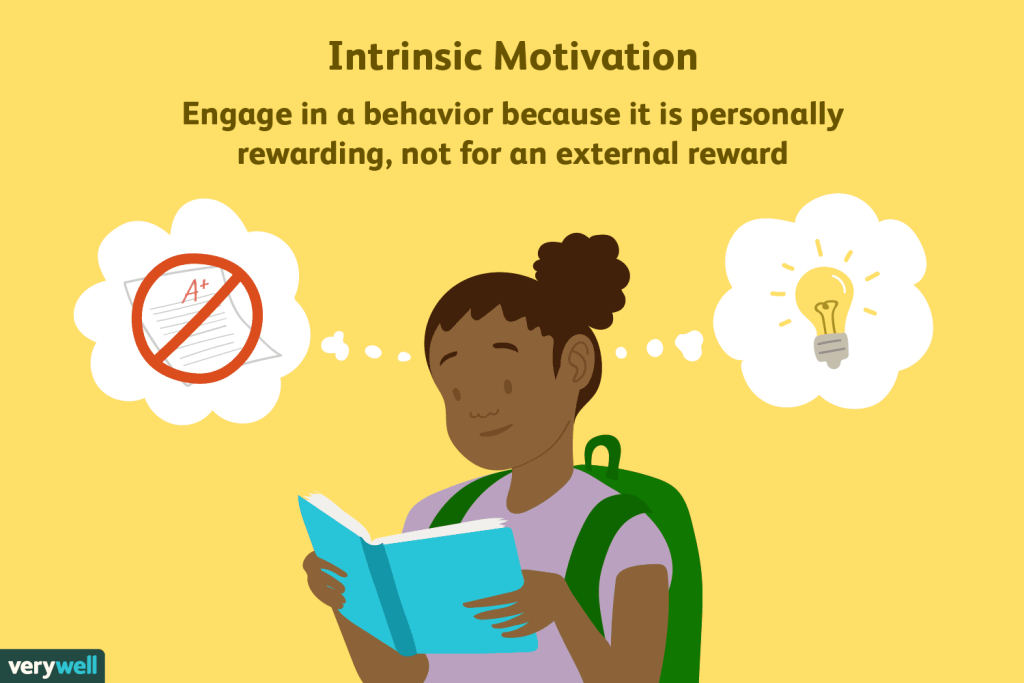
    A bonus. A compliment. That satisfying checkmark on the to-do list. They give us a quick hit of motivation — proof that what we’re doing matters. But what happens when the rewards disappear? When there’s no one watching, no praise, no paycheck waiting on the other side?

    That’s where real motivation comes in — the kind that doesn’t depend on anyone else.

    It’s not easy. But it’s possible. And when you learn how to drive yourself without dangling a carrot in front of your face, something changes. You stop running on fumes. You start running on purpose.

    1. Remember Why You Started

    It sounds cliché, but that “why” really is the core of everything.
    If your only reason for doing something is a reward — money, approval, likes — you’ll eventually burn out. But if there’s a deeper reason behind your action, something tied to your identity or values, it fuels you differently.

    Ask yourself:

    • Why does this matter to me?
    • What do I want to feel proud of when no one’s around?
    • If nobody ever noticed, would I still want this?

    Write the answers down. Keep them close. Because on the days you don’t “feel” motivated, your why is the thing that drags you out of bed.

    2. Fall in Love With the Process (Not Just the Goal)

    This is one of those truths that takes a while to really sink in.
    The process — the small daily grind, the part nobody posts on social media — that’s where growth actually happens. The goal is just a side effect.

    If you can learn to appreciate the doing instead of just the getting, motivation becomes sustainable.
    For example, if you’re trying to get fit, enjoy the stretch, the sweat, the quiet focus during your workout. Not just the number on the scale.

    It’s weird, but when you focus less on results, results often come faster.

    3. Create Small Wins (Even Invisible Ones)

    You don’t always need a trophy. Sometimes you just need progress you can feel.
    Breaking big goals into micro-goals gives your brain a steady stream of accomplishment. That little rush of “I did something” is addictive — and unlike external rewards, it’s completely under your control.

    Try this:
    Instead of saying, “I need to write a book,” say, “I’ll write for 15 minutes today.”
    Instead of “I need to lose 10 pounds,” say, “I’ll drink water instead of soda today.”

    When you stack small wins, they quietly build momentum. And that momentum becomes motivation.

    4. Be Your Own Coach, Not Your Critic

    You can’t hate yourself into discipline.
    Most people try — they guilt themselves, they compare, they think if they’re “hard enough” on themselves, they’ll do better next time. But that approach drains energy. Motivation dies in shame.

    Try being your own coach instead. The kind who pushes you but also believes in you.
    Talk to yourself like someone you care about. When you mess up, don’t spiral — ask what went wrong and what you’ll do differently tomorrow.
    Forgive yourself quickly. Then move forward.

    It sounds soft, but it’s actually strength. Real inner drive needs kindness, not punishment.

    5. Build Systems That Don’t Depend on Mood

    Motivation is unreliable. Systems aren’t.
    Even the most self-disciplined people have days they don’t feel like it. The difference is they have structures that carry them through the low-energy moments.

    Create routines and habits so your progress doesn’t rely on “feeling motivated.”
    Set specific times for tasks. Use checklists. Automate decisions when you can.
    For example, lay your workout clothes out the night before. Schedule focus blocks on your calendar. When the path is clear, you don’t have to argue with yourself about what to do next — you just do it.

    That’s how professionals operate — not because they’re always inspired, but because they’ve built systems that don’t give them a choice.

    6. Learn to Sit With Boredom

    Here’s something we rarely admit: most meaningful work is boring.
    Repetitive. Slow. Sometimes lonely.
    We chase dopamine from notifications, from novelty, from “what’s next” — but the truth is, success lives in the dull parts. The quiet consistency nobody sees.

    Learning to sit with boredom — to keep going when it’s not fun — is one of the most underrated skills you can build.
    You don’t have to love it. You just have to get comfortable being uncomfortable.

    Discipline grows in the moments when quitting feels easier.

    7. Reframe the Way You See Effort

    Many of us treat effort like a punishment.
    We think, “This is hard, so something must be wrong.” But in reality, effort is proof you’re stretching your limits. It’s not a sign of failure — it’s a signal of growth.

    Start viewing hard work as a privilege, not a punishment.
    You get to do this. You get to build yourself. That subtle mindset shift changes everything.

    8. Visualize the Future You

    It might sound a bit “woo-woo,” but visualization works — not because of magic, but because it makes your brain familiar with success.
    Picture the person you want to become. How do they walk, think, talk, make decisions?

    Then start behaving like that person now, not “one day.”
    Motivation grows when your actions align with your identity.

    You’re no longer “trying.” You’re becoming.

    Final Thoughts

    Motivating yourself without external rewards isn’t about pretending you don’t need validation or success. We’re human — we all like those things. It’s about learning to move even when those things aren’t there.

    It’s messy. Some days you’ll slip. Some days you’ll wonder why you’re doing this at all.
    But if you keep showing up, if you keep reminding yourself of your why, one day you’ll realize something powerful —You don’t need anyone else to push you anymore.
    You’ve become your own engine.