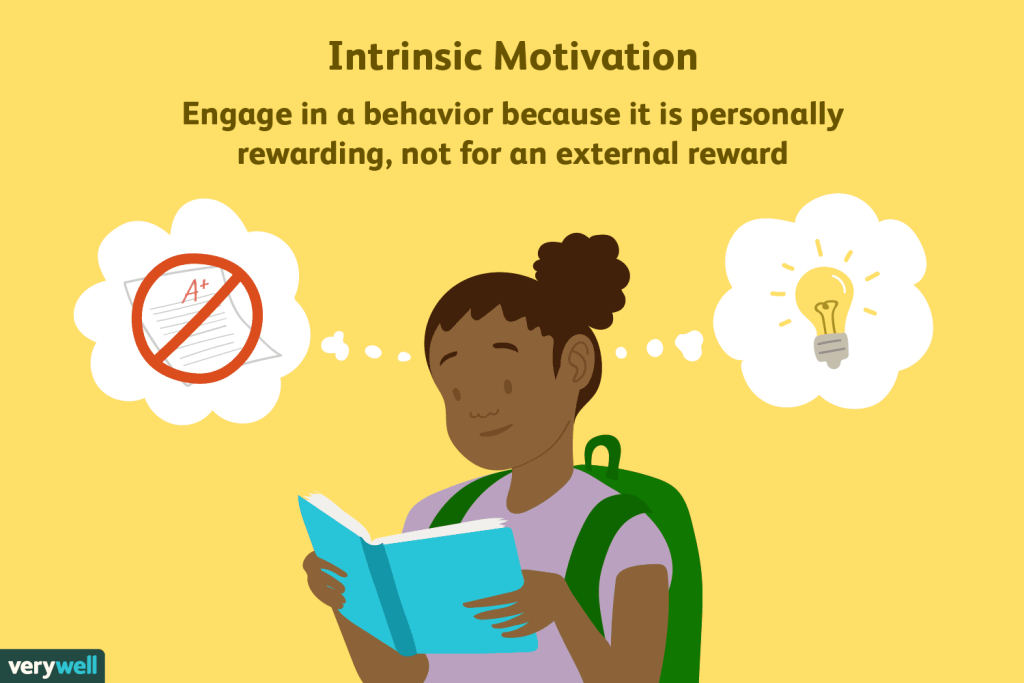
We all like rewards.
A bonus. A compliment. That satisfying checkmark on the to-do list. They give us a quick hit of motivation — proof that what we’re doing matters. But what happens when the rewards disappear? When there’s no one watching, no praise, no paycheck waiting on the other side?
That’s where real motivation comes in — the kind that doesn’t depend on anyone else.
It’s not easy. But it’s possible. And when you learn how to drive yourself without dangling a carrot in front of your face, something changes. You stop running on fumes. You start running on purpose.
1. Remember Why You Started
It sounds cliché, but that “why” really is the core of everything.
If your only reason for doing something is a reward — money, approval, likes — you’ll eventually burn out. But if there’s a deeper reason behind your action, something tied to your identity or values, it fuels you differently.
Ask yourself:
- Why does this matter to me?
- What do I want to feel proud of when no one’s around?
- If nobody ever noticed, would I still want this?
Write the answers down. Keep them close. Because on the days you don’t “feel” motivated, your why is the thing that drags you out of bed.
2. Fall in Love With the Process (Not Just the Goal)
This is one of those truths that takes a while to really sink in.
The process — the small daily grind, the part nobody posts on social media — that’s where growth actually happens. The goal is just a side effect.
If you can learn to appreciate the doing instead of just the getting, motivation becomes sustainable.
For example, if you’re trying to get fit, enjoy the stretch, the sweat, the quiet focus during your workout. Not just the number on the scale.
It’s weird, but when you focus less on results, results often come faster.
3. Create Small Wins (Even Invisible Ones)
You don’t always need a trophy. Sometimes you just need progress you can feel.
Breaking big goals into micro-goals gives your brain a steady stream of accomplishment. That little rush of “I did something” is addictive — and unlike external rewards, it’s completely under your control.
Try this:
Instead of saying, “I need to write a book,” say, “I’ll write for 15 minutes today.”
Instead of “I need to lose 10 pounds,” say, “I’ll drink water instead of soda today.”
When you stack small wins, they quietly build momentum. And that momentum becomes motivation.
4. Be Your Own Coach, Not Your Critic
You can’t hate yourself into discipline.
Most people try — they guilt themselves, they compare, they think if they’re “hard enough” on themselves, they’ll do better next time. But that approach drains energy. Motivation dies in shame.
Try being your own coach instead. The kind who pushes you but also believes in you.
Talk to yourself like someone you care about. When you mess up, don’t spiral — ask what went wrong and what you’ll do differently tomorrow.
Forgive yourself quickly. Then move forward.
It sounds soft, but it’s actually strength. Real inner drive needs kindness, not punishment.
5. Build Systems That Don’t Depend on Mood
Motivation is unreliable. Systems aren’t.
Even the most self-disciplined people have days they don’t feel like it. The difference is they have structures that carry them through the low-energy moments.
Create routines and habits so your progress doesn’t rely on “feeling motivated.”
Set specific times for tasks. Use checklists. Automate decisions when you can.
For example, lay your workout clothes out the night before. Schedule focus blocks on your calendar. When the path is clear, you don’t have to argue with yourself about what to do next — you just do it.
That’s how professionals operate — not because they’re always inspired, but because they’ve built systems that don’t give them a choice.
6. Learn to Sit With Boredom
Here’s something we rarely admit: most meaningful work is boring.
Repetitive. Slow. Sometimes lonely.
We chase dopamine from notifications, from novelty, from “what’s next” — but the truth is, success lives in the dull parts. The quiet consistency nobody sees.
Learning to sit with boredom — to keep going when it’s not fun — is one of the most underrated skills you can build.
You don’t have to love it. You just have to get comfortable being uncomfortable.
Discipline grows in the moments when quitting feels easier.
7. Reframe the Way You See Effort
Many of us treat effort like a punishment.
We think, “This is hard, so something must be wrong.” But in reality, effort is proof you’re stretching your limits. It’s not a sign of failure — it’s a signal of growth.
Start viewing hard work as a privilege, not a punishment.
You get to do this. You get to build yourself. That subtle mindset shift changes everything.
8. Visualize the Future You
It might sound a bit “woo-woo,” but visualization works — not because of magic, but because it makes your brain familiar with success.
Picture the person you want to become. How do they walk, think, talk, make decisions?
Then start behaving like that person now, not “one day.”
Motivation grows when your actions align with your identity.
You’re no longer “trying.” You’re becoming.
Final Thoughts
Motivating yourself without external rewards isn’t about pretending you don’t need validation or success. We’re human — we all like those things. It’s about learning to move even when those things aren’t there.
It’s messy. Some days you’ll slip. Some days you’ll wonder why you’re doing this at all.
But if you keep showing up, if you keep reminding yourself of your why, one day you’ll realize something powerful —You don’t need anyone else to push you anymore.
You’ve become your own engine.
Leave a Reply