Category: health

  • Child Health: Preventive Measures and Nutrition Tips

    Child health is one of the most important aspects of family well-being. The early years of life play a major role in shaping a child’s physical, emotional, and cognitive development. Building healthy habits during childhood not only supports growth but also protects against diseases later in life. Parents, caregivers, and teachers all play a role in ensuring children develop in a safe, nurturing, and healthy environment. This article explains effective preventive measures and nutritional tips to keep children healthy and strong.

    The Importance of Preventive Health Care
    Prevention is always better than cure, and this principle applies especially to children. Early prevention helps avoid infections, malnutrition, and long-term health problems. Regular health check-ups are essential for tracking growth patterns, detecting any developmental delays, and ensuring vaccinations are up to date. Parents should maintain a child’s vaccination schedule as recommended by health professionals, since vaccines protect against life-threatening diseases such as measles, polio, and hepatitis.

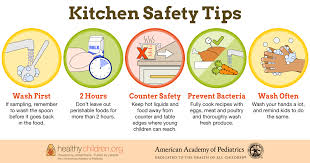
    Another key preventive measure is hygiene. Teaching children proper hygiene habits—such as washing hands before meals, brushing teeth twice a day, and bathing regularly—helps reduce the risk of infections. Clean surroundings, safe drinking water, and proper waste disposal also play a vital role in keeping children healthy.

    Healthy Nutrition for Growing Children
    Nutrition is the foundation of good health in children. A balanced diet provides the essential nutrients required for growth, immunity, and brain development. Children need a variety of foods from all food groups—grains, proteins, fruits, vegetables, and dairy—to ensure they receive all vitamins and minerals.

    Proteins are crucial for muscle and tissue development. Lean meats, fish, eggs, lentils, beans, and dairy products are excellent sources. Carbohydrates, found in whole grains like rice, oats, and wheat, provide energy for active children. Healthy fats such as those from nuts, seeds, and olive oil are also important for brain and nerve function.

    Fruits and vegetables supply fiber, vitamins, and antioxidants that boost immunity and support digestive health. Children should eat a colorful variety of fruits and vegetables daily. Calcium and vitamin D are essential for bone growth, so dairy products, fortified foods, and safe sunlight exposure are important parts of a child’s routine.

    Encouraging Healthy Eating Habits
    Developing healthy eating habits early in life prevents obesity and other diet-related diseases. Parents can model positive behavior by eating healthy foods themselves. Meals should be served at regular times, and family dining should be encouraged to promote mindful eating. Avoid using sweets or junk food as rewards because this can create unhealthy emotional associations with food.

    Children should also learn to drink enough water throughout the day. Soft drinks and energy beverages are high in sugar and should be avoided. For picky eaters, creative meal preparation—such as combining vegetables into colorful dishes or smoothies—can help increase nutrient intake without forcing food.

    Physical Activity and Outdoor Play
    Regular physical activity is essential for a child’s healthy development. Exercise strengthens bones and muscles, supports heart health, and helps maintain a healthy weight. It also improves coordination and mental well-being. Children should be encouraged to play outside for at least an hour daily. Activities like cycling, running, swimming, or playing sports promote fitness while making exercise fun.

    Limiting screen time is equally important. Excessive use of televisions, smartphones, or tablets can lead to physical inactivity, poor posture, and sleep problems. Setting time limits for screens and encouraging outdoor play, reading, or creative hobbies creates a balanced routine.

    Sleep and Rest
    Adequate sleep is critical for children’s growth and development. During sleep, the body repairs tissues, strengthens the immune system, and supports learning and memory. Lack of sleep can cause irritability, reduced attention, and weakened immunity. School-aged children need about 9 to 11 hours of sleep per night. Establishing a regular bedtime routine and avoiding screens before bed help improve sleep quality.

    Emotional and Mental Well-being
    Good mental health is just as important as physical health. Children need emotional support and a sense of security to grow with confidence. Parents should listen to their children, encourage open communication, and spend quality time with them. Emotional stress can come from academic pressure, bullying, or family issues, so recognizing signs of distress early is important.

    Encouraging creative expression through art, reading, or outdoor play can reduce stress. Teaching relaxation techniques, positive self-talk, and empathy helps children build resilience and handle challenges effectively.

    Preventing Common Childhood Illnesses
    Most childhood illnesses are preventable through good hygiene and proper care. Washing hands frequently, maintaining clean surroundings, and ensuring children have clean drinking water significantly lower the risk of infections. Avoid sharing personal items like towels, water bottles, or utensils to prevent the spread of germs.

    Maintaining a healthy diet rich in vitamins C and E strengthens the immune system. Regular exercise and proper sleep also help the body resist infections. Parents should watch for early signs of illness, such as fever, cough, or fatigue, and seek medical attention promptly rather than relying on self-medication.

    Dental Care
    Oral health is often neglected but is an essential part of overall child health. Brushing teeth twice a day with fluoride toothpaste and visiting the dentist regularly helps prevent cavities and gum disease. Limiting sugary snacks and drinks also supports dental hygiene. Teaching children proper brushing and flossing techniques from an early age develops lifelong habits.

    Safety at Home and School
    Preventing injuries is another aspect of child health. At home, ensure that electrical sockets, medicines, and cleaning products are out of reach. Provide safe play spaces and use age-appropriate toys. At school, teachers should ensure safe physical environments and encourage children to follow safety rules. Wearing helmets while cycling and using seat belts in cars can prevent serious injuries.

    Parental Involvement and Awareness
    Parents play the most important role in maintaining child health. Regular communication with teachers and doctors helps track the child’s physical and mental development. Awareness about nutrition, hygiene, and emotional well-being ensures that problems are identified early. Parents should encourage questions, guide their children toward healthy decisions, and serve as positive examples in daily life.

    Conclusion
    Child health depends on a combination of good nutrition, preventive care, physical activity, and emotional support. A well-balanced diet strengthens the immune system and promotes growth, while regular exercise and hygiene habits keep illnesses away. Parents and caregivers should focus on creating a safe, loving, and disciplined environment that nurtures both the body and mind. By investing time and attention in preventive measures and nutrition, we ensure that children grow into healthy, happy, and responsible adults capable of leading fulfilling lives.
  • Simple Methods to Lose Weight Effectively

    Introduction

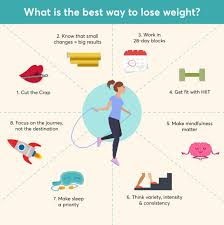
    Losing weight is one of the most common health goals, yet many people find it challenging to achieve and maintain. The problem often lies in unrealistic diets, inconsistent routines, and a lack of understanding of how the body works. Effective weight loss does not happen overnight—it requires a combination of healthy eating, regular exercise, and consistent lifestyle habits. Fortunately, there are simple and sustainable methods that can help you lose weight naturally while improving overall health. This article explains practical strategies to shed extra pounds safely and maintain long-term results.

    1. Understand How Weight Loss Works

    Weight loss occurs when you burn more calories than you consume. This is known as a calorie deficit. However, the goal should not be extreme restriction but rather a balanced approach that promotes fat loss while preserving muscle mass. When you eat nutrient-dense foods and stay physically active, your metabolism becomes more efficient, and weight loss happens naturally. Understanding your body’s needs is the first step toward successful and lasting results.

    2. Eat a Balanced Diet

    A balanced diet provides the body with essential nutrients while keeping calorie intake under control. Focus on whole, unprocessed foods such as vegetables, fruits, lean proteins, whole grains, and healthy fats. Avoid or limit foods high in sugar, refined flour, and unhealthy fats.

    Key principles of a balanced diet include:

    • Fill half your plate with vegetables and fruits.
    • Include lean protein sources such as chicken, fish, eggs, tofu, or beans.
    • Choose whole grains like brown rice, oats, and quinoa.
    • Use healthy fats from nuts, seeds, olive oil, and avocados.
    • Drink plenty of water and avoid sugary drinks.

    Eating a variety of nutrient-rich foods helps control hunger, boosts energy, and keeps your body functioning properly.

    3. Control Portion Sizes

    Even healthy foods can lead to weight gain if eaten in large quantities. Paying attention to portion sizes is crucial. Use smaller plates, measure servings, and avoid eating straight from large packages. Learn to listen to your body’s hunger cues—eat slowly and stop when you feel satisfied, not full. Practicing mindful eating helps you enjoy meals more and prevents overeating.

    4. Reduce Sugar and Refined Carbohydrates

    Sugary foods and refined carbs like white bread, pastries, and soda cause rapid spikes in blood sugar, leading to cravings and fat storage. Replacing these with complex carbohydrates such as whole grains, vegetables, and legumes keeps blood sugar stable and promotes fat burning.

    Try to limit processed snacks and choose naturally sweet options like fruits. Reading food labels can help identify hidden sugars in packaged products such as sauces, cereals, and flavored drinks.

    5. Increase Protein Intake

    Protein is essential for weight loss because it boosts metabolism, reduces appetite, and helps preserve muscle mass during calorie reduction. Adding a source of protein to each meal keeps you fuller for longer and supports healthy tissue repair.

    Good sources include lean meat, fish, eggs, lentils, yogurt, and cottage cheese. Studies show that people who eat more protein tend to lose more fat while maintaining lean muscle compared to those on low-protein diets.

    6. Stay Hydrated

    Water plays a key role in weight management. Sometimes the body mistakes thirst for hunger, leading to unnecessary snacking. Drinking enough water before meals helps control appetite and supports digestion. Aim for 6–8 glasses daily, and increase intake during exercise or hot weather.

    Replacing sugary drinks with water, herbal teas, or lemon water significantly reduces calorie intake. Hydration also improves metabolism and energy levels throughout the day.

    7. Incorporate Regular Exercise

    Exercise is one of the most effective ways to burn calories and strengthen your body. A combination of cardiovascular exercises, strength training, and flexibility workouts offers the best results.

    Types of effective exercises include:

    • Brisk walking or jogging
    • Cycling or swimming
    • Resistance training or weightlifting
    • Yoga or Pilates for flexibility and stress relief

    Aim for at least 150 minutes of moderate activity per week, as recommended by health experts. Consistency is more important than intensity—find activities you enjoy so you can maintain them long-term.

    8. Get Enough Sleep

    Sleep affects hormones that control hunger and appetite. When you don’t get enough rest, levels of ghrelin (the hunger hormone) rise, while leptin (the satiety hormone) decreases. This imbalance increases cravings for unhealthy foods and slows down metabolism. Aim for 7–8 hours of quality sleep each night. Establishing a bedtime routine and limiting screen time before sleep can help you rest better and support your weight-loss goals.

    9. Manage Stress

    Chronic stress triggers the release of cortisol, a hormone that increases appetite and encourages fat storage, particularly around the abdomen. Managing stress through meditation, breathing exercises, yoga, or simple relaxation techniques helps regulate cortisol levels. Taking breaks, spending time with loved ones, or engaging in enjoyable activities also helps maintain emotional balance, preventing stress-related eating.

    10. Avoid Skipping Meals

    Many people believe skipping meals helps reduce calories, but it often leads to overeating later in the day. Skipping meals slows metabolism and makes it harder to maintain consistent energy levels. Instead, eat regular, balanced meals and healthy snacks if needed. Small, frequent meals help maintain blood sugar stability and reduce hunger-driven cravings.

    11. Track Your Progress

    Keeping track of your food intake, workouts, and progress can help you stay motivated and identify areas for improvement. Journaling or using a health app makes it easier to monitor calorie consumption and activity levels. Focus on overall progress rather than daily fluctuations—weight loss is a gradual process that requires patience and consistency.

    12. Limit Processed and Junk Foods

    Processed foods are often high in calories, salt, and unhealthy fats, while providing little nutritional value. Fast food, chips, and fried snacks can easily sabotage your weight-loss efforts. Choose whole, homemade meals whenever possible. Preparing your own food gives you control over ingredients and portion sizes.

    13. Stay Consistent

    Consistency is the foundation of successful weight loss. Quick fixes or crash diets may show temporary results, but they are rarely sustainable. Instead, focus on building healthy habits that you can maintain long term. Even small daily actions, such as taking the stairs, walking more, or reducing sugary drinks, can lead to noticeable improvements over time.

    14. Be Patient and Positive

    Weight loss is a journey that requires patience. Avoid comparing your progress with others, as every body is different. Celebrate small victories, such as improved stamina, better sleep, or healthier eating habits. Maintaining a positive mindset helps you stay committed and prevents discouragement during challenging times.

    15. Seek Professional Guidance

    If you struggle to lose weight despite your efforts, consider consulting a nutritionist or doctor. A professional can help identify underlying issues such as hormonal imbalances, thyroid problems, or nutrient deficiencies. Personalized guidance ensures safe and effective weight management tailored to your needs.

    Conclusion

    Losing weight effectively is not about strict diets or intense workouts—it’s about developing healthy habits that support your body’s natural balance. Eating nutritious foods, staying active, managing stress, and getting enough sleep are all simple yet powerful methods to achieve lasting results. By focusing on progress rather than perfection, you can reach your goals sustainably and enjoy a healthier, more energetic life. Remember, consistency and patience are the keys to long-term success.

  • Tips to Improve Mental Health and Well-being

    Introduction

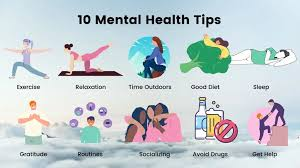
    Mental health plays a vital role in determining how we think, feel, and act in our daily lives. It affects our ability to handle stress, maintain relationships, and make important decisions. Just like physical health, mental well-being requires continuous care and attention. In a world full of fast-paced routines, digital distractions, and rising stress levels, it is easy to neglect our emotional balance. However, improving and maintaining good mental health is entirely possible with the right habits and mindset. This article explores practical and effective tips to enhance mental health and overall well-being.

    1. Prioritize Self-Care

    Self-care is not a luxury; it is a necessity. Taking time for yourself helps reduce stress and restore balance in life. Engage in activities that bring you joy and relaxation, whether it’s reading a book, listening to music, taking a walk, or spending time in nature. Setting aside even 15 to 30 minutes daily for self-care can have a powerful impact on mental clarity and emotional stability.

    Good self-care also includes maintaining personal hygiene, getting enough rest, and managing your workload effectively. When you care for your body and mind, you become more resilient to life’s challenges.

    2. Maintain a Balanced Lifestyle

    A healthy mind thrives in a balanced lifestyle. Eating nutritious meals, exercising regularly, and maintaining proper sleep patterns directly influence mood and brain function. Physical activity releases endorphins, which help combat stress and depression. Similarly, a balanced diet rich in vitamins, minerals, and omega-3 fatty acids nourishes the brain and improves focus and emotional control.

    Avoid overworking or spending too much time on screens. Balance work, rest, and recreation to prevent burnout and maintain harmony in daily life.

    3. Build Strong Social Connections

    Human beings are social by nature. Building and maintaining positive relationships contributes greatly to emotional health. Spend time with family, friends, or colleagues who uplift and support you. Sharing your thoughts and feelings with someone you trust can help reduce anxiety and give you new perspectives.

    Participating in social or community activities, volunteering, or joining clubs can also foster a sense of belonging. Healthy connections remind us that we are not alone and that support is always available when needed.

    4. Practice Mindfulness and Meditation

    Mindfulness is the practice of staying fully present and aware of your thoughts, feelings, and surroundings without judgment. Meditation and mindfulness techniques help calm the mind, reduce stress, and increase self-awareness. Even a few minutes of deep breathing or guided meditation each day can lower anxiety levels and improve concentration.

    Regular mindfulness practice helps you manage negative thoughts, regulate emotions, and focus on what truly matters. Over time, it enhances both mental and physical well-being.

    5. Get Enough Sleep

    Sleep is essential for both mental and physical restoration. Lack of sleep can lead to irritability, poor focus, and increased stress. Aim for 7–9 hours of quality sleep each night. Establish a consistent bedtime routine, avoid caffeine or heavy meals before bed, and keep electronic devices away from your sleeping area.

    Good sleep improves memory, emotional stability, and decision-making abilities. It also helps regulate mood and reduces the risk of mental health disorders like anxiety and depression.

    6. Manage Stress Effectively

    Stress is a normal part of life, but chronic stress can have a harmful impact on mental health. Learning how to manage stress effectively is crucial for maintaining well-being. Identify your stress triggers and find healthy ways to cope with them. Techniques such as deep breathing, journaling, physical exercise, or spending time outdoors can help you relax and regain focus.

    It’s also important to set realistic goals and avoid taking on more than you can handle. Time management and relaxation practices can reduce mental overload and improve productivity.

    7. Limit Negative Thinking

    Negative thinking patterns can drain your energy and lower self-esteem. Becoming aware of these thoughts is the first step toward changing them. Replace self-criticism with self-compassion and focus on your strengths rather than your weaknesses. Practicing gratitude by listing things you are thankful for each day helps shift your mindset toward positivity.

    Surround yourself with optimistic people and uplifting content. Avoid comparing yourself to others, as this often leads to dissatisfaction and anxiety. Instead, focus on your personal growth and progress.

    8. Seek Professional Help When Needed

    There is no shame in asking for help. If you are feeling persistently sad, anxious, or unable to cope, reaching out to a mental health professional can make a significant difference. Therapists, counselors, or psychologists can provide strategies to manage emotions, overcome trauma, and develop healthy coping mechanisms.

    Early intervention can prevent mental health challenges from worsening. Remember, seeking help is a sign of strength, not weakness.

    9. Stay Physically Active

    Physical activity and mental health are deeply connected. Exercise releases endorphins, improves blood flow to the brain, and reduces symptoms of anxiety and depression. Activities such as walking, yoga, swimming, or cycling not only benefit your body but also refresh your mind.

    Even 20–30 minutes of movement daily can increase energy, improve mood, and reduce stress. Choose an activity you enjoy to ensure consistency.

    10. Practice Gratitude

    Gratitude is a powerful tool for improving mental well-being. Taking a few moments each day to acknowledge the good things in your life fosters a positive outlook and reduces stress. Keeping a gratitude journal, expressing appreciation to others, or simply reflecting on your blessings before bed can significantly enhance happiness and satisfaction.

    Research shows that people who practice gratitude regularly experience fewer negative emotions, better relationships, and greater emotional resilience.

    11. Disconnect and Recharge

    In today’s digital world, constant exposure to screens and information can lead to mental fatigue. It is essential to take breaks from technology and social media. Spend time offline by engaging in physical activities, hobbies, or face-to-face conversations. Setting boundaries with digital devices helps you stay present, reduces comparison anxiety, and promotes inner peace.

    Unplugging for even a few hours each day can improve focus and emotional balance.

    12. Set Realistic Goals and Celebrate Progress

    Setting goals gives life direction and purpose. However, unrealistic expectations can lead to disappointment and stress. Break big goals into smaller, manageable steps, and celebrate small victories along the way. Progress, not perfection, is what truly matters.

    Acknowledging your achievements boosts confidence and encourages a sense of accomplishment, which is vital for positive mental health.

    13. Spend Time in Nature

    Nature has a calming and restorative effect on the mind. Spending time outdoors—whether walking in a park, hiking, or simply sitting in a garden—reduces anxiety and increases feelings of happiness. Exposure to sunlight also boosts vitamin D levels, which are linked to improved mood and mental clarity.

    Even short breaks in natural surroundings can lower stress and improve overall well-being.

    Conclusion

    Improving mental health and well-being requires consistent effort and self-awareness. It’s about making small, positive changes that build resilience and inner peace over time. By prioritizing self-care, maintaining a balanced lifestyle, nurturing relationships, and seeking professional support when needed, you can create a healthier and happier mind.

    Mental health is not a destination but a continuous journey. The more you care for your emotional well-being today, the stronger and more balanced you will be tomorrow.

  • Best Foods and Exercises for Heart Health

    Introduction

    Your heart is the engine of your body — it pumps life-giving oxygen and nutrients to every organ and tissue. Keeping it healthy is one of the most important things you can do to ensure a long, active, and fulfilling life. Heart disease remains one of the leading causes of death globally, but the good news is that many cases can be prevented through lifestyle choices. Two of the most powerful tools for maintaining heart health are proper nutrition and regular exercise. This article explores the best foods and exercises that can keep your heart strong, your blood vessels clear, and your body thriving.

    1. Understanding Heart Health

    The heart works tirelessly to pump blood, but poor diet, stress, lack of activity, and unhealthy habits can strain it. Over time, these factors lead to high cholesterol, high blood pressure, and buildup of plaque in arteries — all of which increase the risk of heart disease, stroke, and heart attacks.
    However, the body has an incredible ability to heal and strengthen when provided with the right nutrients and physical activity. A combination of heart-healthy foods and consistent exercise helps maintain optimal circulation, balance cholesterol levels, and reduce inflammation in the body.

     Best Foods for Heart Health

    1. Fatty Fish (Omega-3 Rich Foods)

    Fish such as salmon, mackerel, tuna, sardines, and trout are rich in omega-3 fatty acids, which have been shown to lower triglycerides, reduce inflammation, and decrease the risk of abnormal heart rhythms.
    Aim to include fatty fish in your diet at least twice a week. For vegetarians, flaxseeds, chia seeds, and walnuts offer plant-based omega-3 alternatives.

    2. Leafy Green Vegetables

    Vegetables like spinach, kale, collard greens, and broccoli are packed with vitamins, minerals, and antioxidants. They are especially rich in vitamin K, which helps protect arteries and promote proper blood clotting. The nitrates in leafy greens also help lower blood pressure and improve artery flexibility.

    3. Whole Grains

    Whole grains such as oatmeal, brown rice, quinoa, and whole wheat contain high levels of fiber, which can help lower bad cholesterol (LDL) and improve digestion. Regular consumption of whole grains reduces the risk of heart disease and helps maintain stable blood sugar levels.

    4. Berries

    Berries like blueberries, strawberries, raspberries, and blackberries are loaded with antioxidants known as anthocyanins. These compounds reduce oxidative stress and inflammation in the arteries. Eating a handful of berries daily improves blood vessel health and supports circulation.

    5. Nuts and Seeds

    Almonds, walnuts, pistachios, and sunflower seeds are rich in healthy fats, fiber, and plant sterols that lower cholesterol and inflammation. They also provide magnesium, a mineral essential for normal heart rhythm.
    However, moderation is key — nuts are calorie-dense, so a small handful per day is sufficient.

    6. Olive Oil

    Extra virgin olive oil is a core component of the Mediterranean diet, one of the world’s healthiest eating patterns. It contains monounsaturated fats that lower LDL cholesterol and improve HDL cholesterol (the good kind). Replace butter and processed oils with olive oil in cooking or salad dressings.

    7. Legumes

    Beans, lentils, and chickpeas are rich in plant-based protein, fiber, and potassium, all of which contribute to lower blood pressure and cholesterol levels. They make an excellent substitute for red meat and help maintain stable blood sugar.

    8. Dark Chocolate

    Dark chocolate (with at least 70% cocoa) contains flavonoids that improve blood flow and reduce inflammation. A small piece of dark chocolate a few times a week can support heart health — just avoid products high in sugar or artificial ingredients.

    9. Avocados

    Avocados are packed with heart-healthy monounsaturated fats, potassium, and fiber. They help regulate cholesterol levels and blood pressure while adding a creamy, nutritious boost to salads, smoothies, or toast.

    10. Green Tea

    Green tea contains powerful antioxidants called catechins, which improve blood vessel function and reduce LDL cholesterol. Drinking one to two cups of green tea daily can promote better heart health and overall wellness.

     Best Exercises for Heart Health

    Exercise is equally important as diet in maintaining a healthy heart. Physical activity strengthens the heart muscle, improves circulation, helps manage weight, and reduces stress hormones that can harm cardiovascular function. The American Heart Association recommends at least 150 minutes of moderate exercise per week.

    1. Aerobic (Cardio) Exercises

    Aerobic exercise directly strengthens the heart and lungs, improving their ability to deliver oxygen efficiently throughout the body.

    Examples include:

    • Brisk walking
    • Running or jogging
    • Cycling
    • Swimming
    • Dancing
    • Hiking

    These exercises help lower blood pressure, regulate cholesterol levels, and improve endurance. Even 30 minutes of brisk walking five days a week can dramatically lower your risk of heart disease.

    2. Strength Training

    Building muscle through resistance exercises like weightlifting or bodyweight workouts (push-ups, squats, planks) helps the body burn fat and maintain a healthy metabolism.
    Strong muscles support heart function by improving insulin sensitivity and reducing fat buildup around vital organs. Aim for two strength-training sessions per week.

    3. Yoga and Stretching

    Yoga combines gentle movement with deep breathing, improving flexibility, circulation, and stress reduction. Stress management is vital for heart health because chronic stress raises blood pressure and triggers inflammation.
    Simple poses like the Tree Pose, Bridge Pose, and Cobra Pose can help lower heart rate, improve focus, and promote relaxation.

    4. High-Intensity Interval Training (HIIT)

    HIIT involves short bursts of intense exercise followed by rest or light activity. This method efficiently boosts cardiovascular strength, burns calories, and improves oxygen consumption.
    A 20-minute HIIT session 2–3 times a week can significantly enhance heart efficiency — just ensure you warm up properly and consult a doctor if you’re new to exercise or have heart concerns.

    5. Recreational Sports

    Playing sports like tennis, badminton, basketball, or football combines aerobic activity with fun and social engagement. This makes it easier to stay consistent and motivated while improving overall cardiovascular endurance.

    6. Daily Movement Habits

    Even outside of formal workouts, small daily actions contribute to heart health:

    • Take the stairs instead of the elevator.
    • Walk or cycle short distances instead of driving.
    • Stretch during work breaks.
    • Spend time gardening or doing household chores.

    Consistency matters more than intensity — keeping your body active throughout the day keeps your heart strong.

     Lifestyle Tips for a Healthy Heart

    Beyond diet and exercise, a few simple habits can further protect your heart:

    • Avoid smoking — tobacco damages blood vessels and increases heart disease risk.
    • Limit alcohol — excessive intake raises blood pressure and triglycerides.
    • Manage stress — practice meditation, deep breathing, or mindfulness.
    • Get enough sleep — 7–8 hours per night supports heart recovery.
    • Regular checkups — monitor cholesterol, blood pressure, and sugar levels.

    Conclusion

    A healthy heart is not achieved overnight but through consistent, mindful habits. Eating nutrient-rich foods and staying physically active work together to strengthen your heart, regulate cholesterol, and reduce the risk of disease. The combination of a balanced diet—featuring vegetables, whole grains, lean proteins, and healthy fats—and regular exercise like walking, cycling, or yoga creates a powerful defense against heart problems.

    Taking care of your heart today means a stronger, longer, and more energetic life tomorrow. Start small, stay consistent, and let every meal and movement bring you closer to a healthier heart.

  • Easy and Effective Ways to Prevent Cold and Flu

    Introduction

    Cold and flu are among the most common viral infections that affect millions of people worldwide each year. Although both conditions are usually mild, they can cause discomfort, disrupt daily activities, and sometimes lead to serious complications, especially in children, the elderly, and people with weak immune systems. Fortunately, preventing cold and flu is possible through simple lifestyle habits, proper hygiene, and a balanced diet. This article explores practical, easy, and effective ways to protect yourself and your loved ones from these seasonal illnesses.

    1. Strengthen Your Immune System

    Your immune system is your body’s first line of defense against viruses. Strengthening it naturally reduces your risk of catching colds and the flu. A healthy immune system depends on a balanced diet rich in vitamins, minerals, and antioxidants. Include plenty of fresh fruits, vegetables, whole grains, lean proteins, and healthy fats in your daily meals.

    Key nutrients that boost immunity include:

    • Vitamin C: Found in oranges, lemons, strawberries, and bell peppers.
    • Vitamin D: Helps immune cells function properly; available from sunlight and foods like eggs and fish.
    • Zinc: Found in nuts, seeds, and legumes, which helps fight infections.
    • Probiotics: Found in yogurt and fermented foods, they support gut health, where much of the immune system resides.

    2. Maintain Good Hygiene Practices

    Cold and flu viruses spread primarily through droplets from coughing, sneezing, or touching contaminated surfaces. Practicing good hygiene can significantly reduce transmission.

    Hygiene habits to follow:

    • Wash hands frequently with soap and water for at least 20 seconds.
    • Use alcohol-based hand sanitizers when soap is unavailable.
    • Avoid touching your face—especially your eyes, nose, and mouth.
    • Cover your mouth and nose with a tissue or elbow when sneezing or coughing.
    • Regularly disinfect frequently touched objects like phones, keyboards, and door handles.

    Simple, consistent hygiene practices are among the most effective ways to stop germs from spreading.

    3. Get Enough Rest and Sleep

    Lack of sleep weakens the immune system and makes the body more vulnerable to infections. During deep sleep, the body repairs tissues, produces infection-fighting antibodies, and regulates hormones that support immunity.
    Adults should aim for 7–9 hours of sleep each night, while children and teenagers may need more. Maintaining a consistent sleep schedule, reducing screen time before bed, and creating a comfortable sleep environment can significantly improve sleep quality and immune function.

    4. Stay Hydrated

    Proper hydration keeps the body’s systems functioning efficiently, including the immune system. Water helps flush out toxins and maintains the moisture of mucous membranes, which act as a barrier against germs in the nose and throat.
    Aim for 6–8 glasses of water daily, and include fluids like herbal teas, soups, or natural fruit juices. Avoid excessive caffeine and alcohol, which can dehydrate the body.

    5. Exercise Regularly

    Moderate exercise improves blood circulation and enhances the immune response by helping white blood cells move efficiently throughout the body. Activities like walking, cycling, yoga, or light jogging for 30 minutes a day can help reduce the risk of catching colds.
    However, intense workouts without proper recovery can have the opposite effect, temporarily suppressing immunity. Balance is key—focus on consistency rather than overexertion.

    6. Eat Immune-Boosting Foods

    A nutritious diet plays a vital role in preventing colds and flu. Certain foods contain natural compounds that help the body resist viral infections.
    Some powerful options include:

    • Garlic: Contains allicin, a compound known for its antiviral and antibacterial properties.
    • Ginger: Helps reduce inflammation and soothe sore throats.
    • Turmeric: Rich in curcumin, which boosts the immune system.
    • Green tea: Loaded with antioxidants that help fight off infections.
    • Citrus fruits: Provide vitamin C, which helps shorten the duration of colds.

    Incorporating these foods into daily meals can strengthen your defense system naturally.

    7. Manage Stress Effectively

    Chronic stress weakens the immune system and makes the body more susceptible to illness. When stressed, the body releases cortisol—a hormone that, in excess, can reduce immune activity.
    To manage stress, try relaxation techniques such as deep breathing, meditation, yoga, or spending time outdoors. Regular physical activity, listening to music, or engaging in hobbies can also help calm the mind.
    Taking short breaks during work or study sessions prevents burnout and supports emotional and physical health.

    8. Avoid Smoking and Limit Alcohol

    Smoking damages the respiratory system, making it easier for viruses to enter the lungs and cause infections. It also reduces the number of protective cells in the airways that trap and remove germs.
    Excessive alcohol consumption suppresses immune function and dehydrates the body. Reducing or avoiding these habits not only protects you from cold and flu but also improves your overall health and energy levels.

    9. Keep Warm During Cold Seasons

    Cold weather does not directly cause illness, but it can weaken the body’s natural defenses and make you more susceptible to viruses. Dress appropriately for the weather by layering clothes, wearing gloves, scarves, and hats.
    Keep indoor environments warm and ventilated, and use a humidifier if the air becomes too dry. A comfortable temperature helps your body maintain its immune strength and prevents the drying of nasal passages, which can make you more vulnerable to infections.

    10. Get Vaccinated

    Flu vaccines are one of the most effective ways to prevent influenza. They help your immune system recognize and fight off the virus before it can cause severe symptoms. Health authorities recommend annual flu vaccination, especially for children, older adults, and those with chronic health conditions.
    Vaccines not only protect you but also reduce the spread of flu within the community. While there is no vaccine for the common cold, flu shots significantly lower the risk of complications and hospitalizations.

  • How to Turn Fear into Fuel for Personal Success

    How to Turn Fear into Fuel for Personal Success

    We all feel it.
    That tightness in your chest before a big decision.
    The racing thoughts that whisper — what if I fail?
    Fear. It’s ancient, wired deep in our DNA. Meant to protect us. But in today’s world, it often does the opposite — it stops us.

    But here’s the thing: fear doesn’t have to be the enemy. In fact, it can be one of the strongest motivators you’ll ever have — if you learn how to use it right. Turning fear into fuel isn’t about pretending it’s not there. It’s about redefining your relationship with it.

    Let’s break that down.

    1. Understand What Fear Really Is

    Fear isn’t weakness.
    It’s data. It’s your brain saying, “Hey, something here matters.”

    Most people think fear means stop. But fear often just means pay attention. It’s an emotional signal that you’re standing at the edge of something meaningful — growth, change, risk.

    Neuroscientists call it the “amygdala response” — that little almond-shaped part of your brain that goes into overdrive when it senses threat. But the modern “threat” isn’t a tiger. It’s public speaking. Starting a business. Quitting your job.

    The trick is learning to listen without obeying.
    Notice the fear, but don’t let it drive.

    2. Shift the Narrative: Fear = Energy

    Every emotion we feel is just energy. Fear included.
    When you reframe fear as energy rather than danger, it becomes something you can channel.

    Think about athletes before a big game. They’re nervous. Heart pounding. Sweaty palms. But they don’t say, “I’m scared.” They say, “I’m pumped.”
    Same physical symptoms. Different labels.

    You can do the same in your own life.
    That nervous buzz before a presentation? That’s not fear — that’s adrenaline giving you focus.
    That uncertainty before a big leap? That’s your body gearing up for something new.

    Try this small mental shift:
    Instead of saying “I’m scared,” say “I’m ready.”
    It sounds simple, but it rewires the emotional meaning behind your experience.

    3. Get Curious Instead of Paralyzed

    When fear hits, we often freeze. Overthink. Overanalyze.
    But curiosity is fear’s antidote.

    Ask yourself questions like:

    • What’s the worst that could really happen?
    • What’s the best that could happen?
    • What might I learn from this even if I fail?

    When you get curious, your brain switches from reactive mode to creative mode.
    Suddenly, the unknown becomes less like a monster and more like a mystery to explore.

    That shift alone can turn fear into a compass — pointing you toward the things that matter most.

    4. Make Micro-Moves Toward What Scares You

    Courage isn’t the absence of fear. It’s fear walked one small step at a time.

    You don’t have to leap off cliffs to grow.
    You just have to keep moving — even if it’s inch by inch.

    If fear tells you “don’t,” take that as your cue to do, but in a small, safe way.
    Afraid to start a podcast? Record one short, messy episode just for yourself.
    Scared of rejection? Send one email. Apply for one job. Talk to one person.

    Every tiny action tells your brain: see, that didn’t kill me.
    And over time, fear loses its power.
    Because you’ve proven you can act in spite of it.

    5. Turn Fear Into Focus

    Fear sharpens attention. Use it.

    When you’re scared of failing, your senses heighten. You notice details. You prepare more carefully. You plan better.
    That’s not panic — that’s performance fuel.

    The key is not letting that heightened awareness slip into self-doubt. Instead, channel it into action:

    • Use fear to double-check your plan, not to destroy it.
    • Use fear to motivate extra effort, not to paralyze it.
    • Use fear to remind you that what you’re doing actually matters.

    Great artists, leaders, athletes — they all use fear as focus. It keeps them humble. Sharp. Alive.

    6. Rewrite the Story You Tell Yourself

    At the heart of it all, fear is about the story.
    “I’m not ready.”
    “I’ll embarrass myself.”
    “I’m not good enough.”

    These are narratives we repeat until they feel like facts.

    But what if you rewrote the script?
    What if the story became:
    “I’m learning.”
    “I’m growing.”
    “I’m scared — and that means I’m doing something brave.”

    Language shapes emotion. The way you describe fear to yourself directly changes how your body reacts to it.
    So, talk to yourself the way you’d talk to a friend who’s scared — with honesty, patience, and a little bit of faith.

    7. Learn From the Fear, Don’t Run From It

    Here’s a truth few people talk about: fear is often right — but not in the way you think.
    It’s not saying, “don’t do this.” It’s saying, “prepare for this.”

    Every fear holds a lesson. Maybe you’re afraid of public speaking because deep down you value being heard. Maybe you fear failure because you care about the outcome.
    If you dig beneath the fear, you’ll find the value it’s protecting.

    And once you understand that, you can work with it instead of against it.

    8. Remember: Fear Is Proof You’re Growing

    If you’re comfortable all the time, you’re not growing.
    Fear is the side-effect of stepping out of your comfort zone.

    Think about it: when was the last time you were proud of something that didn’t scare you first?
    Exactly.

    The butterflies, the trembling hands, the doubts — they’re signs you’re evolving.
    So the next time you feel fear creeping in, smile at it. Say, thanks for the reminder — I’m on the right track.

    Final Thoughts

    Fear doesn’t disappear. It transforms.
    It’s not the darkness you fight — it’s the spark that lights the way.

    Turning fear into fuel for personal success isn’t about pretending to be fearless. It’s about becoming familiar with fear — learning its rhythm, hearing its voice, and using its energy to build something bigger than your comfort zone.

    So, take the leap. Even if your voice shakes. Even if your hands tremble.
    Because the truth is simple — fear is just excitement without breath.And once you learn to breathe through it, you’ll realize it was never holding you back.
    It was waiting to push you forward.

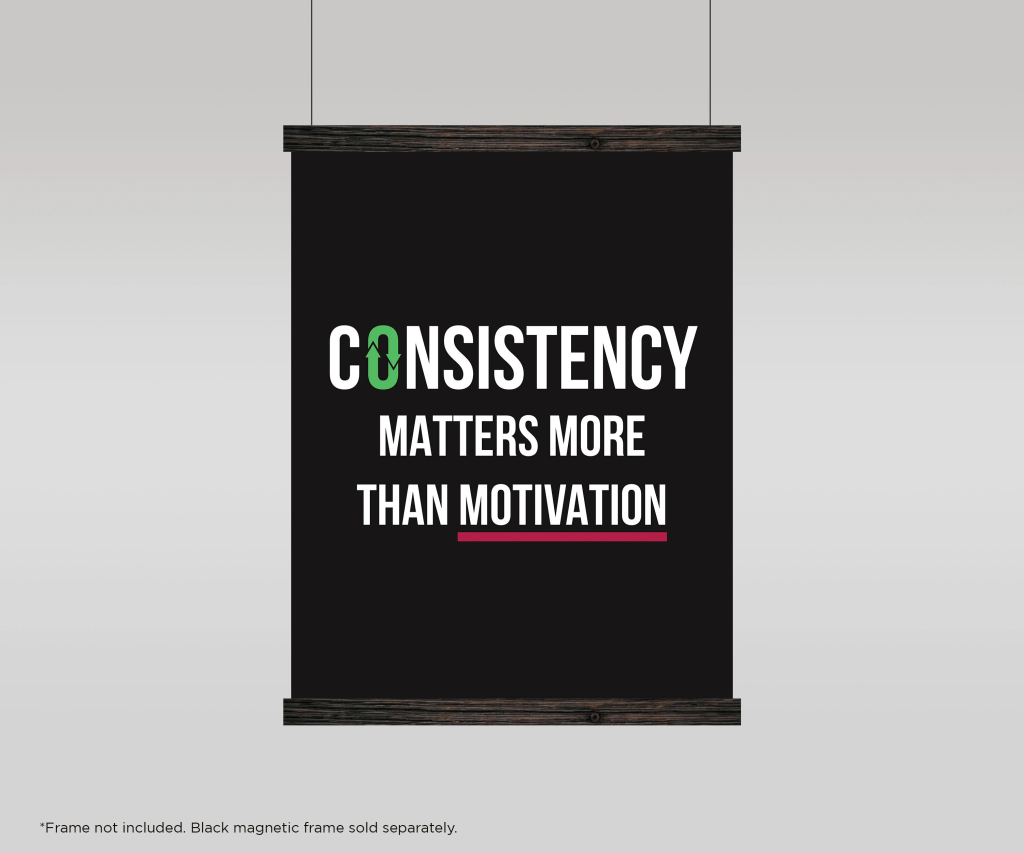
  • Why Consistency Matters More Than Motivation

    You know that feeling when you wake up one morning full of energy, ready to conquer the world? You tell yourself, this is it. You’re finally going to get in shape, start that side hustle, or write that book you’ve been talking about for years.
    And for the first few days, it’s great. You’re on fire.
    Then — a week later — it’s gone. The fire dies out. You’re tired, distracted, or just “not feeling it.”

    That’s motivation. It’s powerful, but temporary. It comes and goes like the weather. And that’s exactly why consistency beats motivation every single time.

    Motivation Is a Spark, Not a Fuel Source

    Motivation feels amazing — it’s what gets us started. It’s the rush that makes us believe change is possible. But here’s the truth: motivation is unpredictable. It fades when life gets busy, when things get hard, or when you stop seeing results right away.

    That’s where consistency steps in.
    Consistency isn’t glamorous. It’s waking up early even when you didn’t sleep well. It’s showing up for your goals when no one’s watching. It’s doing the small, sometimes boring stuff — over and over — until it becomes part of who you are.

    Think of it like brushing your teeth. You don’t do it because you’re wildly motivated to. You do it because it’s part of your routine. You know if you skip it long enough, things get messy.
    Consistency makes progress inevitable. Motivation just makes it exciting in the beginning.

    Why We Rely Too Much on Motivation

    We’ve been conditioned to chase motivation.
    Social media, self-help books, those “rise and grind” videos — they all feed this idea that if you’re not pumped to do something, you’re doing it wrong.
    But the truth?
    The people who actually reach their goals aren’t hyped up 24/7. They’re the ones who keep showing up, even when it’s boring, uncomfortable, or hard.

    Motivation depends on your emotional state. Consistency doesn’t care how you feel.
    You can’t control how motivated you’ll feel tomorrow morning, but you can control whether you stick to your plan.

    The Science Behind Consistency

    Psychologists have studied this for years. Motivation comes from a mix of dopamine (the reward chemical) and emotional energy. But the brain adapts. When you do something new, it releases more dopamine. Over time, the excitement fades, and your brain wants something new again — that’s why it’s so hard to stick with habits.

    Consistency, on the other hand, rewires your brain through habit formation.
    When you repeat an action regularly, your brain starts shifting that behavior from your prefrontal cortex (the thinking part) to your basal ganglia (the habit center).
    That means it takes less mental effort to keep doing it. It becomes automatic.

    So, in short: motivation lights the match, but consistency keeps the fire burning.

    Small Steps Add Up Faster Than You Think

    Here’s the tricky part — people overestimate what they can do in a week and underestimate what they can do in a year.
    Consistency compounds, just like money in a savings account. Tiny, regular actions build massive results over time.

    • You don’t need to write a whole chapter a day. Just write for 15 minutes.
    • You don’t have to run 10 miles. Start with one.
    • You don’t need to meditate for an hour. Try five minutes.

    When you show up daily, even in small doses, you start to trust yourself more. That trust builds momentum — and that’s way more powerful than fleeting motivation.

    Consistency Builds Discipline (and Discipline Creates Freedom)

    Most people think discipline means being strict or miserable. But it’s the opposite.
    Discipline is freedom. It’s the ability to rely on yourself — to know that even when things get messy, you’ll keep going.
    Consistency builds that muscle. Every time you choose to act instead of wait for motivation, you’re strengthening your self-control. Over time, you stop needing motivation altogether.

    Think of athletes, writers, entrepreneurs — none of them feel inspired every single day. They succeed because they’ve built systems and habits that don’t rely on how they feel in the moment.

    How to Stay Consistent When Motivation Dies

    Let’s be honest — staying consistent is hard. There will be days when you slip, when life hits, when you just don’t want to do it. That’s normal. The key is to not let one missed day turn into a lost week.

    Here’s what actually helps:

    1. Start ridiculously small. Build the habit first, scale later.
    2. Track your progress. Even tiny wins keep your brain hooked.
    3. Have a “bare minimum” rule. Do something, even if it’s just 5 minutes.
    4. Make it visible. Keep reminders where you’ll see them — sticky notes, phone wallpapers, whatever works.
    5. Be patient. Growth takes time. Motivation fades fast; habits take root slowly.

    Final Thoughts

    Motivation might get you started, but consistency keeps you going when the excitement fades.
    It’s the quiet, often invisible effort that builds real change — one day, one step, one choice at a time.

    If motivation is the spark, consistency is the engine.
    And if you can learn to keep that engine running — even slowly, even imperfectly — you’ll go farther than anyone waiting for the perfect wave of motivation to hit.So, don’t chase motivation. Build consistency.
    That’s where the real magic happens.

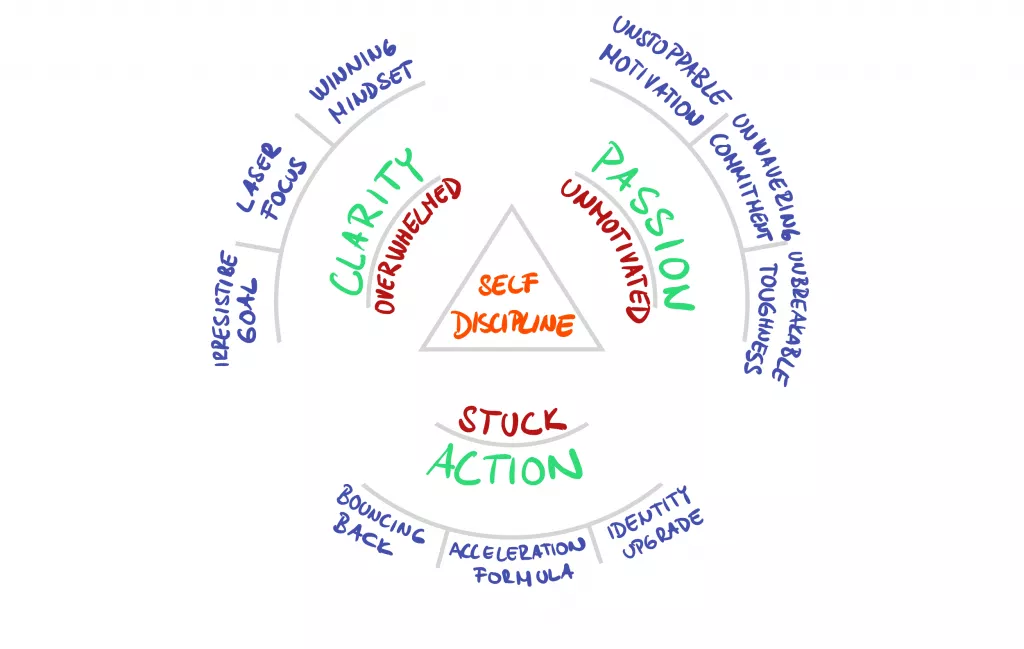
  • How to Build Motivation Through Self-Discipline

    You know, I used to believe motivation was the secret sauce for success. Those energetic bursts when you feel unstoppable — that’s what I thought made people achieve things. But the truth hit me hard one morning when I woke up, stared at my to-do list, and just didn’t feel like doing anything. My motivation was gone, like a friend who suddenly stopped answering texts. And that’s when I realized — if I kept depending on motivation alone, I’d never get anywhere.

    What really keeps you going isn’t motivation. It’s self-discipline.

    It took me years to really understand that. I always thought discipline was something strict or robotic — like waking up at 5 a.m. and drinking green smoothies (which I still can’t stand, by the way). But discipline, I’ve learned, is actually more like a quiet agreement you make with yourself. A promise that says, “I’ll do what needs to be done, even when I don’t feel like it.”

    And funny enough, once you get that part right, motivation starts to show up more often — not the other way around.

    The Misleading Nature of Motivation

    Motivation is great, don’t get me wrong. It’s that spark that makes you start a new workout, launch a side project, or clean your messy room. But the problem is — it fades. Always. It’s like sugar — gives you a rush, then drops you flat.

    When we rely on motivation alone, we live in cycles of extremes. You feel excited for a week, maybe two. Then one bad day hits, and suddenly everything feels pointless. That’s where self-discipline quietly saves you. It’s the steady, boring, reliable engine that keeps the car moving when motivation’s gas tank runs empty.

    For me, the shift began when I stopped asking, “Do I feel like doing this today?” and started asking, “What would the disciplined version of me do right now?”

    Building Self-Discipline (Even When You Don’t Have Any)

    Let me be honest — self-discipline doesn’t come naturally to most of us. I wasn’t born with it. I had to build it, brick by brick, through little daily choices that honestly felt insignificant at first.

    Here’s how I started — and how you can too.

    1. Start Ridiculously Small

    When I first tried to “get disciplined,” I made the classic mistake of overloading myself. I set ten new habits at once: waking up early, working out, journaling, reading… and within a week, I’d quit all of them.

    The truth is, your brain hates change. It fights it like a toddler resisting bedtime. So start tiny.
    Like, “I’ll do five pushups,” or “I’ll write for five minutes.” It sounds stupidly small, but that’s the point. You want to build consistency, not perfection.

    And what happens is, once you start — even small — momentum builds naturally. One small win leads to another.

    2. Set Clear, Boring Routines

    People underestimate how powerful routine is. When your brain knows what comes next, it stops negotiating.

    I used to waste so much time debating with myself — “Should I work now or after lunch?” — until I made a strict schedule. I told myself, “I start writing at 9 a.m., no questions asked.”

    It’s funny — once something becomes part of your identity, like brushing your teeth, it stops feeling like effort. That’s the real magic of discipline: you don’t think about it anymore. You just do it.

    3. Be Kind to Yourself When You Mess Up

    Here’s a big one. You’re going to mess up. You’ll miss workouts. You’ll procrastinate. You’ll scroll social media instead of doing what matters.

    And that’s okay. Seriously.

    The worst thing you can do is beat yourself up. Discipline isn’t about perfection — it’s about returning to the path faster each time you fall off. I used to quit entire habits after one bad day because I thought I’d “failed.” Now I just tell myself, “Alright, that was a rough day. Tomorrow we’re back.”

    That small shift — from guilt to grace — changed everything for me.

    4. Tie Discipline to Something Deeper

    If you’re only disciplined because you “should be,” it won’t last. You need a why that’s emotional.

    For me, it was realizing I didn’t want to live my life half-asleep. I didn’t want to keep breaking promises to myself. I wanted to become the kind of person who could trust his own word.

    That’s what discipline really builds — self-respect. And once you have that, motivation becomes a side effect.

    How Self-Discipline Creates Real Motivation

    Something strange happens when you stay disciplined long enough. At first, it’s hard. Every task feels heavy. But after a few weeks of showing up — even imperfectly — you start noticing small wins.

    You feel proud. You start trusting yourself more.
    And that feeling — that quiet confidence — that’s motivation.

    See, motivation doesn’t come from pep talks or YouTube videos. It comes from evidence. Every time you keep a promise to yourself, your brain says, “Hey, maybe I can actually do this.”

    That’s when motivation becomes internal — not just a fleeting emotion, but a belief system.

    A Real-World Example

    Let me give you something real.

    A few years ago, I decided to get back into shape. I hadn’t worked out in ages, and the thought of going to the gym was terrifying. So I started small: 10 minutes a day at home. That’s it. No fancy equipment.

    At first, I hated it. Every day felt like dragging myself through mud. But I told myself, “Just show up. Don’t think, just move.”

    After two weeks, I noticed something weird — I wanted to do it. That spark of motivation had finally come back, but it only appeared after I’d built the discipline to show up without it.

    That’s when it hit me: discipline builds motivation, not the other way around.

    Final Thoughts

    I think we all want that feeling of being motivated — that fire that makes life feel easy. But life isn’t always easy. Some days, you’ll wake up tired, uninspired, and lost. And that’s okay.

    Because discipline is what carries you through those days. It’s not glamorous. It’s not exciting. But it’s what separates the dreamers from the doers.

    So if you’re trying to build motivation right now, maybe stop chasing the feeling. Instead, focus on showing up — just a little — every single day.

    The more you honor your own word, the more motivation will find its way back to you.

    And when it does, you’ll realize — it was never gone. It was waiting for you to prove you were serious.

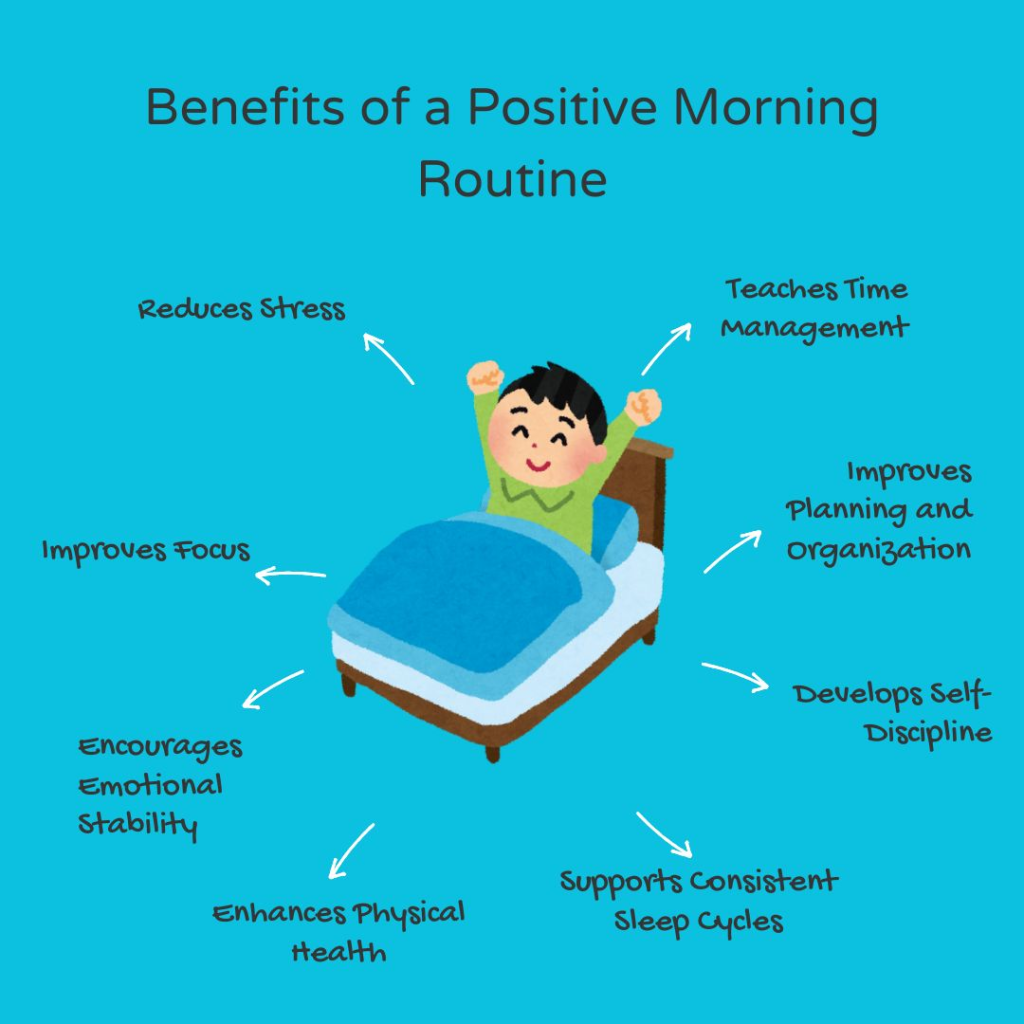
  • Using Morning Routines to Strengthen Motivation

    Let’s be honest. Mornings can feel… heavy.
    That blurry moment when the alarm goes off and your brain argues with itself — “five more minutes” — it’s familiar. But here’s the truth: how you spend those first few minutes after waking up can quietly build (or break) your motivation for the entire day.

    Many people think motivation just appears. Like some spark that lights up out of nowhere. But research — and a lot of real-world experience — says otherwise. Motivation isn’t something you find. It’s something you build, and morning routines are one of the most powerful tools to do it.

    1. Why Morning Routines Actually Matter

    Let’s start with something simple: your brain craves structure.
    When you wake up at the same time, perform the same set of actions — stretching, journaling, sipping your coffee — you’re training your mind to expect progress. It’s like setting up small dominoes that eventually lead to bigger wins.

    According to behavioral psychologist BJ Fogg, tiny habits stacked together can create lasting behavior change. In the morning, this means the smallest actions — making your bed, opening the curtains, even drinking a glass of water — trigger a sense of accomplishment. That little “win” gives your brain dopamine. And dopamine? That’s motivation fuel.

    2. Morning Routines Reduce Decision Fatigue

    You know that mental fog when you can’t decide what to wear, what to eat, or what to do first? That’s called decision fatigue, and it drains motivation fast.

    When your morning has a rhythm, you’re not wasting energy on tiny decisions. You’re preserving willpower for things that actually matter. Think of it this way — if you spend the first hour of your day wrestling with your own thoughts, by noon, your motivation tank is half empty.

    People like Steve Jobs and Barack Obama famously wore similar clothes every day. It wasn’t laziness — it was strategy. They eliminated minor choices to focus their energy on what moved them forward.

    3. Building Momentum Before You Touch Your Phone

    This might sting a bit — but the fastest way to kill your motivation is to check your phone first thing in the morning.

    The moment you dive into notifications, you’re letting other people’s priorities set your tone. Messages, social media, news — they hijack your mental focus before you’ve even had coffee.

    Try something different. Leave your phone facedown for the first 30 minutes. Use that time to connect with yourself instead of the digital noise. A short walk, quiet breathing, writing a few lines of gratitude — it doesn’t need to be fancy. What matters is that you take control of your attention before the world grabs it from you.

    4. Movement Wakes Up More Than Your Muscles

    Exercise in the morning isn’t about burning calories. It’s about creating energy.

    Studies from Harvard and Stanford both show that even ten minutes of light movement — stretching, yoga, or a brisk walk — can boost alertness, improve focus, and elevate mood. Basically, it tells your brain: “We’re awake, and we’re doing something.”

    It doesn’t have to be intense. You don’t need to run five miles before sunrise. Just move. Even rolling your shoulders, standing tall, breathing deeply — these micro-actions reset your nervous system. Motivation flows more easily when your body feels alive.

    5. The Power of Intentional Reflection

    A lot of people underestimate journaling, but it’s secretly one of the most effective motivation tools you can have.

    Spend five minutes writing down three things:

    1. What you’re grateful for
    2. What you want to accomplish today
    3. Why it matters

    This last part — the why — is everything. Motivation fades when we lose connection to purpose. By reminding yourself every morning why you’re doing what you’re doing, you reconnect to that inner drive.

    And if journaling sounds too much like homework, no problem. You can even just think it through while sipping coffee. The goal isn’t perfection; it’s awareness.

    6. Morning Routines as Identity Builders

    Here’s something that most people miss: routines aren’t just about actions — they shape identity.

    Every time you follow through with your morning habits, you’re proving to yourself that you’re the kind of person who shows up. Over time, that identity becomes self-reinforcing. You don’t just do productive things — you become a productive person.

    Motivation that’s built on identity lasts longer than motivation built on hype. It’s quiet, steady, reliable. Like a muscle you’ve trained over time.

    7. When It Doesn’t Go Perfectly — That’s Okay

    Let’s get real. Some mornings just don’t go to plan. You oversleep, spill coffee, skip the workout. And that’s fine. Motivation isn’t about being perfect — it’s about coming back.

    The key is flexibility. If your routine feels like a prison, it’s not working for you. A strong morning routine should support your life, not control it. Adjust it when needed. The point is consistency, not rigidity.

    8. Putting It All Together

    Here’s a simple example of a morning routine that builds motivation:

    • Wake up and drink water (signal to your brain: the day begins).
    • Open curtains or step outside (natural light = instant alertness).
    • Do 5–10 minutes of movement.
    • Write 3 short notes in a journal (gratitude, goals, purpose).
    • Have breakfast or coffee without your phone.
    • Review one key goal for the day.

    That’s it. 20–30 minutes total. But the ripple effect is huge.

    Final Thoughts

    Motivation isn’t something you chase; it’s something you prepare for.
    Your morning routine is like the ignition key to your mindset. When you craft those early hours with intention — even in small ways — you’re setting the tone for how you’ll face challenges, decisions, and distractions throughout the day.

    And remember, it’s not about becoming some ultra-optimized version of yourself overnight. It’s about building tiny rituals that remind you, “I’m capable. I’m in control. I’m moving forward.”

    That’s what real motivation feels like — quiet, steady, and earned one morning at a time.

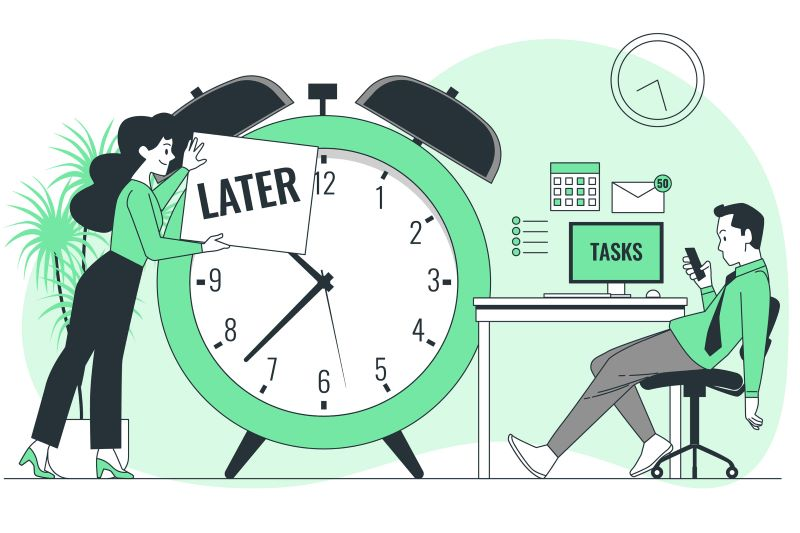
  • How to Overcome Procrastination with Mindset Shifts

    Let’s be honest.
    We’ve all been there. Sitting in front of a screen, knowing exactly what needs to be done… and somehow, doing everything else instead. Checking emails. Watching “just one” YouTube video. Suddenly cleaning the kitchen like our life depends on it.

    It’s not that we’re lazy. That’s the biggest misconception about procrastination. The truth is, procrastination is rarely about time management. It’s about mindset — how we think, how we feel, and how we react to discomfort.

    Let’s dig into the real reason behind procrastination and, more importantly, how a few key mindset shifts can help you finally get unstuck.

    1. Understand What Procrastination Really Is

    Here’s the first shift: stop calling yourself lazy.
    Procrastination is a form of emotional avoidance. It’s your brain’s way of dodging uncomfortable feelings — fear of failure, perfectionism, self-doubt, or even boredom.

    According to Dr. Tim Pychyl, a psychology professor at Carleton University, procrastination isn’t a time problem; it’s an emotion regulation problem.
    When a task feels unpleasant or overwhelming, your brain chooses a short-term mood boost (like scrolling social media) over the long-term reward of finishing the task.

    So next time you catch yourself putting something off, pause. Ask:

    “What am I actually trying to avoid feeling right now?”

    Naming the emotion is the first step toward managing it.

    2. Shift from “I Have to” → “I Choose to”

    This sounds small, but it’s huge.
    When you say “I have to write that report,” your brain immediately associates it with pressure and resistance. It feels forced, like someone’s controlling you.

    But when you say “I choose to write that report,” you reclaim control. It becomes an act of agency, not obligation.

    Psychologists call this the autonomy shift — when you recognize that nearly everything you do is a choice, even the unpleasant stuff. You don’t have to work out, you choose to because it supports your health and confidence.

    This tiny linguistic tweak makes your mind more cooperative. You move from resentment to responsibility.

    3. Embrace the “Progress Over Perfection” Mindset

    Perfectionism is one of procrastination’s sneakiest partners.
    You wait until you “feel ready,” or until the plan is flawless — which, of course, never happens.

    Try flipping your mindset: instead of aiming for perfect, aim for progress.
    One messy paragraph. One slide finished. One call made. That’s it.

    It’s what psychologists call the growth mindset — a term coined by Dr. Carol Dweck from Stanford University. It’s about seeing effort as part of learning, not proof of inadequacy.

    When you celebrate small wins, your brain releases dopamine, reinforcing productive behavior. It’s not magic. It’s biology.

    4. Reframe Fear as a Signal, Not a Stop Sign

    A lot of procrastination hides under fear — fear of not being good enough, of failing, or of judgment. But fear, if you listen carefully, is usually pointing toward something that matters.

    That presentation you keep delaying? Probably important. That business idea you can’t stop thinking about? Probably meaningful.

    So instead of saying, “I’m scared, so I’ll wait,” try “I’m scared, so I’ll begin small.”
    Courage isn’t the absence of fear. It’s action despite it.

    Remember: fear and excitement feel almost identical in the body. Same adrenaline, same heart rate. The only difference is how you label it.

    5. Build a “Micro-Commitment” Habit

    Big goals often feel paralyzing. Writing a book, starting a side business, finishing a degree — your brain sees these as too massive to handle.

    The trick is to shrink the task until it’s too easy to resist.
    Instead of “I’ll write a chapter,” tell yourself, “I’ll write for 10 minutes.”

    Ten minutes. That’s all. No pressure, no grand plan. Once you start, you’ll often keep going because momentum kicks in. Psychologists call this the Zeigarnik effect — once you start a task, your brain wants to finish it.

    The hardest part is not doing the work. It’s starting it.

    6. Learn to Work With Your Energy, Not Against It

    Here’s something most productivity books skip: you can’t force motivation.
    It’s cyclical, like energy levels throughout the day. Some people are morning thinkers, others come alive at night.

    Notice your natural rhythm. When do you feel sharpest? When do you zone out?
    Use that awareness to design your day. Don’t schedule deep work when you’re mentally drained — you’ll only feed the cycle of guilt and avoidance.

    A flexible, self-aware schedule beats a rigid one every time.

    7. Be Kind to Yourself

    This one’s easy to say, hard to practice.
    When you procrastinate, your inner critic often shows up fast — calling you lazy, stupid, or weak. But that shame only deepens avoidance.

    A better approach? Self-compassion.
    Kristin Neff, a leading researcher on self-compassion, found that people who treat themselves kindly after setbacks are more likely to recover motivation and complete their tasks.

    It’s not self-pity. It’s emotional resilience.

    Next time you slip, instead of saying “I’m hopeless,” say, “Okay, I slipped today. Tomorrow’s another try.”
    Because it is. Always is.

    Final Thoughts

    Procrastination isn’t a character flaw. It’s a signal — that something inside you needs attention, not punishment.

    When you shift your mindset from resistance to understanding, from fear to curiosity, things change quietly but powerfully. You stop fighting yourself. You start working with yourself.

    And little by little, task by task, that stuck feeling starts to fade.

    Because you don’t have to be perfect. You just have to begin.