We live in a world that never seems to slow down. Notifications, deadlines, and constant noise from both inside and outside of our minds make it harder than ever to feel grounded. Many people move through life on autopilot, reacting rather than choosing. That’s where mindfulness comes in — not as a trendy buzzword, but as a practice that can truly reshape the way you experience yourself and the world around you.
Mindfulness, at its core, means paying attention on purpose. It’s being present with what’s happening right now — without judgment or the need to change it. Sounds simple, but the truth is, it takes practice and patience. The human mind naturally drifts between the past and the future, replaying memories or predicting outcomes. Mindfulness gently brings you back to this moment, the only one you can really live in.
The Science Behind Mindfulness and Change
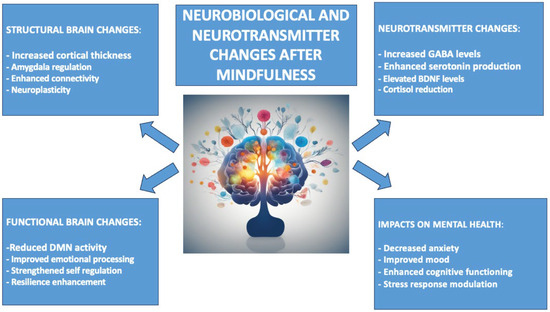
Research in neuroscience over the past two decades has shown that mindfulness can literally rewire the brain. Practices like meditation increase gray matter density in areas associated with learning, memory, and emotional regulation. Regular mindfulness can reduce activity in the amygdala — the part of the brain responsible for stress and fear — while strengthening the prefrontal cortex, which governs decision-making and focus.
That’s the science, but on a personal level, the transformation is more subtle. You begin to notice that you don’t get caught up in every thought or emotion that passes through your mind. You start responding to life instead of reacting. There’s a little more space between what happens and how you feel about it.
1. Starting with Awareness of Breath
Breath is often the anchor of mindfulness practice because it’s always with you. The simple act of observing your breath — noticing the air entering and leaving your lungs — can calm your nervous system and center your awareness.
Try this: Sit quietly for a few minutes. Close your eyes and just notice your breathing. Don’t force it or control it. Let your breath be exactly as it is. When your mind wanders — and it will — gently bring it back to your breath. That gentle returning, again and again, is mindfulness in action.
This small, daily practice can transform the way you relate to stress. You learn that you can pause before reacting, that you have a choice in how you respond to your own emotions.
2. Body Scan Meditation
The body scan is a powerful technique for reconnecting with the body — something most of us neglect. It involves mentally scanning your body from head to toe, noticing sensations without trying to change them.
You might start at the crown of your head and slowly move downward, paying attention to any tension, warmth, or tingling you feel. You don’t judge or analyze — you simply notice. This builds somatic awareness, which helps you tune into how emotions manifest physically.
For example, you might realize that anxiety always tightens your shoulders or that anger creates pressure in your chest. Once you start noticing these signals early, you can address your emotions before they overwhelm you.
3. Mindful Observation of Thoughts
One of the hardest things to accept is that you are not your thoughts. Thoughts come and go — sometimes kind, sometimes cruel — but they don’t define you. Mindful observation helps create distance between you and your mental chatter.
Imagine your thoughts as clouds drifting across the sky. You don’t need to push them away or hold onto them. You simply watch them come and go. This simple visualization can help reduce overthinking and self-criticism.
Over time, you begin to recognize mental patterns — recurring fears, judgments, or insecurities. Seeing them clearly is the first step toward changing them. Awareness itself is transformative.
4. Loving-Kindness (Metta) Meditation
Personal transformation isn’t only about calming the mind; it’s also about opening the heart. Loving-kindness meditation, or Metta, helps cultivate compassion for yourself and others.
You start by repeating phrases like:
“May I be safe. May I be happy. May I be healthy. May I live with ease.”
After a few minutes, you extend those wishes to others — loved ones, strangers, even people who challenge you. It’s not about forcing yourself to feel love right away. It’s about planting seeds of goodwill and empathy, which gradually grow.
This practice helps dissolve resentment and self-judgment, replacing them with understanding. You begin to see that everyone — including you — is doing their best with what they know.
5. Mindfulness in Everyday Actions
You don’t need to sit cross-legged for hours to be mindful. True transformation happens when mindfulness becomes part of ordinary moments — eating, walking, working, or even washing dishes.
Try this exercise: Next time you eat, put away distractions. Notice the colors, textures, and flavors of your food. Chew slowly. Pay attention to how your body feels as you eat.
These small acts of awareness train your mind to stay present in real life, not just during meditation. They turn routine activities into opportunities for peace and connection.
6. Journaling with Awareness
Mindful journaling is another tool for transformation. Instead of writing about your day mechanically, write with curiosity and presence. Ask yourself gentle questions like:
“What emotion am I feeling right now?”
“What triggered this reaction?”
“What am I grateful for today?”
Don’t worry about grammar or structure. The goal isn’t perfection — it’s honesty. Over time, journaling becomes a mirror that reflects your inner growth and reveals areas where you’re still stuck.
7. Practicing Non-Judgment
Perhaps one of the most important elements of mindfulness is non-judgment. We often label our experiences as “good” or “bad,” “right” or “wrong.” But mindfulness invites you to see things as they are, not as you wish them to be.
When you stop fighting your reality, you begin to feel lighter. Acceptance doesn’t mean resignation — it means acknowledging what’s true so you can work with it instead of against it. That acceptance is often where real transformation begins.
8. Gratitude and Mindful Appreciation
Gratitude grounds you in the present moment and shifts your focus from lack to abundance. When practiced mindfully, it rewires your brain to notice the good instead of fixating on what’s missing.
Take a few minutes each day to reflect on three things you’re grateful for — not big achievements, but small moments: a smile from a stranger, sunlight through your window, the comfort of a warm drink. Over time, gratitude softens your perspective and increases resilience.
Transformation Isn’t Instant — It’s a Practice
The truth is, mindfulness won’t make your problems disappear overnight. You’ll still feel stress, anger, sadness — because you’re human. But mindfulness changes your relationship with those emotions. It teaches you to experience them without being controlled by them.
Transformation happens slowly, almost imperceptibly. One day you realize that you’re calmer in situations that used to overwhelm you. You catch yourself before reacting impulsively. You forgive more easily. You become gentler with yourself.
The real gift of mindfulness isn’t becoming perfect — it’s becoming aware. Aware of your patterns, your choices, your capacity to change. And through that awareness, you begin to live with greater freedom, clarity, and compassion.
Leave a Reply