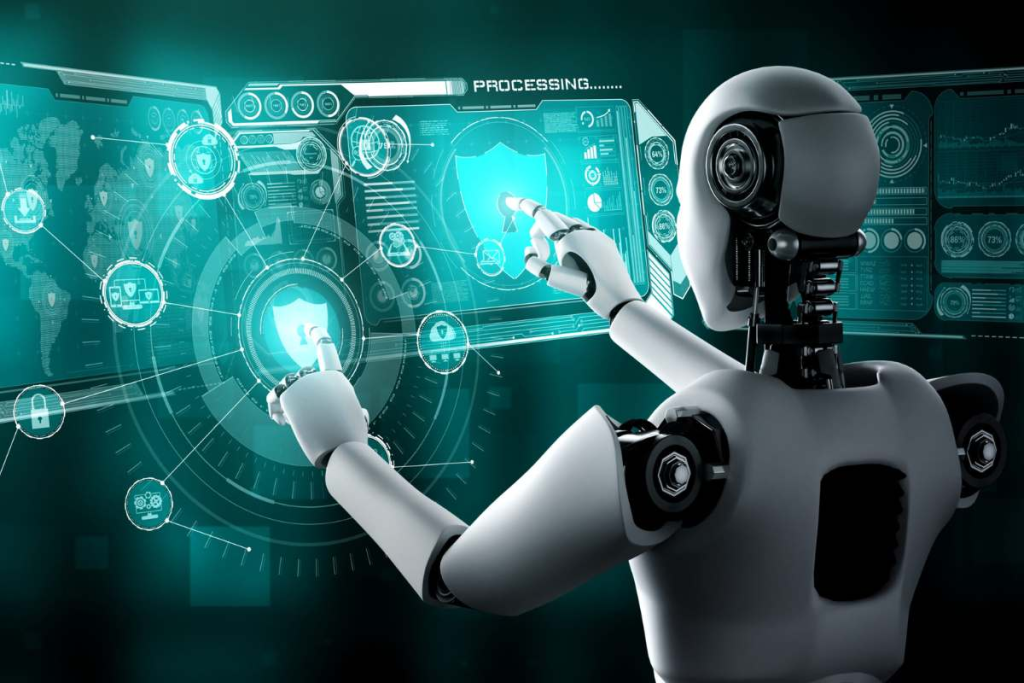
Artificial Intelligence (AI) has changed the way we live, work, and interact. From voice assistants like Siri and Alexa to self-driving cars, AI has become part of our daily lives. But what does the future hold for this technology? The next decade promises exciting advancements that could reshape industries, education, healthcare, and society as a whole.
Smarter Machines
Future AI systems will not just follow commands — they will understand context, emotions, and intent. For example, future AI assistants might recognize your mood by your tone of voice and respond accordingly. They will be able to think, learn, and make decisions with minimal human help.
AI in Healthcare
AI is already helping doctors diagnose diseases faster and more accurately. In the future, AI will play a bigger role — predicting illnesses before they happen, personalizing treatments, and even performing surgeries with robotic precision. AI-driven apps will monitor our health 24/7 and alert doctors in case of danger.
AI and Jobs
While AI will automate many routine jobs, it will also create new ones. People will need to learn new skills to work alongside machines. The focus will shift to creativity, problem-solving, and emotional intelligence — areas where humans still excel.
Ethical Concerns
As AI grows stronger, ethical questions will become more important. Who is responsible if an AI makes a mistake? How do we make sure AI treats everyone fairly? Governments and organizations will need to set clear rules to prevent misuse.
AI and Everyday Life
In the coming years, AI will make life more convenient — smart homes, self-driving cars, virtual tutors, and personalized entertainment will all become common. The key will be using AI responsibly to improve lives without losing privacy or human touch.
Conclusion
The future of AI is full of promise. If used wisely, it can help humanity solve major challenges — from climate change to healthcare. The next phase of AI will be about working with humans, not replacing them.
Leave a Reply