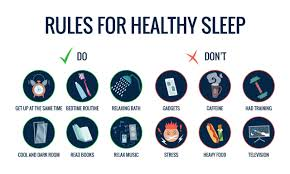
Sleep is one of the most essential elements of a healthy life. It allows the body to repair itself, strengthens the immune system, and supports brain function. However, in today’s busy world, many people struggle with poor sleep due to stress, irregular routines, and overuse of digital devices. Lack of proper sleep leads to fatigue, irritability, low productivity, and a higher risk of health problems such as heart disease, obesity, and depression. Building healthy daily habits is the key to improving sleep quality naturally.
The Importance of Good Sleep
Sleep is not just rest; it is an active process that allows the brain and body to rejuvenate. During deep sleep, the body repairs muscles, releases growth hormones, and consolidates memories. Adults generally need between seven and eight hours of quality sleep every night. Good sleep enhances concentration, mood, and physical performance, while chronic sleep deprivation weakens the immune system and increases stress levels.
1. Maintain a Consistent Sleep Schedule
One of the simplest yet most effective habits for better sleep is maintaining a regular sleep-wake schedule. Going to bed and waking up at the same time every day, including weekends, helps regulate the body’s internal clock, also known as the circadian rhythm. When this rhythm is consistent, falling asleep becomes easier, and sleep quality improves. Avoid staying up late or sleeping excessively on weekends, as it can disrupt your body’s natural sleep pattern.
2. Create a Relaxing Bedtime Routine
Having a calming pre-sleep routine signals to your body that it’s time to wind down. Activities like reading, light stretching, or listening to soft music help relax the mind. Avoid stimulating activities such as watching TV, scrolling on your phone, or engaging in stressful discussions before bedtime. A warm shower or a cup of herbal tea can also help prepare your body for rest. The goal is to create a sense of peace that makes it easier to fall asleep naturally.
3. Limit Screen Time Before Bed
Exposure to blue light from phones, computers, and televisions interferes with the production of melatonin—the hormone that regulates sleep. Looking at screens before bedtime confuses the brain into thinking it’s still daytime, making it harder to fall asleep. It’s best to avoid electronic devices at least an hour before going to bed. If screen use is unavoidable, consider using blue light filters or glasses designed to reduce light exposure.
4. Keep the Sleep Environment Comfortable
Your bedroom environment plays a major role in determining how well you sleep. A clean, quiet, and dark room encourages deeper rest. Keep the room temperature slightly cool, as a warm environment can cause discomfort and sweating. Invest in a good-quality mattress and pillows that support proper body alignment. Using blackout curtains, white noise machines, or eye masks can further improve sleep quality.
5. Watch What You Eat and Drink
Diet has a significant effect on sleep. Eating large or spicy meals close to bedtime can cause discomfort or indigestion, making it hard to sleep. Try to finish dinner at least two to three hours before going to bed. Limit caffeine intake in the afternoon and evening, as it stays in the body for several hours and can prevent sleep. Alcohol may make you sleepy at first, but it disrupts sleep cycles later in the night. Opt for light snacks such as yogurt, bananas, or a small handful of nuts if you feel hungry before bed.
6. Stay Physically Active
Regular exercise improves sleep by reducing stress and helping the body maintain a healthy sleep-wake rhythm. Physical activity increases the production of serotonin, a neurotransmitter that promotes relaxation and well-being. However, it’s important to avoid intense workouts right before bedtime, as they may increase heart rate and energy levels. Morning or afternoon exercise is ideal for improving sleep quality. Activities like walking, cycling, yoga, or swimming are excellent choices.
7. Manage Stress and Anxiety
Stress and anxiety are among the biggest causes of sleep problems. When the mind is restless, it becomes difficult to relax and fall asleep. Techniques like deep breathing, meditation, or mindfulness help calm the mind before bed. Writing down worries or to-do lists can help release mental tension. Creating a bedtime gratitude practice—reflecting on positive moments of the day—also shifts focus away from stress and encourages a peaceful mindset.
8. Avoid Long or Late Naps
While short naps during the day can boost energy, long or late naps may interfere with nighttime sleep. Try to limit naps to 20–30 minutes and avoid sleeping late in the afternoon or evening. If you find it hard to sleep at night, skipping naps altogether may help restore your natural sleep drive.
9. Get Sunlight Exposure During the Day
Natural light exposure during the day helps regulate your body’s circadian rhythm. Spending time outside, especially in the morning, signals to the brain that it’s daytime, which helps you stay alert. It also promotes the production of melatonin at night, leading to better sleep. If natural sunlight is limited, keeping your home bright during the day or using light therapy can also help.
10. Limit Stimulants and Late-Night Work
Working or studying late into the night keeps the brain active and alert when it should be winding down. Try to finish work at least an hour before bedtime. Avoid stimulants like caffeine, nicotine, and sugary drinks in the evening. Instead, choose calming activities such as reading or meditation. Maintaining a clear separation between work and rest time improves sleep quality.
11. Keep a Positive Sleep Mindset
Worrying about not being able to sleep often makes the problem worse. Instead of focusing on falling asleep quickly, focus on relaxing your body and clearing your mind. Even resting quietly with your eyes closed can be beneficial. The less pressure you put on yourself to sleep, the easier it becomes. Developing a positive attitude toward bedtime helps you associate it with comfort and rest rather than anxiety.
12. Limit Noise and Distractions
A quiet environment promotes deep, uninterrupted sleep. If outside noise is an issue, use earplugs or white noise to block disturbances. Avoid sleeping with the TV on or engaging in loud activities near bedtime. Keeping pets out of the bedroom, if they disturb your sleep, can also help maintain a peaceful atmosphere.
13. Avoid Late-Night Screen Exposure and Notifications
Constant phone notifications and messages can interrupt sleep or make it difficult to unwind. Turn off unnecessary alerts, and keep your phone away from the bed. Using “Do Not Disturb” mode or setting the phone on silent can help ensure uninterrupted rest.
14. Try Relaxation Techniques Before Bed
Relaxation exercises such as progressive muscle relaxation, guided imagery, or gentle yoga can calm the mind and body. These techniques slow the heart rate and release muscle tension, helping you drift into sleep naturally. Listening to soft instrumental music or nature sounds can also help set a peaceful tone for bedtime.
15. Seek Medical Help if Needed
If you have persistent sleep problems, it’s important to consult a healthcare professional. Conditions like insomnia, sleep apnea, or restless leg syndrome require proper diagnosis and treatment. Ignoring chronic sleep issues can affect mental and physical health over time. Doctors may recommend lifestyle changes, therapy, or specific medical interventions to improve sleep.
Conclusion
Better sleep starts with healthy habits practiced consistently throughout the day. Maintaining a regular sleep schedule, managing stress, limiting screen time, and creating a comfortable environment all contribute to deeper, more refreshing rest. Sleep is not a luxury—it is a vital part of overall health, supporting physical recovery, emotional balance, and mental clarity. By making small adjustments in your daily routine, you can train your body to relax, fall asleep easily, and wake up feeling refreshed and energized every morning.
Leave a Reply